EN
EN

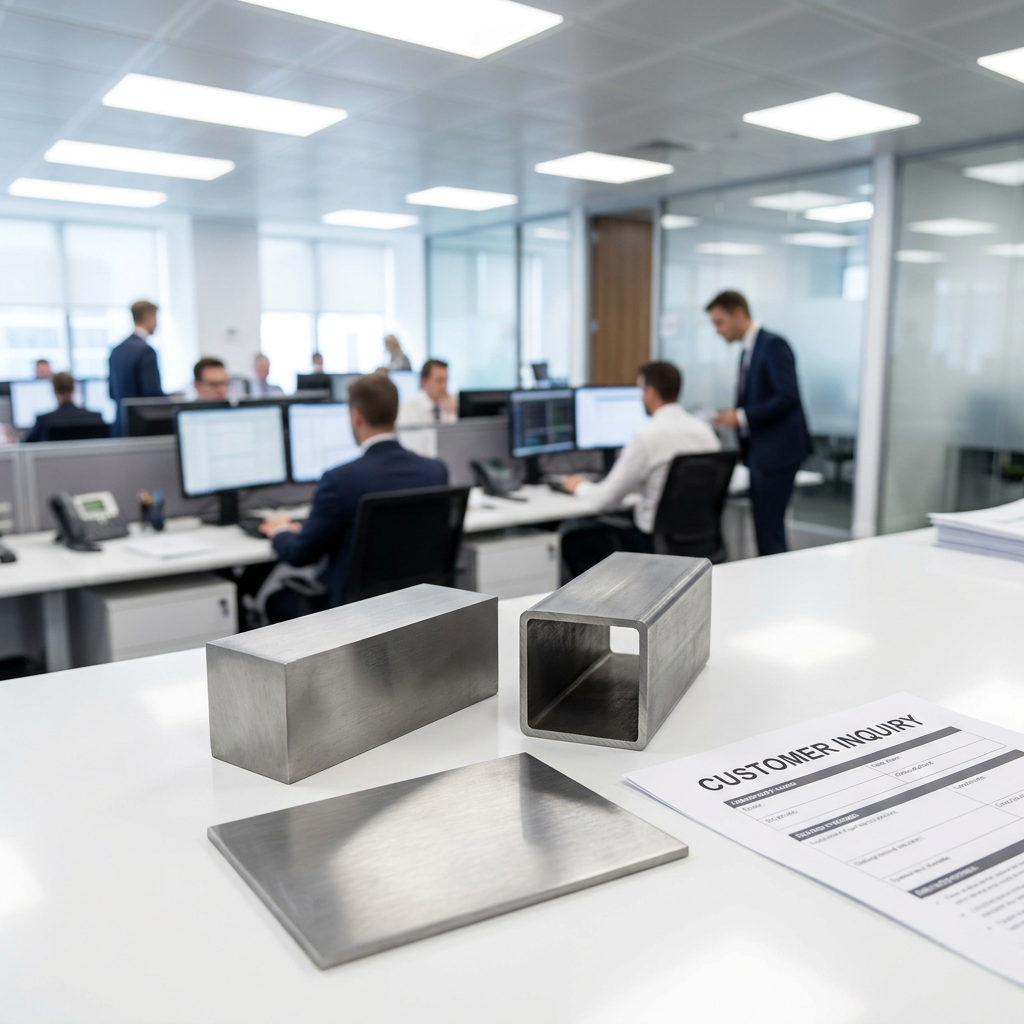
How to customize length size of precision cut GI coil finished sheets
2026/09/11
Learn how to specify precision cut GI coil sheets in custom lengths — tolerance selection, coating integrity, and ordering tips.
2026/08/27
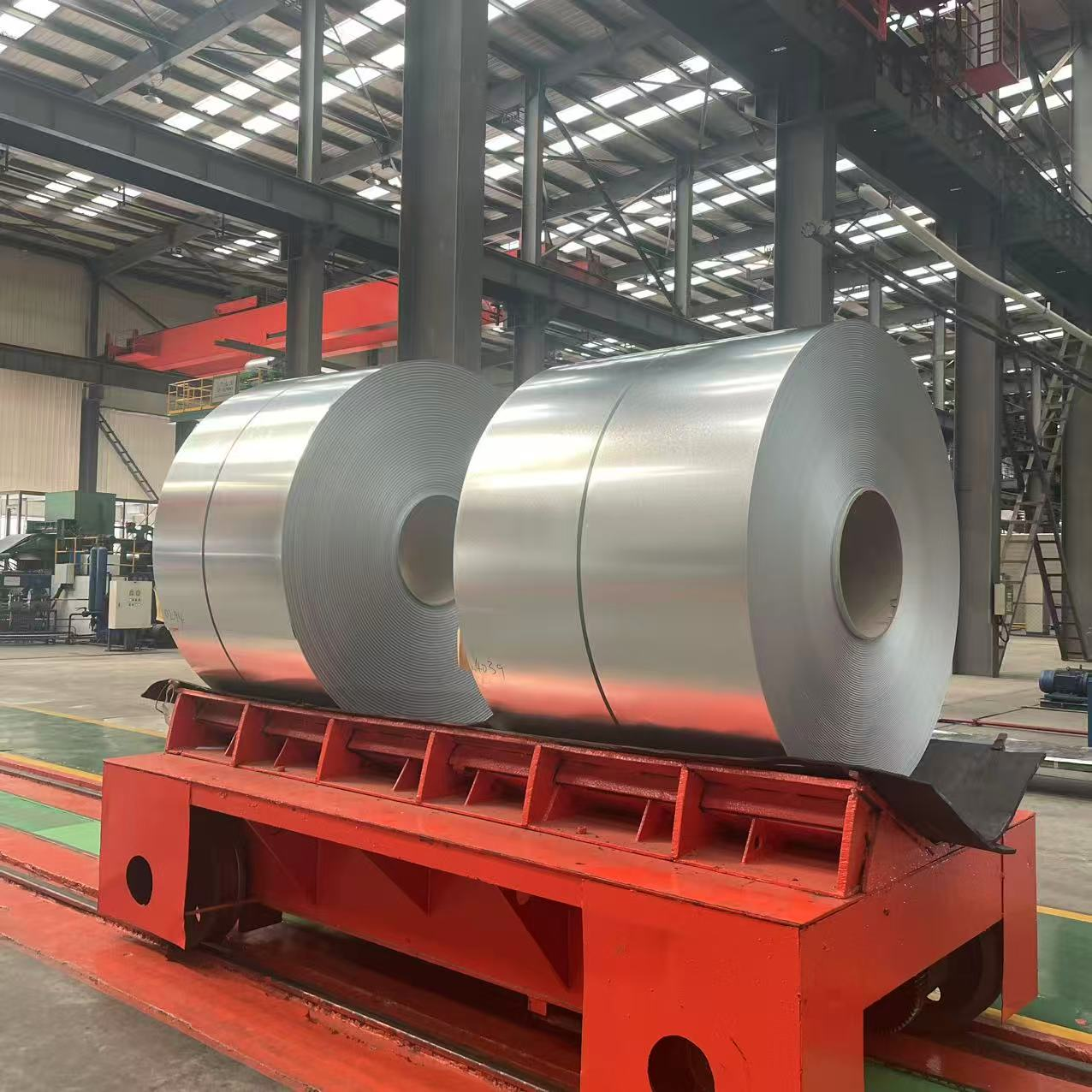
Galvanized steel coil offers outstanding rust protection thanks to its sacrificial zinc layer. However, basic zinc protection alone falls short for projects that demand specific custom colors, extreme UV stability, or harsh chemical resistance. In these specialized cases, applying a secondary spray-applied topcoat over the zinc-coated substrate provides the extra barrier protection required.
The primary challenge involves matching the auxiliary spray system with the base metal so the final layer bonds securely without blistering, peeling, or forming micro-pinholes over time. Both downstream fabricators and painted steel coil suppliers frequently run into compatibility issues when spraying directly onto fresh zinc. Achieving strong zinc surface coating compatibility requires selecting the right paint formulations, enforcing rigorous surface cleaning, and maintaining tight application controls.
Evaluating Auxiliary Paint Systems for Zinc Substrates
Choosing the right paint system for post-fabrication spraying means evaluating four critical performance traits: initial adhesion, outdoor UV stability, chemical resistance, and long-term flexibility.
| Auxiliary Paint System | Adhesion over Zinc | Outdoor UV Resistance | Chemical Resistance | Target Application |
| Water-Based Acrylic Latex | Good (requires etching primer) | Good | Fair | Interior trims, mild outdoor settings |
| Oil-Based Alkyd | Poor (high risk of saponification) | Fair | Fair | Not recommended for zinc surfaces |
| Two-Component Epoxy | Outstanding (with primer) | Poor (chalks under UV) | Outstanding | Industrial machinery, chemical exposure |
| Two-Component Polyurethane | Outstanding | Outstanding | Very Good | Long-term architectural exteriors |
| PVDF Fluoropolymer | Outstanding (requires primer) | Exceptional | Exceptional | Premium facades (20+ year rating) |
Applying oil-based alkyd paints directly to a zinc surface triggers a reaction known as saponification. Over time, the alkyd resin reacts with zinc ions to form a slippery soap-like film at the interface, causing the paint to peel off in sheets. For durable secondary spray painting, water-based acrylics, two-component epoxies, and polyurethanes provide far superior long-term performance.
Essential Surface Preparation Steps Before Spraying
No matter how advanced the secondary spray coating is, applying it over an uncleaned galvanized steel coil leads to premature coating failure. Zinc surfaces naturally accumulate oils, storage passivates, and atmospheric oxidation that destroy mechanical adhesion.
A reliable preparation routine involves four key steps:
Alkaline Degreasing: Clean the strip surface using a mild alkaline detergent solution to dissolve oils, grease, and dirt without etching the underlying zinc layer. Avoid harsh solvents that leave chemical films behind.
Surface Abrasion: Lightly scuff the zinc surface using 320 to 400-grit sandpaper or fine Scotch-Brite pads. This creates a microscopic anchor profile without stripping away the protective zinc weight.
Clean Water Rinse: Flush the surface with clean water and dry it completely using warm compressed air or lint-free towels.
Etching Primer Application: Apply a dedicated wash primer or two-component epoxy primer formulated specifically for zinc substrates.
Bypassing the primer coat remains the single most common cause of field failures in secondary spray painting. The primer acts as a chemical bridge between the reactive zinc layer and the polyurethane topcoat, preventing interfacial reactions and locking down moisture resistance.
Controlling Spray Application and Environmental Variables
Environmental conditions during secondary spray painting directly impact film formation and final cure quality. Ambient shop temperatures should stay between 10°C and 35°C, while relative humidity must remain under 85%. Crucially, the substrate temperature must sit at least 3°C above the current dew point to stop invisible moisture from trapping beneath the fresh paint film.
When mixing two-component systems, technicians must strictly follow the paint manufacturer's guidelines regarding pot life and induction times. Spray operators track wet film thickness using notch gauges during application, followed by dry film verification using magnetic thickness gauges per ASTM D7091 standards once cured.
Post-spray quality assurance relies on standard mechanical testing:
Cross-Cut Adhesion (ASTM D3359): Verifies that the spray coating firmly bonds to the primed zinc substrate without edge flaking.
Pencil Hardness (ASTM D3363): Confirms scratch resistance during handling and assembly.
Accelerated Weathering (ASTM G154): Simulates years of outdoor exposure to prove UV stability and color retention over long service lifespans.
Real World Application in Architectural Metalworking
A architectural fabricator in Southeast Asia needed to produce custom wall panels using galvanized steel coil for a coastal resort project. The design called for a deep cobalt blue finish (RAL 5002) that was unavailable as a standard coil-coated PPGI shade.
To solve this, the fabricator pretreated the galvanized metal before applying a two-component epoxy primer and a high-durability polyurethane topcoat. This customized secondary spray system achieved a flawless 5B cross-cut adhesion rating and cleared 1,000 hours of neutral salt spray testing without edge blistering.
Success relied on two factors: maintaining proper surface prep protocols and sourcing high-grade base coil material. The fabricator selected a galvanized substrate with Z120 to Z275 zinc mass compliant with ASTM A653 standards, ensuring a uniform, passivated base capable of supporting heavy secondary spray coats in marine environments.
Contractors and fabricators looking for consistent base material benefit from working alongside experienced supply partners who understand zinc surface coating compatibility.
Yuanhe supplies mill-direct galvanized steel coil products with skin-passed surface finishes ranging from Z20 to Z275, ensuring smooth surface uniformity that optimizes secondary paint adhesion for complex architectural and industrial projects.
Frequently Asked Questions
Why should oil-based alkyd paint be avoided on galvanized steel coil?
Alkyd resins react chemically with zinc to form a soft, soapy film between the metal and the paint layer. This process, called saponification, destroys adhesion and causes the paint film to bubble, crack, and peel off within months of application.
How does secondary spray painting compare to factory coil coating?
Factory coil coating applies paint continuously to flat metal strips before forming, offering high speed and tight thickness control. Secondary spray painting happens after cutting, bending, or welding, making it ideal for custom colors, low-volume orders, complex shapes, or sealed edge protection.
How long should new galvanized steel coil weather before secondary painting?
Unpassivated new zinc should weather outdoors for 3 to 6 months to form a stable zinc carbonate patina, or undergo chemical etching and wash priming prior to painting. Working with knowledgeable painted steel coil suppliers helps identify the ideal preparation routine for specific shop conditions and storage histories.
2026/09/11
Learn how to specify precision cut GI coil sheets in custom lengths — tolerance selection, coating integrity, and ordering tips.
2026/09/11
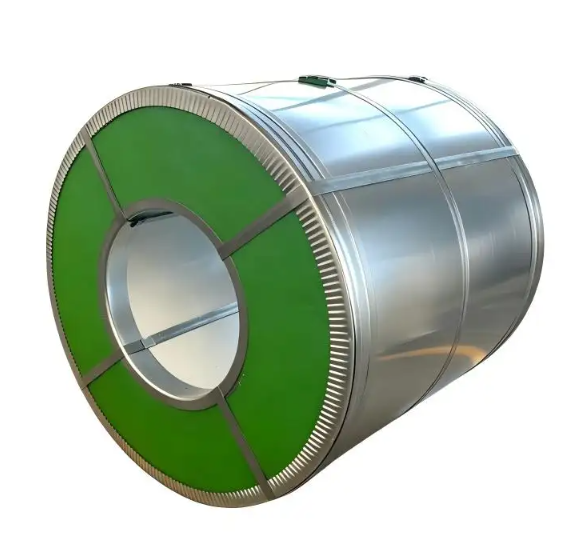
Learn why premium finish galvalume steel coil delivers better paint adhesion and visual consistency in finished building products. Request specs today.
2026/09/10
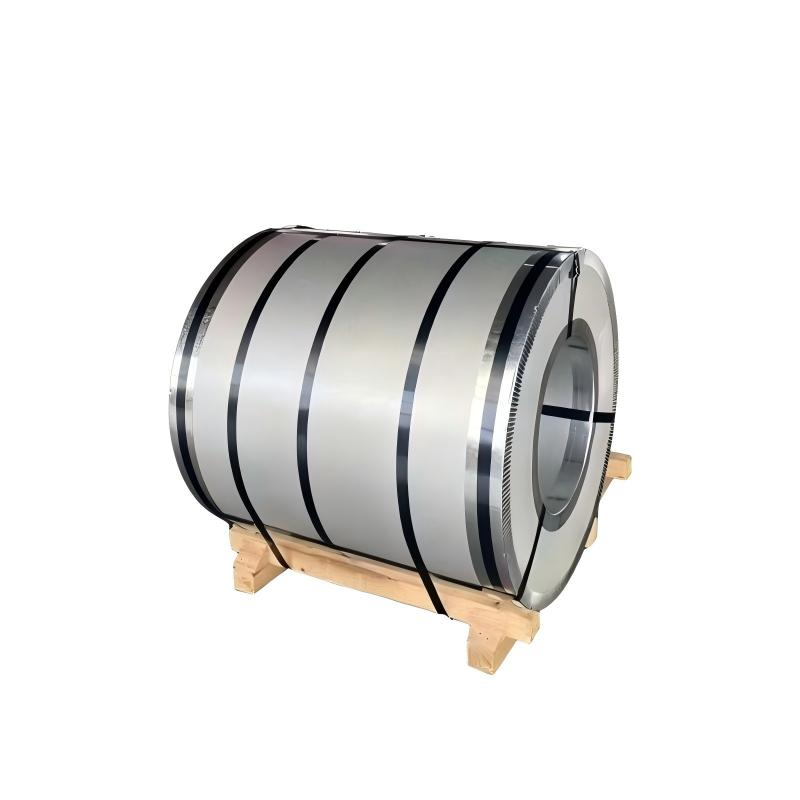
Learn why heavy coating galvalume steel coil provides superior corrosion resistance in harsh coastal settings and saves long-term maintenance costs.
2026/09/10
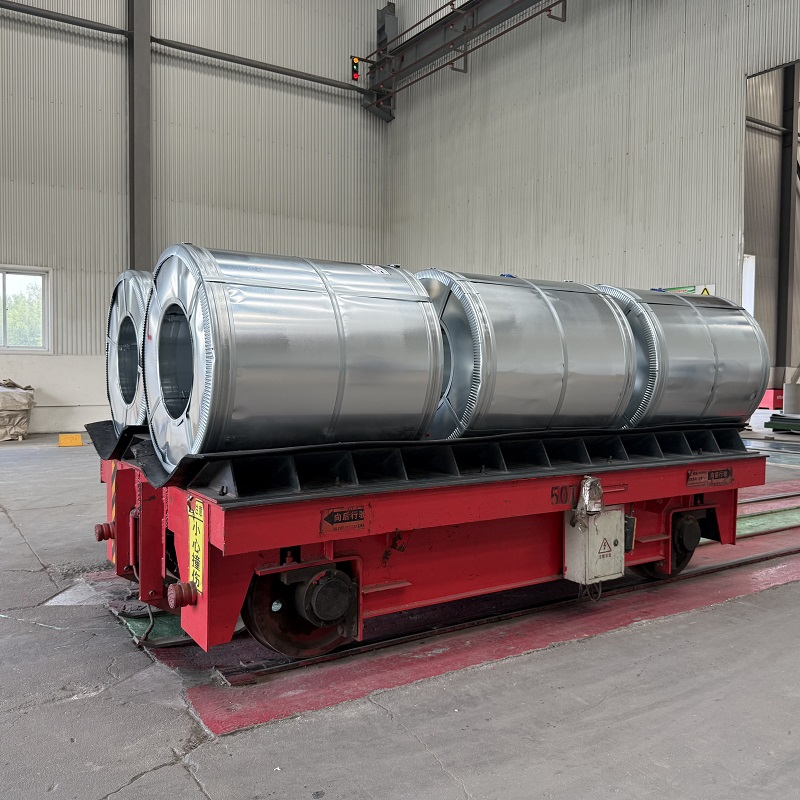
Learn how to test the bending performance of formable galvalume steel coil samples using T-bend testing to prevent cracking and scrap.
2026/09/10
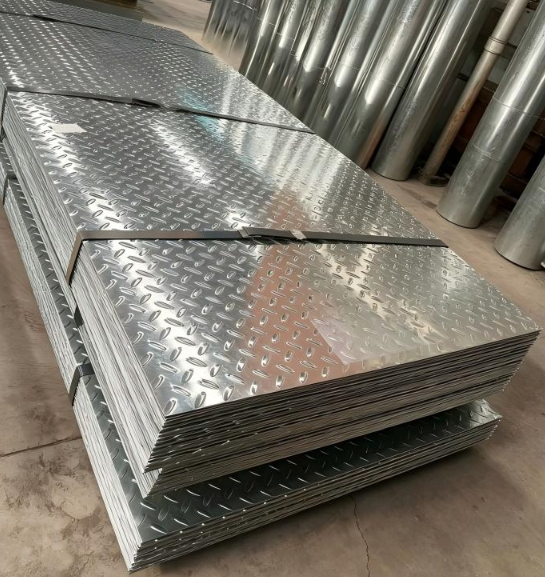
Discover how multi specification galvalume steel coil simplifies purchasing, boosts productivity, and lowers costs for metal fabricators.
2026/09/10
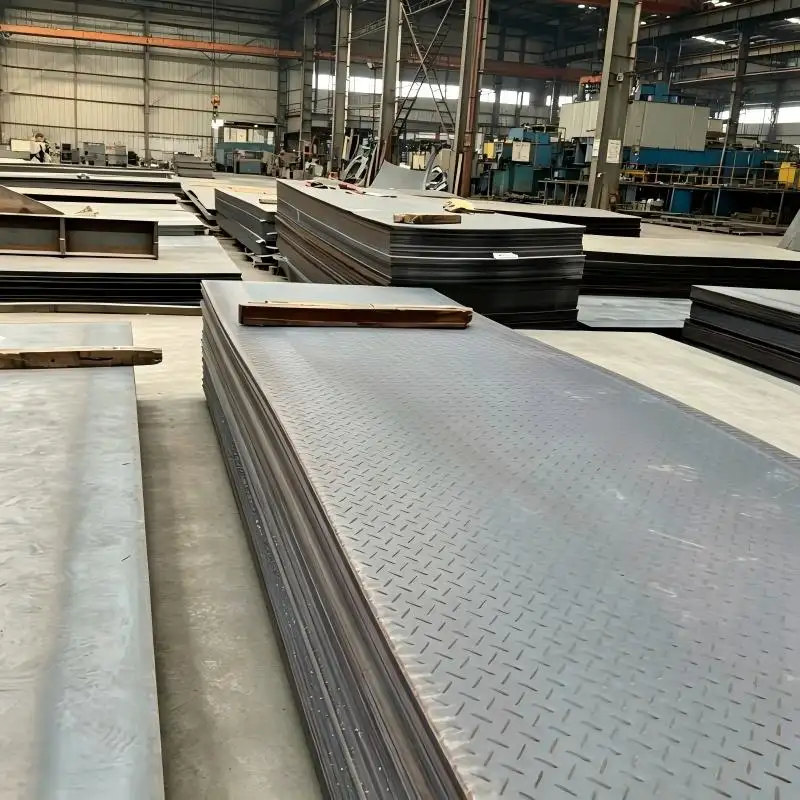
Discover why hot dipped galvanized steel and hot dip galvanized checkered plate offer ideal corrosion resistance and strength for road guardrails.
Covering green transformation, product comparison, selection guide, and industry empowerment, helping you fully grasp the dynamics of the color steel industry.
Global climate action and Belt and Road cooperation are driving the color steel industry’s shift toward green, sustainable development.

Comparing PPGI and PPGL across performance, durability, and applications to help you select the optimal coated steel for your project.
A practical guide to selecting and applying color steel coils, ensuring optimal performance, durability, and cost-effectiveness for your projects.
Industry forum drives digital and green transformation, empowering steel sector development through innovation and collaboration.