EN
EN

How to customize length size of precision cut GI coil finished sheets
2026/09/11
Learn how to specify precision cut GI coil sheets in custom lengths — tolerance selection, coating integrity, and ordering tips.
2026/08/27
Buying a galvanized steel coil on the international market is rarely as simple as checking a fixed price list. Global quotes shift constantly, shaped by a tangled network of raw material costs, trade policies, shipping routes, and currency movements. For procurement managers and supply chain directors, navigating international steel pricing requires a clear view of what actually moves the needle when mills adjust their mill-gate offers.
The base substrate cost serves as the primary engine for global steel quotes, but it is far from the only variable. A sudden spike in London Metal Exchange (LME) zinc trading, a unexpected tariff announcement, or ocean freight rate spikes can quickly erase profit margins on cross-border shipments. Understanding these underlying cost layers helps buyers time contract bookings, negotiate better index terms, and protect their procurement budgets against sharp steel market fluctuation.
Every metric ton of galvanized steel coil reflects several stacked cost inputs. Knowing how these inputs weigh against the final landed quote makes it much easier to spot real market trends versus temporary supplier markups.
| Cost Component | Typical Share of Final Quote | Volatility Characteristics | Tracking Priority |
| Hot Rolled Substrate (HRC) | 55% to 65% of Total | Cyclical shifts, weekly adjustments | Critical |
| Zinc Metal (LME Base) | 10% to 15% of Total | Daily LME market swings | High |
| Ocean Freight & Logistics | 5% to 12% of Total | Seasonal spikes, route disruptions | High |
| Import Tariffs & Trade Policy | 3% to 8% of Total | Sudden policy-driven shifts | Medium |
| Currency Exchange Rates | Variable (2% to 10%) | Daily macroeconomic shifts | Medium |
| Energy & Mill Processing | 3% to 5% of Total | Seasonal power & fuel costs | Low to Medium |
The hot rolled coil price serves as the ultimate baseline for all finished galvanized steel coil quotations. Because hot-rolled sheet is cold-reduced and subsequently hot-dipped through molten zinc baths, any movement in raw substrate costs cascades directly down the manufacturing chain. Typically, when regional HRC indices rise by 5 percent or more, galvanizing mills update their export offers within two to four weeks as older substrate inventory gets consumed.
Procurement teams must closely track regional HRC benchmarks, such as Shanghai Futures Exchange (SHFE) contracts, European domestic indices, and US Midwest HRC spot trends. These indices provide an early warning signal for upcoming export price adjustments.
Simultaneously, the zinc raw material cost heavily dictates the coating premium charged by galvanizing lines. A heavy Z275 coating requires roughly 2.75 kilograms of pure zinc spread across both sides per square meter. If global zinc trading on the LME climbs by $500 per metric ton, the raw material cost increases by roughly $1.40 per square meter. On high-volume commercial runs, these small per-meter adjustments quickly add up to tens of thousands of dollars.
Interestingly, substrate and zinc markets do not always move in tandem. There are frequent market cycles where the hot rolled coil price trends downward while zinc spikes due to smelter outages. This decoupling creates mixed signals, making accurate price forecasting a top priority for international buyers.
Beyond raw material inputs, trade barriers and shipping logistics play a massive role in landed steel quotes. Anti-dumping duties, safeguard measures, and regional import quotas can alter landed costs overnight. When customs authorities announce formal tariff reviews, buyers often rush orders to clear ports before new rates hit, causing temporary localized price spikes. Conversely, definitive duties suppress import volumes from specific origins, driving regional market divergence.
Meanwhile, ocean freight and logistics remain the most volatile individual component of cross-border trade. Container shortages, port congestion, and regional route diversions can cause shipping rates to swing by 30 to 50 percent within a single quarter. During major shipping disruptions, ocean freight rates from Asian supply hubs can double or triple within weeks. Calculating landed galvanized steel coil costs requires factoring in real-time freight trends alongside raw substrate and zinc quotes.
Navigating persistent steel market fluctuation requires moving away from static purchasing habits. Procurement teams can mitigate pricing exposure by implementing several proven supply strategies:
Adopt Formula-Based Pricing: Link long-term supply contracts directly to transparent benchmarks. Setting quarterly pricing formulas tied to published HRC and LME zinc averages spreads market risks fairly between buyer and seller.
Diversify Origin Sourcing: Maintain qualified supply partners across at least two different geographic regions. Having alternate mill options prevents operational standstills when trade remedies or shipping bottlenecks disrupt a primary trade route.
Work Direct with Manufacturing Mills: Bypassing multi-tiered trading companies cuts intermediate markups and provides direct visibility into raw mill costs, lead times, and zinc surcharge calculations.
Connecting directly with integrated producers simplifies international sourcing and keeps cost structures transparent. Working with established production lines ensures reliable material access, consistent coating weights, and predictable lead times during volatile trading cycles.
Yuanhe operates high-efficiency galvanizing lines in Liaoning, China, producing galvanized steel coil compliant with ASTM A653 and JIS G3302 standards. By maintaining factory-direct manufacturing control, standard lead times of 6 to 14 days, and transparent cost structures, global buyers receive stable pricing and fully traceable material certification for every order.
How long does it take for a hot rolled coil price change to affect galvanizing quotes?
Substrate price adjustments usually hit finished galvanized steel coil quotes within two to four weeks. This lag reflects the time required for galvanizing lines to process existing hot-rolled substrate inventory and reset replacement quotes.
Which component of international steel pricing experiences the highest volatility?
Ocean freight costs are historically the most volatile individual component, frequently jumping 30 to 50 percent in a single quarter during logistics bottlenecks. LME zinc trading ranks second due to daily metal exchange fluctuations.
Is it better to lock in fixed prices or use index-linked supply contracts?
For stable, short-term projects, fixed prices offer budget certainty. However, during periods of sharp steel market fluctuation, index-linked formula contracts tied to published substrate and zinc rates prevent contract defaults and keep pricing fair for both parties.
2026/09/11
Learn how to specify precision cut GI coil sheets in custom lengths — tolerance selection, coating integrity, and ordering tips.
2026/09/11
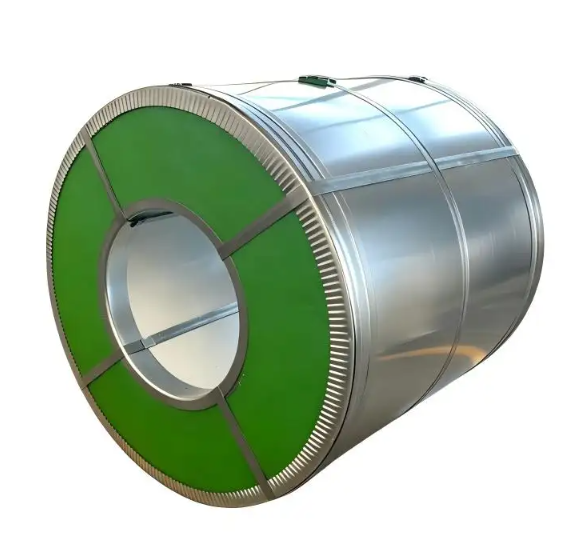
Learn why premium finish galvalume steel coil delivers better paint adhesion and visual consistency in finished building products. Request specs today.
2026/09/10
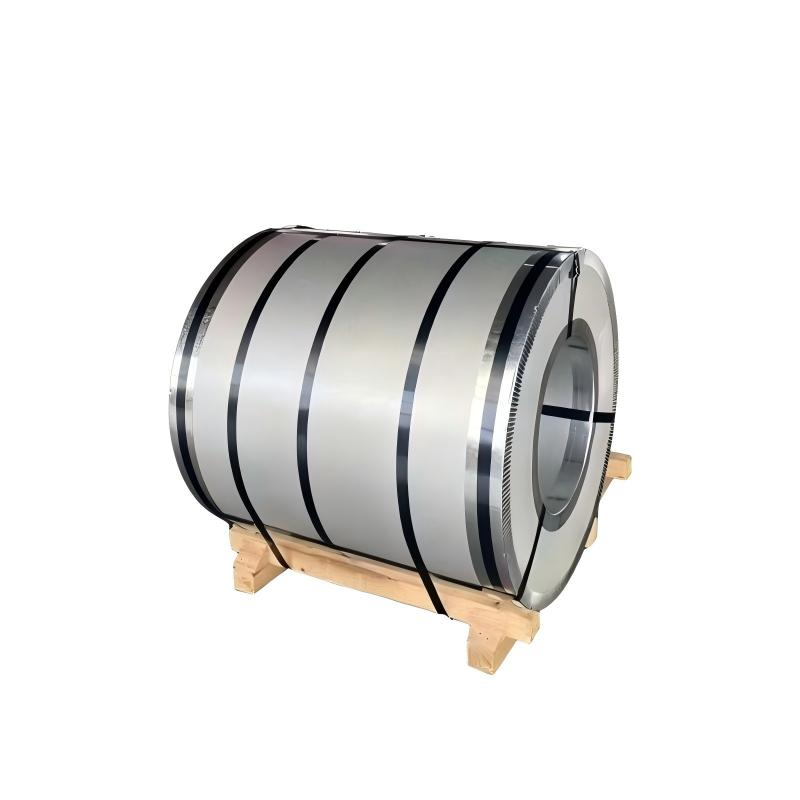
Learn why heavy coating galvalume steel coil provides superior corrosion resistance in harsh coastal settings and saves long-term maintenance costs.
2026/09/10
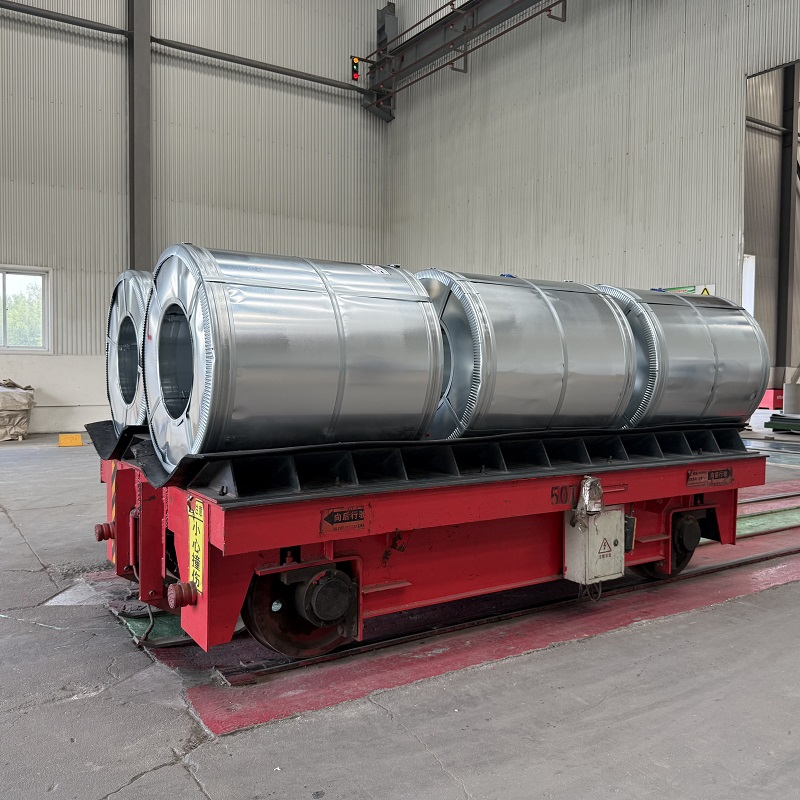
Learn how to test the bending performance of formable galvalume steel coil samples using T-bend testing to prevent cracking and scrap.
2026/09/10
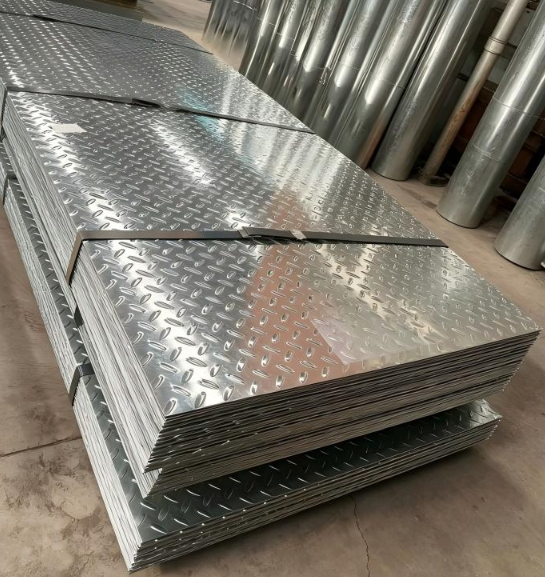
Discover how multi specification galvalume steel coil simplifies purchasing, boosts productivity, and lowers costs for metal fabricators.
2026/09/10
Discover why hot dipped galvanized steel and hot dip galvanized checkered plate offer ideal corrosion resistance and strength for road guardrails.
Covering green transformation, product comparison, selection guide, and industry empowerment, helping you fully grasp the dynamics of the color steel industry.

Global climate action and Belt and Road cooperation are driving the color steel industry’s shift toward green, sustainable development.

Comparing PPGI and PPGL across performance, durability, and applications to help you select the optimal coated steel for your project.
A practical guide to selecting and applying color steel coils, ensuring optimal performance, durability, and cost-effectiveness for your projects.
Industry forum drives digital and green transformation, empowering steel sector development through innovation and collaboration.