EN
EN

How to customize length size of precision cut GI coil finished sheets
2026/09/11
Learn how to specify precision cut GI coil sheets in custom lengths — tolerance selection, coating integrity, and ordering tips.
2026/08/24
In 2018, a logistics group constructed two industrial warehouses, both clad with ppgi panels sourced from the exact same mill, and both built in Vietnam. By 2025, the inland facility near Hanoi still looked remarkably fresh, whereas the coastal depot outside Hai Phong showed distinct rust stains along panel edges and fastener lines. Same product type, same paint color, yet completely opposite outcomes. The difference was never the structural steel itself—it came down to five vital factors that quietly determine how long a long service gi coil actually performs in the field.
Inspections conducted in early 2025 revealed a stark contrast. Site A, located inland near Hanoi, featured a 0.5 mm substrate with Z180 zinc, a robust 15 plus 8 micrometer PE paint system, sealed fasteners, a healthy roof pitch, and proper ventilation. The inspection found minor gloss loss with no red rust, and an estimated remaining life stretching well beyond eight years.
Conversely, Site B in coastal Hai Phong, situated roughly one kilometer from the sea, used a nominal specification that had been value-engineered at purchase down to Z80 zinc and a thinner 13 micrometer paint film. Panels were cut directly on site, leaving raw edges exposed, and heavy debris was allowed to sit undisturbed on horizontal flashings. By year seven, inspectors discovered severe edge creep ranging between 3 to 5 millimeters, alongside fastener staining and chalking, forcing a costly partial re-cladding.
Examining this case highlights why certain ppgi panels endure decades while others degrade prematurely.
Paint serves as the initial barrier against the elements, but zinc is the sacrificial element that saves the base steel when the surface is scratched or cut. Zinc corrodes in place of the base metal, meaning heavier coatings extend service life almost linearly in aggressive environments.
The Z80 coil at Site B carried less than half the sacrificial reserve found in Site A's Z180 specification. For coastal or industrial sites, specifying Z275 is essential, while dry inland climates can rely on Z120 to Z180. Upgrading zinc weight is typically the most cost-effective modification when ordering materials, preventing rapid ppgi corrosion far better than changing aesthetic paint colors.
The second critical driver is the paint system architecture, encompassing primer type, topcoat thickness, and resin quality. A comprehensive system featuring a corrosion-resistant primer paired with a 15 to 20 micrometer topcoat effectively blocks UV radiation, moisture, and airborne pollution.
Site B utilized a thinner 13 micrometer film to cut upfront costs, which compromised both UV blockers and moisture resistance. Budget coils often skip or dilute the primer layer, leading to adhesion failure and blistering down the track. Ensuring proper gi coil life requires prioritizing paint film integrity just as much as the underlying zinc layer.
External environments amplify every other variable. Salt spray, industrial sulfur dioxide, constant humidity, and intense UV exposure attack paint and zinc through different mechanisms. ISO 9223 corrosivity categories provide a practical framework for classification: C2 for dry inland zones, C3 for urban environments, and C4 to C5 for coastal or industrial regions.
A panel lasting twenty years in a C2 climate might degrade within eight to ten years in a severe C5 setting. Matching material specifications to the exact environmental category maximizes ppgi service life and prevents unexpected structural failures.
A significant portion of expected panel life can be compromised during fabrication and installation. Site B utilized abrasive discs to cut panels on site, burning the paint edges, drilling without proper deburring, and leaving metal swarf on the roof to rust and stain the surface. Tight 1T bends also micro-cracked the paint along profile ribs.
Every scratch, burn mark, and micro-crack becomes an immediate origin point for ppgi corrosion. Industry best practices dictate factory-cut panels, sharp tooling, protective films left in place until final assembly, touch-up coatings on all exposed edges, and specialized fasteners equipped with matched sealing washers.
Site design and ongoing maintenance dictate how much of the engineered lifespan is ultimately realized. Site A maintained a minimum 10 degree roof pitch, avoided debris traps, cleaned gutters biannually, and scheduled annual surface washdowns. Site B featured near-flat flashings where salt-laden dust retained moisture for days.
Ponding water, leaf accumulation, dissimilar-metal contact, and neglected crevices accelerate localized degradation rapidly. Establishing a modest maintenance routine protects a substantial capital investment and ensures optimal ppgi service life.
Translating these real-world lessons into a reliable procurement checklist helps secure long-term durability:
Match zinc weight directly to environmental exposure, utilizing Z120 to Z180 inland and Z275 for coastal or heavy industrial zones.
Require complete paint systems featuring a corrosion-resistant primer alongside a 15 to 20 micrometer minimum topcoat, choosing PVDF or HDP formulations for high-UV regions.
Request comprehensive batch test certificates covering salt spray resistance, humidity performance, T-bend limits, and cross-hatch adhesion.
Arrange for factory cutting and forming whenever possible, ensuring proper edge touch-ups are applied where necessary.
Eliminate potential ponding zones, debris traps, and edge exposures through smart architectural design and sealed fastener systems.
Schedule routine annual inspections and basic cleanings to preserve overall ppgi service life.
Maximizing a long service gi coil relies on precision engineering rather than chance. Selecting the correct specifications from the outset prevents premature failures and expensive remediation work.
Yuanhe PPGI delivers high-performance coated steel products designed to withstand demanding environmental conditions. Operating advanced manufacturing facilities in Liaoning, the company supplies premium PPGI and PPGL coils ranging from Z20 to Z275 zinc weights, with thicknesses spanning 0.09 mm to 1.5 mm in strict compliance with ASTM A653, JIS G3302, and global standards. Backed by rigorous three-layer quality verification protocols, extensive standing inventory exceeding 10,000 tons, and efficient 6 to 14 day delivery timelines, Yuanhe PPGI provides global clients with dependable manufacturing and supply chain solutions tailored for long-term project success. Further details regarding global delivery options and technical specifications are available directly through
With a Z275 zinc substrate, a reliable primer, a 20 micrometer PVDF topcoat, and careful installation, a lifespan of 15 to 20 years is achievable for coastal cladding. Value-engineered Z80 PE coils deployed near marine environments typically function as 7 to 10 year products requiring planned maintenance budgets.
Edge rust is the most common early defect on coated steel, and it is progressive. The zinc surrounding the exposed substrate sacrifices itself first, followed by the base steel. Minor edge staining can be cleaned and treated, but progressive creep requires professional intervention or panel replacement.
Thickness contributes to structural strength and dent resistance, but corrosion resistance is determined by zinc weight and paint quality. In aggressive environments, a thinner 0.4 mm coil with a Z275 coating will comfortably outlast a thicker 0.6 mm coil with a Z80 coating.
2026/09/11
Learn how to specify precision cut GI coil sheets in custom lengths — tolerance selection, coating integrity, and ordering tips.
2026/09/11
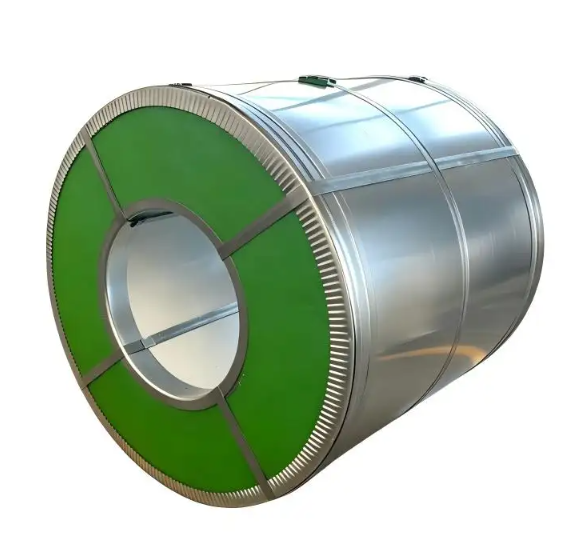
Learn why premium finish galvalume steel coil delivers better paint adhesion and visual consistency in finished building products. Request specs today.
2026/09/10
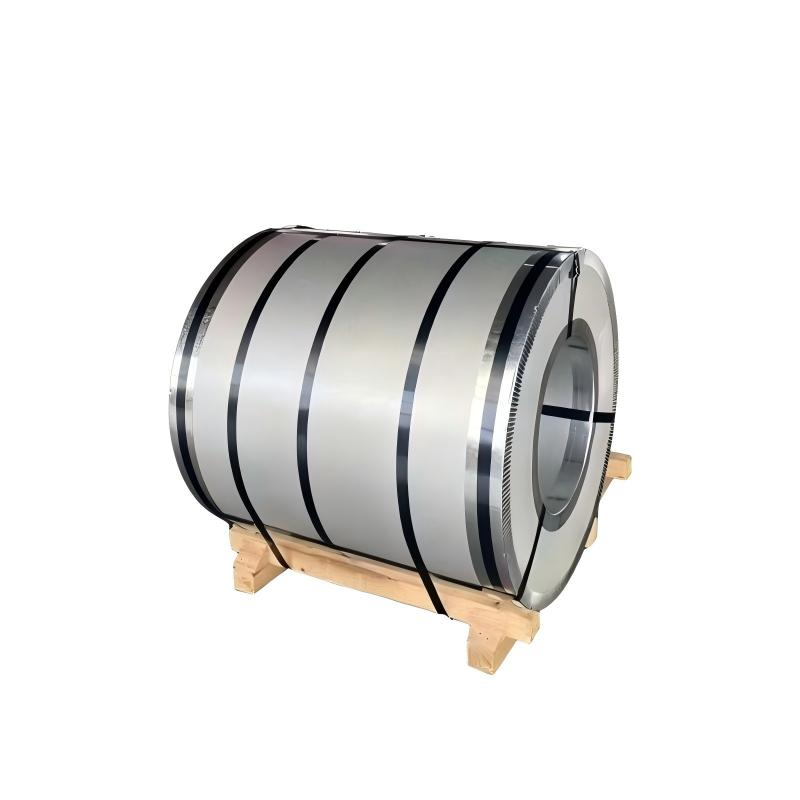
Learn why heavy coating galvalume steel coil provides superior corrosion resistance in harsh coastal settings and saves long-term maintenance costs.
2026/09/10
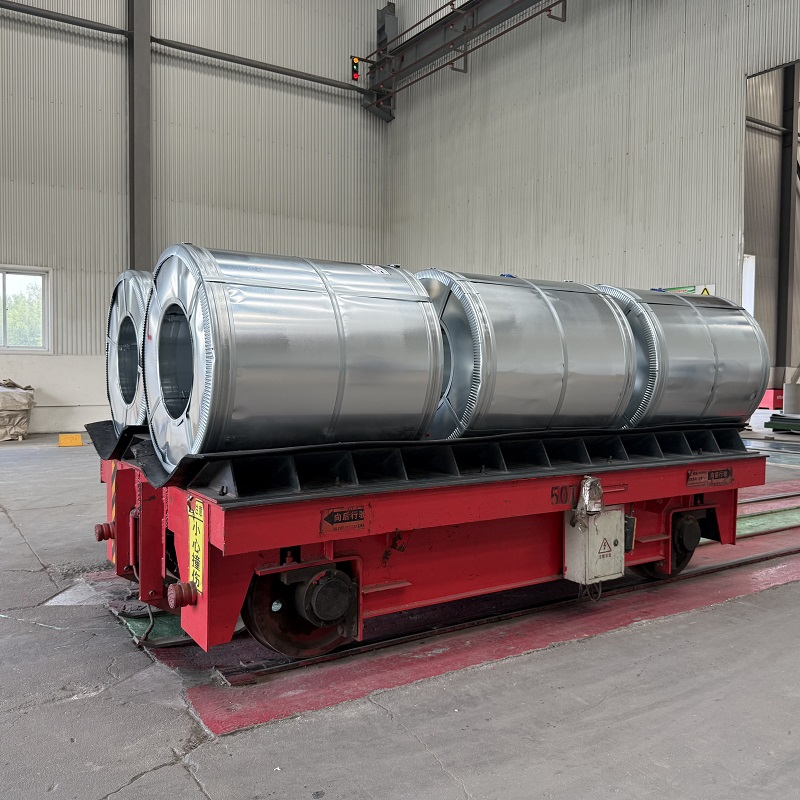
Learn how to test the bending performance of formable galvalume steel coil samples using T-bend testing to prevent cracking and scrap.
2026/09/10
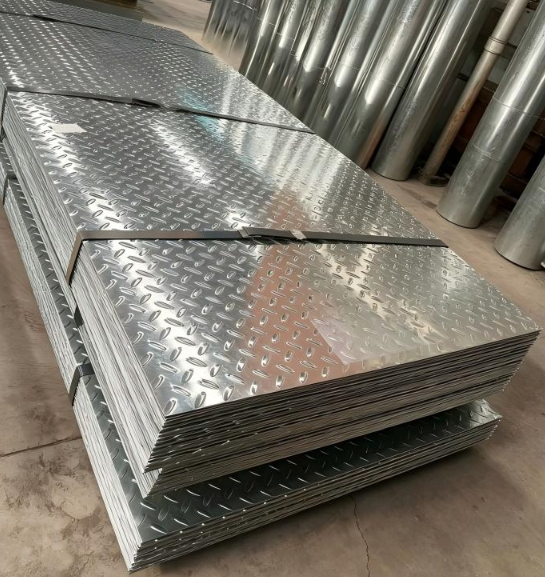
Discover how multi specification galvalume steel coil simplifies purchasing, boosts productivity, and lowers costs for metal fabricators.
2026/09/10
Discover why hot dipped galvanized steel and hot dip galvanized checkered plate offer ideal corrosion resistance and strength for road guardrails.
Covering green transformation, product comparison, selection guide, and industry empowerment, helping you fully grasp the dynamics of the color steel industry.

Global climate action and Belt and Road cooperation are driving the color steel industry’s shift toward green, sustainable development.

Comparing PPGI and PPGL across performance, durability, and applications to help you select the optimal coated steel for your project.
A practical guide to selecting and applying color steel coils, ensuring optimal performance, durability, and cost-effectiveness for your projects.
Industry forum drives digital and green transformation, empowering steel sector development through innovation and collaboration.