EN
EN

How to customize length size of precision cut GI coil finished sheets
2026/09/11
Learn how to specify precision cut GI coil sheets in custom lengths — tolerance selection, coating integrity, and ordering tips.
2026/08/26
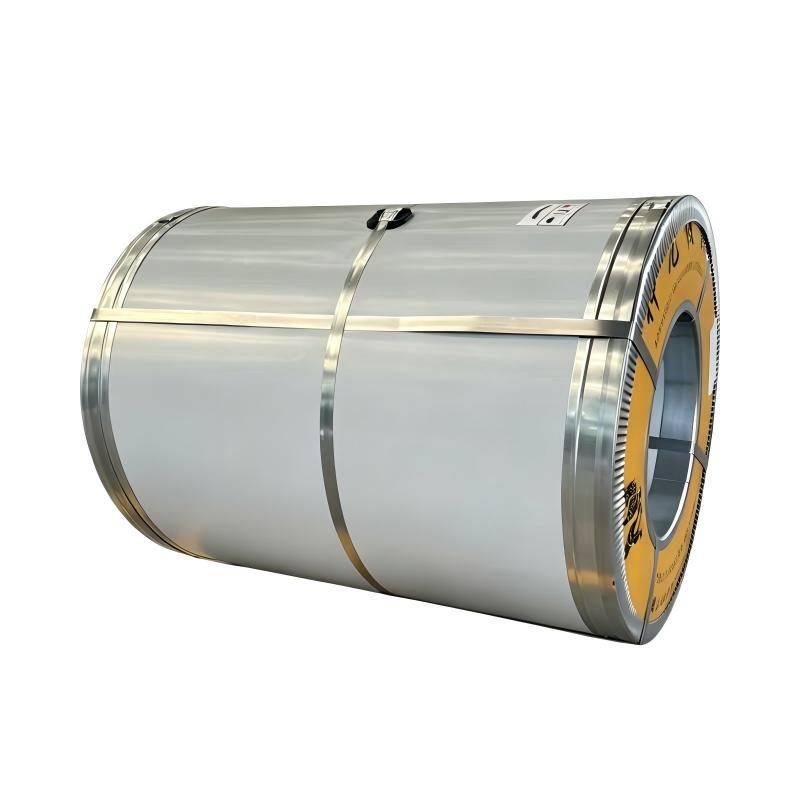
When project teams and procurement managers discuss green building materials, a key question almost always comes up: what actually happens to a prepainted galvanized steel coil once a roof or wall cladding reaches the end of its lifespan? With circular economy requirements tighter than ever, knowing how coated steel scrap moves through the supply chain helps buyers make smarter procurement decisions.
The short answer is yes—steel remains the most recycled industrial material in the world, with global recovery rates regularly topping 85%. However, combining a steel substrate with an organic paint layer and a zinc protective coating creates a unique recycling path. Understanding this process ensures your materials hit sustainability benchmarks without compromising technical specs.
Many buyers wonder if burning off paint and vaporizing zinc ruins the quality of re-melted steel. In practice, modern steelmakers handle these secondary layers routine-style using Electric Arc Furnace (EAF) technology.
When a scrap prepainted galvanized steel coil goes into an EAF batch, temperatures rapidly surge past 1,600°C. At these extreme levels, three distinct physical reactions take place at once:
Organic Paint Degradation: The topcoat, whether polyester, SMP, or PVDF, combusts entirely in the furnace atmosphere. Modern baghouse filters and scrubbers capture thermal energy and process volatile emissions, meeting atmospheric compliance standards without contaminating the batch.
Zinc Substrate Volatilization: The protective zinc layer vaporizes instantly. The furnace dust collection system traps this zinc vapor, condensing it into zinc oxide dust—a high-value secondary raw material.
Core Substrate Reconstitution: The underlying steel, whether derived from a prepainted cold rolled steel coil or a hot-rolled base, melts down completely. Because steel molecules don't degrade during thermal recycling, the newly poured liquid steel retains 100% of its original structural properties.
| Stage | Industrial Mechanism | Primary Recovered Output | Efficiency Benchmark |
| Collection & Sorting | Magnetic separation from mixed industrial scrap | Coated steel scrap feed | 95%+ recovery |
| Furnace Charging | High-temp melt in EAF / BOF units at 1600°C+ | Liquid steel & combustion off-gases | 98%+ steel yield |
| Thermal Paint Volatilization | Off-gas extraction and secondary thermal oxidizers | Recovered thermal energy | Variable energy yield |
| Zinc Vapor Capture | Baghouse filtration & dust condensation | Zinc oxide-rich EAF dust | 70% – 85% zinc capture |
| Dust Processing | Waelz kiln pyrometallurgical treatment | Refined zinc oxide for smelters | 60% – 75% market yield |
Choosing recyclable materials is more than a green marketing point; it directly drives measurable resource savings. Industry data from the World Steel Association shows that every metric ton of recycled steel scrap replaces:
Approximately 1,400 kilograms of iron ore
Around 740 kilograms of coking coal
Roughly 120 kilograms of limestone
When recycling a prepainted galvanized steel coil, capturing zinc dust creates an extra circular benefit. Reclaiming secondary zinc reduces the need for primary zinc mining, which consumes massive amounts of energy and creates heavy tailings.
Beyond environmental perks, there's a strong financial incentive. The market for zinc-rich EAF dust has sparked a specialized recycling ecosystem. Specialized facilities use Waelz kiln furnaces to turn gathered dust into high-grade zinc oxide, selling it directly back to primary chemical and zinc refining plants. Instead of paying landfill disposal fees, processing facilities create two profitable revenue streams: clean liquid steel and concentrated zinc dust.
Demolition Scrap Recovery in Harsh Climates
During a major industrial renovation project in the Middle East, contractors dismantled a 45-metric-ton warehouse roof made from prepainted galvanized steel coil cladding. The panels had been exposed to desert sun, sandstorms, and coastal salt spray for over 14 years, showing heavy surface chalking and localized zinc oxidation.
Instead of dumping the weathered panels, the contractor shipped the scrap directly to a regional EAF mill fitted with advanced dust-capture technology. The thermal melt recovered 43.2 tons of high-grade liquid steel alongside 1.8 tons of zinc-rich filter dust. The project achieved an overall material recovery rate over 99%, proving that severe atmospheric weathering doesn't ruin the recycling value of a quality prepainted cold rolled steel coil substrate.
Incorporating Scrap into Modern Coil Production
A vehicle components supplier in Southeast Asia needed to improve its LEED supply chain score for an upcoming audit. By sourcing a prepainted cold rolled steel coil made with a verified 25% post-consumer steel scrap ratio, the factory met its sustainability targets without altering press settings or structural tolerances. The finished parts delivered the exact same tensile strength, yield points, and paint adhesion as panels made from virgin ore.
Procurement teams looking to improve their environmental reporting while keeping material quality high can follow this four-part checklist when evaluating steel options:
Verify Recycled Content Documentation: Ask potential mills for transparent Mill Test Certificates (MTC) detailing the percentage of recycled scrap used in the core substrate.
Standardize Substrate Selection: Stick to recognized material standards like ASTM A653, EN 10169, or JIS G3302. These frameworks guarantee chemistry consistency, making post-service recycling straightforward for scrap processors down the line.
Assess Coating Efficiency: Match zinc coating weights (from Z20 up to Z275) to actual service conditions. Avoid over-specifying heavy coatings for mild indoor uses, which minimizes unnecessary mineral consumption during production.
Plan for Circular Lifecycle Certification: Ensure your material specifications support regional green building standards like LEED or BREEAM by retaining environmental product declarations (EPD) from your supplier.
Navigating PPGI recycling requirements, environmental certifications, and technical specs demands a manufacturing partner with deep supply chain capability. Sourcing consistent, high-grade steel products built to rigorous international standards ensures long service lives and effortless end-of-life recycling.
Serving major industrial markets across Southeast Asia, the Middle East, Central Asia, and South America, Yuanhe delivers a broad lineup of coil products engineered to strict ASTM A653 and JIS G3302 standards. By maintaining ISO-certified production lines, Yuanhe supplies prepainted galvanized steel coil and prepainted cold rolled steel coil options with zinc coating weights ranging from Z20 to Z275, base gauges from 0.09mm to 1.5mm, and dependable 6 to 14-day lead times. Yuanhe provides comprehensive product documentation to help international buyers meet strict recyclability standards, build sustainable supply chains, and reach long-term environmental goals.
2026/09/11
Learn how to specify precision cut GI coil sheets in custom lengths — tolerance selection, coating integrity, and ordering tips.
2026/09/11
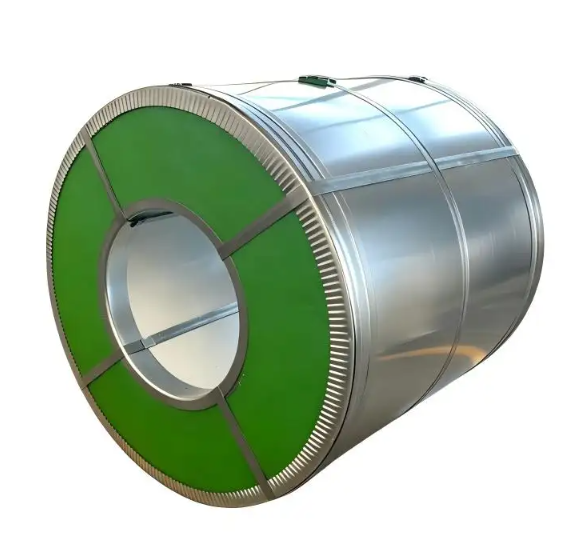
Learn why premium finish galvalume steel coil delivers better paint adhesion and visual consistency in finished building products. Request specs today.
2026/09/10
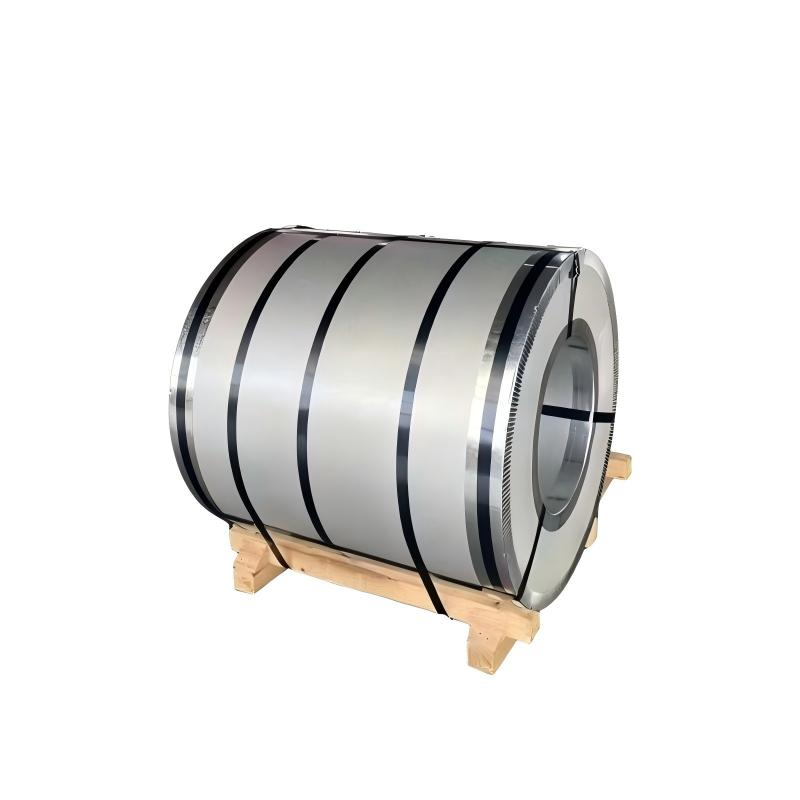
Learn why heavy coating galvalume steel coil provides superior corrosion resistance in harsh coastal settings and saves long-term maintenance costs.
2026/09/10
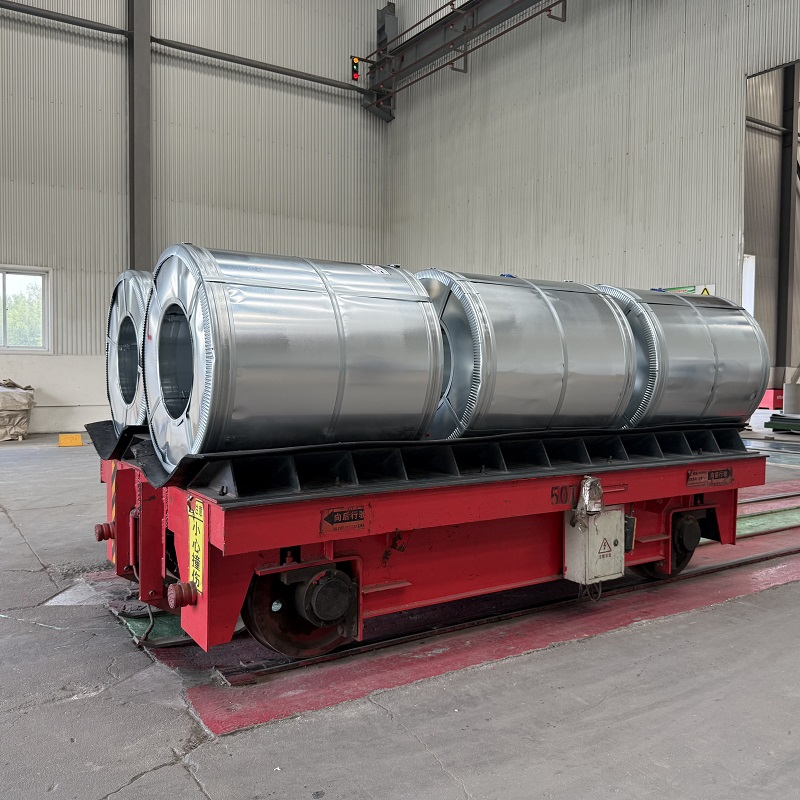
Learn how to test the bending performance of formable galvalume steel coil samples using T-bend testing to prevent cracking and scrap.
2026/09/10
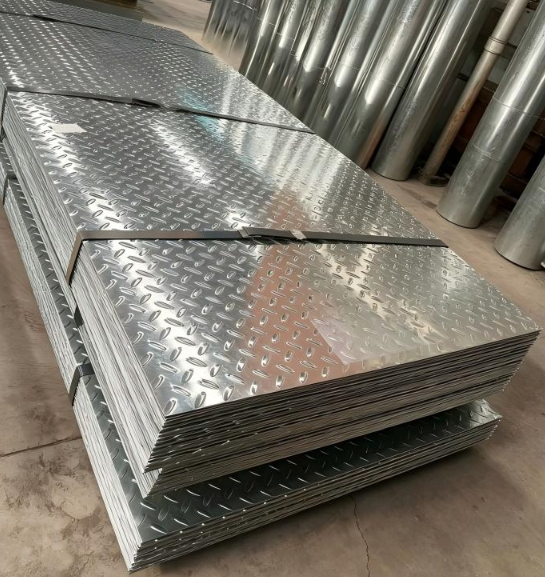
Discover how multi specification galvalume steel coil simplifies purchasing, boosts productivity, and lowers costs for metal fabricators.
2026/09/10
Discover why hot dipped galvanized steel and hot dip galvanized checkered plate offer ideal corrosion resistance and strength for road guardrails.
Covering green transformation, product comparison, selection guide, and industry empowerment, helping you fully grasp the dynamics of the color steel industry.

Global climate action and Belt and Road cooperation are driving the color steel industry’s shift toward green, sustainable development.
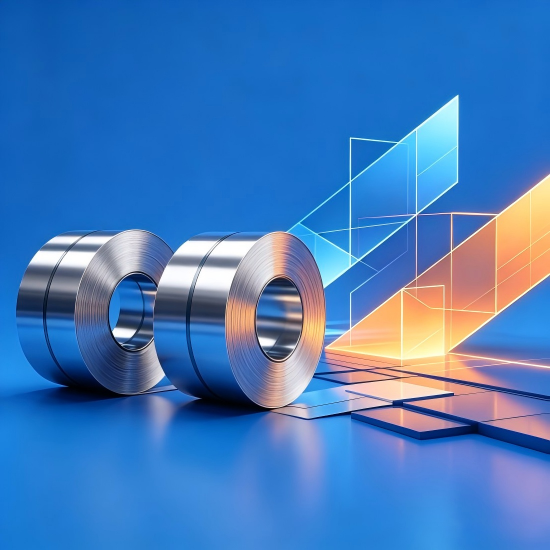
Comparing PPGI and PPGL across performance, durability, and applications to help you select the optimal coated steel for your project.
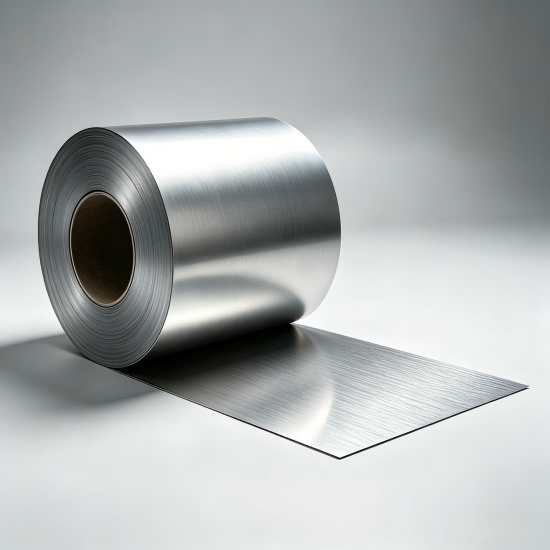
A practical guide to selecting and applying color steel coils, ensuring optimal performance, durability, and cost-effectiveness for your projects.
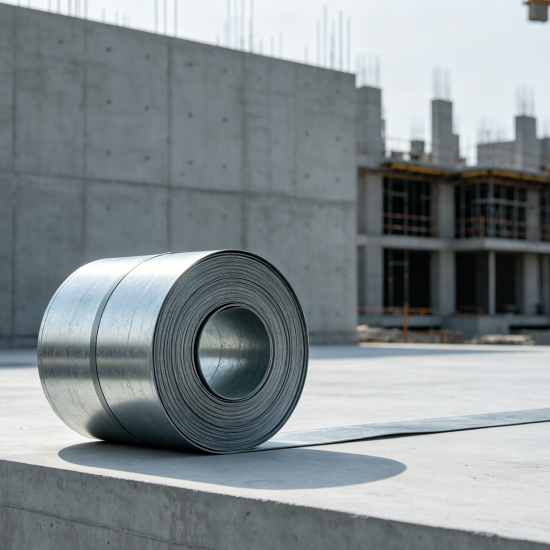
Industry forum drives digital and green transformation, empowering steel sector development through innovation and collaboration.