EN
EN

Is PPGI Suitable for Temporary Agricultural Warehouse Roofing
Planning the roofing for a temporary agricultural storage structure and wondering whether PPGI is the right material choice? PPGI, or pre-painted galvanized iron, is widely used for farm buildings—but whether it holds up well in your specific warehouse comes down to how you specify it.
The short answer is yes: PPGI is a practical and widely used roofing material for temporary agricultural warehouses. The longer answer depends on which PPGI specification you choose and how it accounts for conditions inside a working farm environment.
What Makes PPGI a Practical Roofing Material for Agricultural Warehouses
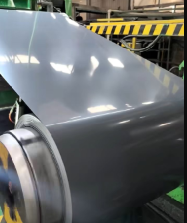
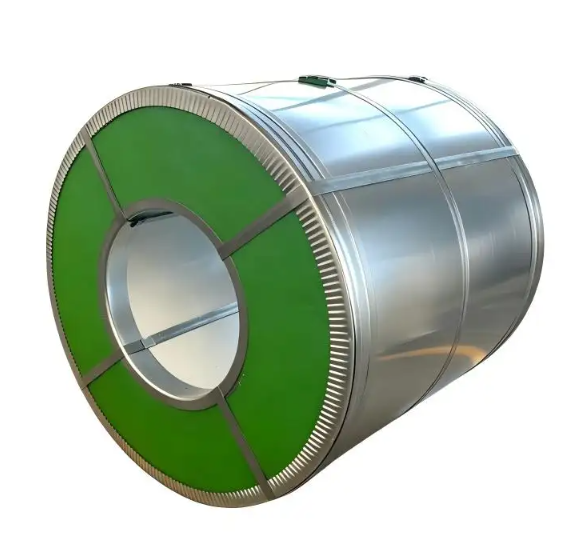
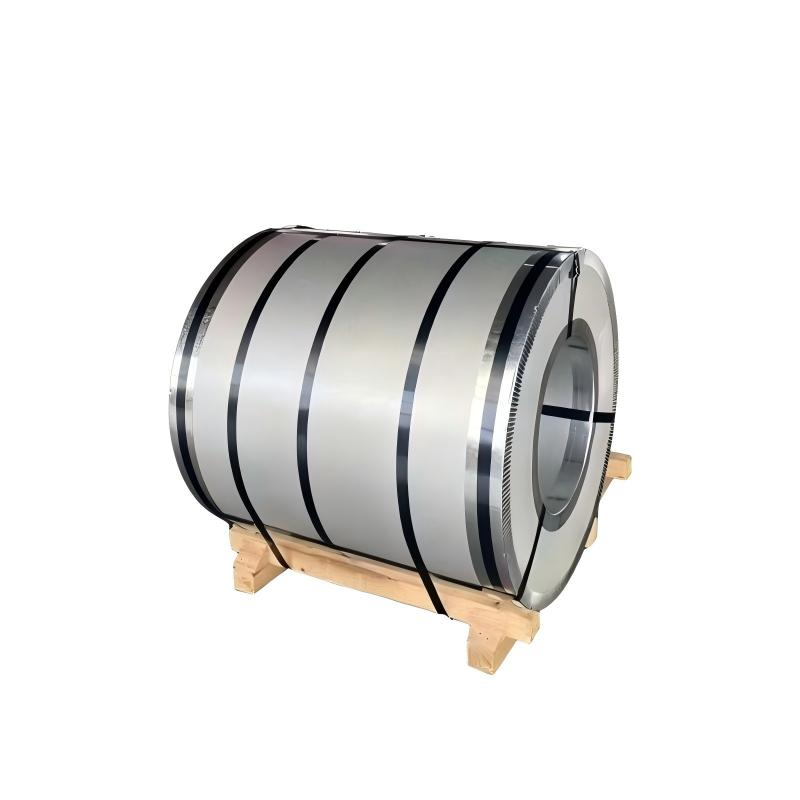
PPGI is produced by applying an organic paint layer over a hot-dip zinc-coated steel base, which gives the finished sheet its dual protection: corrosion resistance from the zinc underlayer and UV stability from the paint surface. For temporary agricultural warehouses—grain stores, equipment shelters, crop drying sheds, and seasonal cold storage structures—PPGI offers a number of practical benefits:
- Lightweight profile: Standard PPGI roofing sheets at 0.3–0.6 mm thickness add minimal dead load to temporary steel frame structures, which are often designed for lower load-bearing capacity than permanent buildings.
- Cost-effective coverage: Compared to heavier cladding systems or engineered panels, PPGI corrugated sheets deliver cost efficiency per square meter—a key factor when a temporary structure has a defined service life of five to fifteen years.
- Fast installation: Corrugated or trapezoidal PPGI profiles fit over purlins with overlapping sheet fixing that a small crew can complete quickly within seasonal construction windows.
- Heat reflectivity: The painted surface of PPGI reduces heat absorption compared to bare galvanized sheets, which can matter for crop and seed storage where internal temperature management is a consideration.
The Agricultural Environment Question: How Farm Conditions Affect PPGI Performance
Where PPGI roofing for agricultural warehouses diverges from standard industrial applications is in the operating environment. Farm buildings routinely expose roofing materials to conditions that accelerate corrosion in ways that general building specifications do not account for:
- Fertilizer fume exposure: Warehouses storing ammonium nitrate, urea, or liquid fertilizers generate ammonia-rich vapor that is chemically aggressive to PPGI zinc coatings at cut edges, overlap zones, and fastener holes.
- Moisture cycling: Agricultural structures often have high internal humidity from stored grain respiration, livestock, or irrigation equipment—creating condensation cycles on PPGI substrates that repeat daily across planting and harvest seasons.
- Organic acid exposure: In livestock farm applications, PPGI roofing sheets above animal housing are exposed to hydrogen sulfide and organic acids at levels that exceed the corrosion exposure categories used for standard building design.
Provided the PPGI zinc coating weight is selected to match these conditions—rather than defaulting to the lowest available grade—PPGI roofing performs reliably in most agricultural storage environments across a ten to twenty year service window. The issue is not whether PPGI is suitable, but whether the buyer specifies the correct PPGI coating weight for the actual site conditions.
One common mistake is specifying standard PPGI with a Z80 or Z100 zinc coating weight for a fertilizer-adjacent agricultural warehouse, only to find surface rust or paint delamination emerging within the first two to three rainy seasons. In high-humidity or chemically aggressive farm environments, Z180 or Z275 coating weights on PPGI provide noticeably better protection—particularly at slit edges, overlap joints, and fastener penetrations where the zinc layer is most exposed.
Choosing the Right PPGI Specification for Temporary Structures
While PPGI meets ASTM A755 or equivalent standards for painted galvanized sheet, standard compliance alone is not a guarantee of application suitability for agricultural environments. A PPGI product that meets the standard is not automatically suited for aggressive farm conditions—chemical resistance to fertilizer fumes and agricultural humidity must be evaluated separately from structural compliance. Procurement teams who treat a compliant PPGI product as automatically fit for purpose sometimes find themselves revisiting the material selection after the first major weather season.
For temporary agricultural warehouse roofing, the PPGI specification decision typically comes down to three variables:
- Zinc coating weight: Z120 minimum for general agricultural storage in temperate climates; Z180–Z275 for PPGI used where fertilizer storage, high humidity, or coastal salt exposure is a factor.
- Base metal thickness: 0.4–0.5 mm PPGI is typical for standard purlin-supported agricultural roofing; 0.5–0.6 mm where snow load or rooftop wind uplift is a design consideration.
- Paint system: Standard polyester (PE) PPGI works for most farm structures; silicon-modified polyester (SMP) or PVDF is worth considering for structures in high UV exposure regions or where aggressive chemical fumes may interact with the PPGI coating surface.
The pricing difference between a Z100 polyester PPGI sheet and a Z180 SMP PPGI sheet is typically within a 10–15% range per metric ton. Choosing the correct PPGI specification at the outset avoids early maintenance costs and the disruption of re-roofing a working agricultural facility mid-season.
PPGI PUF Panels: An Option for Temperature-Sensitive Agricultural Storage
For agricultural warehouses where temperature control is a priority—seed storage, cold chain produce facilities, or pharmaceutical-grade agrochemical warehouses—a PPGI PUF panel system offers an insulated alternative to single-skin PPGI corrugated sheets. A PPGI PUF panel sandwiches a rigid polyurethane foam core between two PPGI steel facings, providing both the structural envelope function and a thermal barrier in a single component.
PPGI PUF panels are heavier and more expensive per square meter than standard corrugated PPGI roofing, but they eliminate the need for a separate insulation layer—a trade-off that makes them competitive on a lifecycle-adjusted basis when temperature management is a genuine operational requirement.
How PPGI Compares to Other Roofing Options for Temporary Agricultural Warehouses
Still weighing PPGI against other materials? For most temporary agricultural warehouse projects, the practical comparison set is:
- Bare galvanized metal corrugated roofing sheets (GI): Lower upfront cost than PPGI, but no paint layer for UV or chemical protection. Service life in humid agricultural environments is typically shorter than PPGI at equivalent zinc coating weights, and bare GI sheets offer no reflectivity benefit for temperature management.
- Galvalume (PPGL) coated sheets: The aluminum-zinc alloy coating on PPGL provides better heat reflectivity and cut-edge corrosion resistance than standard GI, but the base cost is higher than PPGI and the material has known sensitivity to ammonia-rich atmospheres—a relevant consideration in fertilizer-adjacent storage applications.
- Polycarbonate or fiber cement sheeting: Used for daylighting or specialty applications, but not generally cost-competitive with PPGI as a primary roofing material for large agricultural structures.
While galvanized metal corrugated roofing sheets remain a lower-cost first option, the combination of paint durability, corrosion protection, and heat reflectivity that PPGI provides typically makes it the stronger choice for agricultural buildings where a defined service life and manageable maintenance cost are both priorities.
Key Steps Before Ordering PPGI for Agricultural Warehouse Roofing
For procurement teams sourcing PPGI for temporary agricultural warehouse roofing, these steps help avoid specification errors:
- Confirm the corrosion category of the site environment (C2–C4 by ISO 9223) before specifying PPGI zinc coating weight; agricultural environments frequently fall in C3 or C4 rather than the C2 assumed for standard building applications.
- Request mill test reports that document PPGI coating weight by actual measurement, not just nominal grade—coil-to-coil variance within a grade can affect field performance at the lower end of the tolerance band.
- Specify the PPGI color and paint system in writing, including ΔE tolerance, to ensure color batch consistency across multiple container deliveries if the project spans more than one shipment.
- Confirm custom slit widths against roll-forming machine requirements before placing a PPGI order; cutting standard-width PPGI on site creates unprotected slit edges that accelerate corrosion in humid farm environments.
Yuanhe Steel provides technical product selection guidance to buyers specifying PPGI for agricultural and industrial applications, including coating weight recommendations and paint system selection matched to actual site conditions. Pre-shipment quality inspection coordination through SGS or equivalent third-party inspectors is available for PPGI orders where coating weight and color verification is required before goods leave the production facility.
Is PPGI the Right Choice for Your Agricultural Warehouse Roof?
PPGI is a well-matched material for temporary agricultural warehouse roofing when the specification is set correctly for the operating environment. Its combination of corrosion protection, paint durability, and cost efficiency makes PPGI a practical choice for most agricultural storage projects.
The decision narrows quickly once the site's corrosion category and structural requirements are clearly defined. Buyers who treat PPGI specification as a technical decision with clear performance criteria consistently achieve the expected service life—while those who default to the lowest available PPGI grade occasionally encounter premature degradation in the demanding conditions of a working farm environment.