EN
EN

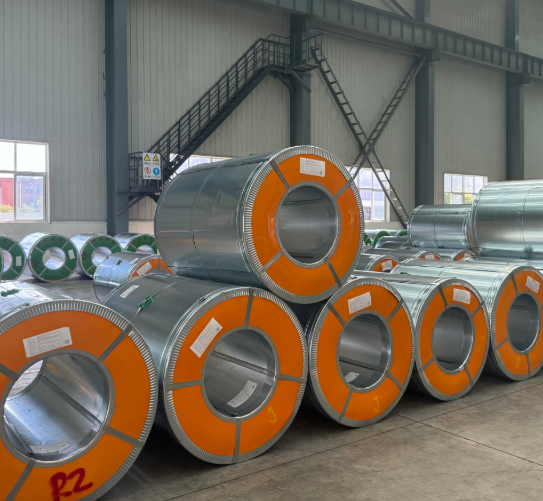
Inspection Standards for Surface Flaws of Bulk PPGI Stock
When procurement teams finalize a large-volume purchase of ppgi coils—whether a single full-container-load or a multi-container blanket order—the assumption that mill production consistency guarantees surface quality at the point of delivery is an assumption that regularly fails. Having reviewed incoming ppgi coil stock across many shipments, I can say that surface flaw detection on bulk orders demands a systematic approach, not a random eyeball check at the warehouse door.
The criteria and testing methods below are aimed at procurement engineers and quality managers who need a structured approach to surface condition evaluation—whether for a one-time spot purchase of bulk ppgi coil or a replenishment order under a long-term supply agreement.
Why Surface Inspection on Bulk PPGI Stock Deserves Its Own Protocol
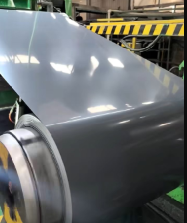
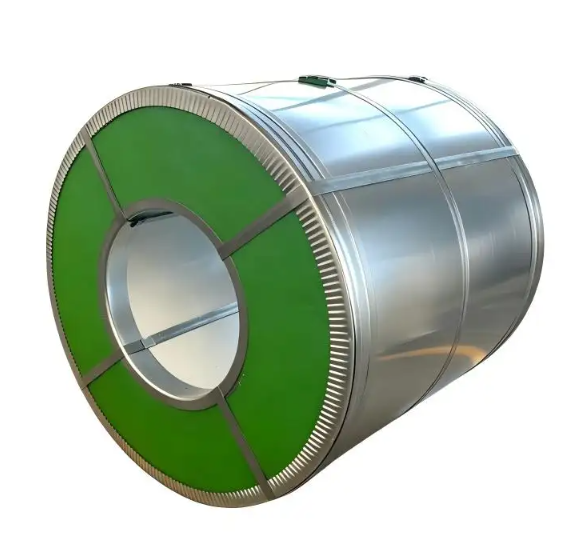
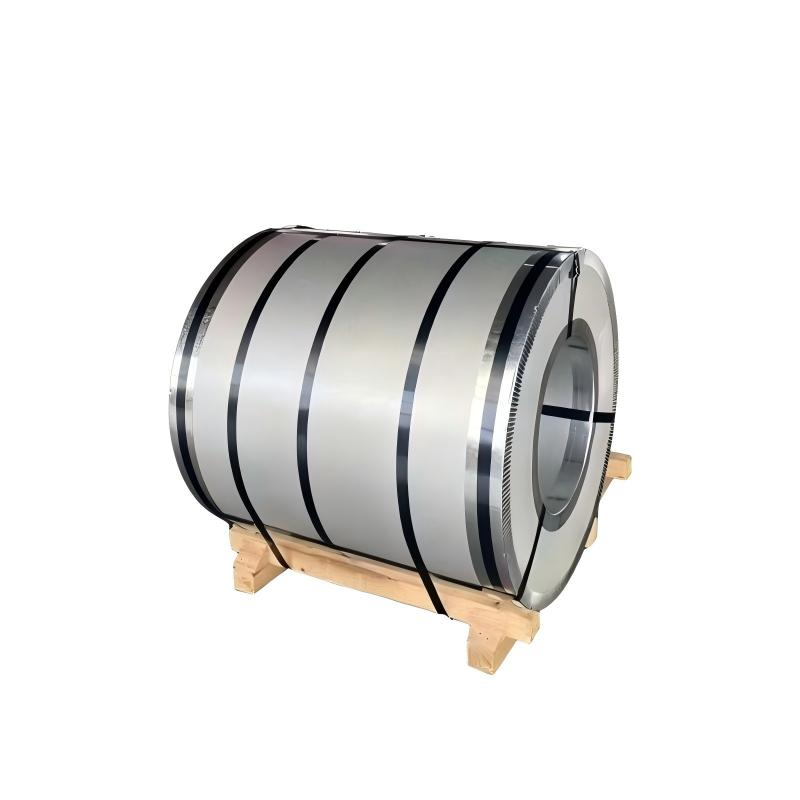
Pre-painted galvanized iron—ppgi—is a composite product: a hot-dip zinc-coated steel substrate with a primer coat and a color topcoat applied during the coil coating process. Surface flaws on ppgi can originate at any layer: in the base steel, in the zinc coating, in the primer application, or in the final color coat. When buyers source large stock prepainted galvanized steel coil in volume, a single defective ppgi coil in a 20-tonne shipment is a manageable nuisance; defective coils distributed across 200 tonnes of bulk order ppgi steel coil become a significant commercial and production problem downstream.
Standard mill certificates—produced under EN 10204 Type 3.1 or 3.2—confirm that ppgi coils were inspected during production, but they do not constitute an acceptance inspection on delivery. Post-production handling, transit stacking, humidity exposure, and coil rewinding at service centers all introduce surface risks that ppgi mill test reports cannot cover.
Common Surface Flaw Types in PPGI
Surface flaws on ppgi coils are most usefully grouped into three categories, reflecting the layer of the coil structure where each type originates:
Paint and Coating Film Defects
- Scratches and abrasion marks: Linear damage to the ppgi color coat, often from coil-to-coil contact or improper handling with metal slings. Scratch depth determines whether the underlying zinc layer is compromised.
- Cratering and pinholes: Small circular depressions or perforations in the ppgi paint film, typically caused by contamination during the coating process. Even minor pinholes expose the zinc layer to moisture.
- Delamination and peeling: Paint adhesion failure visible as lifting edges or blistered zones on the ppgi surface. This reflects a bonding defect rather than mechanical damage.
- Color non-uniformity (ΔE deviation): Visible color variation within a ppgi coil or between coils in the same order. For construction applications requiring visual consistency across batches, ΔE tolerance is typically specified as ΔE ≤ 1.5 or ΔE ≤ 2.0.
Zinc Coating and Substrate Defects
- White rust: A powdery white deposit on the ppgi surface caused by moisture reacting with the zinc layer during transit or storage. White rust on ppgi indicates zinc sacrifice is already occurring and signals improper packaging or storage conditions.
- Red rust: Visible reddish corrosion on the ppgi coil surface indicates the zinc layer has been fully consumed. Any red rust visible on a ppgi coil is typically a rejection criterion in a properly specified purchase contract.
- Edge rust: Corrosion at the slit edges of ppgi coils, particularly on recut or slit coils without edge protection. Edge rust can spread laterally if ppgi coils are stored in humid environments.
Dimensional and Flatness Defects
- Coil set and wave edge: Permanent curvature or edge waviness introduced during winding under incorrect tension. Coil set affects downstream roll-forming of ppgi sheets.
- Coating weight non-uniformity: Variation in zinc coating weight (g/m²) across ppgi coil width or length. This is a measurement defect rather than a visible surface flaw, but it directly impacts the ppgi corrosion resistance claims made in mill documentation.
Applicable Standards for PPGI Surface Inspection
Buyers sourcing large stock prepainted galvanized steel coil should specify the applicable standard in purchase contracts. The most commonly referenced for ppgi include:
- ASTM A755 / A924: US standards covering metallic-coated and pre-painted steel sheet. ASTM A924 provides general requirements for metallic-coated ppgi base materials, including surface finish tolerances and sampling requirements.
- EN 10346 / EN 10169: European standards for continuously hot-dip coated and continuously organic-coated flat steel products, specifying ppgi surface quality classes and defect limits for the organic topcoat.
- GB/T 12754: The Chinese national standard for color-coated steel sheets and strips. Most ppgi produced at Chinese mills is certified against GB/T 12754. When placing a bulk order ppgi steel coil from a Chinese trading company, buyers should confirm whether GB/T 12754-2006 or a subsequent revision applies.
- EN 10204 Inspection Certificate: Specifies certificate types (2.1, 2.2, 3.1, 3.2) for ppgi shipments. A 3.1 or 3.2 certificate provides stronger production traceability. Type 3.2 involves an independent third party and is preferable for high-value ppgi bulk orders.
Inspection Methods: Visual, Instrumental, and Third-Party
Provided that ppgi coil volumes exceed a threshold where 100% inspection is impractical—which is typically the case with large stock—sampling plans aligned with ISO 2859-1 (AQL sampling) are the accepted approach. For bulk ppgi orders, an AQL of 1.0 to 2.5 for critical surface defects and 4.0 for minor cosmetic issues is a reasonable starting point. Contract-specific AQL values should be agreed in advance.
Visual Inspection of PPGI Surface
Visual inspection of ppgi surfaces must be conducted under consistent lighting—ideally diffused artificial light at 1000 lux or above—with the inspector positioned 600 mm to 1000 mm from the surface. For sampled ppgi coils, inspectors should examine both the outer wrap and, where coils are partially unwound, the inner layers for evidence of moisture ingress during transit.
Coating Thickness and Adhesion Testing
- Dry film thickness (DFT): Measured using a magnetic induction gauge on ppgi coil surfaces. Deviation thresholds vary by standard, but a ±10% tolerance from the specified nominal ppgi coating thickness is commonly applied.
- Pencil hardness test (EN ISO 15184): Determines the minimum hardness grade that does not cause ppgi film damage. PPGI topcoats for general construction applications are typically specified at H or 2H.
- Cross-cut adhesion test (EN ISO 2409): Evaluates ppgi paint adhesion by scribing a grid and applying adhesive tape. Grade 0 (no coating detachment) is the target result for quality ppgi stock.
Third-Party Pre-Shipment Inspection
For high-volume ppgi procurement, engaging a third-party inspection body—SGS, Bureau Veritas, or equivalent—to conduct pre-shipment ppgi surface inspection at the mill or port warehouse eliminates the risk of discovering ppgi surface flaws after weeks of ocean transit. A written report documenting sampling methodology, ppgi defect classification, measurement data, and photographic evidence provides an objective basis for ppgi acceptance or rejection before goods leave origin. This investment is particularly justified when ordering large stock prepainted galvanized steel coil in non-standard colors, where replacing defective ppgi from spot stock is not feasible.
Acceptance and Rejection Thresholds for Bulk PPGI
Clear pass/fail thresholds should be specified in the ppgi purchase contract, not left to field interpretation. For reference, here is how acceptance thresholds might look in a purchase specification for bulk ppgi stock:
- Reject outright: Red rust on any ppgi coil surface or edge; visible delamination covering more than 0.5% of the ppgi coil face area; ppgi color ΔE deviation exceeding the agreed tolerance; ppgi adhesion rated below Grade 2 per EN ISO 2409.
- Conditional acceptance: Minor ppgi surface scratches that do not penetrate the primer layer; isolated white rust spots covering less than 1% of surface area (provided no corresponding zinc coating weight deficit); minor edge waviness within flatness tolerance.
- Accept with notation: Cosmetic color variation at ppgi coil ends within standard 500 mm trim length; minor ppgi coil marking from transit banding.
Having a written, pre-agreed ppgi acceptance standard—rather than relying on the supplier's interpretation of what constitutes "minor" or "normal"—is the single most effective step a procurement team can take to reduce dispute resolution time when surface quality shortfalls are found in bulk ppgi stock on arrival.
Key Takeaways
Surface inspection for bulk ppgi stock is not a single-step visual check. It requires a defined ppgi flaw classification framework, reference to the applicable product standard (ASTM, EN, or GB), a sampling plan scaled to ppgi order volume, and agreed acceptance/rejection thresholds. For buyers managing large-scale procurement of bulk order ppgi steel coil, investing in pre-shipment third-party inspection is typically the most cost-effective way to enforce ppgi surface quality standards before goods are loaded—rather than discovering coil surface issues after delivery when remediation options are limited.