EN
EN

How to customize length size of precision cut GI coil finished sheets
2026/09/11
Learn how to specify precision cut GI coil sheets in custom lengths — tolerance selection, coating integrity, and ordering tips.
2026/08/05
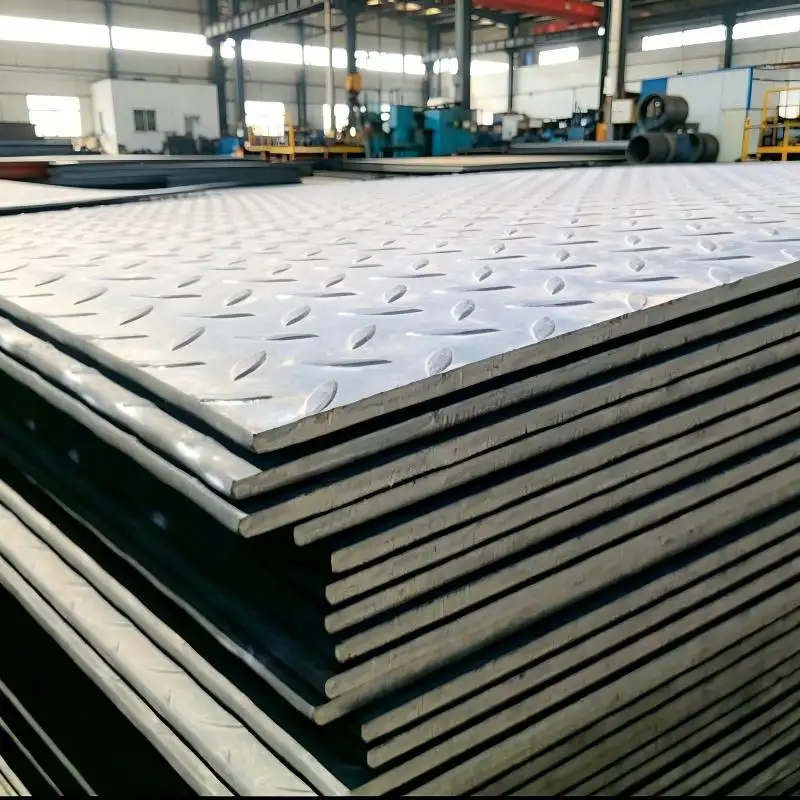
Flatness quality determines whether prepainted galvanized steel coil sheets perform reliably in downstream processing and final installation. Poor flatness in a precision cut PPGI steel coil causes waviness, edge waviness, center buckles, and cross-bows that compromise roll forming accuracy, welding precision, and the visual appearance of finished panels. Over five years of quality inspection experience with international steel coil orders, flatness defects have been observed to account for nearly 30 percent of all customer rejections. Understanding how to verify flatness quality of a stable surface PPGI steel coil is essential for buyers, project engineers, and quality inspectors who need to ensure that incoming materials meet both processing and aesthetic requirements. This guide provides a systematic approach to flatness verification, covering measurement standards, inspection tools, common defect types, and acceptance criteria while highlighting top-grade PPGI steel coil options.
The flatness of a precision cut PPGI steel coil is governed by several international standards. ASTM A568 defines general flatness tolerances for flat-rolled steel, specifying maximum allowable deviations based on sheet thickness and width. For a stable surface PPGI steel coil with thickness between 0.30 mm and 0.70 mm and width up to 1,200 mm, the standard flatness tolerance is 6 millimeters per meter of length. The Japanese standard JIS G3142 applies similar tolerances but adds specific requirements for prepainted surfaces, mandating that the paint film must not crack or peel during flatness measurement.
The European standard EN 10143 provides the most detailed flatness classification system, categorizing any standard PPGI steel coil into three flatness classes: normal, improved, and special. For a precision cut PPGI steel coil used in appliance manufacturing or architectural cladding, buyers should specify the special flatness class to ensure the stable surface PPGI steel coil meets demanding visual and processing standards.
Verifying flatness quality requires both simple tools and advanced measurement systems. For incoming inspection of a precision cut PPGI steel coil, the straightedge method remains the most practical on-site technique. A precision straightedge, typically 1 meter long and machined to within 0.05 mm flatness tolerance, is placed across the sheet surface. The inspector measures the maximum gap between the straightedge and the sheet surface using a feeler gauge.
For a stable surface PPGI steel coil, any gap exceeding the specified tolerance class indicates a flatness defect. For more precise measurement, laser flatness scanning systems capture a three-dimensional surface map of the PPGI steel coil sheet, identifying localized defects that a straightedge might miss. In a recent appliance factory audit, implementing laser scanning for every batch of precision cut PPGI steel coil reduced flatness-related forming defects by 62 percent within three months, proving the value of advanced verification tools.
Four primary flatness defects affect a precision cut PPGI steel coil: center buckle, edge wave, longitudinal bow, and transverse bow. Center buckle appears as a raised area along the centerline, caused by uneven rolling pressure or thermal stress during coating curing. Edge wave manifests as waviness along the edges, typically resulting from improper tension control during slitting or from coil set memory. Longitudinal bow creates a curve along the rolling direction, often caused by uneven cooling after the coating oven.
Transverse bow curves the sheet across its width, usually originating from work roll thermal expansion. Each defect type in a stable surface PPGI steel coil requires different correction approaches. Light center buckles and edge waves can be improved through roller leveling, while longitudinal and transverse bows may require temper rolling or re-annealing. Identifying these defects during inspection of a precision cut PPGI steel coil helps buyers determine whether the material can be salvaged through processing.
Establishing clear acceptance criteria for flatness quality protects buyers from accepting nonconforming material. For a stable surface PPGI steel coil in architectural applications, the recommended acceptance protocol includes inspecting 10 percent of sheets from each batch, sampling from the head, middle, and tail of the coil. Measure flatness at three positions per sheet: 200 mm from each edge and at the centerline. Record all measurements, calculate the average flatness deviation, and compare results against the specified tolerance class.
For a precision cut PPGI steel coil in appliance manufacturing, tighten the sampling to 15 percent of sheets and add a visual inspection for surface waviness under raked light. In a recent commercial building project, contractors implemented this exact inspection protocol for incoming PPGI steel coil batches, identifying and filtering out substandard materials before installation to avoid costly project delays.
Flatness quality ultimately depends on the manufacturer's equipment capability and process control. A precision cut PPGI steel coil requires modern rolling mills with automatic flatness control systems, tension levelers in the coating line, and proper slitting equipment with adjustable blade overlap. Manufacturers producing a stable surface PPGI steel coil should maintain strict temperature controls during coating curing to prevent thermal stress-induced flatness defects.
Shenyang Yuanhe Steel operates ISO-certified coating lines equipped with advanced tension leveling systems that maintain flatness within EN 10143 special class tolerances for every standard PPGI steel coil product. Their comprehensive three-tier quality control system includes inline flatness monitoring during production and outgoing verification before shipment. By partnering with Shenyang Yuanhe Steel, global clients gain access to superior manufacturing capabilities, ensuring that every precision cut PPGI steel coil and stable surface PPGI steel coil arrives at the project site with verifiable flatness quality documentation and exceptional brand reliability.
2026/09/11
Learn how to specify precision cut GI coil sheets in custom lengths — tolerance selection, coating integrity, and ordering tips.
2026/09/11
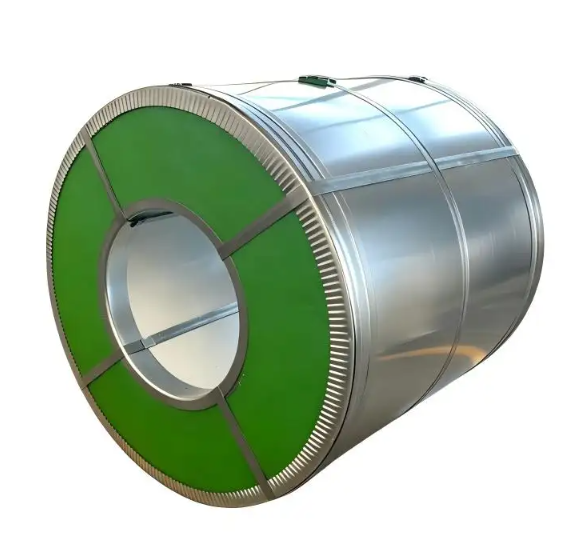
Learn why premium finish galvalume steel coil delivers better paint adhesion and visual consistency in finished building products. Request specs today.
2026/09/10
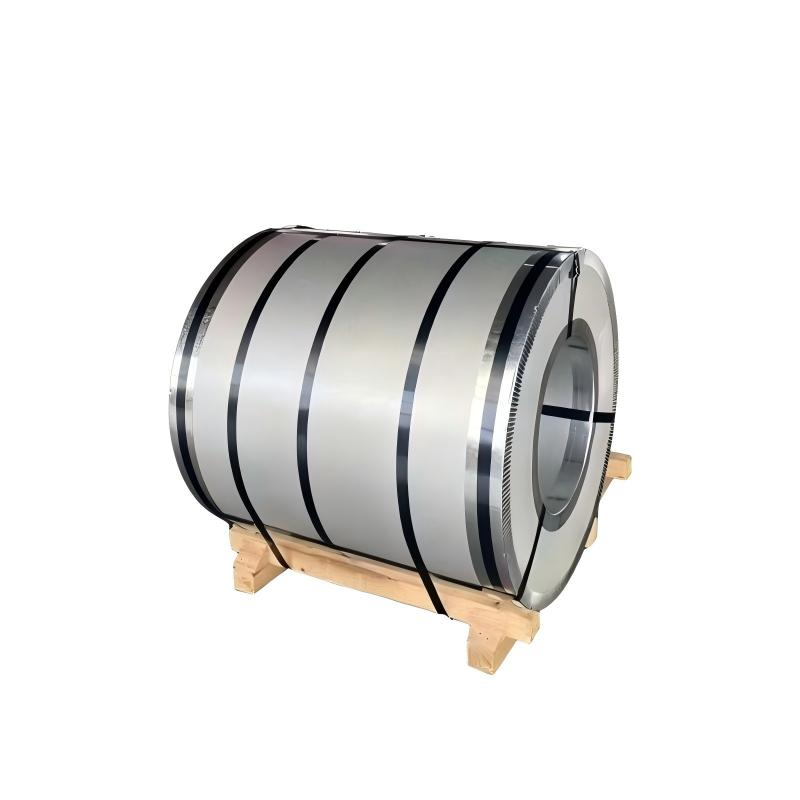
Learn why heavy coating galvalume steel coil provides superior corrosion resistance in harsh coastal settings and saves long-term maintenance costs.
2026/09/10
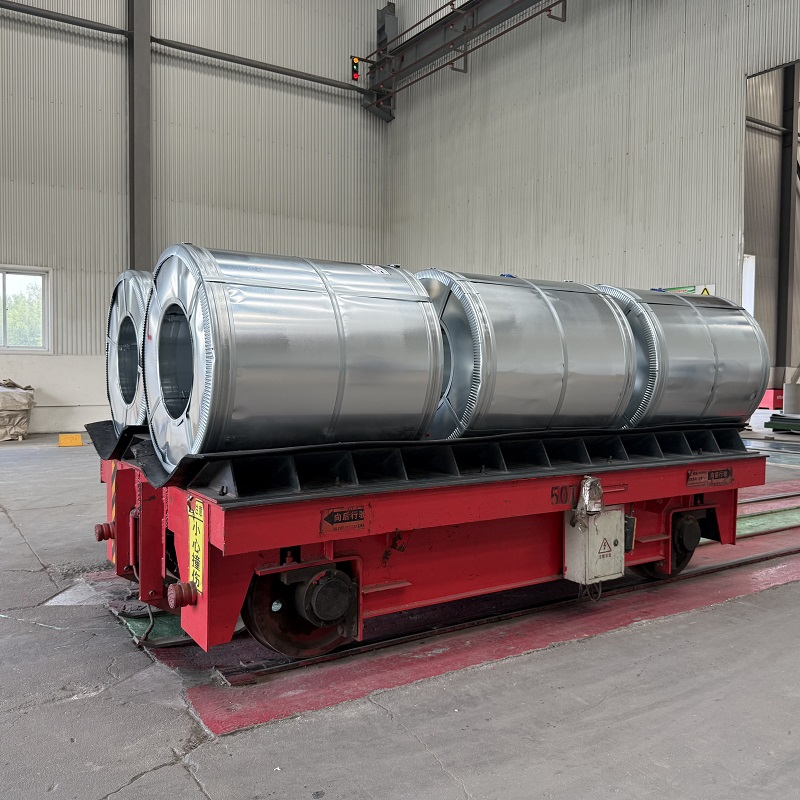
Learn how to test the bending performance of formable galvalume steel coil samples using T-bend testing to prevent cracking and scrap.
2026/09/10
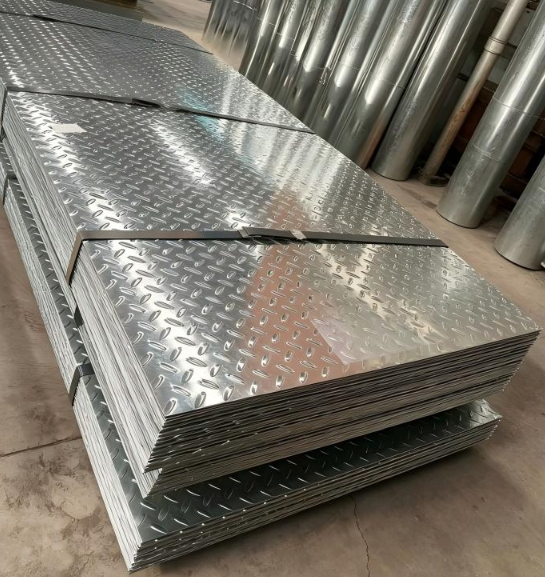
Discover how multi specification galvalume steel coil simplifies purchasing, boosts productivity, and lowers costs for metal fabricators.
2026/09/10
Discover why hot dipped galvanized steel and hot dip galvanized checkered plate offer ideal corrosion resistance and strength for road guardrails.
Covering green transformation, product comparison, selection guide, and industry empowerment, helping you fully grasp the dynamics of the color steel industry.

Global climate action and Belt and Road cooperation are driving the color steel industry’s shift toward green, sustainable development.

Comparing PPGI and PPGL across performance, durability, and applications to help you select the optimal coated steel for your project.
A practical guide to selecting and applying color steel coils, ensuring optimal performance, durability, and cost-effectiveness for your projects.
Industry forum drives digital and green transformation, empowering steel sector development through innovation and collaboration.