EN
EN

How to customize length size of precision cut GI coil finished sheets
2026/09/11
Learn how to specify precision cut GI coil sheets in custom lengths — tolerance selection, coating integrity, and ordering tips.
2026/08/10
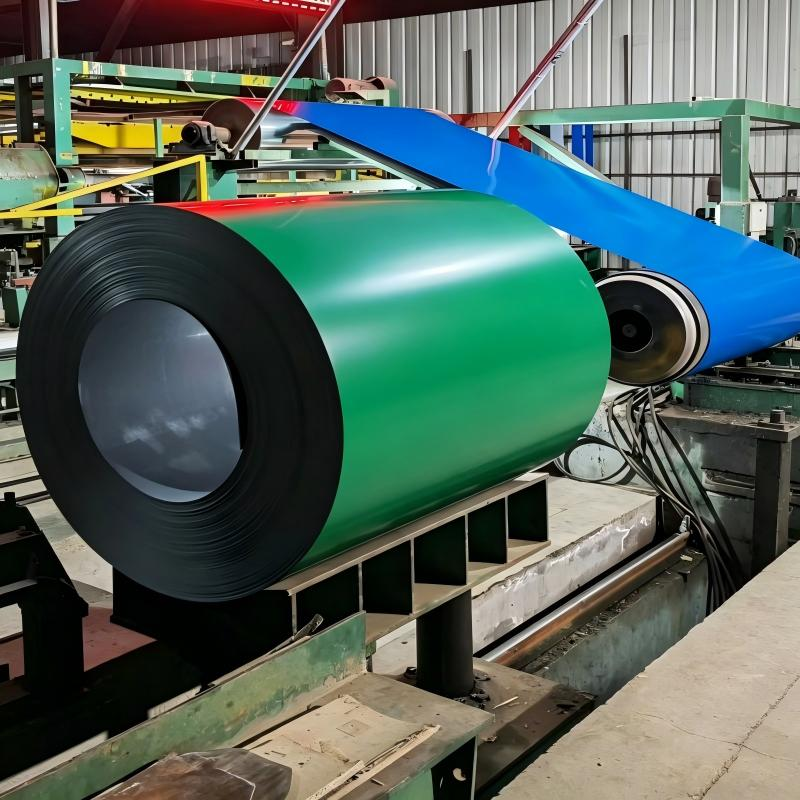
Weather resistance testing forms the backbone of quality assurance for prepainted galvanized steel coil products destined for outdoor applications. When a PPGI coil leaves the manufacturing line, its paint system must withstand years of ultraviolet radiation, temperature cycling, moisture exposure, and atmospheric pollutant attack. Without rigorous weather resistance test procedures, there is no reliable way to predict whether a prepainted galvanized steel coil will maintain its color, gloss, and protective properties over the intended service life. For any PPGI coil used in architectural roofing, wall cladding, and outdoor appliance enclosures, coating failure can lead to substrate corrosion, structural compromise, and costly replacement—making comprehensive coil quality testing essential for both manufacturers and buyers.
The prepainted galvanized steel coil industry relies on several standardized test methods that simulate outdoor weathering under accelerated conditions. These tests compress years of natural exposure into weeks or months of laboratory testing, providing predictive data that helps specifiers select the appropriate PPGI coil grade for each application environment. Understanding these test methods and their interpretation criteria enables buyers to evaluate supplier capabilities and verify that the prepainted galvanized steel coil they purchase will perform as expected in real-world conditions.
The UV accelerated weathering test, conducted per ASTM G154 or ISO 16474-3, represents the most widely used method for evaluating PPGI coil paint system durability. This test exposes prepainted galvanized steel coil samples to cycles of ultraviolet radiation and condensation, simulating the damaging effects of sunlight and moisture. Standard test conditions use UVA-340 lamps that reproduce the solar UV spectrum between 295 and 365 nanometers, with an irradiance level of 0.89 W/m2 at 340 nm. Each cycle typically consists of 8 hours of UV exposure at 60 degrees Celsius followed by 4 hours of condensation at 50 degrees Celsius.
After 1,000 to 2,000 hours of accelerated UV salt spray test protocols, PPGI coil samples are evaluated for color change (measured by Delta E values), gloss retention (measured against initial gloss readings), and paint film integrity. For architectural-grade prepainted galvanized steel coil, acceptable performance criteria typically include Delta E below 3.0 and gloss retention above 50 percent after 1,500 hours of UV exposure. Premium PPGI coil products with fluorocarbon (PVDF) coatings can achieve Delta E below 1.5 and gloss retention above 80 percent under the same conditions, demonstrating their superior weathering performance for long-life architectural applications.
Salt spray testing per ASTM B117 provides critical data on the corrosion resistance of prepainted galvanized steel coil coatings in aggressive environments. The test exposes PPGI coil samples to a continuous neutral salt fog environment—5 percent sodium chloride solution at 35 degrees Celsius—creating conditions that accelerate the electrochemical corrosion process. For standard polyester-coated PPGI coil, the minimum acceptable salt spray resistance is typically 500 hours before red rust appears at the scribed cross-cut area. Prepainted galvanized steel coil with silicon-modified polyester (SMP) coatings generally achieves 750 to 1,000 hours, while PVDF-coated PPGI coil can exceed 1,500 hours.
The cross-cut scribe test is particularly important for evaluating PPGI coil performance, as it simulates coating damage that may occur during installation. After the specified test duration, inspectors measure the width of coating delamination extending from the scribe line. For prepainted galvanized steel coil meeting architectural standards, maximum creep from the scribe should not exceed 3 millimeters after 1,000 hours of salt spray exposure. This data helps buyers understand how the PPGI coil will perform at cut edges and scratch points where the protective coating has been compromised.
| Test Method | Standard | Duration | Key Metrics | Pass Criteria for PPGI Coil |
| UV Accelerated Weathering | ASTM G154 | 1,000-2,000 hrs | Delta E, Gloss Retention | Delta E < 3.0, Gloss > 50% |
| Neutral Salt Spray | ASTM B117 | 500-1,500 hrs | Red rust, Creep from scribe | No rust at 500 hrs, Creep < 3mm |
| Humidity Resistance | ASTM D2247 | 1,000 hrs | Blistering, Adhesion loss | No blisters, Adhesion pass |
| QUV-B Weathering | ISO 16474-3 | 1,500 hrs | Color change, Chalking | Delta E < 5.0, Chalk < 5 |
| Natural Weathering | ASTM G7 | 12-36 months | Full property assessment | Real-world validation |
A sports facility construction project required a high-grade PPGI coil for a large-span stadium roof in a subtropical coastal city. The specification called for prepainted galvanized steel coil with a 25-year color retention guarantee and a minimum 15-year corrosion resistance warranty. Three suppliers submitted PPGI coil samples for a thorough weather resistance test, each claiming architectural-grade performance. The testing protocol included 2,000 hours of UV accelerated weathering per ASTM G154 and 1,500 hours of neutral salt spray per ASTM B117.
Test results revealed significant performance differences among the three PPGI coil samples. Supplier A's prepainted galvanized steel coil showed a Delta E of 2.1 and 68 percent gloss retention after UV testing, with no red rust after 1,200 hours of salt spray. Supplier B's PPGI coil exhibited a Delta E of 4.8—exceeding the acceptable limit—with visible chalking and 35 percent gloss loss, plus red rust appearing at 650 hours of salt spray. Supplier C's prepainted galvanized steel coil achieved the best results: Delta E of 1.4, 82 percent gloss retention, and no red rust through the full 1,500-hour salt spray test. Based on these objective coil quality testing results, the project selected Supplier C's PPGI coil, demonstrating how standardized testing enables data-driven material selection for critical outdoor applications.
Interpreting weather resistance test results for prepainted galvanized steel coil requires understanding the relationship between laboratory data and real-world performance. A common mistake is treating single test results as absolute predictors of service life. Instead, PPGI coil evaluation should consider multiple test methods together, as each test addresses different degradation mechanisms. UV testing predicts color and gloss durability, salt spray indicates corrosion protection, and humidity testing reveals coating adhesion stability under moisture cycling.
For buyers specifying PPGI coil for outdoor applications, establishing clear acceptance criteria before placing orders is essential. Minimum requirements should include: UV test results meeting Delta E below 3.0 after 1,000 hours, salt spray resistance of at least 500 hours without red rust, and humidity resistance showing no blistering after 1,000 hours. Additionally, buyers should request complete test reports from accredited laboratories, including test conditions, equipment calibration data, and photographic documentation of sample conditions before and after testing. This documentation provides the foundation for quality disputes resolution and ensures that the prepainted galvanized steel coil delivered matches the performance promised.
Manufacturers with robust quality systems, such as Shenyang Yuanhe (learn more at
Standard UV accelerated weathering tests for PPGI coil typically run 1,000 to 2,000 hours, which translates to approximately 6 to 12 weeks of continuous testing. This compressed timeframe simulates 5 to 15 years of natural outdoor exposure, depending on the test intensity and correlation model used.
Salt spray testing evaluates the corrosion resistance of the prepainted galvanized steel coil coating system, measuring how well it prevents rust formation. UV testing assesses the coating's resistance to sunlight degradation, measuring color change, gloss loss, and chalking. Both tests are necessary for complete PPGI coil weather resistance evaluation.
Natural weathering provides the most accurate real-world data but requires 12 to 36 months of exposure, making it impractical for project timelines. Accelerated tests offer faster results with reasonable predictive accuracy. Best practice combines accelerated testing for initialqualification with ongoing natural weathering for long-term validation of PPGI coil products.
2026/09/11
Learn how to specify precision cut GI coil sheets in custom lengths — tolerance selection, coating integrity, and ordering tips.
2026/09/11
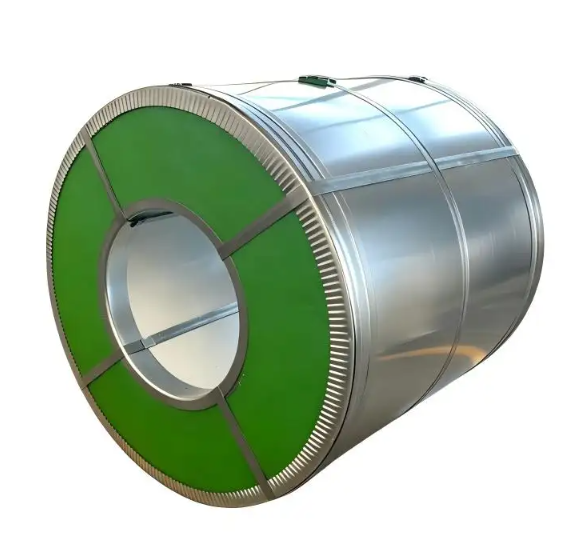
Learn why premium finish galvalume steel coil delivers better paint adhesion and visual consistency in finished building products. Request specs today.
2026/09/10
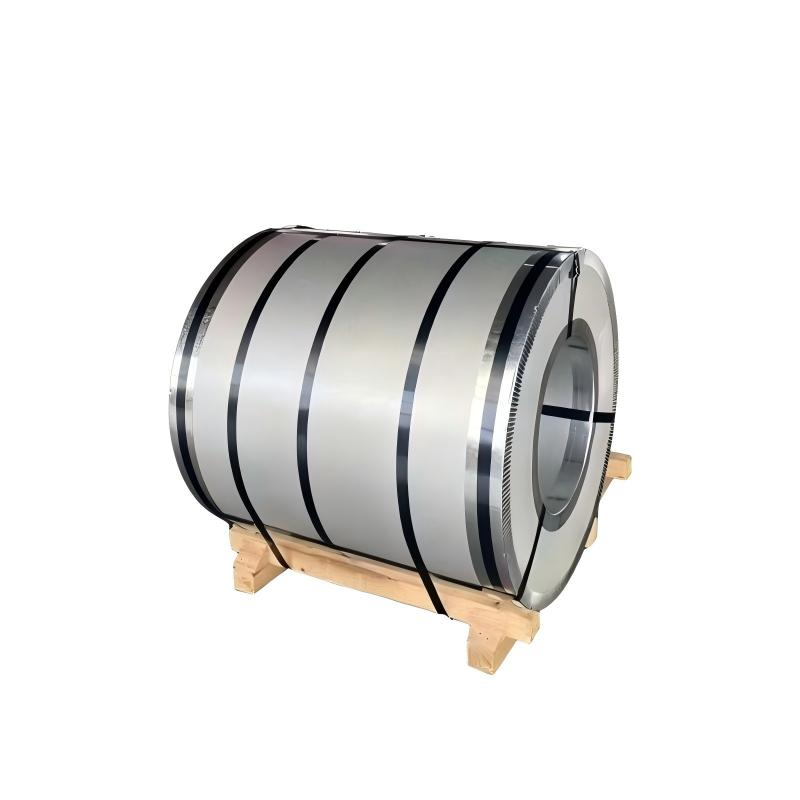
Learn why heavy coating galvalume steel coil provides superior corrosion resistance in harsh coastal settings and saves long-term maintenance costs.
2026/09/10
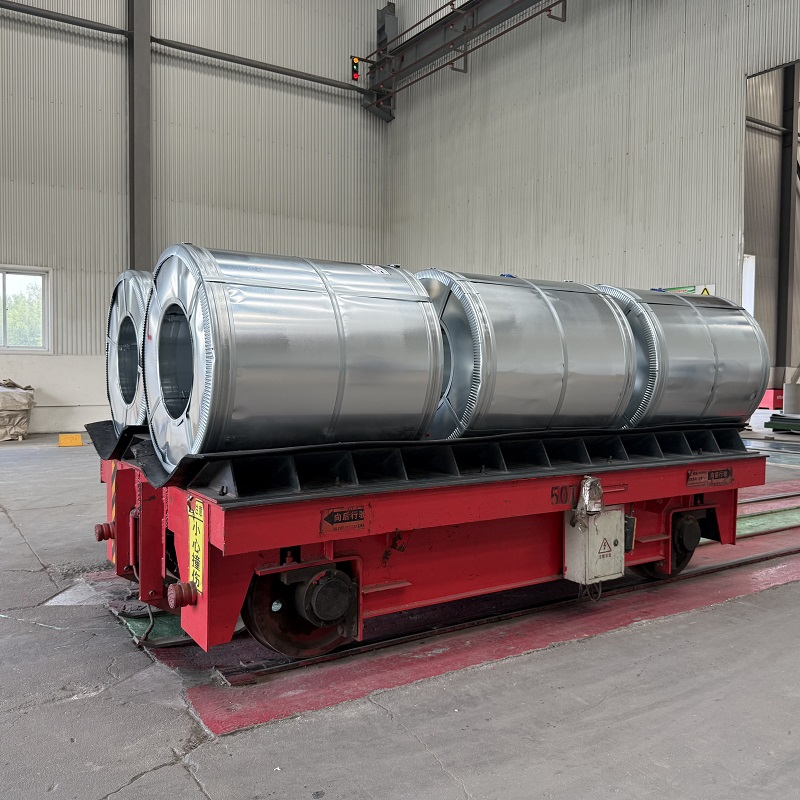
Learn how to test the bending performance of formable galvalume steel coil samples using T-bend testing to prevent cracking and scrap.
2026/09/10
Discover how multi specification galvalume steel coil simplifies purchasing, boosts productivity, and lowers costs for metal fabricators.
2026/09/10
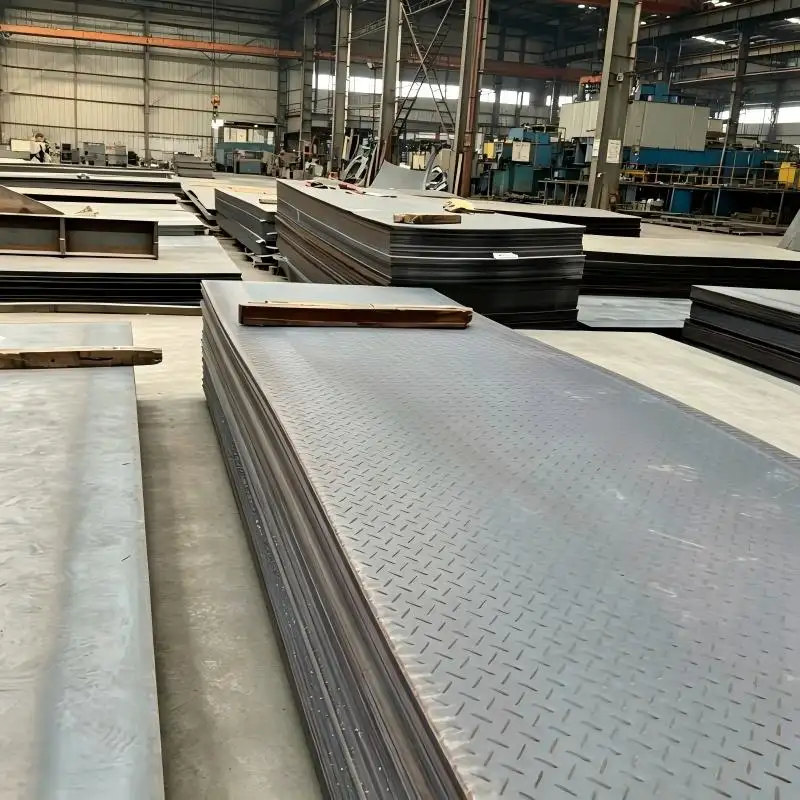
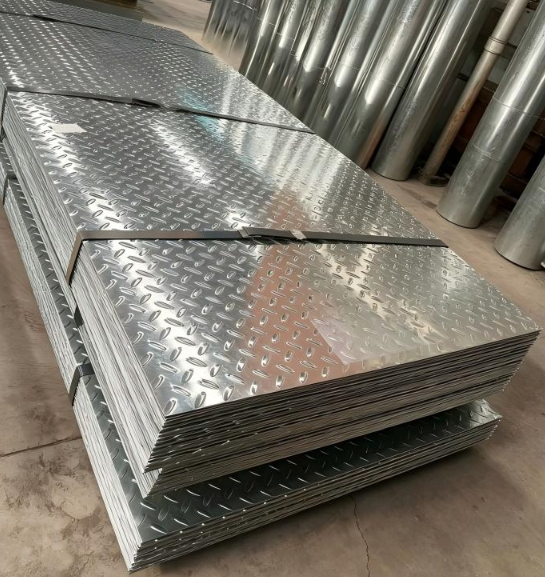
Discover why hot dipped galvanized steel and hot dip galvanized checkered plate offer ideal corrosion resistance and strength for road guardrails.
Covering green transformation, product comparison, selection guide, and industry empowerment, helping you fully grasp the dynamics of the color steel industry.
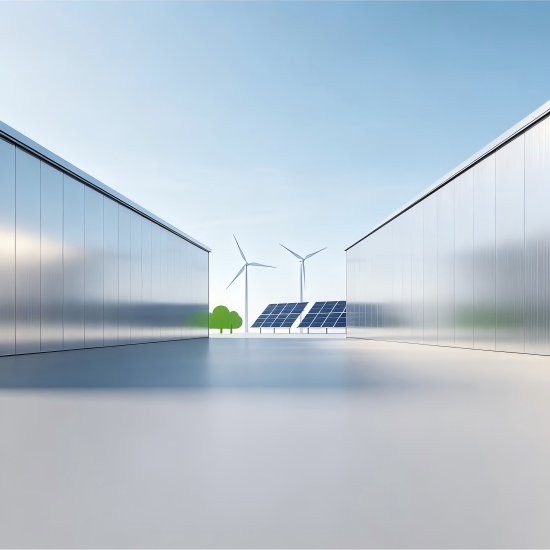
Global climate action and Belt and Road cooperation are driving the color steel industry’s shift toward green, sustainable development.

Comparing PPGI and PPGL across performance, durability, and applications to help you select the optimal coated steel for your project.
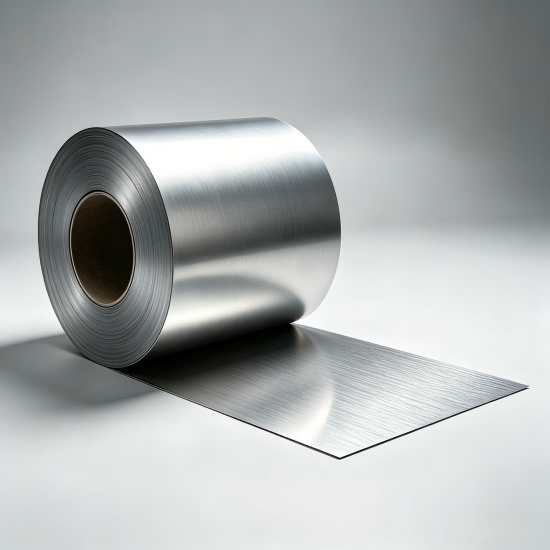
A practical guide to selecting and applying color steel coils, ensuring optimal performance, durability, and cost-effectiveness for your projects.
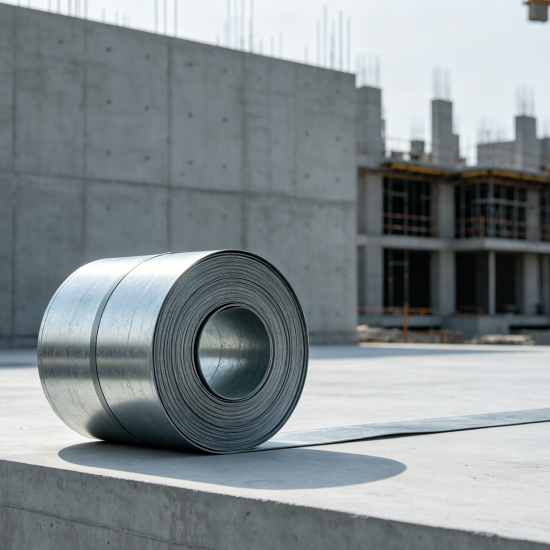
Industry forum drives digital and green transformation, empowering steel sector development through innovation and collaboration.