EN
EN

How to customize length size of precision cut GI coil finished sheets
2026/09/11
Learn how to specify precision cut GI coil sheets in custom lengths — tolerance selection, coating integrity, and ordering tips.
2026/07/24
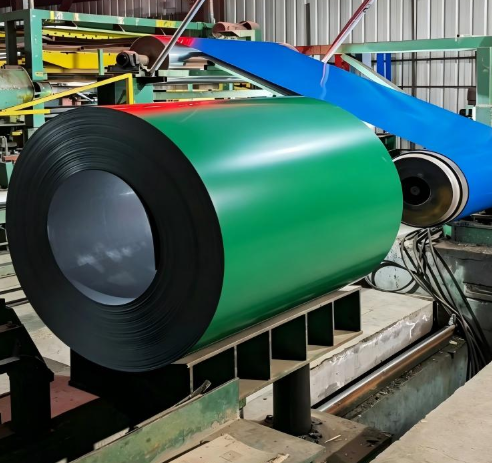
Why Paint Adhesion Testing Matters for Color Coated Steel Coil Buyers
Paint adhesion strength is one of the most critical quality parameters for color coated steel coil, directly determining whether the coating will remain intact during forming, transportation, installation, and long-term service. When buyers source color coated steel coil or coil coating steel sheet for construction, appliance, or transportation applications, insufficient paint adhesion can lead to coating delamination, corrosion of the underlying metal, and premature product failure. Industry data suggests that coating adhesion failures account for approximately 35 percent of quality disputes in the pre-painted steel supply chain. This makes systematic adhesion testing an essential step in the pre-procurement qualification process, particularly when evaluating new suppliers or new coating formulations. Color coated steel coil that passes adhesion testing at the procurement stage provides buyers with confidence that the product will perform as specified throughout its intended service life.
Cross-Cut Tape Adhesion Test (ASTM D3359 / ISO 2409)
The cross-cut tape test is the most widely used method for evaluating paint adhesion on color coated steel coil and coil coating steel sheet. The test involves cutting a lattice pattern into the coating using a multi-blade cutting tool, applying pressure-sensitive tape over the cut area, and then rapidly removing the tape to assess coating removal. The results are classified on a scale from 0B (greater than 65 percent removal, indicating poor adhesion) to 5B (no removal, indicating excellent adhesion). For color coated steel coil used in standard architectural applications, a minimum rating of 4B is typically required, while automotive and appliance-grade coil coating steel sheet may demand 5B performance. The test should be performed on samples from multiple positions across the coil width and length to ensure consistent adhesion throughout the production batch.
Bend Test for Coating Flexibility and Adhesion
The bend test, conducted according to ASTM D4145 or equivalent standards, evaluates both the flexibility and adhesion of the coating on color coated steel coil. A coated sample is bent around a cylindrical mandrel of specified diameter, typically ranging from 1 to 8 millimeters, and the coated surface is examined for cracking, peeling, or flaking. Coil coating steel sheet intended for roll-forming or deep-drawing applications must pass a bend test at a small mandrel diameter, as the material will undergo significant deformation during downstream processing. Color coated steel coil with polyester coatings generally achieves a T-bend rating of 2T to 3T, while higher-performance SMP or PVDF coatings may achieve 1T or better. Buyers should specify the required T-bend rating in their procurement specifications and verify test results from supplier quality documentation.
Impact Resistance Test (ASTM D2794)
The impact resistance test measures the ability of the coating on color coated steel coil to withstand sudden mechanical impact without cracking or delaminating. A weighted indenter is dropped from a specified height onto the coated surface, and the minimum impact energy that causes visible coating failure is recorded. Coil coating steel sheet used in appliance manufacturing, where panels may be subjected to handling impacts during assembly, typically requires impact resistance of at least 30 inch-pounds on the impact side. Color coated steel coil for building applications may have less stringent impact requirements, but the test remains valuable for comparing products from different suppliers and identifying coating systems with poor mechanical toughness.
Boiling Water and Humidity Adhesion Tests
Environmental adhesion tests assess whether the coating on color coated steel coil maintains its bond strength under moisture exposure. The boiling water test involves immersing a coated sample in boiling water for a specified period, typically 15 to 30 minutes, followed by immediate tape adhesion testing. Coil coating steel sheet that passes this test demonstrates resistance to moisture-induced adhesion loss, which is critical for outdoor applications. The humidity resistance test, conducted according to ASTM D2247, exposes samples to controlled high-humidity conditions for extended periods, after which adhesion is re-evaluated. Color coated steel coil destined for tropical or coastal environments should be subjected to these moisture-related adhesion tests as part of the supplier qualification process.
Practical Sourcing Scenario: Pre-Procurement Quality Verification
In a recent procurement project, a buyer in South America needed to qualify a new color coated steel coil supplier for a roofing panel production line. The buyer requested test samples from three production batches and performed cross-cut adhesion testing, T-bend testing, and impact resistance testing in accordance with ASTM standards. One supplier's coil coating steel sheet failed the cross-cut test at the 3B level, indicating marginal adhesion that could lead to field failures during roll-forming. The buyer used these results to negotiate improved coating specifications and additional quality control measures with the selected supplier before placing the full production order. This scenario demonstrates that systematic adhesion testing before mass procurement of color coated steel coil can prevent costly quality issues downstream. Suppliers like Shenyang Yuanhe, which maintain three-tier quality control systems and can provide comprehensive test documentation, offer buyers greater assurance of consistent coating adhesion across production batches.
Frequently Asked Questions
What is the minimum acceptable cross-cut adhesion rating for color coated steel coil?
For most architectural and general-purpose applications, color coated steel coil should achieve a minimum cross-cut rating of 4B according to ASTM D3359. Coil coating steel sheet for demanding applications such as appliance manufacturing may require 5B performance.
How many samples should be tested when evaluating a new color coated steel coil supplier?
Buyers should request samples from at least three different production batches, with test specimens taken from multiple positions across the coil width and length. This sampling approach ensures that adhesion performance is consistent throughout the coil coating steel sheet production process.
Can adhesion test results predict long-term coating performance?
Adhesion tests provide baseline quality data but cannot fully predict decades of field performance. Combining adhesion testing with accelerated weathering tests, such as ASTM G154 UV exposure, provides a more comprehensive assessment of color coated steel coil durability for long-term applications.
2026/09/11
Learn how to specify precision cut GI coil sheets in custom lengths — tolerance selection, coating integrity, and ordering tips.
2026/09/11
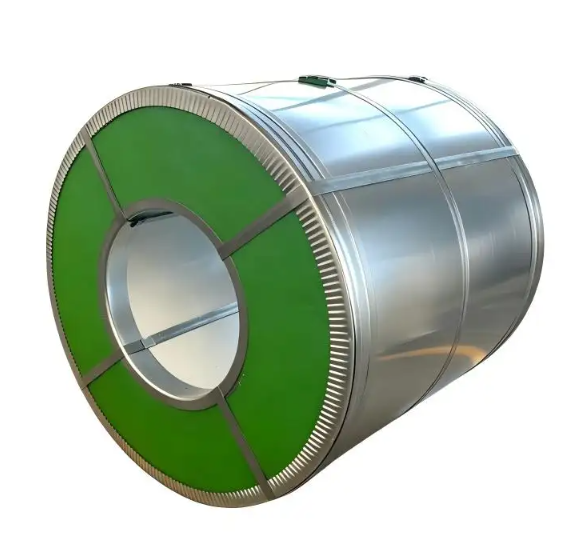
Learn why premium finish galvalume steel coil delivers better paint adhesion and visual consistency in finished building products. Request specs today.
2026/09/10
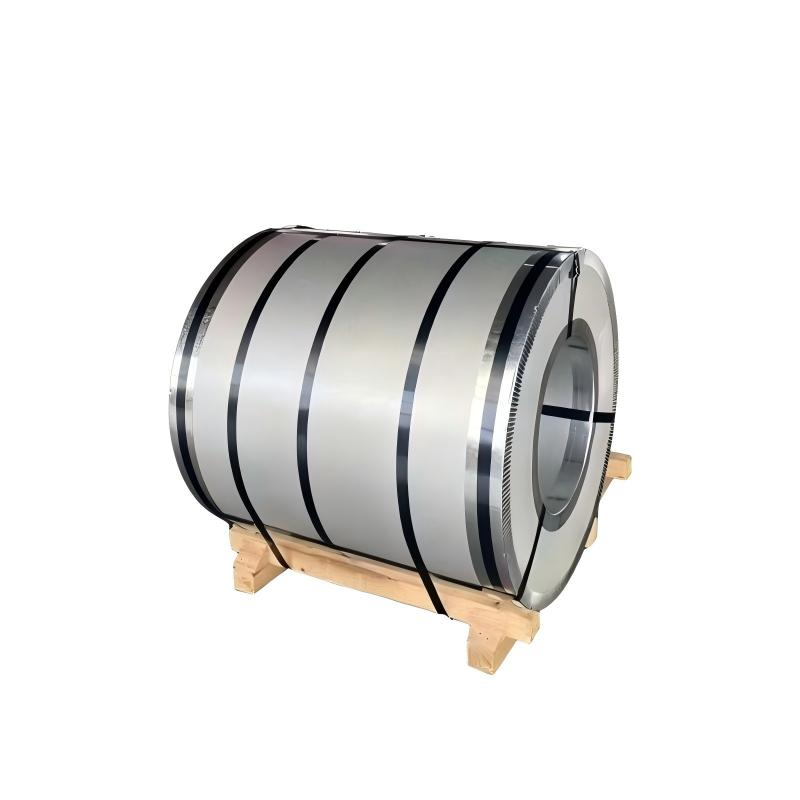
Learn why heavy coating galvalume steel coil provides superior corrosion resistance in harsh coastal settings and saves long-term maintenance costs.
2026/09/10
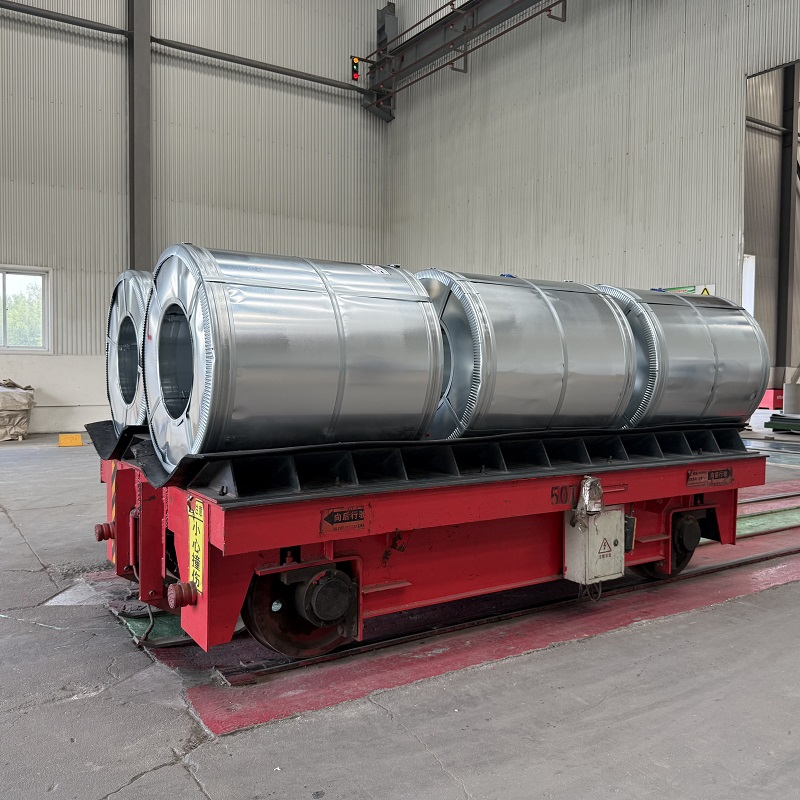
Learn how to test the bending performance of formable galvalume steel coil samples using T-bend testing to prevent cracking and scrap.
2026/09/10
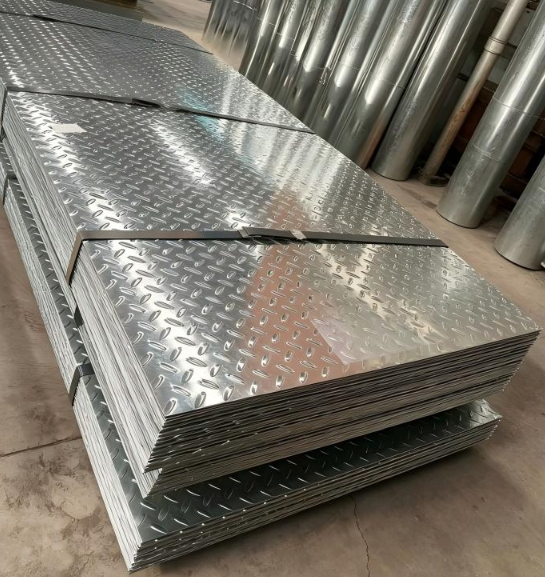
Discover how multi specification galvalume steel coil simplifies purchasing, boosts productivity, and lowers costs for metal fabricators.
2026/09/10
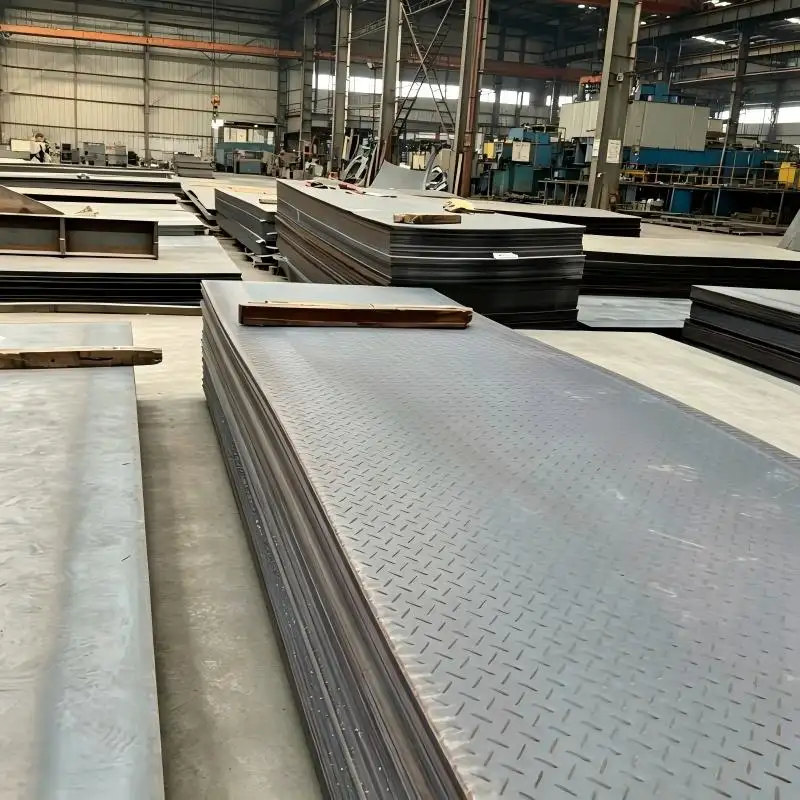
Discover why hot dipped galvanized steel and hot dip galvanized checkered plate offer ideal corrosion resistance and strength for road guardrails.
Covering green transformation, product comparison, selection guide, and industry empowerment, helping you fully grasp the dynamics of the color steel industry.

Global climate action and Belt and Road cooperation are driving the color steel industry’s shift toward green, sustainable development.

Comparing PPGI and PPGL across performance, durability, and applications to help you select the optimal coated steel for your project.
A practical guide to selecting and applying color steel coils, ensuring optimal performance, durability, and cost-effectiveness for your projects.
Industry forum drives digital and green transformation, empowering steel sector development through innovation and collaboration.