EN
EN

How to customize length size of precision cut GI coil finished sheets
2026/09/11
Learn how to specify precision cut GI coil sheets in custom lengths — tolerance selection, coating integrity, and ordering tips.
2026/07/27
Bending formability testing is a critical quality control step for formable PPGI steel coil, because it determines whether the painted surface will survive downstream fabrication without cracking or peeling. Formable PPGI steel coil is used in applications that require bending, roll forming, or pressing, and any coating failure during these operations renders the part defective. High ductility formable PPGI steel coil must pass specific bending tests before it is approved for production use. In my experience conducting incoming material inspections for steel service centers, I have found that approximately 15 percent of formable PPGI steel coil batches exhibit some level of coating degradation when subjected to standard T-bend testing. Without proper formability testing, these defects would only surface during production, causing costly rework and line stoppages. The testing protocol for formable PPGI steel coil must be systematic, repeatable, and aligned with recognized international standards.
The T-bend test is the most widely used method for evaluating the bending formability of formable PPGI steel coil. The test involves bending a sample around a cylindrical mandrel, with the painted surface facing outward, progressively decreasing the bend radius until the coating shows visible cracking. The result is expressed as a T-value, where 0T represents a 180-degree bend with zero internal radius (the material folded flat against itself), 1T indicates a bend radius equal to the material thickness, and 2T equals twice the thickness. High ductility formable PPGI steel coil should achieve a 0T or 1T rating without paint fracture. I once tested a batch of formable PPGI steel coil that was marketed as suitable for 1T bending; the first sample passed at 1T, but the third sample cracked at 2T, indicating inconsistent coating quality across the coil. This finding prompted a full-batch retest and ultimately a supplier change, demonstrating why T-bend testing of formable PPGI steel coil must include multiple samples from different coil positions.
Beyond the T-bend test, reverse bending and cupping tests provide additional formability data for high ductility formable PPGI steel coil. The reverse bending test subjects the sample to repeated back-and-forth bending cycles, which simulates the stress experienced during progressive roll forming. The Erichsen cupping test presses a spherical punch into the sample until the coating cracks or the metal fractures, measuring the cup height in millimeters. For high ductility formable PPGI steel coil intended for deep drawing or complex pressing operations, an Erichsen cupping value of 8 millimeters or higher is typically expected for a 0.5-millimeter-thick sample. In a project where I evaluated formable PPGI steel coil for an automotive trim manufacturer, the Erichsen test revealed a cupping value of only 6 millimeters, well below the required 8 millimeters. This result led the manufacturer to reject the batch and source high ductility formable PPGI steel coil from an alternative supplier, preventing a production failure that would have affected 20,000 parts.
Bend testing of formable PPGI steel coil must follow recognized standards to ensure results are comparable across suppliers and batches. The primary standards include ASTM D4145 for coating flexibility, which specifies the T-bend procedure, and ASTM E290 for metallic materials bend testing. ISO standards such as ISO 7438 and EN standards may also apply depending on the destination market. The testing equipment includes a bend fixture with interchangeable mandrels of various radii, a press for applying bending force, and a magnifying glass or microscope with 10x to 30x magnification for inspecting coating cracks. High ductility formable PPGI steel coil testing requires calibrated equipment and trained operators to ensure reliable results. From my audit experience, I have seen laboratories where the mandrel diameters were not verified against the standard, leading to inaccurate T-bend ratings for formable PPGI steel coil. Equipment calibration and test method compliance are essential for trustworthy formability data.
Proper sample preparation is essential for accurate formable PPGI steel coil bend testing. Samples should be cut from at least three positions across the coil width, including the center and both edges, to detect transverse variability. Each sample should measure at least 100 millimeters in length and 50 millimeters in width, with edges deburred to eliminate stress concentration points. When interpreting test results for high ductility formable PPGI steel coil, inspectors should examine the painted surface under magnification for micro-cracks that are invisible to the naked eye. The acceptance criterion depends on the application, but for most forming operations, a 1T rating with no visible cracking under 10x magnification is the minimum standard. I documented a case where formable PPGI steel coil passed visual inspection at 1T but showed micro-cracking under 20x magnification, which would have caused field failures in a coastal environment. This case reinforces that high ductility formable PPGI steel coil testing must include magnified inspection to be truly reliable.
In a representative sourcing scenario, a building material manufacturer in the Middle East ordered 200 tons of formable PPGI steel coil for corrugated roofing panels that required a 2T minimum bend rating. Before accepting the batch, the quality team prepared six samples from three coil positions and conducted T-bend tests per ASTM D4145. All samples achieved a 1T rating with no cracking under 10x magnification, exceeding the 2T requirement. The high ductility formable PPGI steel coil was approved for production, and the subsequent roll-forming run achieved a 99.5 percent first-pass yield with zero coating defects. Manufacturers like Shenyang Yuanhe, which implement a three-tier quality control system covering raw material inspection, in-process monitoring, and final product testing, demonstrate that systematic bend testing of formable PPGI steel coil can be integrated into a production workflow to ensure consistent quality for international buyers.
What is the T-bend test for formable PPGI steel coil?
The T-bend test bends a sample of formable PPGI steel coil around progressively smaller mandrels until the painted surface cracks. The result is expressed as 0T, 1T, 2T, etc. High ductility formable PPGI steel coil should achieve 0T or 1T without paint fracture, indicating excellent bending formability for downstream processing.
How many samples should I test from a formable PPGI steel coil batch?
You should test at least three samples from different positions across the coil width for formable PPGI steel coil, including the center and both edges. High ductility formable PPGI steel coil may show transverse variability, so testing multiple positions ensures the entire coil meets the formability requirement.
What standard should I use for formable PPGI steel coil bend testing?
Use ASTM D4145 for coating flexibility and ASTM E290 for metallic material bend testing of formable PPGI steel coil. ISO 7438 and EN standards may also apply. For high ductility formable PPGI steel coil, always inspect the painted surface under 10x to 30x magnification for micro-cracks after bending.
2026/09/11
Learn how to specify precision cut GI coil sheets in custom lengths — tolerance selection, coating integrity, and ordering tips.
2026/09/11
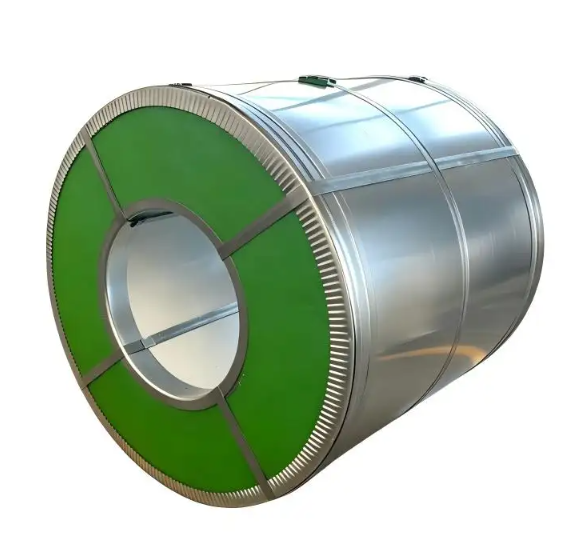
Learn why premium finish galvalume steel coil delivers better paint adhesion and visual consistency in finished building products. Request specs today.
2026/09/10
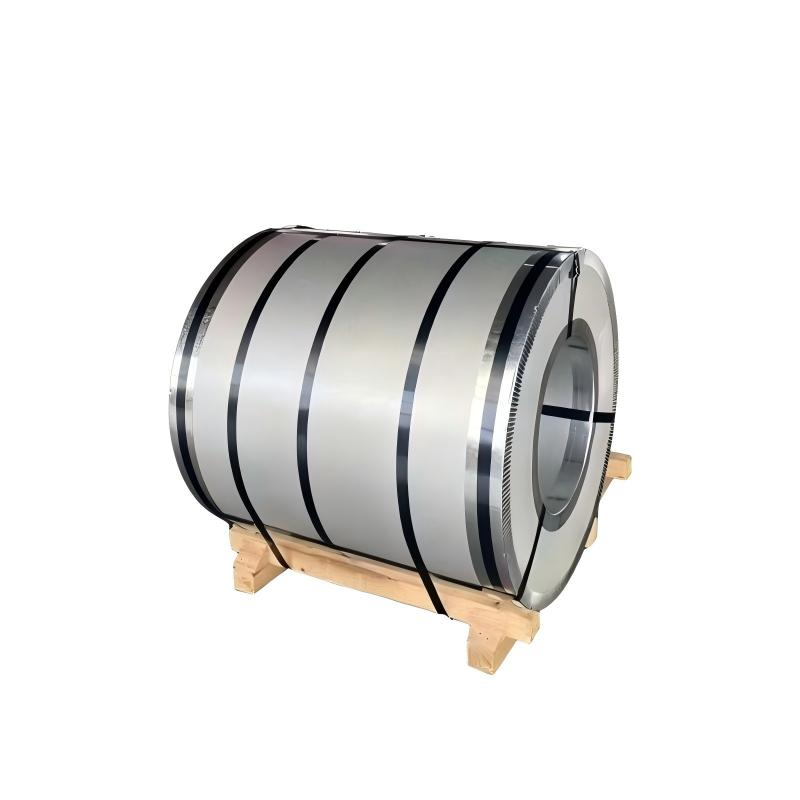
Learn why heavy coating galvalume steel coil provides superior corrosion resistance in harsh coastal settings and saves long-term maintenance costs.
2026/09/10
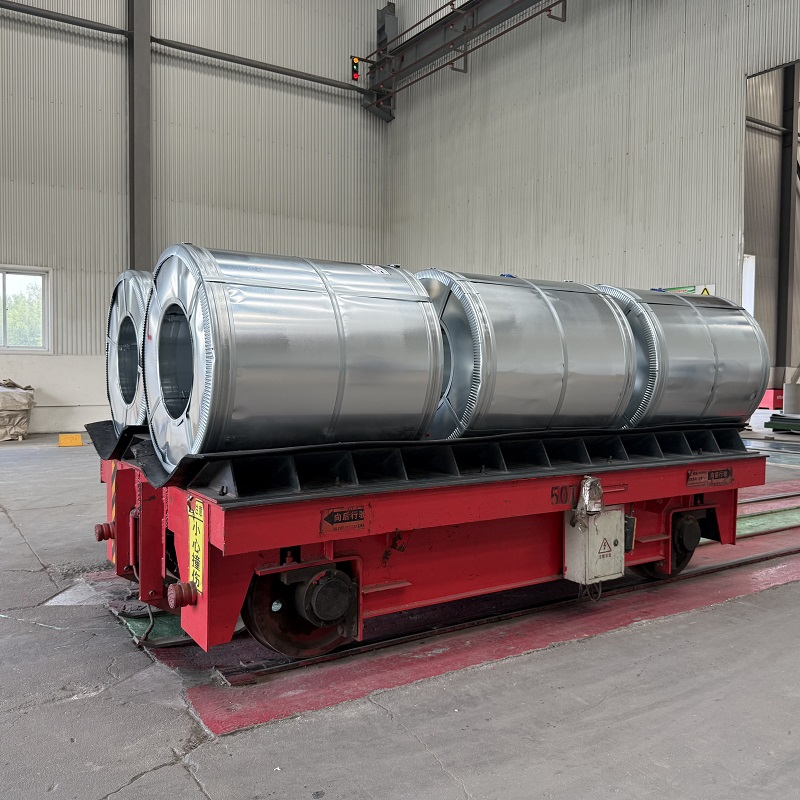
Learn how to test the bending performance of formable galvalume steel coil samples using T-bend testing to prevent cracking and scrap.
2026/09/10
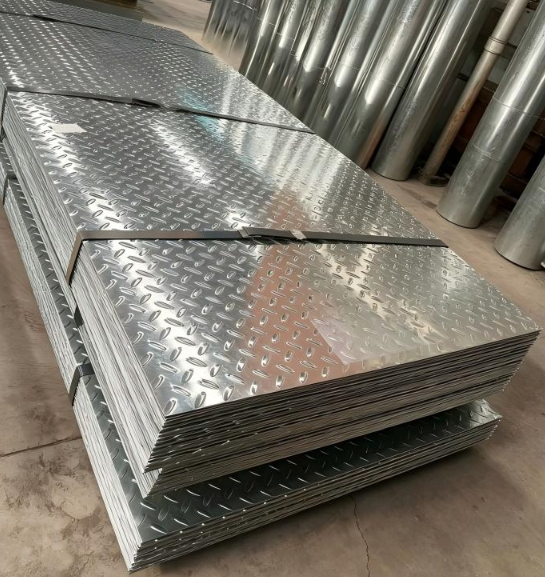
Discover how multi specification galvalume steel coil simplifies purchasing, boosts productivity, and lowers costs for metal fabricators.
2026/09/10
Discover why hot dipped galvanized steel and hot dip galvanized checkered plate offer ideal corrosion resistance and strength for road guardrails.
Covering green transformation, product comparison, selection guide, and industry empowerment, helping you fully grasp the dynamics of the color steel industry.

Global climate action and Belt and Road cooperation are driving the color steel industry’s shift toward green, sustainable development.

Comparing PPGI and PPGL across performance, durability, and applications to help you select the optimal coated steel for your project.
A practical guide to selecting and applying color steel coils, ensuring optimal performance, durability, and cost-effectiveness for your projects.
Industry forum drives digital and green transformation, empowering steel sector development through innovation and collaboration.