EN
EN

How to customize length size of precision cut GI coil finished sheets
2026/09/11
Learn how to specify precision cut GI coil sheets in custom lengths — tolerance selection, coating integrity, and ordering tips.
2026/09/10
Achieving proper surface flatness on processed sheet metal is one of the most vital quality factors in modern metal fabrication. When a hot rolled coil is cut into sheets destined for high-precision operations like CNC punching, automated robotic welding, or high-speed laser processing, even a tiny deviation from a flat profile causes major operational friction. A sheet that exhibits subtle warping or edge waves can jam automated loading systems, throw off laser focal lengths, produce inconsistent weld gaps, and cause expensive dimensional errors in finished components.
Despite its massive impact on shop floor productivity, steel sheet flatness remains one of the most under-checked specifications prior to production. Fabricators often focus heavily on thickness tolerances or chemical composition while neglecting physical shape parameters. Understanding how to measure, evaluate, and select the right hot rolled steel coil flatness grade saves significant time, reduces scrap rates, and keeps complex processing machinery running smoothly.
To evaluate whether a material meets specific manufacturing demands, quality teams rely on internationally recognized parameters defined by standards like ASTM A568/A568M and EN 10051. Physical surface flatness is measured by placing a sheet on a perfectly flat inspection table and recording the maximum vertical distance between the reference plane and the lowest or highest point of the sheet wave. This deviation is expressed in millimeters per meter of length.
| Flatness Grade | Maximum Deviation | Typical Application |
|---|---|---|
| Standard Grade | 5 mm/m | General structural framing, unexposed support brackets, basic heavy fabrication |
| Commercial Grade | 3 mm/m | Standard welded tanks, basic enclosures, general structural assemblies |
| Premium Grade | 1.5 mm/m | Precision steel cutting, automated plate profiling, high-speed CNC machining lines |
| Precision Grade | ≤0.8 mm/m | Automotive body panels, fine-blanking operations, ultra-tight tolerance industrial equipment |
For precision steel cutting using industrial fiber lasers, working with a premium grade or better is non-negotiable. Over a standard two-meter steel sheet, a 1.5 mm/m deviation equates to a maximum vertical variation of 3 mm. While 3 mm sounds minor to the naked eye, a height shift of that scale causes a high-precision cutting nozzle to misread sensor distances, lose beam focus, or physically collide with the workpiece. These collisions lead to damaged cutting heads, thermal distortion along cut edges, and costly emergency machine downtime.
Verifying that an incoming shipment of hot rolled coil sheets meets strict geometric specs requires choosing the correct measuring technique based on required precision levels and shop equipment availability.
Understanding why hot rolled steel coil develops shape defects helps operators specify the right material processing requirements before ordering stock. Physical warping stems from three primary factors during primary mill production:
To remove internal stress and restore true planarity, hot rolled coil must undergo specialized mechanical leveling before cut-to-length processing. Standard roller levelers flex the steel sheet back and forth over a series of staggered rollers, reducing basic curvature.
For critical precision steel cutting jobs, advanced stretcher leveling yields superior results. Stretcher levelers grab both ends of the sheet and apply high-tonnage hydraulic tension, stretching the steel past its physical yield point. This process completely neutralizes internal residual stress, ensuring the sheet remains dead-flat even after complex laser profiling releases localized heat into the material.
Eliminating sheet warping issues in downstream manufacturing requires working with processing partners who prioritize stringent quality control at every stage of the supply chain. From advanced mechanical leveling and strict coil selection to multi-point dimensional inspections, managing physical surface specs ensures consistent performance across demanding cutting, forming, and welding setups.
Modern international steel supply networks bridge the gap between heavy primary steel production and high-precision shop environments. Facilities equipped with high-performance decoiling, stretcher leveling, and precision inspection lines ensure that incoming hot rolled steel coil inventory matches precise tolerance standards before shipment. By maintaining robust regional warehouse reserves and rapid lead times, industrial clients obtain reliable material streams tailored directly to high-precision laser and CNC operations.
Fabricators seeking verified, precision-leveled hot rolled coil finished sheets backed by comprehensive surface flatness test certifications can explore certified material inventories and advanced processing services directly through the
2026/09/11
Learn how to specify precision cut GI coil sheets in custom lengths — tolerance selection, coating integrity, and ordering tips.
2026/09/11
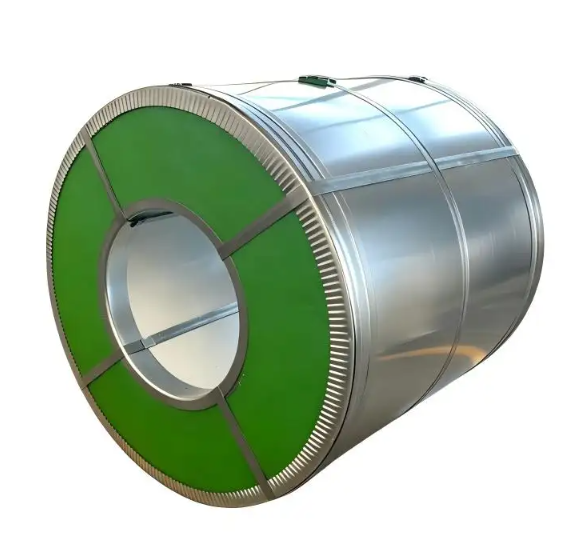
Learn why premium finish galvalume steel coil delivers better paint adhesion and visual consistency in finished building products. Request specs today.
2026/09/10
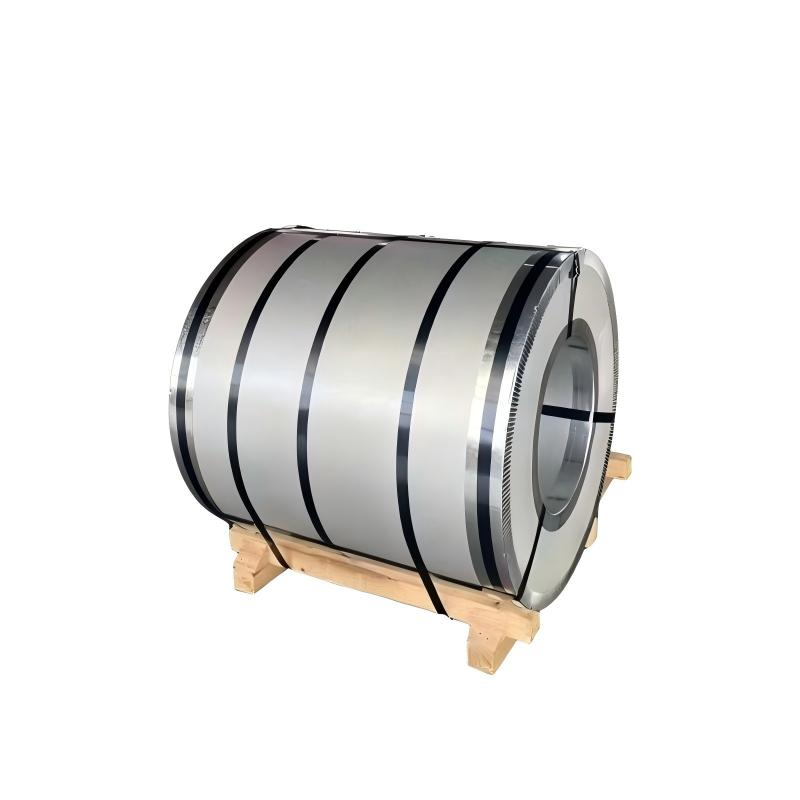
Learn why heavy coating galvalume steel coil provides superior corrosion resistance in harsh coastal settings and saves long-term maintenance costs.
2026/09/10
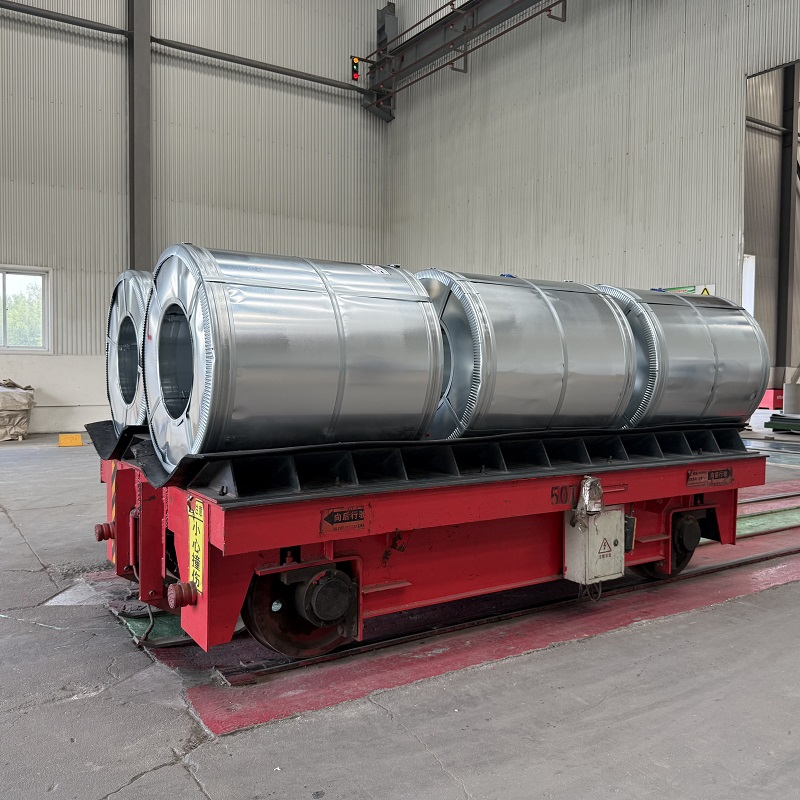
Learn how to test the bending performance of formable galvalume steel coil samples using T-bend testing to prevent cracking and scrap.
2026/09/10
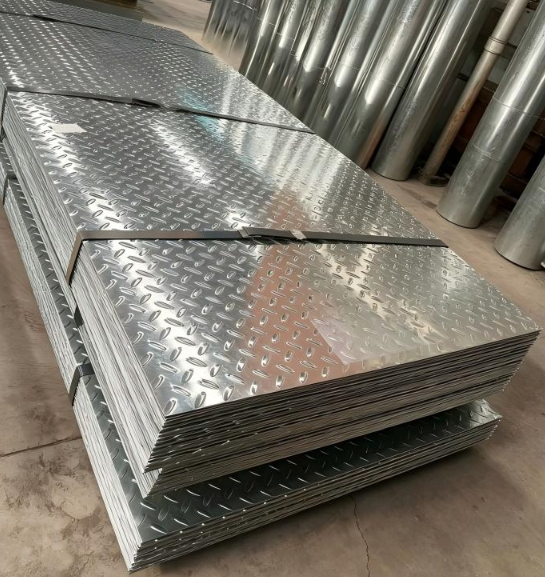
Discover how multi specification galvalume steel coil simplifies purchasing, boosts productivity, and lowers costs for metal fabricators.
2026/09/10
Discover why hot dipped galvanized steel and hot dip galvanized checkered plate offer ideal corrosion resistance and strength for road guardrails.
Covering green transformation, product comparison, selection guide, and industry empowerment, helping you fully grasp the dynamics of the color steel industry.

Global climate action and Belt and Road cooperation are driving the color steel industry’s shift toward green, sustainable development.
Comparing PPGI and PPGL across performance, durability, and applications to help you select the optimal coated steel for your project.
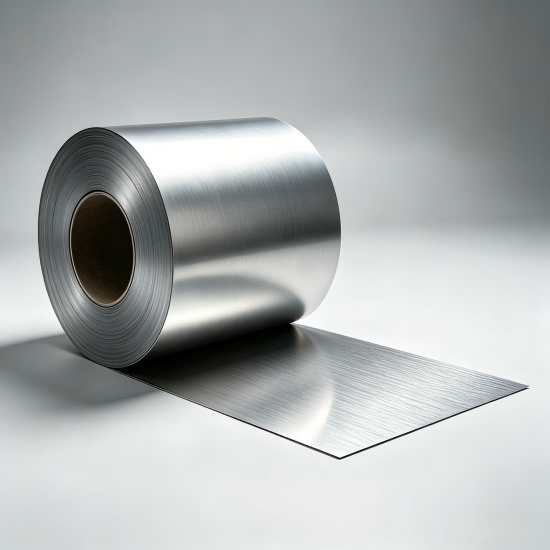
A practical guide to selecting and applying color steel coils, ensuring optimal performance, durability, and cost-effectiveness for your projects.
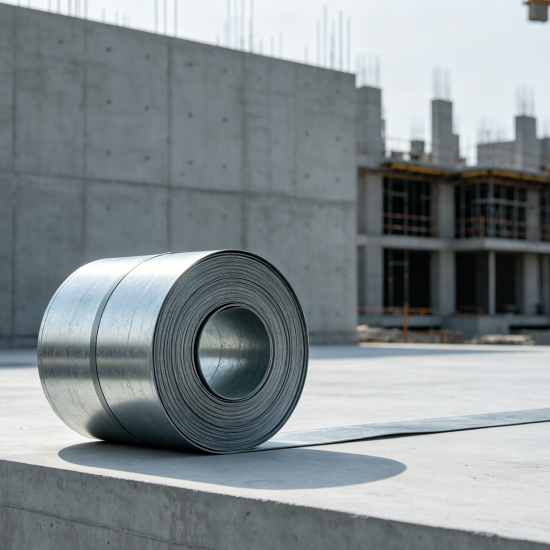
Industry forum drives digital and green transformation, empowering steel sector development through innovation and collaboration.