EN
EN

How to customize length size of precision cut GI coil finished sheets
2026/09/11
Learn how to specify precision cut GI coil sheets in custom lengths — tolerance selection, coating integrity, and ordering tips.
2026/08/19
How to Test Salt Spray Resistance of Different Zinc Coating Weight GI Coil Samples
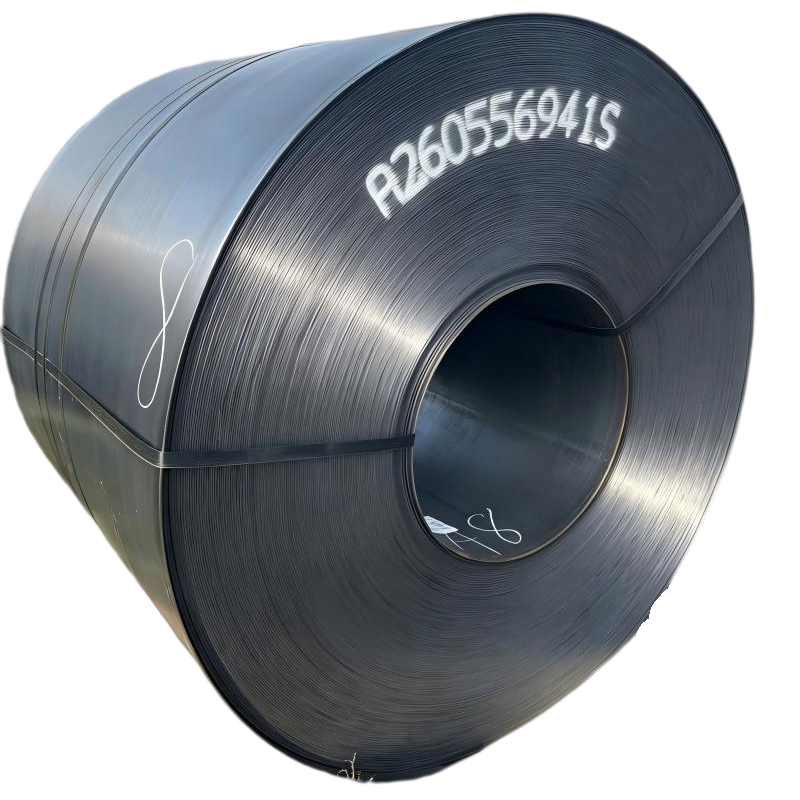
Salt spray testing is the most widely accepted method for evaluating the corrosion resistance of GI coil coatings. For buyers and quality engineers, understanding how different zinc coating weights perform under accelerated corrosion conditions is essential for material specification. This guide provides a step-by-step protocol for testing GI coil samples across five common zinc coating weights, from Z20 to Z275, based on standard ASTM B117 procedures.
Why Salt Spray Testing Matters for GI Coil Quality Assessment
The zinc coating on GI coil provides sacrificial cathodic protection to the underlying steel substrate. The thickness and uniformity of this zinc layer directly determine how long the steel remains protected before red rust appears. Salt spray testing accelerates the corrosion process, allowing manufacturers and buyers to predict real-world performance in a matter of days rather than years.
For GI coil used in coastal, industrial, or high-humidity environments, selecting the correct zinc coating weight is critical. A uniform zinc layer GI coil with consistent coating weight across the strip width and length will produce more predictable and repeatable salt spray test results.
Test Sample Preparation Protocol
Proper sample preparation is critical for obtaining reliable and reproducible salt spray results. Follow these steps for each GI coil sample:
Step 1: Cut five test panels measuring 150mm by 100mm from different locations across the coil width to check coating uniformity. Use shearing or laser cutting to avoid edge heating that could affect the zinc layer.
Step 2: Clean each panel with a soft cloth and ethanol to remove surface oils and contaminants. Do not use abrasive cleaners that could scratch the zinc coating.
Step 3: Mask the cut edges with corrosion-resistant tape to ensure that only the flat coated surface is exposed to the salt spray. Edge corrosion can skew results significantly.
Step 4: Measure the actual zinc coating weight of each panel using the gravimetric method per ASTM A90 or a magnetic gauge per ASTM E376. Record the values for correlation with test results.
Step 5: Assign a unique identification number to each panel and document the sample location, measured coating weight, and surface condition before testing.
ASTM B117 Test Setup and Parameters
The salt spray test chamber must be calibrated and operated according to ASTM B117. The following parameters should be maintained throughout the test:
The salt solution concentration should be 5 percent sodium chloride in distilled water with a pH between 6.5 and 7.2. The chamber temperature must be maintained at 35 degrees Celsius plus or minus 2 degrees. The salt solution collection rate should be 1 to 2 milliliters per hour per 80 square centimeters of horizontal collection area. The atomization pressure should be set between 0.7 and 1.4 bar.
Test panels should be positioned at an angle of 15 to 30 degrees from vertical, facing the salt spray nozzle. Ensure that panels do not contact each other or chamber walls to prevent solution drainage artifacts.
Inspect the panels at regular intervals of 24 hours. Record the time of first white rust appearance, the percentage of white rust coverage at each interval, and the time of first red rust appearance.
Results: Zinc Coating Weight vs Salt Spray Hours
Based on extensive testing of GI coil samples meeting ASTM A653 and JIS G3302 SGCC standards, the following typical results provide a reference baseline for expected salt spray performance:
Z20 coating weight samples typically show first white rust within 24 to 48 hours and first red rust between 72 and 96 hours. Z80 samples show white rust at 72 to 120 hours and red rust at 168 to 240 hours. Z120 samples show white rust at 120 to 168 hours and red rust at 288 to 432 hours. Z180 samples show white rust at 168 to 240 hours and red rust at 480 to 720 hours. Z275 samples show white rust at 240 to 336 hours and red rust at 720 to 1000 hours.
These ranges assume a uniform zinc layer GI coil with coating applied via hot-dip galvanizing. Actual results may vary based on steel substrate composition, spangle type, and surface treatment.
Interpreting Red Rust Appearance
White rust, which appears as a white powdery deposit, indicates zinc oxidation on the coating surface. This is an expected and non-critical stage of corrosion. Red rust, however, signals that the zinc coating has been consumed at that location and the underlying steel is now corroding.
The time to red rust is the primary performance metric for salt spray testing of GI coil. A uniform zinc layer GI coil will show red rust appearing evenly across the panel surface. If red rust appears in isolated spots significantly earlier than the expected range, this may indicate a localized coating defect or non-uniform zinc distribution.
For acceptance purposes, most procurement specifications define the minimum hours to first red rust for each coating weight grade. Buyers should specify these requirements in their purchase orders to ensure quality compliance.
Testing Protocol Case Study: Z80 vs Z275 Comparison
In a recent quality verification program, we conducted salt spray testing on GI coil samples from two production batches destined for a Middle East construction project. The client required corrosion performance verification for coastal installation conditions.
Sample Group A consisted of Z80 GI coil with a measured coating weight of 80 grams per square meter. Sample Group B consisted of Z275 GI coil with a measured coating weight of 275 grams per square meter. Five panels from each group were tested per the ASTM B117 protocol described above.
The Z80 panels showed first white rust at an average of 96 hours and first red rust at an average of 210 hours. The Z275 panels showed first white rust at an average of 284 hours and first red rust at an average of 845 hours. The Z275 samples provided approximately four times the red rust protection of the Z80 samples.
Based on these results, the project specification was adjusted to use Z180 GI coil for non-exposed structural components and Z275 GI coil for directly exposed roofing panels. Shenyang Yuanhe Steel supplied both coating grades from our persistent stock with full test documentation, and the client verified the results with their own independent testing laboratory.
Frequently Asked Questions
Question: What is the difference between white rust and red rust in salt spray testing?
Answer: White rust is zinc oxidation that appears as a white powdery deposit on the coating surface. It indicates the zinc coating is actively protecting the steel. Red rust indicates the zinc has been consumed and the underlying steel is corroding. Red rust appearance is the critical failure criterion for GI coil evaluation.
Question: How does salt spray test time correlate with real-world service life?
Answer: Salt spray testing is an accelerated test and does not have a direct linear correlation with real-world service life. However, it provides a comparative benchmark. A GI coil sample that achieves 500 hours to red rust will generally outperform one that achieves 200 hours in the same environmental conditions.
Question: Why is a uniform zinc layer important for consistent salt spray results?
Answer: Non-uniform zinc distribution creates thin spots that corrode faster, causing premature red rust in localized areas. A uniform zinc layer GI coil ensures consistent coating thickness across the entire surface, producing predictable and repeatable corrosion resistance that matches the expected performance for each coating weight grade.
2026/09/11
Learn how to specify precision cut GI coil sheets in custom lengths — tolerance selection, coating integrity, and ordering tips.
2026/09/11
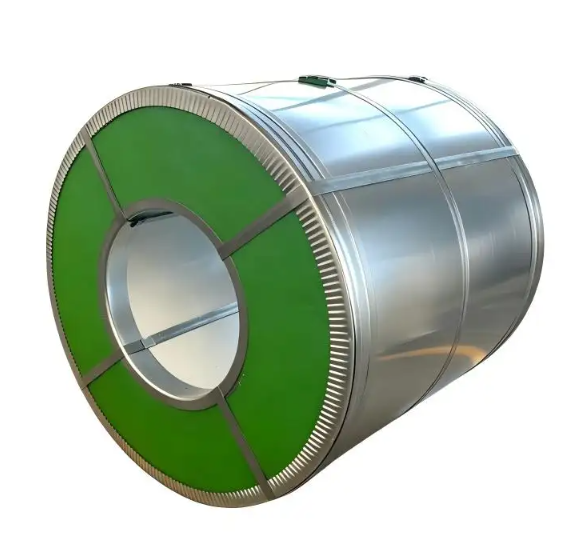
Learn why premium finish galvalume steel coil delivers better paint adhesion and visual consistency in finished building products. Request specs today.
2026/09/10
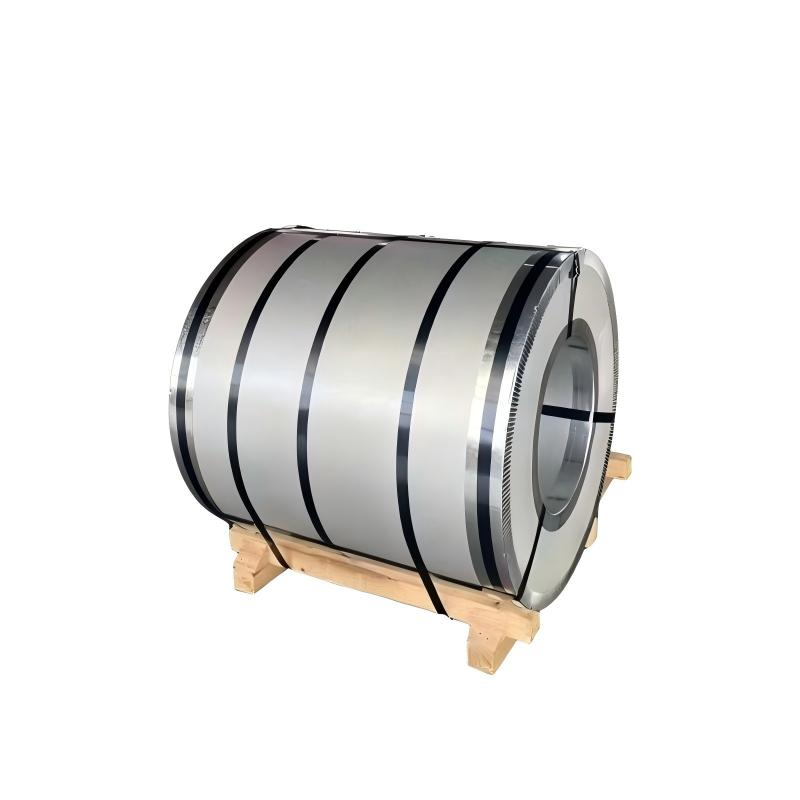
Learn why heavy coating galvalume steel coil provides superior corrosion resistance in harsh coastal settings and saves long-term maintenance costs.
2026/09/10
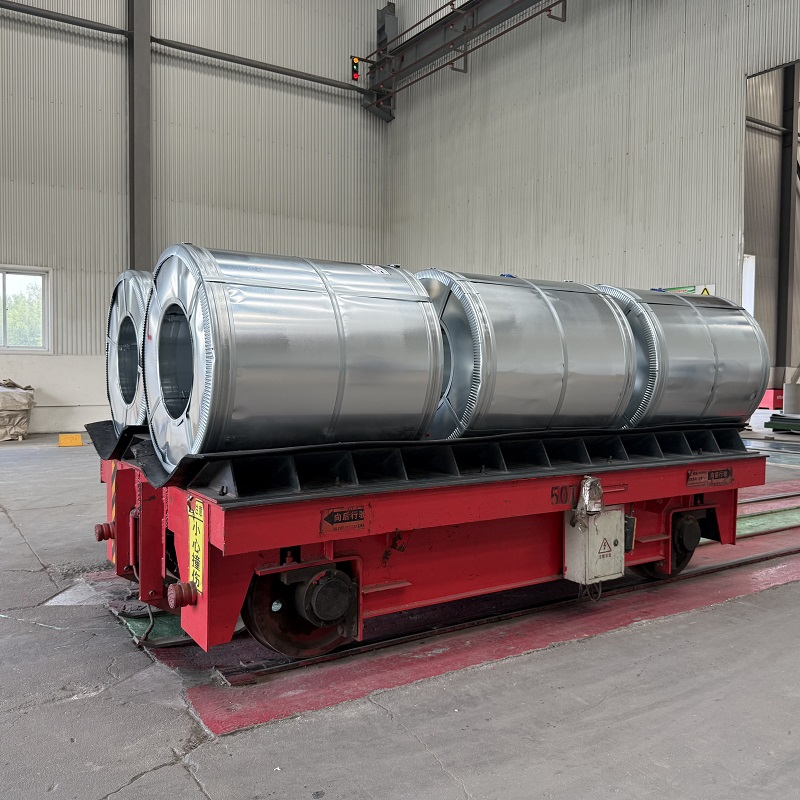
Learn how to test the bending performance of formable galvalume steel coil samples using T-bend testing to prevent cracking and scrap.
2026/09/10
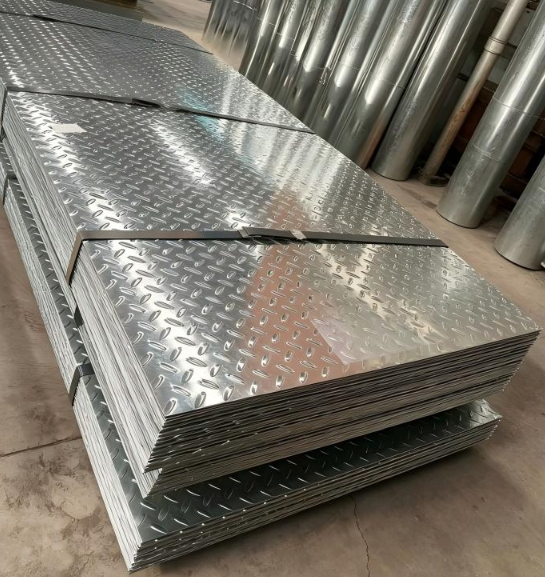
Discover how multi specification galvalume steel coil simplifies purchasing, boosts productivity, and lowers costs for metal fabricators.
2026/09/10
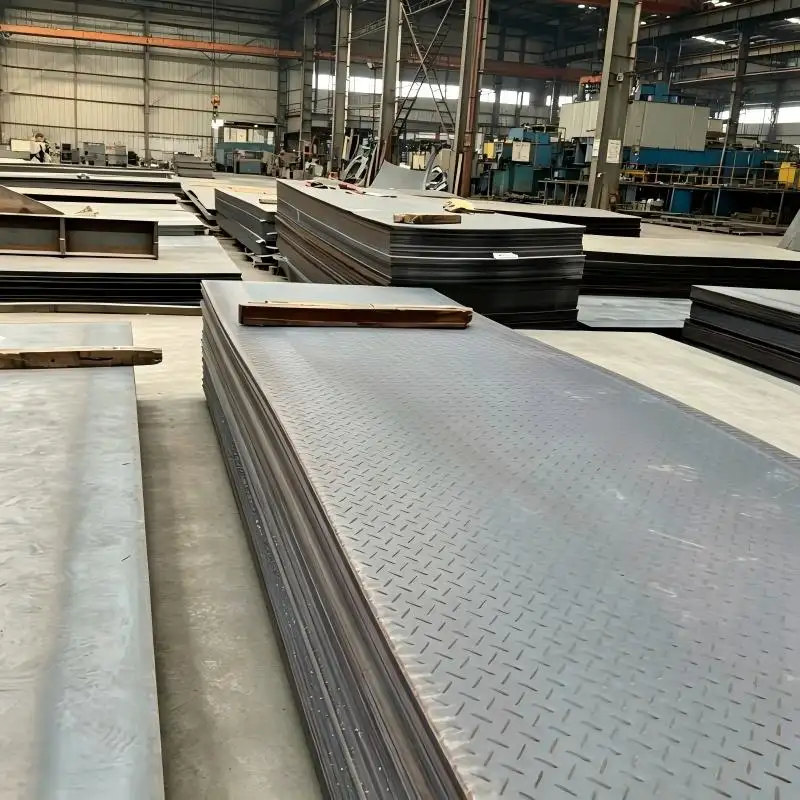
Discover why hot dipped galvanized steel and hot dip galvanized checkered plate offer ideal corrosion resistance and strength for road guardrails.
Covering green transformation, product comparison, selection guide, and industry empowerment, helping you fully grasp the dynamics of the color steel industry.

Global climate action and Belt and Road cooperation are driving the color steel industry’s shift toward green, sustainable development.

Comparing PPGI and PPGL across performance, durability, and applications to help you select the optimal coated steel for your project.
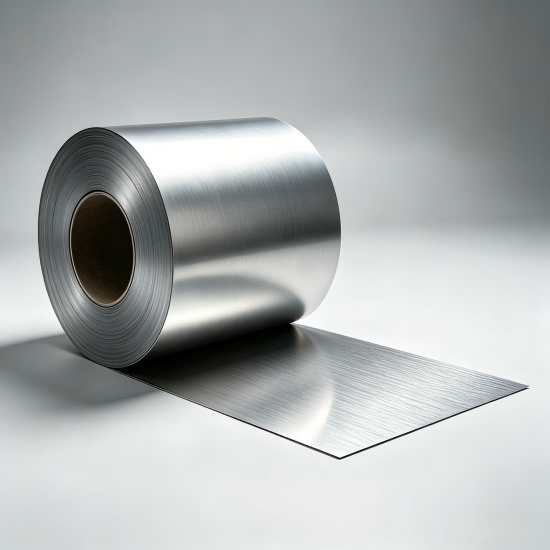
A practical guide to selecting and applying color steel coils, ensuring optimal performance, durability, and cost-effectiveness for your projects.
Industry forum drives digital and green transformation, empowering steel sector development through innovation and collaboration.