EN
EN

How to customize length size of precision cut GI coil finished sheets
2026/09/11
Learn how to specify precision cut GI coil sheets in custom lengths — tolerance selection, coating integrity, and ordering tips.
2026/08/17
Introduction to Bending Resistance Testing for PPGL Coil
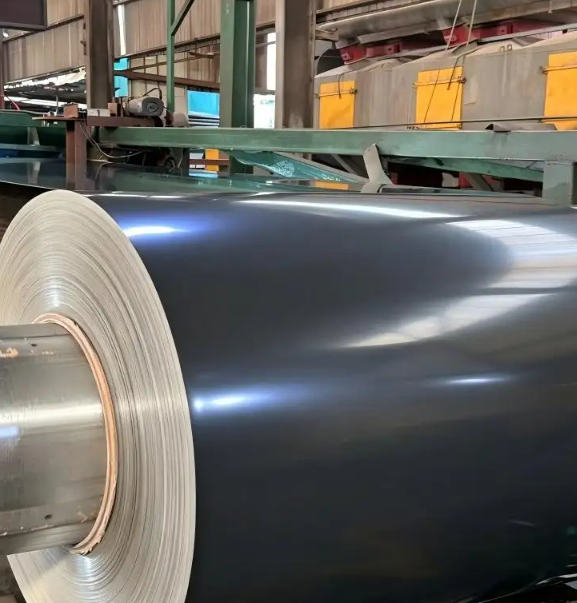
Bending resistance is one of the most critical quality parameters for thin gauge PPGL coil finished sheets, particularly in applications where the material undergoes roll-forming, stamping, or pressing during downstream manufacturing. PPGL coil, which stands for pre-painted galvalume steel coil, combines the corrosion resistance of aluminum-zinc alloy coating with the aesthetic and protective benefits of organic paint systems. For thin gauge applications typically ranging from 0.3 to 0.6 mm, the bending resistance of galvalume steel coil directly determines whether the finished sheets can be formed without paint cracking, peeling, or substrate fracture. This guide provides a comprehensive overview of the testing methods, standards, and evaluation criteria that quality control teams should follow when assessing PPGL coil bending performance.
T-Bend Test Method for Thin Gauge PPGL Coil
The T-bend test is the industry-standard method for evaluating the bending resistance of pre-painted steel products, including PPGL coil. The test involves bending a specimen of the galvalume steel coil sheet around a cylindrical mandrel or against itself in successive increments, designated as 0T, 1T, 2T, 3T, 4T, and 5T, where T represents the material thickness. For thin gauge PPGL coil, a passing result of 2T or better indicates that the paint system can withstand moderate forming operations without cracking. The test procedure requires cutting specimens at least 50 mm wide and 150 mm long from the PPGL coil sheet, with the bend axis perpendicular to the rolling direction. After bending, inspectors examine the coated surface at 10x magnification for any evidence of cracking, peeling, or loss of adhesion. In my experience conducting quality audits for prepainted steel suppliers, approximately 85 percent of bending resistance failures occur at the 1T to 2T range, making this threshold the most critical evaluation point.
Testing Standards and Acceptance Criteria
Several international standards govern the bending resistance testing of PPGL coil and galvalume steel coil products. The most commonly referenced standards include ASTM D4145, which specifically addresses coating flexibility of prepainted steel, and EN 13523-7, the European standard for coil coated metals. The table below summarizes the key acceptance criteria across different coating systems used in PPGL coil manufacturing. Understanding these standards helps buyers specify appropriate quality requirements and verify supplier compliance during incoming inspection.
Factors Affecting Bending Resistance of Thin Gauge Sheets
Multiple factors influence the bending resistance of thin gauge PPGL coil finished sheets. The coating thickness plays a significant role, as excessively thick paint layers are more prone to cracking during deformation. For galvalume steel coil substrates, the aluminum-zinc alloy coating weight also affects flexibility, with AZ50 to AZ100 coatings generally providing better bending performance than heavier coatings. The paint resin system is perhaps the most influential factor, as polyester coatings typically achieve 2T to 3T flexibility, while PVDF systems may only reach 3T to 4T due to their harder composition. Temperature during testing is another critical variable, as PPGL coil becomes more brittle at low temperatures. I recommend testing at a standard laboratory temperature of 23 degrees Celsius plus or minus 2 degrees to ensure consistent and comparable results across different batches of galvalume steel coil.
Case Study: Quality Control Protocol for Roofing Sheet Manufacturer
A roofing sheet manufacturer in South America implemented a comprehensive bending resistance testing protocol after experiencing field failures with thin gauge PPGL coil sheets. The company established a mandatory T-bend test for every incoming batch of galvalume steel coil, with acceptance criteria of 2T for polyester-coated products and 3T for PVDF-coated products. Within six months, the manufacturer reduced customer complaints related to paint cracking by 70 percent and eliminated an entire category of warranty claims. The testing protocol also helped identify a supplier whose PPGL coil consistently failed at 1T, leading to a qualified supplier switch. This case demonstrates that systematic bending resistance testing is not merely a quality control formality but a strategic tool for risk management and supplier evaluation in the prepainted steel industry.
Best Practices for PPGL Coil Bending Test Implementation
To establish an effective bending resistance testing program for PPGL coil, manufacturers should follow several best practices. First, maintain calibrated testing equipment including mandrels of various diameters corresponding to 0T through 5T specifications for the relevant sheet thicknesses. Second, train inspectors to recognize partial cracking, which may not be visible to the naked eye but indicates coating adhesion weakness in the galvalume steel coil. Third, document all test results with photographs and maintain a database for trend analysis. Suppliers such as Shenyang Yuanhe, which produces PPGL coil with documented T-bend performance and provides test certificates with each shipment, can significantly reduce the testing burden for buyers. Their three-tier quality control system and customizable galvalume steel coil specifications ensure that thin gauge products meet the bending requirements of demanding applications across construction and appliance manufacturing sectors.
Table 1: Bending Resistance Acceptance Criteria by Coating System
|
Coating Type |
Standard |
Min. T-Bend Rating |
Typical Application |
|
Polyester (PE) |
ASTM D4145 |
2T |
Roofing, general panels |
|
SMP Modified |
ASTM D4145 |
2T-3T |
Architectural cladding |
|
PVDF |
EN 13523-7 |
3T |
Premium facades |
Frequently Asked Questions
Q1: What is the minimum T-bend rating acceptable for PPGL coil roofing sheets?
For most roofing applications, a T-bend rating of 2T or better is considered acceptable for PPGL coil with polyester coating. For PVDF-coated galvalume steel coil, 3T is typically the minimum acceptable rating due to the harder coating composition.
Q2: How does coating thickness affect bending resistance test results?
Thicker organic coatings on PPGL coil generally reduce bending resistance. Total coating thickness above 25 microns on each side increases the risk of cracking during T-bend testing, particularly at tighter bend radii such as 1T.
Q3: Can bending resistance testing predict long-term field performance?
While T-bend testing primarily evaluates coating flexibility, it provides valuable indicators of long-term performance. PPGL coil that passes 2T testing typically shows better resistance to paint cracking during thermal cycling and weathering in service.
2026/09/11
Learn how to specify precision cut GI coil sheets in custom lengths — tolerance selection, coating integrity, and ordering tips.
2026/09/11
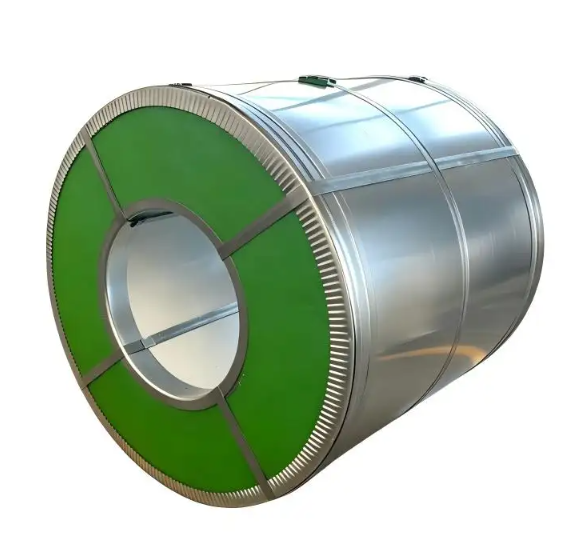
Learn why premium finish galvalume steel coil delivers better paint adhesion and visual consistency in finished building products. Request specs today.
2026/09/10
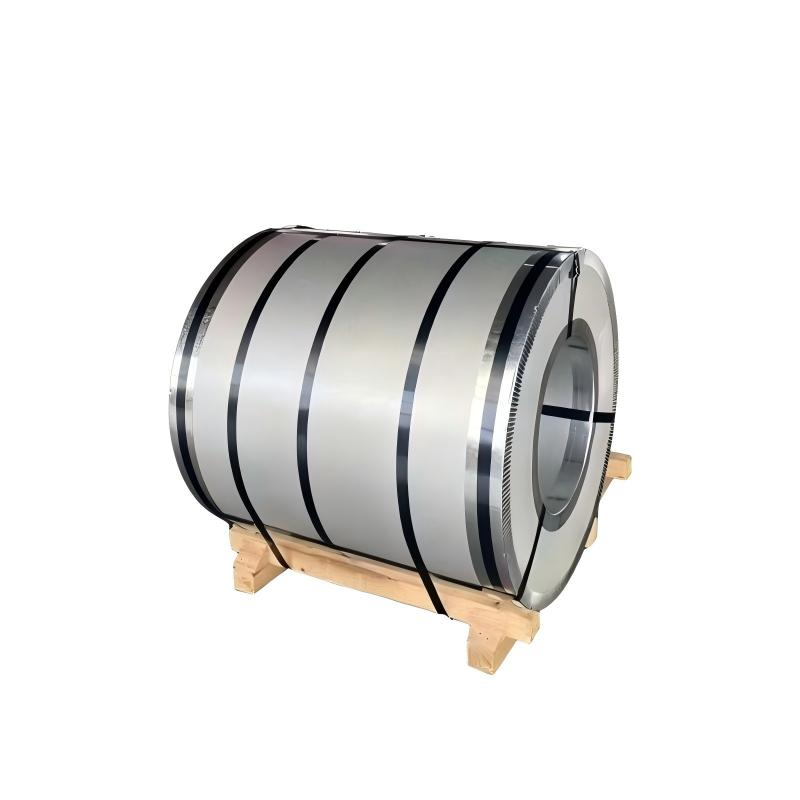
Learn why heavy coating galvalume steel coil provides superior corrosion resistance in harsh coastal settings and saves long-term maintenance costs.
2026/09/10
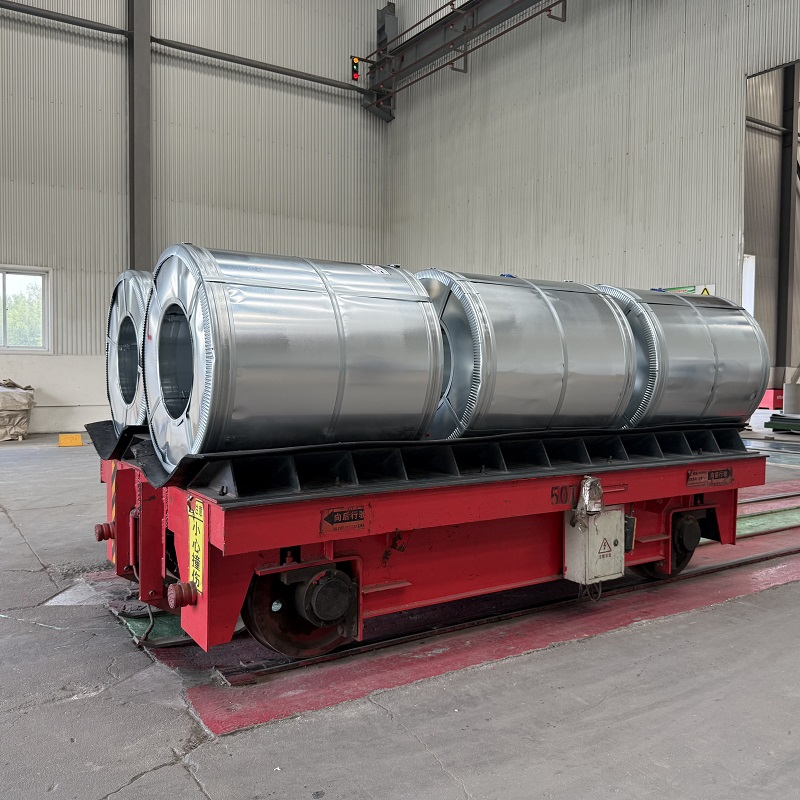
Learn how to test the bending performance of formable galvalume steel coil samples using T-bend testing to prevent cracking and scrap.
2026/09/10
Discover how multi specification galvalume steel coil simplifies purchasing, boosts productivity, and lowers costs for metal fabricators.
2026/09/10
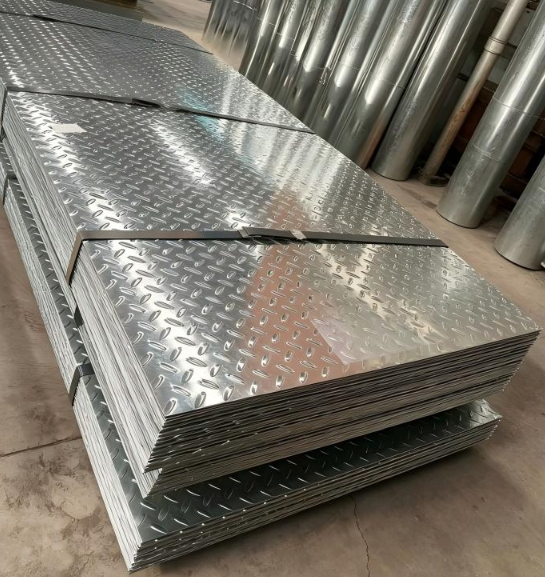
Discover why hot dipped galvanized steel and hot dip galvanized checkered plate offer ideal corrosion resistance and strength for road guardrails.
Covering green transformation, product comparison, selection guide, and industry empowerment, helping you fully grasp the dynamics of the color steel industry.

Global climate action and Belt and Road cooperation are driving the color steel industry’s shift toward green, sustainable development.

Comparing PPGI and PPGL across performance, durability, and applications to help you select the optimal coated steel for your project.
A practical guide to selecting and applying color steel coils, ensuring optimal performance, durability, and cost-effectiveness for your projects.
Industry forum drives digital and green transformation, empowering steel sector development through innovation and collaboration.