EN
EN

How to customize length size of precision cut GI coil finished sheets
2026/09/11
Learn how to specify precision cut GI coil sheets in custom lengths — tolerance selection, coating integrity, and ordering tips.
2026/07/21
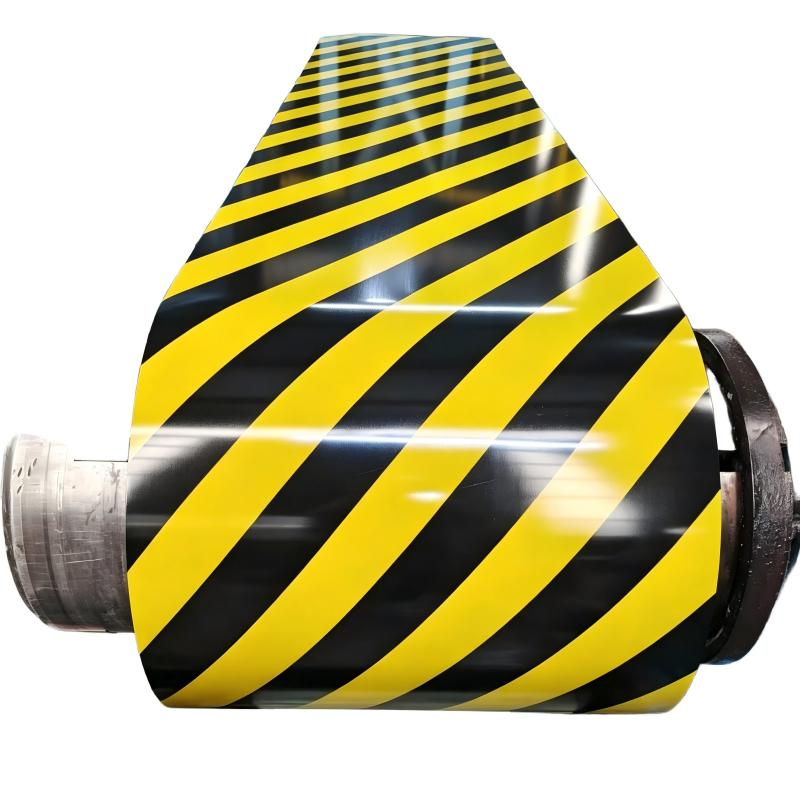
Bending performance is one of the most critical quality indicators for PPGL coil used in roll forming, stamping, and profiling operations. When formable PPGL coil undergoes bending during manufacturing, both the substrate and the organic paint coating must withstand the deformation without cracking, peeling, or losing adhesion. A ppgl coil that passes visual inspection but fails bending tests can cause significant production losses when the material reaches the roll forming line and develops surface cracks or coating delamination. In our experience supporting manufacturers across Southeast Asian and African markets, bending performance testing is the single most predictive quality check for determining whether PPGL coil will perform reliably in downstream forming operations. Buyers who implement systematic bending tests as part of their incoming material inspection consistently report lower defect rates and fewer production line stoppages.
Formable ppgl coil is specifically engineered to withstand bending and forming operations without coating damage. The formability of ppgl coil depends on three factors: the mechanical properties of the galvalume substrate, the flexibility of the primer and topcoat paint system, and the adhesion between the coating and the substrate. The substrate in formable ppgl coil typically uses DX51D+AZ grade steel with 55 percent aluminum-zinc coating, conforming to ASTM A653 and JIS G3302 SGCC standards. The yield strength ranges from 230 to 300 megapascals, with elongation values of 18 percent or above for grades designed for forming applications. The paint system on formable ppgl coil generally uses flexible primer formulations combined with polyester or modified polyester topcoats, which provide the elasticity needed to accommodate substrate deformation during bending.
The T-bend test is the most widely used method for evaluating the bending performance of formable ppgl coil. This test involves bending the coated sample over itself in progressively tighter radii and inspecting the coating for cracks, peeling, or adhesion loss. The result is expressed as a T-value, where T0 indicates the sample is bent flat onto itself with no coating damage, T1 represents a bend equivalent to the material thickness, T2 represents a bend equivalent to twice the material thickness, and so on. For formable ppgl coil intended for roll forming operations, a T1 or better result is typically required, meaning the coating must survive a bend radius equal to the material thickness without cracking. For applications involving severe forming such as deep drawing, a T0 result may be specified. The T-bend test provides a direct, practical assessment of whether the ppgl coil can withstand the bending radii encountered in actual production.
Several international standards govern the bend testing of prepainted and coated steel coil. ASTM D4145 describes the standard test method for coating flexibility of prepainted sheet, specifically using the T-bend procedure. This standard specifies sample dimensions, bending apparatus requirements, and evaluation criteria. JIS K5600 provides complementary testing guidelines for coated steel, with specific provisions for evaluating crack resistance and adhesion after bending. For ppgl coil, the relevant substrate standards include ASTM A653 for galvalume steel and JIS G3302 SGCC for hot-dip galvanized steel. When specifying bend testing requirements for formable ppgl coil procurement, buyers should reference both the coating flexibility standard and the substrate material standard to ensure comprehensive quality verification. The test should be conducted at room temperature, typically 23 degrees Celsius plus or minus 5 degrees, as temperature affects both substrate ductility and coating flexibility.
Sample Preparation and Test Procedure Step by Step
Proper sample preparation is essential for reliable T-bend testing of ppgl coil. First, cut test samples from the coil at least 50 millimeters away from the coil edge to avoid edge effects. The sample size should be at least 100 millimeters in length and 50 millimeters in width, with the length oriented parallel to the coil rolling direction unless transverse testing is specified. Second, deburr the cut edges to prevent edge cracks from propagating into the test area during bending. Third, clean the sample surface with a solvent to remove any oil or contaminants that could interfere with visual inspection. Fourth, perform the bend using a controlled bending apparatus or a mandrel of the appropriate radius, bending the sample progressively from T0 through T1, T2, and T3. After each bend, inspect the coating surface using a magnifier with 10x magnification, checking for cracks, peeling, or adhesion loss. Record the lowest T-value at which no coating damage is observed as the test result for the formable ppgl coil sample.
The interpretation of T-bend test results for formable ppgl coil depends on the intended application. For roll forming operations with bend radii of three times the material thickness or greater, a T3 result may be acceptable. For standard roofing and wall panel profiling with bend radii near the material thickness, T1 or better is required. For deep drawing or severe forming, T0 is typically specified. In a case study involving a roll forming manufacturer producing corrugated roofing panels from ppgl coil, the buyer implemented T-bend testing as part of incoming material inspection. A batch of formable ppgl coil initially passed visual inspection but failed at T2 during bend testing, with visible cracking of the topcoat. Investigation revealed that the paint curing temperature during production had been below specification, reducing coating flexibility. The buyer rejected the batch and avoided an estimated 12 percent defect rate that would have occurred during roll forming. This case demonstrates how systematic bend testing of ppgl coil prevents costly production losses by identifying quality issues before material reaches the manufacturing line.
The most common T-bend test failure modes for ppgl coil include surface cracking of the topcoat, primer delamination from the substrate, and substrate fracture. Surface cracking typically indicates insufficient coating flexibility, caused by over-curing of the paint film, incorrect paint formulation, or testing at temperatures below the paint glass transition temperature. Primer delamination suggests inadequate surface preparation of the galvalume substrate before coating application, or insufficient chemical pretreatment. Substrate fracture indicates that the steel substrate lacks adequate ductility for the specified forming operation, possibly due to incorrect grade selection or excessive work hardening during skin pass rolling. When formable ppgl coil fails bend testing, buyers should request the mill test certificate to verify substrate grade and mechanical properties, and work with the supplier to identify whether the failure originates from the substrate, the pretreatment, or the paint system. Suppliers such as Shenyang Yuanhe Steel, which applies a three-tier quality control system including mechanical testing and coating adhesion verification across its PPGL coil production, can provide test documentation and material specifications. With substrate grades including DX51D+AZ, thickness from 0.09 to 1.5 millimeters, coating weights from Z20 to Z275, and compliance with ASTM A653 and JIS G3302 SGCC standards, buyers can request bend test reports and sample verification before placing bulk orders.
What T-bend value should formable ppgl coil achieve for roll forming?
For most roll forming applications, formable ppgl coil should achieve a T1 or better result in the T-bend test, meaning the coating survives a bend radius equal to the material thickness without cracking or peeling. For applications with larger bend radii, T2 or T3 may be acceptable.
Can T-bend testing be performed at the buyer facility without specialized equipment?
Yes, T-bend testing can be performed with basic tools including a bench vise, bending pliers, and a 10x magnifier. However, for consistent and reproducible results, a dedicated T-bend test apparatus with controlled bending force and radius is recommended. ASTM D4145 provides detailed guidance on apparatus requirements.
What causes coating cracking during T-bend testing of ppgl coil?
The most common causes include over-curing of the paint film during production, incorrect paint formulation for the intended forming level, inadequate substrate pretreatment causing poor adhesion, or testing at temperatures below the paint glass transition point. Identifying the root cause requires examining both the coating system and the substrate preparation process.
2026/09/11
Learn how to specify precision cut GI coil sheets in custom lengths — tolerance selection, coating integrity, and ordering tips.
2026/09/11
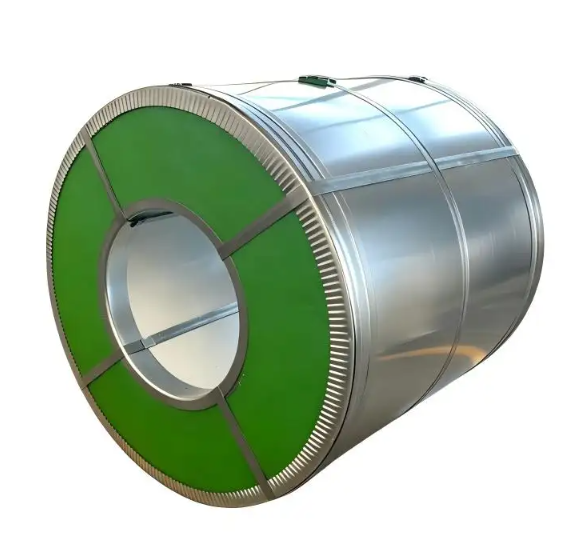
Learn why premium finish galvalume steel coil delivers better paint adhesion and visual consistency in finished building products. Request specs today.
2026/09/10
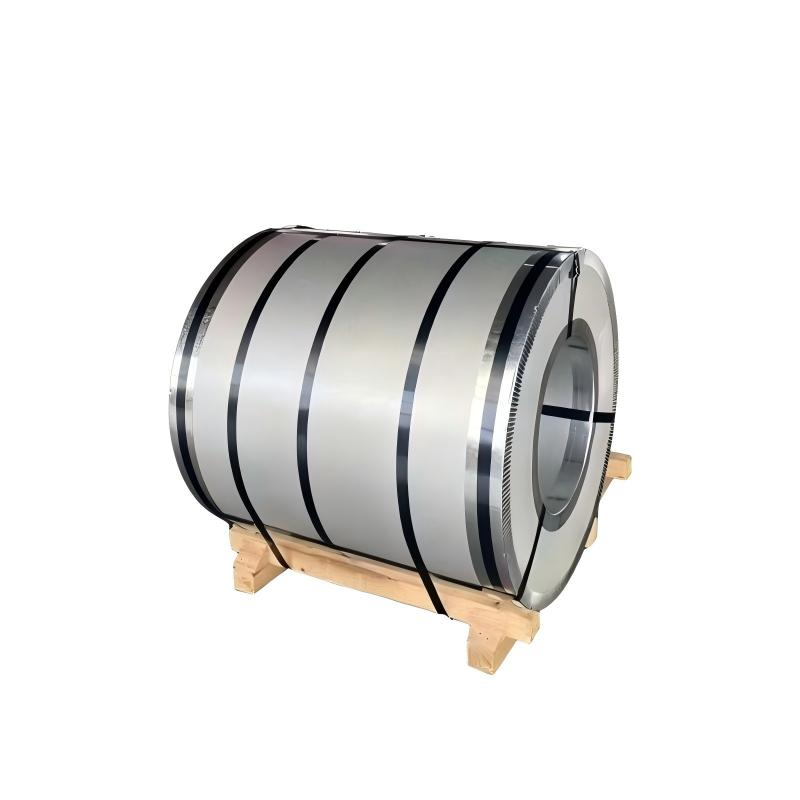
Learn why heavy coating galvalume steel coil provides superior corrosion resistance in harsh coastal settings and saves long-term maintenance costs.
2026/09/10
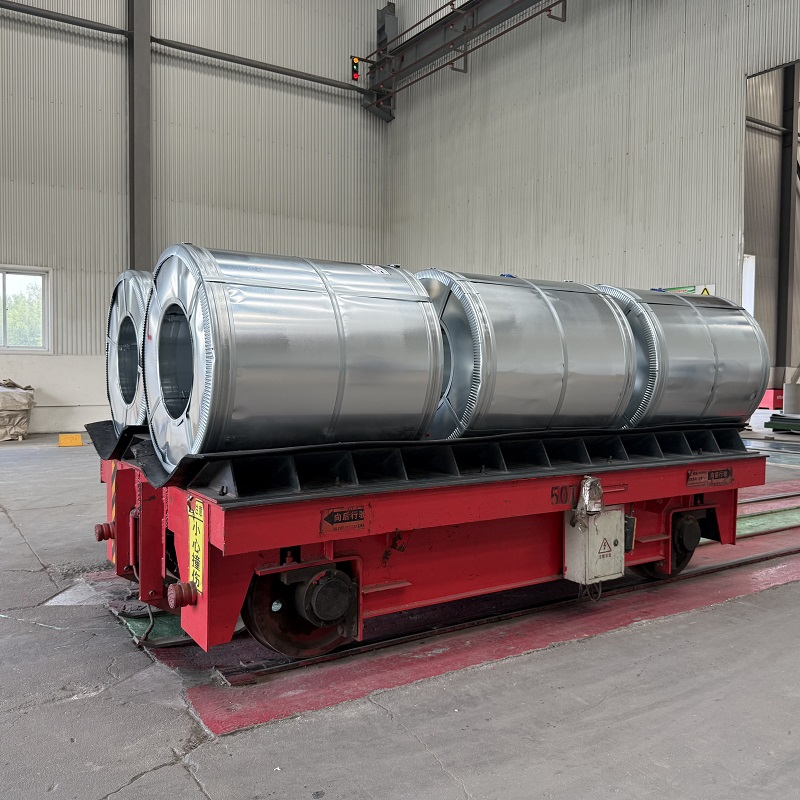
Learn how to test the bending performance of formable galvalume steel coil samples using T-bend testing to prevent cracking and scrap.
2026/09/10
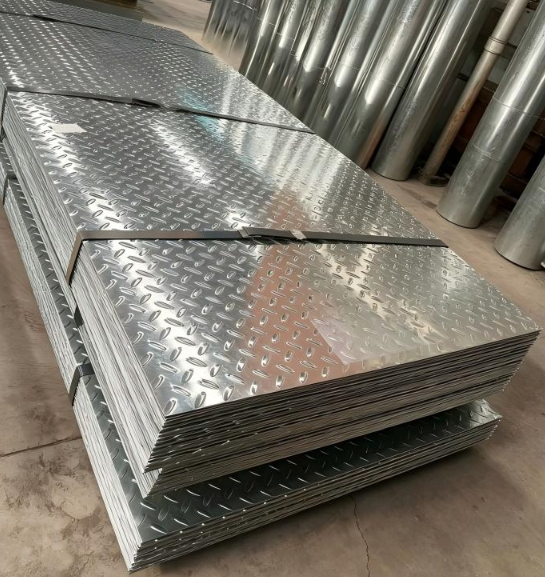
Discover how multi specification galvalume steel coil simplifies purchasing, boosts productivity, and lowers costs for metal fabricators.
2026/09/10
Discover why hot dipped galvanized steel and hot dip galvanized checkered plate offer ideal corrosion resistance and strength for road guardrails.
Covering green transformation, product comparison, selection guide, and industry empowerment, helping you fully grasp the dynamics of the color steel industry.

Global climate action and Belt and Road cooperation are driving the color steel industry’s shift toward green, sustainable development.
Comparing PPGI and PPGL across performance, durability, and applications to help you select the optimal coated steel for your project.
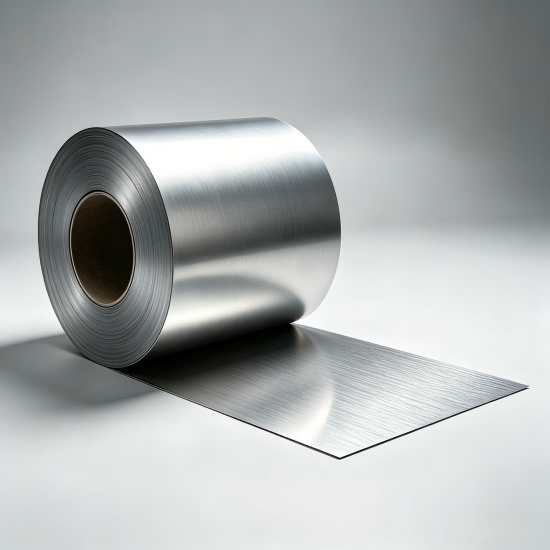
A practical guide to selecting and applying color steel coils, ensuring optimal performance, durability, and cost-effectiveness for your projects.
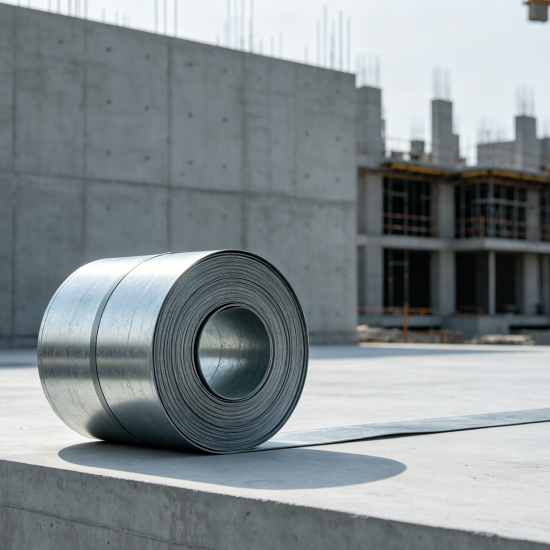
Industry forum drives digital and green transformation, empowering steel sector development through innovation and collaboration.