EN
EN

How to customize length size of precision cut GI coil finished sheets
2026/09/11
Learn how to specify precision cut GI coil sheets in custom lengths — tolerance selection, coating integrity, and ordering tips.
2026/08/14
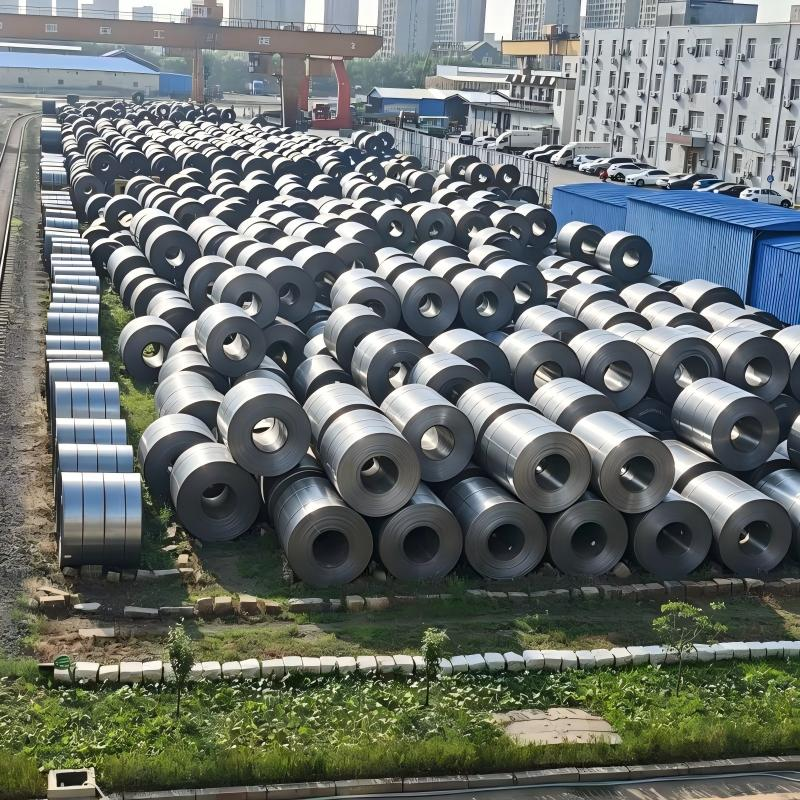
Maintaining the quality of a hot dipped galvanized coil during transit and warehouse storage is just as critical as controlling the initial hot-dip process on the production line. When freshly galvanized steel meets trapped moisture and poor airflow, a chalky white film known as wet storage stain—or white rust—can form fast.
This white, powdery deposit is far more than a minor visual flaw. Left unchecked, it eats directly into the metallic zinc coating, stripping away the sacrificial barrier that shields the steel core from corrosion. For distributors, steel service centers, and manufacturing plants, preventing white rust during coil storage is essential to preserving material value and avoiding costly customer rejections. By choosing a stable surface GI coil with proper chemical passivation and combining it with smart warehouse management, handlers can keep inventory in factory-fresh condition for months.
To prevent white rust, it helps to understand the chemical reaction that drives it. Under normal outdoor conditions, a hot dipped galvanized coil undergoes a natural aging process. The metallic zinc reacts with atmospheric oxygen to form zinc oxide, which then reacts with moisture to form zinc hydroxide. Over time, as air circulates freely across the surface, this zinc hydroxide absorbs carbon dioxide from the air to form zinc carbonate.This zinc carbonate film forms a hard, stable, insoluble patina that gives galvanized steel its long-term outdoor durability. However, when water gets trapped between tightly wound steel wraps or stacked sheets where fresh air cannot circulate, the process stalls at the zinc hydroxide stage.
Without carbon dioxide to complete the transformation, zinc hydroxide builds up rapidly into a porous, chalky mass. This reaction actively consumes the pure zinc coating, exposing the underlying steel to premature red rust if the moisture is not removed quickly.
White rust does not form randomly; it thrives under specific environmental triggers during coil storage:
Elevated Relative Humidity: Humidity levels above 70% create ideal conditions for surface condensation, especially when warehouse temperatures fluctuate.
Liquid Water Exposure: Rain, meltwater, or condensation settling between tight coil wraps creates localized corrosion cells.
Stagnant Air Circulation: Stacking coils too closely or wrapping them tightly in non-breathable plastic starves the zinc layer of carbon dioxide.
Early Surface Reactivity: During the first four to six weeks after hot-dip processing, the zinc coating is highly reactive and needs careful handling while its passive film develops.
Using a stable surface GI coil that features a chromate or chromium-free passivation treatment provides a valuable protective buffer. Passivation slows down early surface reactions, but even passivated steel can develop white rust if stored in standing water or unventilated spaces.
Managing warehouse conditions requires balancing temperature control, humidity levels, and ventilation. The target storage setup varies depending on how long the steel will sit in inventory.
| Storage Scenario | Maximum Recommended Duration | Ambient Temperature | Maximum Relative Humidity | Air Circulation Setup | Surface Protection Strategy |
| Climate-Controlled Facility | 6+ Months | 10°C to 30°C | Below 60% | Continuous 0.5 m/s forced airflow | Passivation + Desiccant packs |
| Ventilated Indoor Warehouse | 3 to 6 Months | 10°C to 40°C | Below 70% | Natural ridge vents + Circulating fans | Passivation + Timber bearers |
| Covered Yard / Semi-Outdoor | 1 to 3 Months | Ambient | Below 75% | Open-sided natural air movement | Breathable tarps with air gaps |
| Temporary Outdoor Staging | Max 2 Weeks | Ambient | N/A | High natural airflow | Elevated pallets + Slanted covers |
| Seaborne Transit Containers | Transit Duration | Variable | Controlled | VCI paper + Desiccant packs | Breathable wrap + Moisture absorbers |
Keeping air moving across stored inventory is the single most effective way to prevent white rust on a hot dipped galvanized coil. Continuous airflow evaporates surface moisture before it can react with the zinc coating and delivers the carbon dioxide needed to build a protective patina.
To maintain proper warehouse airflow, consider these layout best practices:
Elevate Inventory Off the Ground: Always store coils on wooden bearers, rubber saddles, or pallets. Floor-level contact traps ground moisture and cold air, encouraging condensation.
Maintain Clearance Distance: Keep at least 30 centimeters of open space between steel coils and building walls, and leave 50 centimeters between parallel coil rows to permit unhindered airflow.
Eliminate Dead Air Zones: Use ceiling-mounted exhaust fans or floor circulators to eliminate stagnant air pockets in warehouse corners and low-lying storage bays.
Avoid Airtight Plastic Wraps: Never seal a hot dipped galvanized coil inside impermeable plastic sheeting. Trapped ambient humidity will condense inside the sealed bubble as temperatures change, causing rapid wet storage staining.
Regular inspections help catch wet storage stain before it degrades the structural integrity of the metallic zinc coating. Inspect inventory weekly during the first month of storage, focusing closely on the inner eye, bottom lap edges, and contact points on support saddles.
If inspection reveals light white powder without visible pitting, immediately move the affected stock to a well-ventilated, dry area. Separate tightly packed coils to allow air circulation. In most mild cases, the surface will dry out, the reaction will stop, and normal exposure to atmospheric air will gradually convert the white powder into a stable zinc carbonate surface.
For noticeable white deposits that feel slightly rough to the touch, brush the area gently using a soft nylon-bristled brush to remove loose powder. Never use steel wire brushes or harsh acid cleaners, as they strip away remaining protective zinc. Once brushed, allow the metal to dry completely in a warm, ventilated space.
When white rust forms a thick crust accompanied by dark grey or brownish staining, the corrosion has consumed a significant portion of the protective zinc coating. At this stage, measure the remaining zinc layer thickness using a magnetic coating gauge to determine if the material still meets project engineering specs.
Long-distance ocean freight poses severe white rust risks due to constant humidity changes inside shipping containers and vessel holds. The key to preserving a stable surface GI coil during sea transit lies in managing condensation inside the export packaging.
Rather than sealing coils in airtight plastic, export packs should combine high-performance Volatile Corrosion Inhibitor (VCI) paper with breathable outer woven wrapping and heavy-duty desiccant bags. Allowing coils to age for several days in a ventilated mill environment before final packaging also gives the fresh zinc layer time to settle, lowering surface reactivity during transit.
Protecting galvanized steel against white rust requires strict quality management at every stage, from hot-dip bath chemistry and online passivation to final packaging and delivery. A well-applied passivation layer provides the crucial first line of defense that keeps steel surfaces clean throughout international transit and warehouse staging.
Shenyang Yuanhe produces premium hot dipped galvanized coil inventory featuring consistent coating weights and reliable chromate or chromium-free passivation options. Supported by flexible manufacturing capabilities and comprehensive global logistics management, the enterprise supplies high-grade stable surface GI coil products backed by clear storage guidance to help partners preserve material quality in any climate zone.
2026/09/11
Learn how to specify precision cut GI coil sheets in custom lengths — tolerance selection, coating integrity, and ordering tips.
2026/09/11
Learn why premium finish galvalume steel coil delivers better paint adhesion and visual consistency in finished building products. Request specs today.
2026/09/10
Learn why heavy coating galvalume steel coil provides superior corrosion resistance in harsh coastal settings and saves long-term maintenance costs.
2026/09/10
Learn how to test the bending performance of formable galvalume steel coil samples using T-bend testing to prevent cracking and scrap.
2026/09/10
Discover how multi specification galvalume steel coil simplifies purchasing, boosts productivity, and lowers costs for metal fabricators.
2026/09/10
Discover why hot dipped galvanized steel and hot dip galvanized checkered plate offer ideal corrosion resistance and strength for road guardrails.
Covering green transformation, product comparison, selection guide, and industry empowerment, helping you fully grasp the dynamics of the color steel industry.

Global climate action and Belt and Road cooperation are driving the color steel industry’s shift toward green, sustainable development.

Comparing PPGI and PPGL across performance, durability, and applications to help you select the optimal coated steel for your project.
A practical guide to selecting and applying color steel coils, ensuring optimal performance, durability, and cost-effectiveness for your projects.
Industry forum drives digital and green transformation, empowering steel sector development through innovation and collaboration.