EN
EN

How to customize length size of precision cut GI coil finished sheets
2026/09/11
Learn how to specify precision cut GI coil sheets in custom lengths — tolerance selection, coating integrity, and ordering tips.
2026/09/10
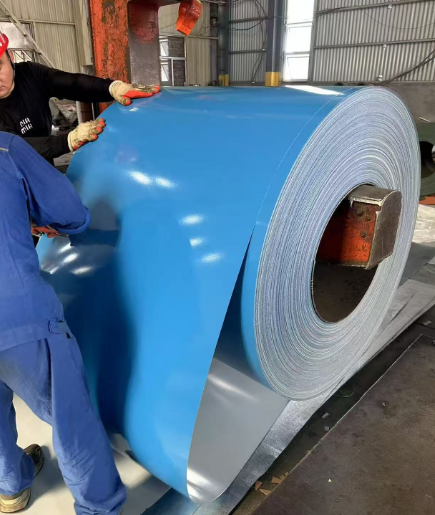
Metal stamping remains one of the most punishing manufacturing environments for raw materials. High-tonnage presses demand material that can flow cleanly under immense pressure without cracking, warping, or tearing up expensive tooling. Within this high-stakes production environment, managing stamping steel hardness in every hot rolled steel coil feed becomes the primary focal point for maintaining consistent part quality, lowering rejection rates, and protecting die investments. A miscalculation in hardness specs or yield variance between master batches can instantly trigger costly tool failure, excessive press downtime, or severe dimensional non-conformity due to unpredictable elastic recovery. Deep domain experience across regional press shops reveals that many chronic forming defects originate long before the coil reaches the uncoiler. Standardizing mechanical properties across incoming shipments forms the backbone of stable press line performance.
In the flat-rolled steel sector, engineers rarely evaluate a hot rolled coil using conventional indentation methods like Rockwell B or Brinell for press shop suitability. Instead, tensile properties—specifically yield strength and ultimate tensile strength—serve as the true benchmarks for material hardness and formability.
For high-speed press operations, yield strength represents the single most important variable. It defines the precise force threshold required to initiate permanent plastic deformation. If the incoming material exhibits higher yield values than the press setup anticipates, the metal resists flowing into the die cavity, placing extreme stress on punch corners and radius edges. Conversely, under-strength material may yield too early, causing uneven thinning or structural buckling under load.
| Steel Grade Classification | Yield Strength | Tensile Strength | Elongation Range | Core Press Applications |
|---|---|---|---|---|
| Soft Forming Grades | 180 - 250 MPa | 280 - 380 MPa | 28 - 35% | Deep drawing, intricate automotive housings, complex geometry brackets |
| Medium Structural Grades | 250 - 350 MPa | 380 - 480 MPa | 22 - 28% | Truck chassis components, heavy mounting brackets, structural reinforcement gussets |
| High-Strength Structural Grades | 350 - 550 MPa | 480 - 620 MPa | 15 - 22% | Heavy-duty vehicle frames, load-bearing crossmembers, impact protection members |
Achieving optimal press room yield requires managing a strict trade-off between mechanical strength and ductility. As yield strength increases within any hot rolled steel coil family, elongation drops naturally. This direct relationship directly dictates minimum bend radii, draw ratios, and edge stretch capabilities.
When press shops process structural components, the selected hot rolled coil must deliver sufficient yield performance to satisfy final product safety codes. However, if the elongation drops below the required threshold for complex tight-radius bends, micro-fracturing inevitably occurs along the outer tension zone of the bend axis.
A practical example from agricultural machinery manufacturing illustrates this balance. A heavy equipment press facility running tractor frame supports from a 350 MPa yield strength hot rolled steel coil experienced an unacceptable 12% rejection rate due to severe flank cracking along a critical 90-degree radius line. Tooling adjustments failed to stop the splitting because the core material lacked sufficient stretch capacity.
By restructuring the material specification to a normalized structural grade offering a consistent 280 MPa yield strength alongside 30% elongation, the scrap rate dropped below 1.5%. Concurrently, die wear plummeted, extending punch maintenance intervals by over 40%. For non-structural cover plates or prepainted secondary enclosures running on adjacent stamping lines, utilizing a specialized formable PPGI steel coil feed achieves smooth deep-drawing behavior while preserving pre-finished surface integrity. Matching the mechanical profile directly to the specific forming mechanism eliminates costly trial-and-error adjustments during production runs.
Springback is the elastic tension that remains inside the sheet after the press ram completes its stroke and retracts. The moment holding pressure vanishes, the formed steel partially springs back toward its flat profile. The magnitude of this elastic recovery correlates directly with material yield strength and thickness ratios.
Lower strength stock possessing a 250 MPa yield strength generally yields a predictable 2 to 3 degrees of springback in a standard right-angle die bend. When stamping high-strength materials exhibiting a 400 MPa yield strength, elastic recovery can quickly leap to 6 to 8 degrees under identical tooling geometry.
To compensate for this elastic release, toolmakers engineer overbend angles into die cavities. The required angular compensation scales proportionally to the material yield strength divided by its elastic modulus. For a standard hot rolled coil running at 300 MPa yield strength, the typical overbend allowance on a 90-degree air bend die ranges between 3 and 4 degrees.
The real operational hazard in high-volume production is batch-to-batch variation. If one incoming hot rolled steel coil shipment arrives at 290 MPa and the next shipment registers at 340 MPa, the physical springback profile fluctuates wildly. This inconsistency results in out-of-tolerance parts, assembly alignment failures, and endless press setup modifications. Establishing tight order specs—limiting yield strength tolerances to +/- 20 MPa across all delivered coils—ensures stable springback behavior, predictable angle repeatability, and uniform dimensional output across every shift.
While controlling mechanical stamping steel hardness solves structural cracking and springback issues, overall sheet surface quality remains equally important for tooling endurance and finish quality. Standard mill scale on unpickled material breaks away under high forming pressures, transforming into abrasive particles that scour die surfaces and embed deep inside forming cavities.
Edge micro-cracks and scale pits function as high-stress concentration points during deep draws or tight bending operations. Under tension, these tiny surface imperfections quickly expand into full-thickness wall cracks.
For demanding draw applications or exposed components, pickled and oiled hot rolled steel coil provides a superior processing substrate. The pickling bath completely removes hard oxide scale, exposing the underlying steel grain for thorough automated inspection before the stock enters blanking tools. Applying a light, consistent oil coating reduces drawing friction, slows heat generation across die faces, and prevents premature metal galling.
Achieving tight control over stamping steel hardness requires close collaboration between stamping plants and specialized steel service operations. Stable mechanical performance begins at the rolling mill, where advanced laminar cooling systems and precise thermo-mechanical control process (TMCP) parameters fix grain structures and strength levels consistently from the inner wrap to the outer tail of every master roll.
Operating as a globally trusted raw material partner, Yuanhe Steel distributes comprehensive flat steel inventories tailored specifically for precision stamping, roll forming, and structural fabrication requirements. With extensive stock covering carbon grades from soft Q195 up to high-strength Q460, Yuanhe Steel provides complete coverage across the entire strength spectrum from 195 MPa up to 460 MPa yield strength.
By maintaining robust persistent stock volumes exceeding 10,000 metric tons alongside agile processing lead times ranging from 6 to 14 days, Yuanhe Steel ensures that high-volume press operations access fully trace-tested, structurally consistent material precisely when production schedules demand it.
Achieving high press room efficiency, long die life, and tight part tolerances requires a comprehensive approach to sheet material selection. By managing yield strength ranges with narrow tolerances, balancing ductility against structural requirements, and deploying appropriate surface finishes, stamping facilities can turn potential forming bottlenecks into smooth, predictable manufacturing workflows.
2026/09/11
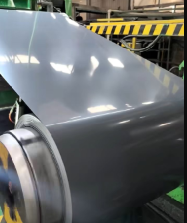
Learn how to specify precision cut GI coil sheets in custom lengths — tolerance selection, coating integrity, and ordering tips.
2026/09/11
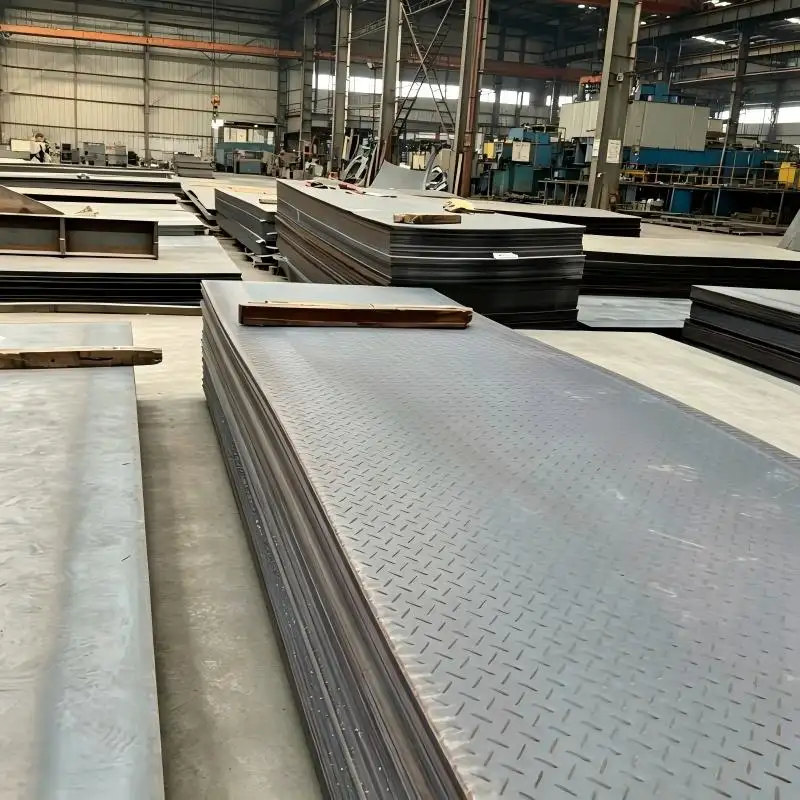
Learn why premium finish galvalume steel coil delivers better paint adhesion and visual consistency in finished building products. Request specs today.
2026/09/10
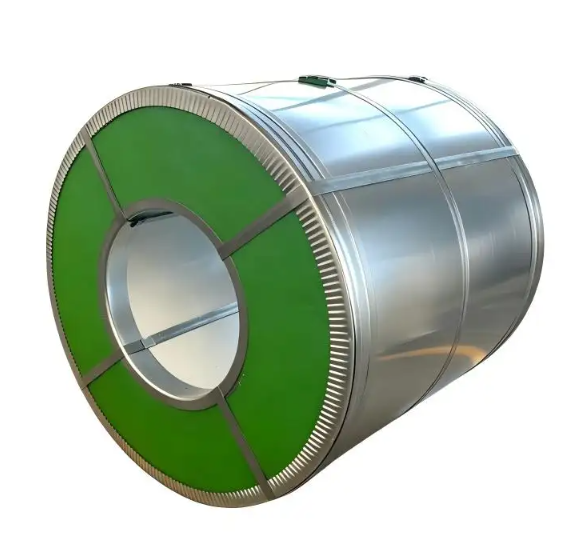
Learn why heavy coating galvalume steel coil provides superior corrosion resistance in harsh coastal settings and saves long-term maintenance costs.
2026/09/10
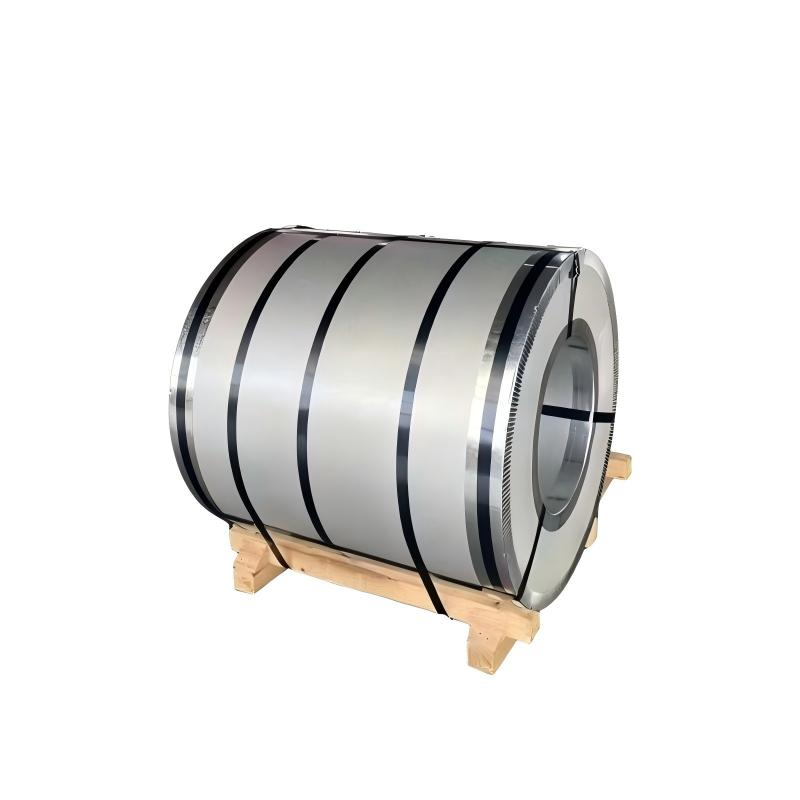
Learn how to test the bending performance of formable galvalume steel coil samples using T-bend testing to prevent cracking and scrap.
2026/09/10
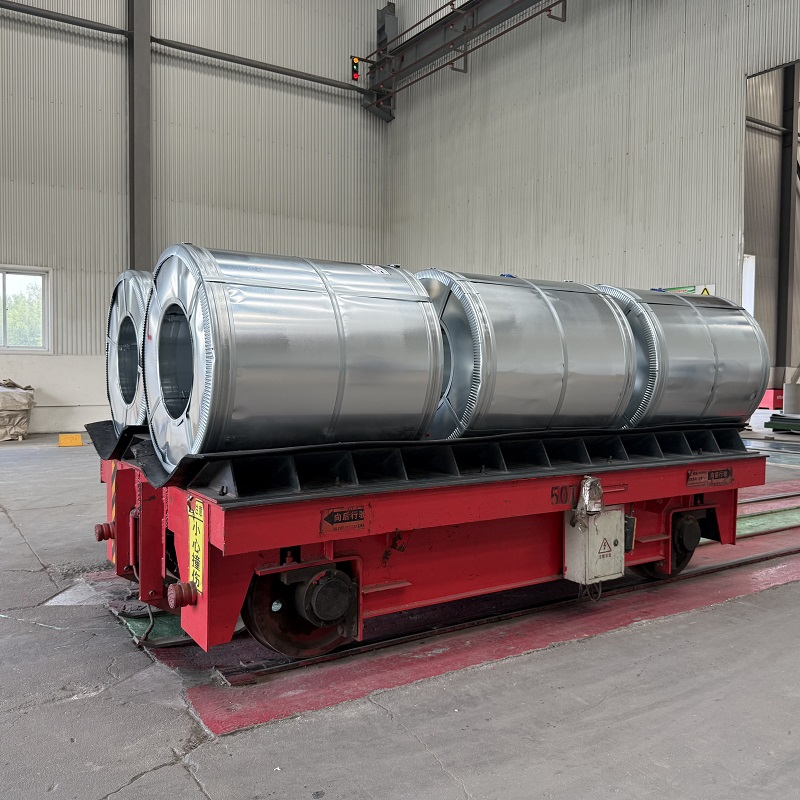
Discover how multi specification galvalume steel coil simplifies purchasing, boosts productivity, and lowers costs for metal fabricators.
2026/09/10
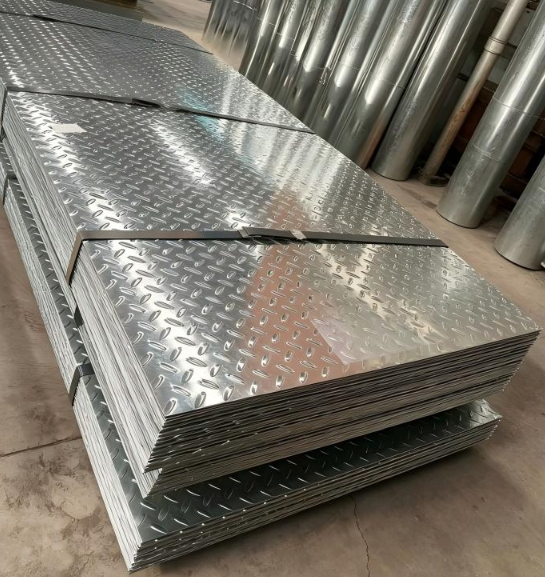
Discover why hot dipped galvanized steel and hot dip galvanized checkered plate offer ideal corrosion resistance and strength for road guardrails.
Covering green transformation, product comparison, selection guide, and industry empowerment, helping you fully grasp the dynamics of the color steel industry.

Global climate action and Belt and Road cooperation are driving the color steel industry’s shift toward green, sustainable development.

Comparing PPGI and PPGL across performance, durability, and applications to help you select the optimal coated steel for your project.
A practical guide to selecting and applying color steel coils, ensuring optimal performance, durability, and cost-effectiveness for your projects.
Industry forum drives digital and green transformation, empowering steel sector development through innovation and collaboration.