EN
EN

How to customize length size of precision cut GI coil finished sheets
2026/09/11
Learn how to specify precision cut GI coil sheets in custom lengths — tolerance selection, coating integrity, and ordering tips.
2026/07/21
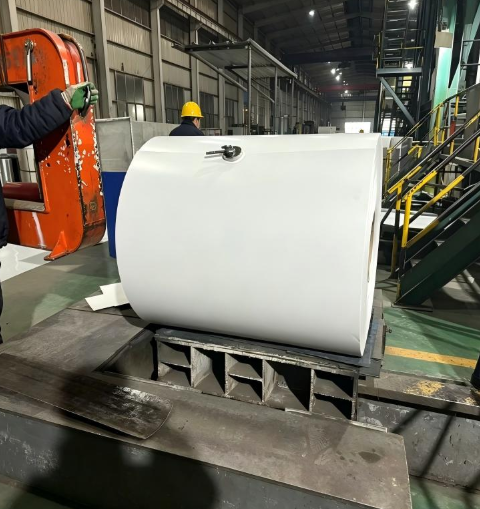
The global construction industry is increasingly adopting lightweight building facade systems to reduce structural load, simplify installation, and improve energy efficiency. Colour coated aluminium coil has become a preferred material for these applications due to its combination of low density, corrosion resistance, and aesthetic versatility. Selecting the appropriate colour coated aluminium coil for a facade project requires understanding the relationship between alloy grade, temper condition, coating system, and dimensional specifications for colour coated aluminium coil. In our experience supporting architectural projects across Central Asian and Southeast Asian markets, colour coated aluminium coil material selection errors at the design stage frequently lead to performance issues including panel oil canning, color fading, and coating delamination on colour coated aluminium coil. Custom thickness aluminum coil specifications are particularly important for facade projects using colour coated aluminium coil, as standard thicknesses may not meet the structural and aesthetic requirements of specific colour coated aluminium coil panel systems.
The alloy grade of colour coated aluminium coil for facade applications typically falls within the 3000 or 5000 series. Alloy 3003 is the most common choice for general colour coated aluminium coil facade panels, offering good formability and moderate strength. Alloy 3004 provides higher strength and is preferred for larger colour coated aluminium coil panel sizes or areas with higher wind loads. Alloy 5005 offers superior corrosion resistance and is recommended for coastal colour coated aluminium coil projects. The temper condition affects both formability and surface flatness of colour coated aluminium coil, with H14, H16, and H24 being the most commonly specified tempers for colour coated aluminium coil facade applications. The coating system on colour coated aluminium coil must be selected based on UV exposure requirements, with PVDF polyvinylidene fluoride coatings providing the highest weatherability for colour coated aluminium coil projects with 20-year or longer color warranty requirements. For projects requiring custom thickness aluminum coil with moderate exposure and shorter warranty periods, SMP silicone modified polyester offers a cost-effective alternative for colour coated aluminium coil with good color retention.
The thickness of colour coated aluminium coil for facade applications typically ranges from 0.5 to 1.5 millimeters, with the specific value determined by colour coated aluminium coil panel size, wind load requirements, and the supporting structural system. For colour coated aluminium coil panels up to 1 meter in width, a thickness of 0.5 to 0.7 millimeters may be sufficient. For colour coated aluminium coil panels between 1 and 1.5 meters in width, 0.8 to 1.0 millimeters is recommended. For larger colour coated aluminium coil panels or areas with high wind loads, custom thickness aluminum coil of 1.2 to 1.5 millimeters provides the necessary rigidity to prevent oil canning on colour coated aluminium coil, a visible surface waviness that occurs when the panel thickness is insufficient for its span. Selecting the correct custom thickness aluminum coil also affects the flatness of the finished colour coated aluminium coil panel after forming. Insufficient custom thickness aluminum coil can lead to visible distortion under thermal cycling on colour coated aluminium coil, while excessive thickness adds unnecessary weight and cost to colour coated aluminium coil. Buyers should consult structural calculations and panel manufacturer recommendations to determine the optimal custom thickness aluminum coil for each colour coated aluminium coil facade zone.
The coating system on colour coated aluminium coil directly determines the color retention and weathering performance of the colour coated aluminium coil facade. Three main coating types are used for colour coated aluminium coil architectural applications. Polyester PE coatings offer good formability and color selection for colour coated aluminium coil at an economical price point, suitable for interior colour coated aluminium coil applications or short-term exterior use with expected service life of 5 to 8 years. SMP silicone modified polyester coatings on colour coated aluminium coil provide enhanced UV resistance and color retention, with expected exterior service life of 10 to 15 years, making them suitable for moderate climate colour coated aluminium coil facade applications. PVDF coatings on colour coated aluminium coil containing at least 70 percent PVDF resin provide the highest level of weatherability for colour coated aluminium coil, with color change limited to 5 Delta E units over 20 years of exposure, making them the standard for premium colour coated aluminium coil facade projects with long-term warranty requirements. The coating thickness for facade-grade colour coated aluminium coil should meet the specification of at least 20 micrometers for the topcoat and 8 micrometers for the primer on colour coated aluminium coil, with a backer coat of 8 to 10 micrometers to prevent coil set marking and improve colour coated aluminium coil corrosion resistance. Custom thickness aluminum coil with appropriate coating systems ensures long-term colour coated aluminium coil performance.
Color selection for colour coated aluminium coil in facade projects involves both aesthetic and performance considerations. Light colors on colour coated aluminium coil such as whites, light grays, and pastels reflect more solar radiation, reducing building cooling loads in hot climates. Dark colors on colour coated aluminium coil absorb heat and may require higher coating thermal resistance to prevent coating degradation from thermal cycling on colour coated aluminium coil. The gloss level of colour coated aluminium coil, measured as a percentage of reflected light at a 60-degree angle, affects both appearance and dirt retention on colour coated aluminium coil. High gloss finishes of 70 to 80 percent on colour coated aluminium coil provide a vibrant appearance but show surface imperfections and dirt more readily. Medium gloss of 30 to 50 percent is the most common choice for colour coated aluminium coil facade projects, balancing aesthetics with maintenance requirements. Low gloss or matte finishes of 10 to 20 percent on colour coated aluminium coil minimize visible surface imperfections and are preferred for large colour coated aluminium coil panel areas where flatness consistency is challenging. For projects requiring custom thickness aluminum coil with custom colors, RAL or Pantone matching with spectrophotometric verification ensures colour coated aluminium coil consistency across multiple coil batches.
In a commercial tower project in Central Asia, the architect specified colour coated aluminium coil for a 12,000 square meter curtain wall facade system. The project required custom thickness aluminum coil of 1.0 millimeters in alloy 3004 H24 temper, with PVDF coating on colour coated aluminium coil in RAL 7016 anthracite gray at medium gloss. The buyer sourced the colour coated aluminium coil from a supplier capable of providing custom thickness aluminum coil specifications with tight tolerance control of plus or minus 0.03 millimeters. The PVDF coating system on colour coated aluminium coil with 25 micrometers topcoat thickness ensured color consistency across all colour coated aluminium coil panel batches, verified through Delta E measurement below 1.5. The lightweight nature of the colour coated aluminium coil, at approximately one-third the weight of equivalent steel panels, reduced the structural support requirements by 28 percent compared to a steel-based facade system. The custom thickness aluminum coil project achieved successful colour coated aluminium coil installation with zero panel rejections related to material quality. Suppliers such as Shenyang Yuanhe Steel, which maintains over 10,000 metric tons of standing inventory and offers custom thickness, color, and width specifications across its coated steel and colour coated aluminium coil product lines, can support facade project requirements. With coating weights from Z20 to Z275, compliance with ASTM A653 and JIS G3302 SGCC standards, and value-added processing including slitting, cutting, and flattening, buyers can request colour coated aluminium coil material specifications and custom thickness aluminum coil processing services tailored to their facade project demands.
What alloy grade is best for colour coated aluminium coil in coastal facade projects? Alloy 5005 is recommended for coastal colour coated aluminium coil facade projects due to its superior corrosion resistance. For inland projects with moderate environmental exposure, alloy 3003 or 3004 colour coated aluminium coil provides adequate performance at a lower cost. The alloy selection for colour coated aluminium coil should be based on the specific environmental conditions and project warranty requirements.
When should I specify custom thickness aluminum coil instead of standard thickness? Custom thickness aluminum coil should be specified when the colour coated aluminium coil facade panel size, wind load, or structural support system requires a thickness outside the standard range for colour coated aluminium coil. Custom thickness aluminum coil specifications allow optimization of colour coated aluminium coil material usage for panels with unique span or loading conditions, avoiding both under-specification that leads to oil canning and over-specification of colour coated aluminium coil that adds unnecessary cost.
2026/09/11
Learn how to specify precision cut GI coil sheets in custom lengths — tolerance selection, coating integrity, and ordering tips.
2026/09/11
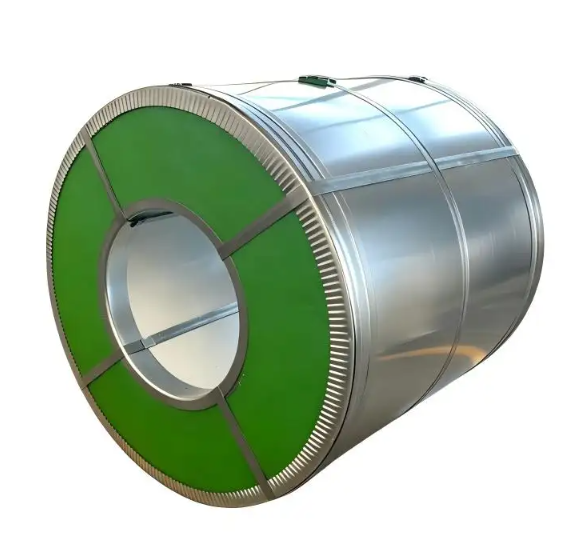
Learn why premium finish galvalume steel coil delivers better paint adhesion and visual consistency in finished building products. Request specs today.
2026/09/10
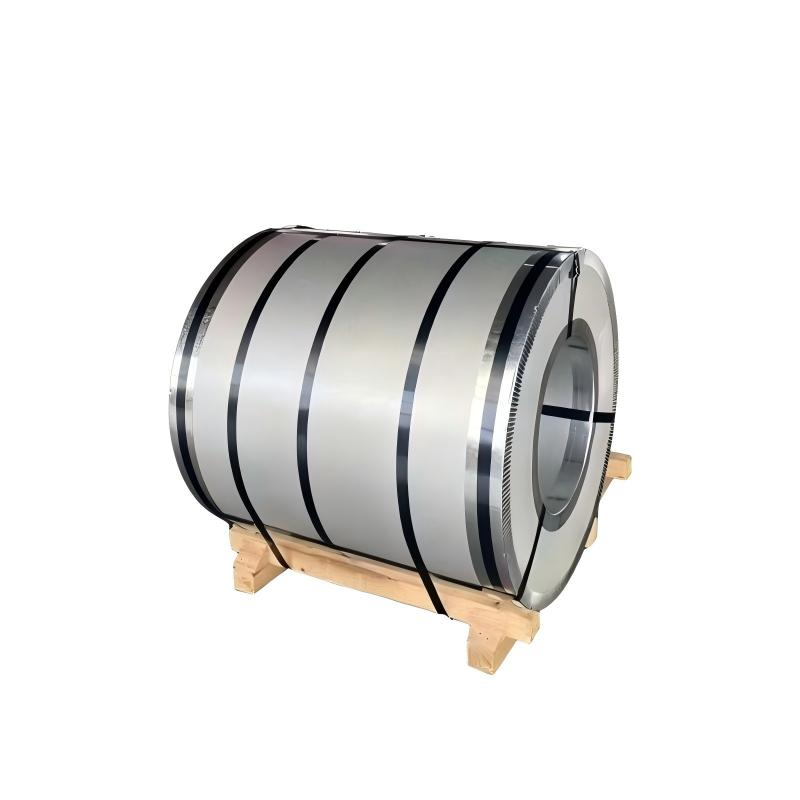
Learn why heavy coating galvalume steel coil provides superior corrosion resistance in harsh coastal settings and saves long-term maintenance costs.
2026/09/10
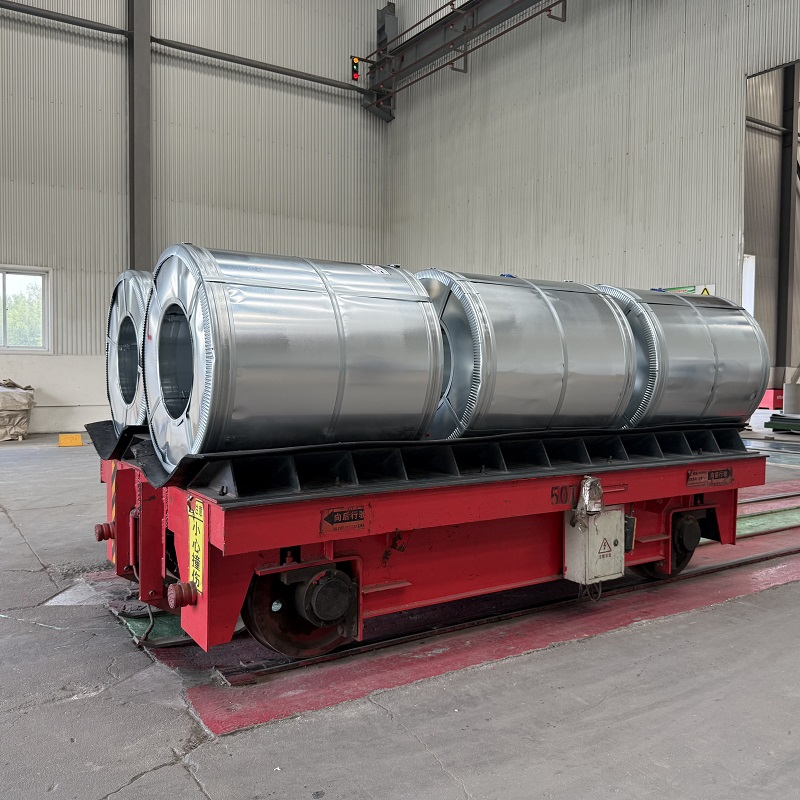
Learn how to test the bending performance of formable galvalume steel coil samples using T-bend testing to prevent cracking and scrap.
2026/09/10
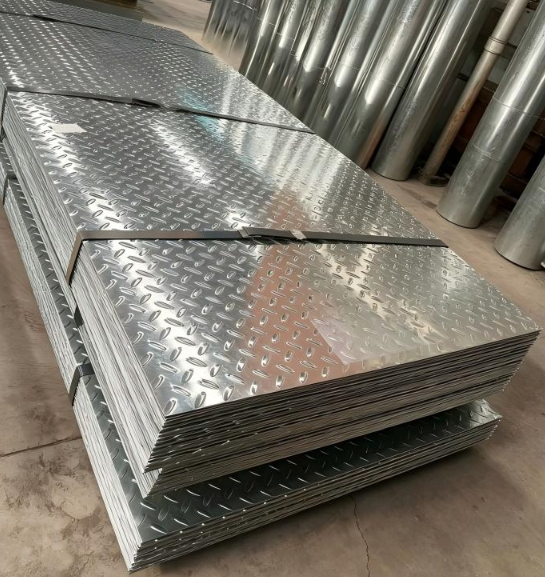
Discover how multi specification galvalume steel coil simplifies purchasing, boosts productivity, and lowers costs for metal fabricators.
2026/09/10
Discover why hot dipped galvanized steel and hot dip galvanized checkered plate offer ideal corrosion resistance and strength for road guardrails.
Covering green transformation, product comparison, selection guide, and industry empowerment, helping you fully grasp the dynamics of the color steel industry.
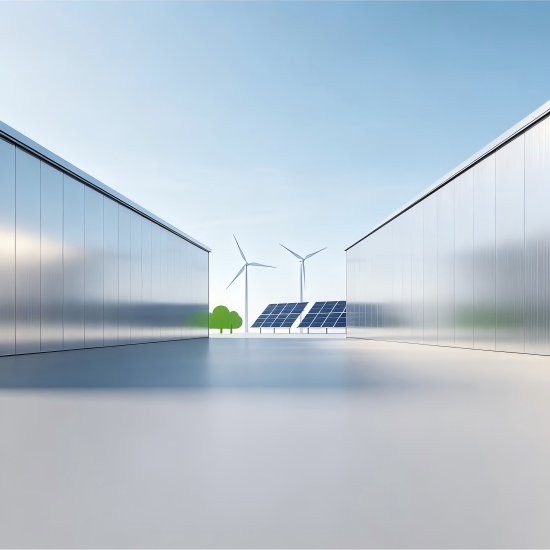
Global climate action and Belt and Road cooperation are driving the color steel industry’s shift toward green, sustainable development.

Comparing PPGI and PPGL across performance, durability, and applications to help you select the optimal coated steel for your project.
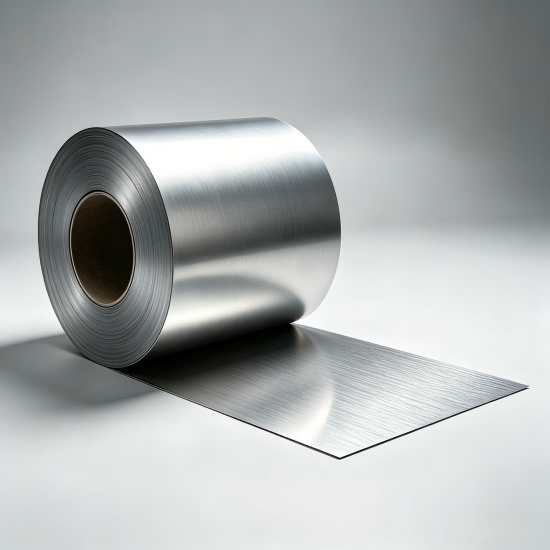
A practical guide to selecting and applying color steel coils, ensuring optimal performance, durability, and cost-effectiveness for your projects.
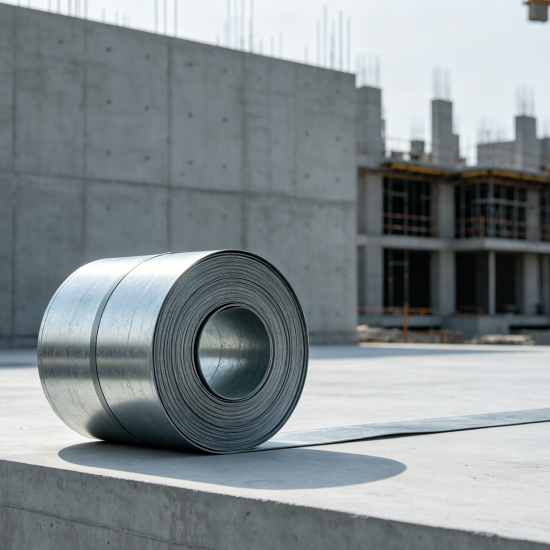
Industry forum drives digital and green transformation, empowering steel sector development through innovation and collaboration.