EN
EN

How to customize length size of precision cut GI coil finished sheets
2026/09/11
Learn how to specify precision cut GI coil sheets in custom lengths — tolerance selection, coating integrity, and ordering tips.
2026/08/13
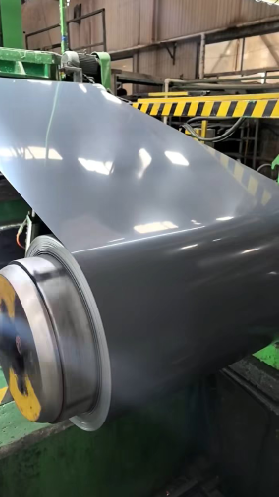
Selecting the right thickness for a GI coil during corrugated sheet manufacturing is one of those decisions that quietly dictates everything—from overall structural strength and job site safety to manufacturing costs and equipment longevity. Galvanized steel serves as the foundational material for corrugated roofing, wall paneling, and decking projects across commercial, agricultural, and industrial sectors.
Getting the coil thickness right determines how well the final panel handles heavy snow loads, resists harsh wind uplift, and maintains its structural profile during roll forming. For procurement specialists and plant operators, matching raw material specs to the precise end-use scenario prevents costly over-engineering on one end and catastrophic field failure on the other.
Quality issues in panel production often point back to improper initial gauge selection. When a corrugated sheet is manufactured from an under-gauged galvanized steel base, it becomes prone to oil-canning, excessive mid-span deflection under foot traffic, and profile twisting during transport.
On the flip side, specifying overly thick material unnecessarily inflates material freight costs and strains standard roll-forming equipment. Furthermore, precision cut operations require exact gauge consistency. Cutting equipment, edge shears, and slitting tools must be tuned to specific gauge metrics to avoid ragged burrs and edge deformation.
Choosing the ideal gauge for manufacturing requires a balanced look at structural demands, site conditions, and machine limits.
The primary job of any profile is supporting weight across a given span. Roofing panels on agricultural or residential structures generally rely on a coil thickness between 0.20 mm and 0.35 mm. Heavy industrial facilities with wider purlin spacing demand 0.40 mm to 0.60 mm material to support maintenance personnel and environmental loads. As a practical benchmark, wider support intervals automatically require heavier gauge material to control central deflection.
High-wind zones put extreme stress on fastener points. A thicker galvanized steel substrate offers superior tear-out resistance around screws and rivets during high wind uplift events. Conversely, in highly corrosive environments where moisture is the main threat rather than structural load, prioritizing a heavier zinc coating weight on a moderate gauge often delivers better long-term performance than choosing a bare, thick substrate with minimal zinc protection.
Most modern production lines process material efficiently between 0.15 mm and 0.60 mm. Pushing material outside these parameters without recalibrating roll gaps or drive torque risks inconsistent profile shapes, surface scratching, and excessive wear on forming dies.
Once raw material enters the processing stage, the cutting mechanism—whether rotary shear, flying shear, or automated cut-to-length system—must align with the material profile. Processing a precision cut GI coil requires continuous adjustment of blade clearances, feed rates, and shear pressures based on the exact gauge running through the line.
Thin Material Considerations (0.13 mm – 0.25 mm): Requires tight blade clearance and carefully controlled tension to prevent burr formation, edge waviness, and micro-tears along the cut seam.
Heavy Material Considerations (0.50 mm – 0.80 mm): Requires increased shear force and steady feed speeds to achieve a clean cut without flattening the profile corrugations.
In continuous manufacturing environments, tight tolerances make all the difference. Calibrating shear gaps down to fractional millimeter accuracy while reducing line speeds slightly for thinner stock dramatically lowers scrap rates and keeps edge tolerances within strict limits.
A large-scale agricultural storage project highlighted how strategic material selection pays off. The initial design conservatively specified a 0.50 mm heavy gauge for an 8,000-square-meter warehouse roof.
After reviewing the facility’s actual purlin spacing of 0.9 meters and regional wind load requirements, engineering teams determined that a high-grade 0.35 mm panel paired with a heavy G90 zinc coating fully met all deflection and uplift standards.
Transitioning to custom-length precision cut GI coil reduced material purchasing costs by over 20 percent while eliminating on-site cutting waste. Post-installation testing confirmed excellent panel rigidity and seam integrity under field conditions.
Ensuring long-term reliability requires strict incoming quality checks before running coils through forming lines.
Thickness Uniformity: Measure the profile across the edge, center, and drive side using calibrated micrometers. Thickness variation should not exceed $\pm 0.01\text{ mm}$ on light gauges or $\pm 0.02\text{ mm}$ on heavier stock.
Coating Weight Verification: Ensure actual zinc density matches the order specification, as zinc thickness contributes directly to total sheet thickness and corrosion endurance.
Edge Quality Inspection: Verify that mill edges are free of slivers, rust, or physical damage that could compromise downstream slitting or cutting processes.
Reliable manufacturing partners like Shenyang Yuanhe maintain strict quality assurance protocols, backing every batch with mill test certificates that document precise dimensional tolerances, chemical compositions, and mechanical properties. Strong supply chain oversight ensures that every batch meets the exact specifications required for seamless processing.
For standard residential and light commercial roofing, a GI coil thickness between 0.20 mm and 0.35 mm is widely preferred. This range offers an ideal balance of structural strength, ease of handling, and cost efficiency for standard purlin spans up to 1.2 meters.
Inconsistent gauge profile creates fluctuating resistance at the cutting blade. If the material drifts thicker or thinner than the set blade clearance, it can cause severe edge burrs, premature blade wear, or jagged panel ends on a precision cut GI coil run.
Yes, most versatile roll-forming machines handle a thickness range between 0.15 mm and 0.60 mm. However, operators must adjust roll station gaps, drive speed, and cut-off dies when switching between significantly different gauges to maintain consistent panel geometry.
2026/09/11
Learn how to specify precision cut GI coil sheets in custom lengths — tolerance selection, coating integrity, and ordering tips.
2026/09/11
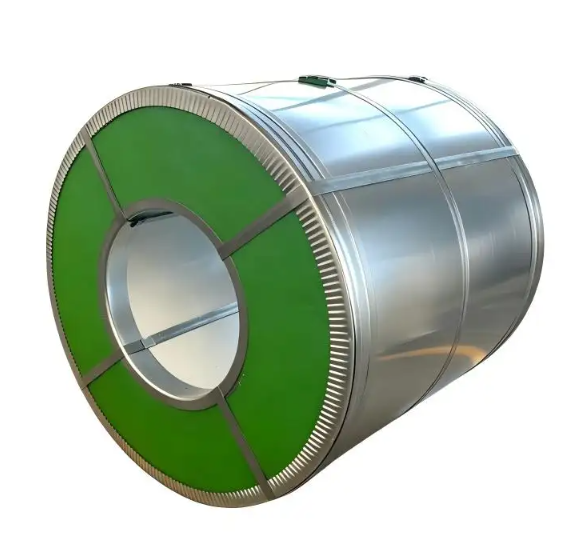
Learn why premium finish galvalume steel coil delivers better paint adhesion and visual consistency in finished building products. Request specs today.
2026/09/10
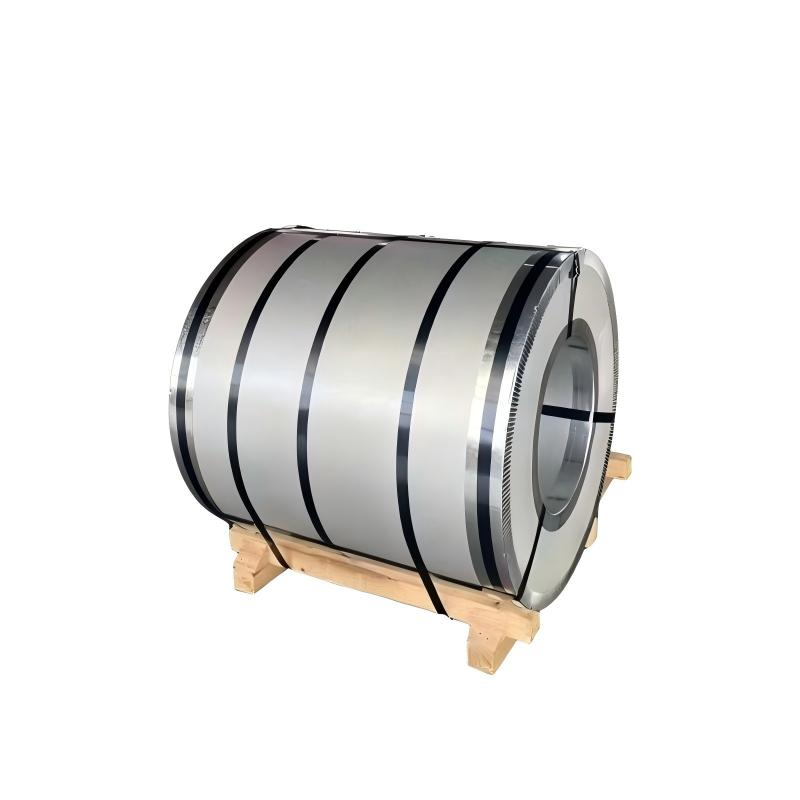
Learn why heavy coating galvalume steel coil provides superior corrosion resistance in harsh coastal settings and saves long-term maintenance costs.
2026/09/10
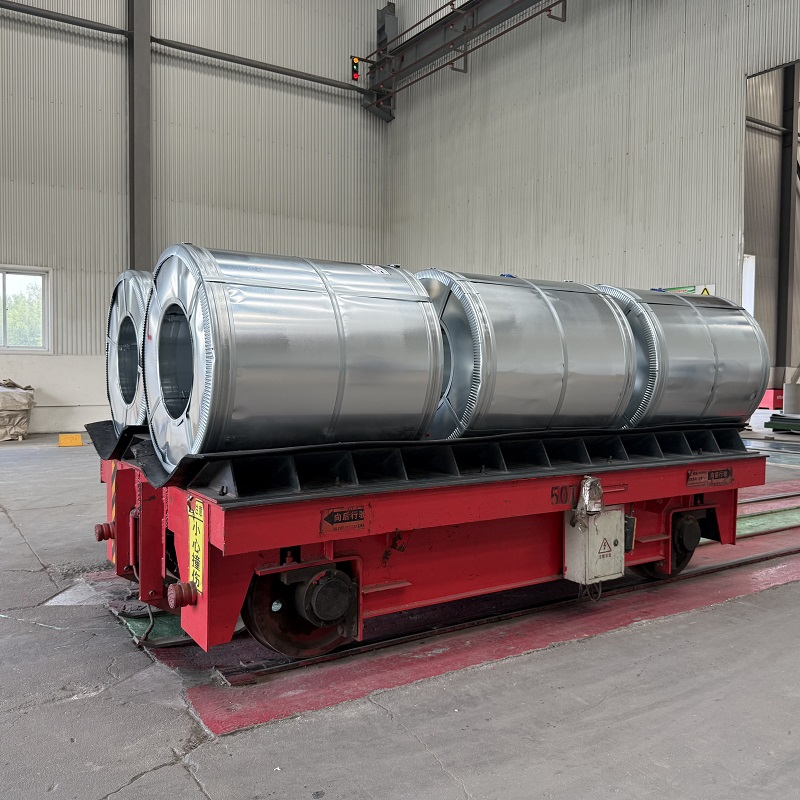
Learn how to test the bending performance of formable galvalume steel coil samples using T-bend testing to prevent cracking and scrap.
2026/09/10
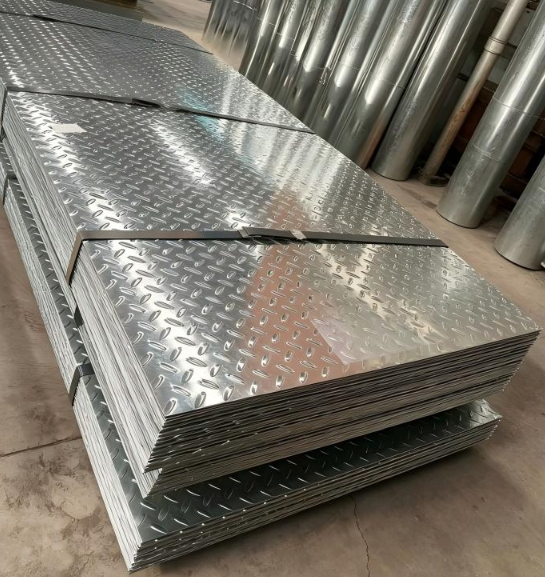
Discover how multi specification galvalume steel coil simplifies purchasing, boosts productivity, and lowers costs for metal fabricators.
2026/09/10
Discover why hot dipped galvanized steel and hot dip galvanized checkered plate offer ideal corrosion resistance and strength for road guardrails.
Covering green transformation, product comparison, selection guide, and industry empowerment, helping you fully grasp the dynamics of the color steel industry.

Global climate action and Belt and Road cooperation are driving the color steel industry’s shift toward green, sustainable development.

Comparing PPGI and PPGL across performance, durability, and applications to help you select the optimal coated steel for your project.
A practical guide to selecting and applying color steel coils, ensuring optimal performance, durability, and cost-effectiveness for your projects.
Industry forum drives digital and green transformation, empowering steel sector development through innovation and collaboration.