EN
EN

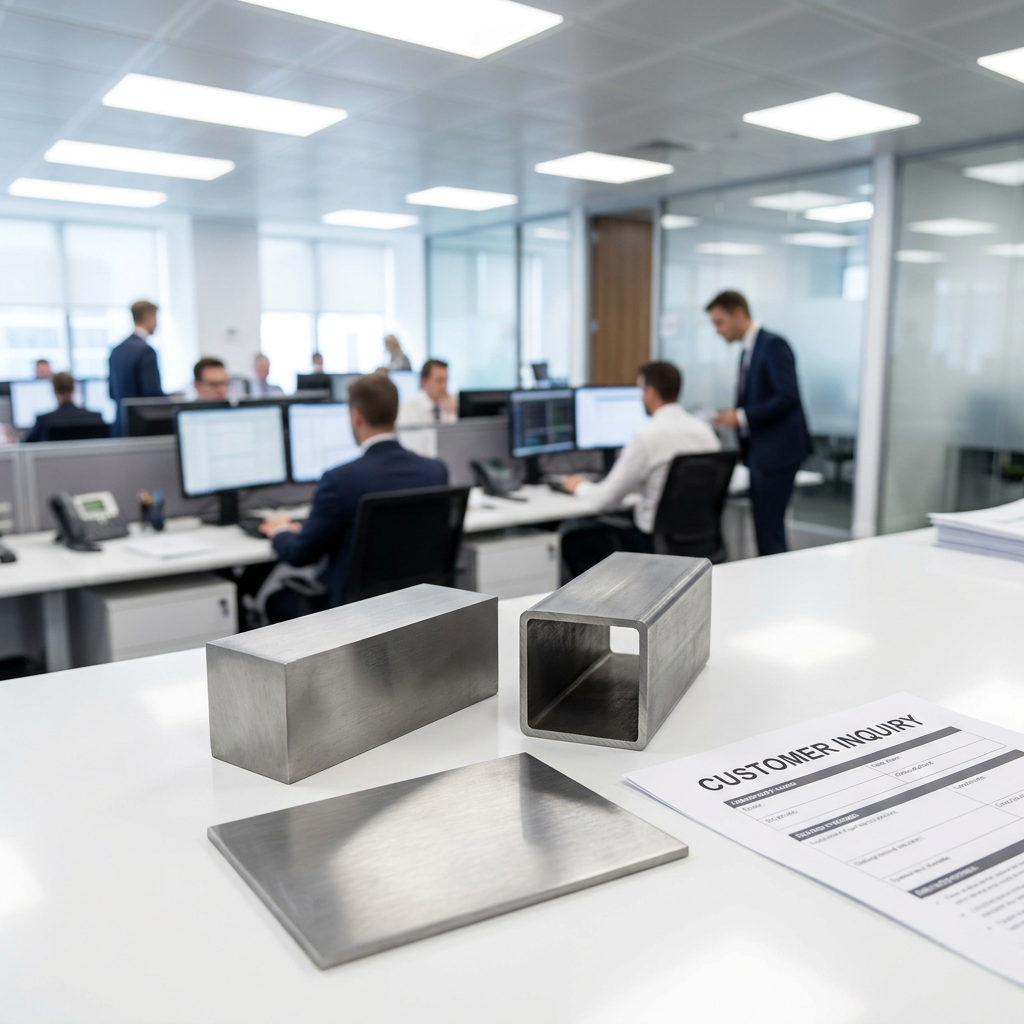
How to customize length size of precision cut GI coil finished sheets
2026/09/11
Learn how to specify precision cut GI coil sheets in custom lengths — tolerance selection, coating integrity, and ordering tips.
2026/08/09
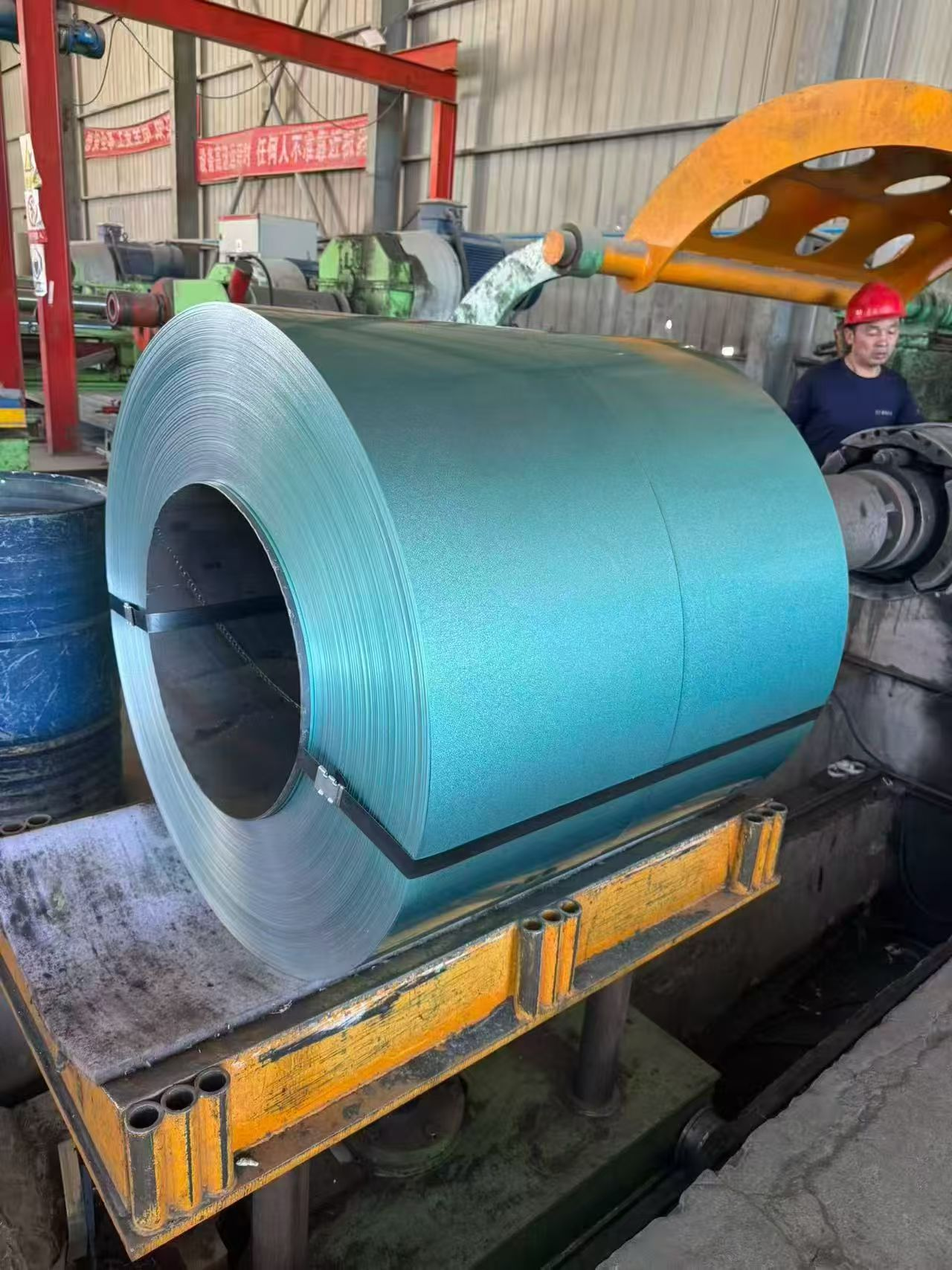
Chemical processing facilities represent some of the most aggressive and demanding environments for modern industrial building materials. Persistent exposure to harsh acids, caustic alkalis, active solvents, and corrosive process vapors attacks protective coatings relentlessly. Consequently, choosing the right material is a critical engineering decision rather than a simple aesthetic choice. Understanding how to properly select high-performance colour coated steel coil ensures long-term asset protection, structural safety, and financial efficiency in heavy industrial construction.
Navigating material sourcing for complex processing plants requires looking far beyond standard off-the-shelf options. Effective plant design demands matching substrate durability and coating chemistry precisely to operational hazards. Let us explore a systematic, zone-based approach to specifying industrial PPGI steel coil and chemical plant steel solutions that withstand the most punishing operating conditions.
The foundational step in selecting colour coated steel coil for chemical plants is conducting a comprehensive environmental exposure assessment. Industrial plants are rarely uniform; the corrosion pressures acting on a reactor area handling concentrated sulfuric acid at high temperatures differ vastly from the conditions surrounding an administrative office block 200 meters away.
Experienced engineers categorize plant layouts into distinct operational exposure zones:
High-Exposure Zones: Process reactor units, acid loading bays, and tank farms where chemical vapor concentrations peak daily.
Medium-Exposure Zones: Adjoining pipe racks, outdoor structural walkways, and truck loading docks facing moderate vapor drift.
Low-Exposure Zones: Perimeter security fencing, general warehouse exteriors, and utility housing.
Very-Low-Exposure Zones: Remote site offices and centralized control rooms situated safely upwind.
Applying a tailored specification across these zones prevents over-specifying low-risk areas while avoiding premature structural failure in high-risk zones.
The multi-layer paint system serves as the primary defense barrier for any colour coated steel coil deployed in chemical facilities. Standard polyester paint, while suitable for standard commercial construction, lacks the robust chemical resistance required for heavy industrial cladding.
For chemical plants, specific paint systems provide reliable protection based on exposure levels. Epoxy paint formulations deliver exceptional resistance against aggressive acids, alkalis, and strong solvents, though they lack ultraviolet (UV) stability, making them best suited for interior or fully shaded settings. Meanwhile, PVDF (polyvinylidene fluoride) paint systems offer outstanding chemical resilience combined with superior UV stability, positioning them as the gold standard for exterior industrial cladding. Premium PVDF coatings successfully resist acid rain and vapor deposition while maintaining color fidelity over decades. For extreme chemical exposure environments, multi-layer fluoropolymer coating systems equipped with advanced corrosion-resistant primers deliver maximum structural defense.
To evaluate how different coating technologies handle industrial stressors, the comparative data below outlines performance thresholds across key chemical and weathering indicators.
Standard Polyester
Acid/Alkali Resistance: Poor to Moderate
UV Stability: Good
Best Application: Very-low exposure administrative buildings.
Epoxy Modified Systems
Acid/Alkali Resistance: Good
UV Stability: Poor
Best Application: Interior walls and shaded utility areas.
Standard PVDF Systems
Acid/Alkali Resistance: Very Good to Excellent
UV Stability: Excellent
Best Application: Exterior medium-to-high exposure cladding.
Multi-Layer PVDF
Acid/Alkali Resistance: Excellent
UV Stability: Excellent
Best Application: High-exposure process reactors and acid bays.
High Durable Polyester (HDP)
Acid/Alkali Resistance: Moderate
UV Stability: Very Good
Best Application: Low-exposure perimeter boundaries.
Beneath the exterior paint system, the metallic substrate provides the vital secondary corrosion defense layer. When sourcing industrial PPGI steel coil for chemical environments, the underlying steel should feature robust galvanizing—ideally a minimum Z275 coating weight for medium-exposure zones and Z350 or galvalume options for aggressive process areas.
Substrate coating weight is critical because even premium paint systems eventually experience minor micro-penetration from moisture and chemical vapors at fastener points, cut edges, or mechanical scratches. A heavier zinc or aluminum-zinc substrate provides active sacrificial protection at these vulnerable points, preventing sub-film corrosion and unsightly coating delamination. For chemical complexes situated in coastal industrial hubs, the combined attack of marine salt spray and chemical vapor creates a synergistic corrosive environment that demands heavy substrate coatings paired with high-performance corrosion resistant coating technologies.
Even perfectly specified colour coated steel coil will fail prematurely if on-site installation and detailing fall short. Chemical plant construction requires meticulous attention to fastener engineering, edge treatment, and architectural joint design.
Fasteners should incorporate chemically resistant EPDM washers to seal against aggressive vapor intrusion. Furthermore, all raw cut edges must be treated with compatible sealants to prevent moisture wicking into the underlying steel. Panel joints should utilize standing seam or concealed fastener configurations rather than exposed screw profiles in high-exposure sectors, minimizing potential penetration points. Routine maintenance protocols should include scheduled annual inspections using gloss meters and adhesion test kits to catch minor degradation before failure occurs.
What paint system performs best for chemical plant exterior cladding? PVDF paint systems are widely recognized as the premier choice for exterior chemical plant cladding because they balance exceptional chemical resistance with high UV stability. For severe process zones, multi-layer PVDF systems provide optimal protection.
Can standard PPGI steel coil be utilized inside chemical processing plants? Standard PPGI steel coil with basic polyester paint is only appropriate for very-low-exposure zones like remote control rooms. It should never be specified for areas experiencing direct chemical vapor exposure, as standard polyester degrades rapidly in aggressive settings.
How frequently should industrial metal cladding be inspected on-site? Chemical plant cladding should undergo professional annual inspections utilizing non-destructive testing, visual examination, and gloss measurement. High-exposure process units may benefit from semi-annual checkups to ensure localized coating integrity.
Successfully selecting colour coated steel coil for chemical plant construction demands a rigorous, zone-by-zone approach that carefully aligns paint technology, substrate weight, and installation detailing with specific operational hazards. From advanced PVDF systems for volatile process units to durable alternatives for facility perimeters, thoughtful material specification ensures maximum safety, structural longevity, and cost-effective asset management.
Shenyang Yuanhe delivers a comprehensive portfolio of industrial PPGI steel coil solutions featuring PVDF, HDP, and multi-layer coating configurations tailored specifically for harsh processing environments. Backed by rigorous ISO-certified quality control standards and dedicated technical supply chain support, Shenyang Yuanhe remains a trusted global partner for high-performance industrial building materials.
2026/09/11
Learn how to specify precision cut GI coil sheets in custom lengths — tolerance selection, coating integrity, and ordering tips.
2026/09/11
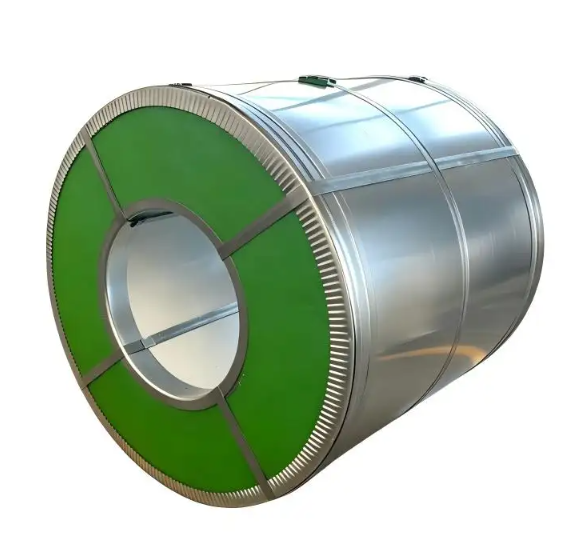
Learn why premium finish galvalume steel coil delivers better paint adhesion and visual consistency in finished building products. Request specs today.
2026/09/10
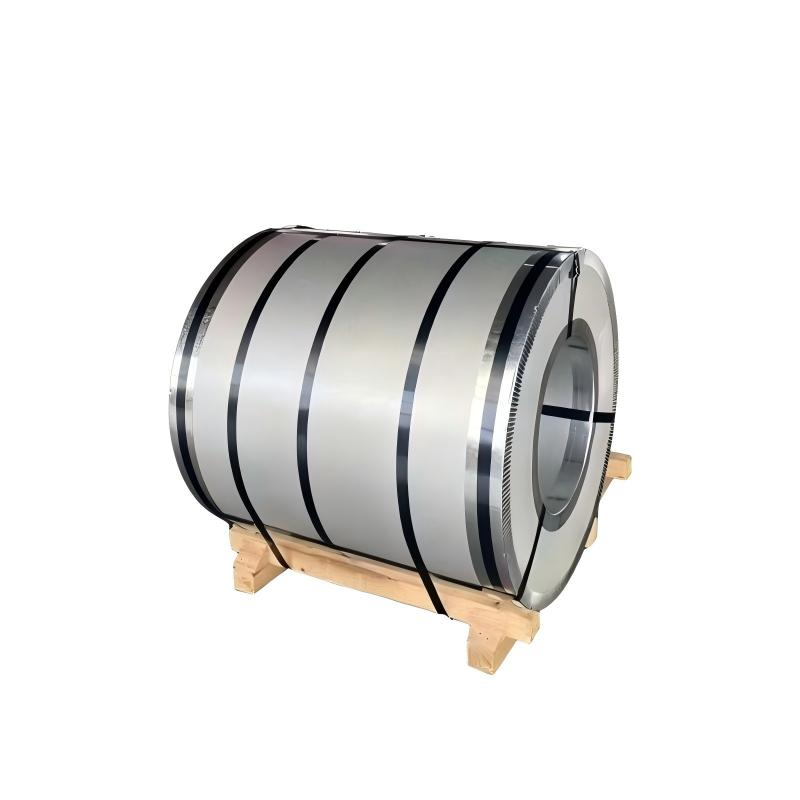
Learn why heavy coating galvalume steel coil provides superior corrosion resistance in harsh coastal settings and saves long-term maintenance costs.
2026/09/10
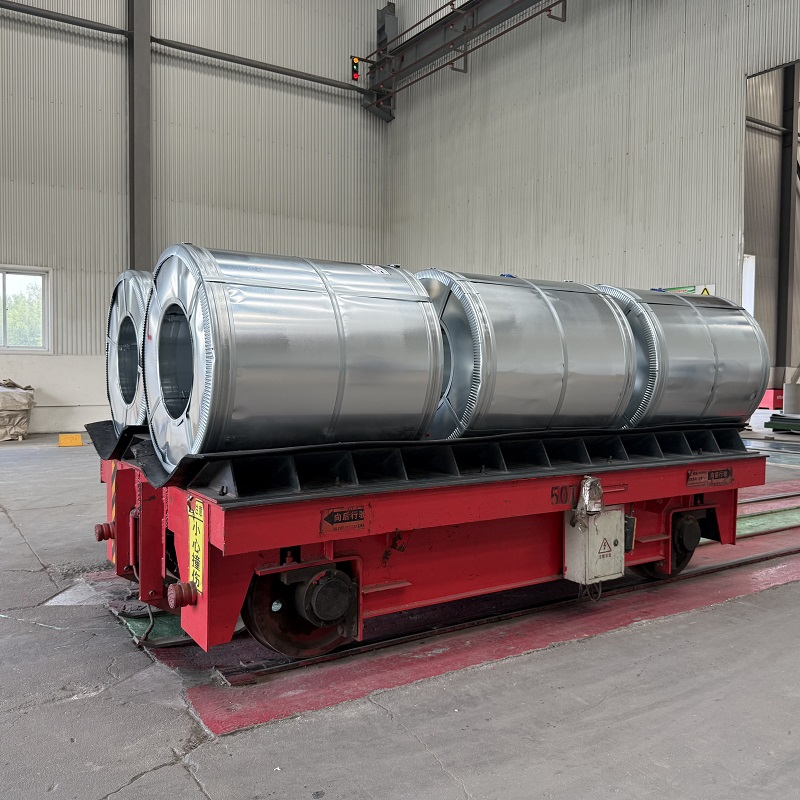
Learn how to test the bending performance of formable galvalume steel coil samples using T-bend testing to prevent cracking and scrap.
2026/09/10
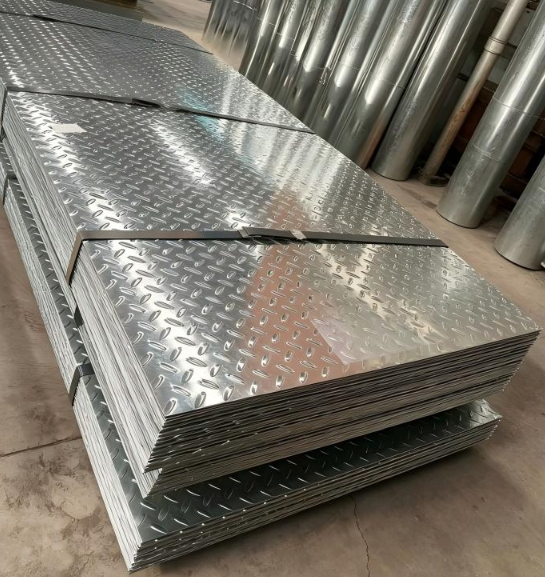
Discover how multi specification galvalume steel coil simplifies purchasing, boosts productivity, and lowers costs for metal fabricators.
2026/09/10
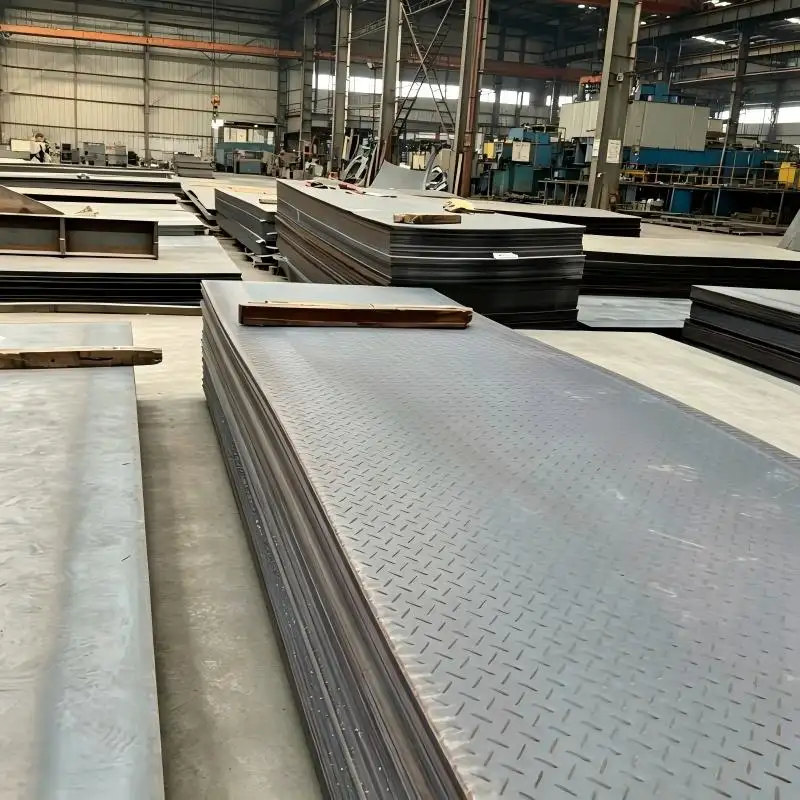
Discover why hot dipped galvanized steel and hot dip galvanized checkered plate offer ideal corrosion resistance and strength for road guardrails.
Covering green transformation, product comparison, selection guide, and industry empowerment, helping you fully grasp the dynamics of the color steel industry.
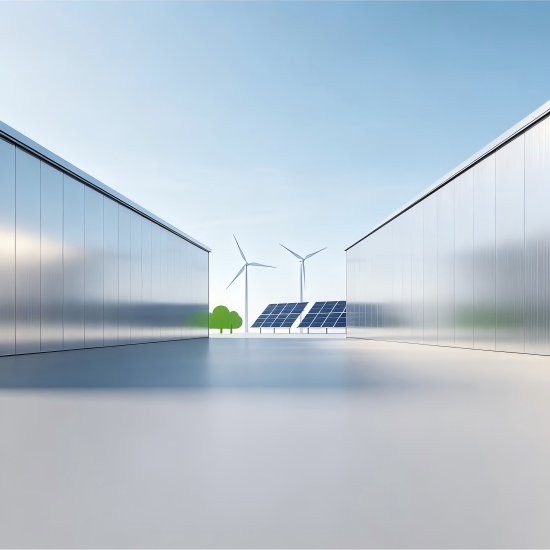
Global climate action and Belt and Road cooperation are driving the color steel industry’s shift toward green, sustainable development.

Comparing PPGI and PPGL across performance, durability, and applications to help you select the optimal coated steel for your project.
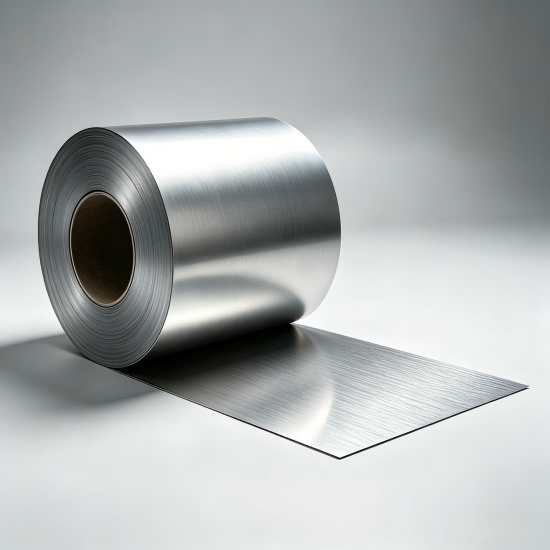
A practical guide to selecting and applying color steel coils, ensuring optimal performance, durability, and cost-effectiveness for your projects.
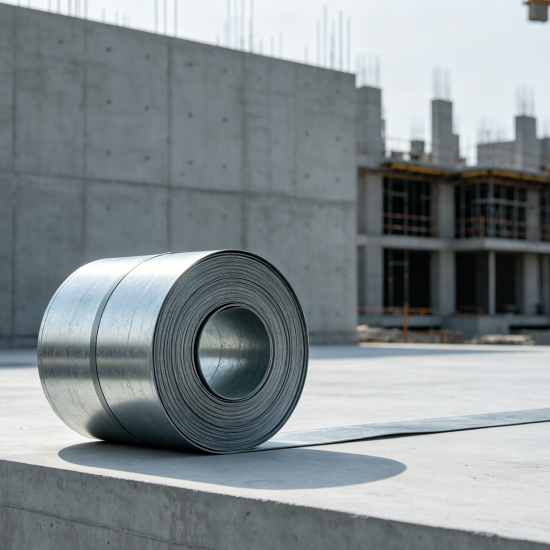
Industry forum drives digital and green transformation, empowering steel sector development through innovation and collaboration.