EN
EN

How to Remove White Rust Spots on Galvanized Steel Coil Surface
Discovering white powdery deposits on a freshly received galvanized steel coil is one of those moments that stops a construction project manager cold. The coils looked clean in the shipping photos, the packaging appeared intact, and yet — there they are: chalky white spots clustered around the coil edges and outer wraps. Is the material still usable? And does this qualify as a quality claim?
While white rust looks alarming at first glance, it is not the same as red rust. Understanding what it is, how to assess its severity, and what to do about it will save significant time and cost on your next project.
What Is White Rust on a Galvanized Steel Coil?
White rust is a zinc hydroxide (Zn(OH)₂) deposit that forms on the surface of a galvanized steel coil when the zinc coating contacts trapped moisture without sufficient airflow. Fresh hot-dip galvanized zinc is chemically reactive — it needs oxygen and carbon dioxide from the air to convert gradually into a stable zinc carbonate patina. When moisture is sealed between coil wraps or under damp packaging, zinc hydroxide accumulates instead, producing the characteristic white, powdery deposits.
The key distinction: white rust affects only the zinc coating, not the base steel beneath. Red rust means the zinc has been depleted and iron corrosion has begun. Surface white rust on a galvanized steel coil is a treatment issue, not an automatic reason to reject the shipment.
Why Does White Rust Form?
In our experience working with contractors across Africa, South America, and Southeast Asia, white rust on galvanized steel coil surfaces typically traces back to one or more of the following:
- High humidity storage. When relative humidity exceeds 60%, moisture accumulates on coil surfaces. Combined with the reactive fresh zinc surface of a newly produced galvanized steel coil, white rust can begin forming within days.
- Condensation from temperature swings. Poorly ventilated warehouses where temperatures drop at night and rise sharply in the morning create cycles of condensation , which is exactly the kind of trapped moisture that drives zinc hydroxide formation.
- Damp packaging left in contact with the surface. Sea freight inner wraps absorb moisture during a 30–45 day ocean voyage, particularly on China-to-Africa or China-to-South America lanes. Leaving damp kraft paper against the coil surface after arrival accelerates white rust formation at contact points.
- Under-specified coating weight. One common project mistake is specifying a galvanized steel coil with Z80 coating weight for a humid tropical or coastal environment, only to find surface degradation appearing within the first rainy season. Higher coating weights (Z120, Z180, Z275) give the zinc layer proportionally more thickness before white rust reaches a damaging depth.
Assessing Severity Before Treatment
A quick walk along the warehouse storage rack tells you a great deal about the state of your galvanized steel coil inventory. Start at the coil edges since white rust tends to appear here first, because cut or shear edges are the most vulnerable to moisture attack.
Use this three-step assessment on arrival:
- Visual check under sidelight. Light surface bloom (thin, powdery white film) is early-stage and treatable. Heavy, crusty, or deep-pitted deposits may have compromised the zinc coating below the minimum required thickness.
- Scratch test. Lightly scratch the deposit with a fingernail. If it lifts off cleanly and the zinc beneath is bright and metallic, the deposit is surface-level zinc hydroxide. If the underlying surface shows grey or brown discoloration, the zinc layer may be more deeply affected.
- Check for red rust. Any orange-brown rust alongside the white deposits confirms zinc depletion and base steel corrosion ; document these locations separately as a formal quality claim.
How to Remove White Rust Spots: Two Proven Methods
Still unsure whether those white patches on your galvanized steel coil are cosmetic or a structural concern? Once you have confirmed no red rust is present and the zinc layer beneath is intact, proceed with treatment.
Method 1: Mechanical Brushing (Light to Moderate Deposits)
For small areas or early-stage white rust, a stiff nylon-bristle brush is the safest starting point. Use firm, circular strokes to dislodge the powdery zinc hydroxide deposits. Avoid steel wire brushes — metal bristles can scratch through the zinc coating and introduce future corrosion points. After brushing, wipe the area with a clean, dry cloth and inspect under sidelight to confirm the zinc layer is intact.
Method 2: Dilute Acidic Solution (Moderate to Heavy Deposits)
White vinegar (5% acetic acid) dissolves zinc hydroxide without aggressively attacking the zinc coating beneath. For spot treatment:
- Apply white vinegar to the white rust deposits using a cloth or soft brush.
- Allow a 3–5 minute dwell time. Deposits will soften and begin to dissolve.
- Scrub lightly with a nylon brush to remove loosened material.
- Rinse the treated area thoroughly with clean water to remove all acidic residue.
- Dry the surface immediately — do not leave any moisture on the treated area.
For large surface areas, proprietary zinc-compatible cleaning solutions are commercially available and can be applied following the same dwell-and-rinse protocol.
After Treatment: Passivation and Re-Oiling
Once white rust has been removed, the treated zinc surface is temporarily more reactive. Applying a thin coat of rust-preventive oil — standard practice for anti oxidation storage gi sheet products — protects the treated zone while the zinc re-establishes its natural carbonate passivation through air exposure. This step is especially important if coils will return to storage before fabrication.
Preventing White Rust During Storage
The most effective treatment is prevention. For contractors managing galvanized steel coil inventory in humid climates:
- Maintain relative humidity below 60% in storage areas. Use industrial dehumidifiers during monsoon or rainy seasons.
- Remove packaging materials promptly on arrival. Inspect and remove damp kraft paper from stable surface gi coil inventory within 24 hours of receipt.
- Store coils on racks or cradles — not flat on the ground — to allow airflow around all surfaces.
- Use coils within a reasonable time after manufacture. Freshly produced galvanized steel coil is most susceptible to white rust during the first 4–8 weeks, before a stable zinc carbonate layer has formed through natural weathering.
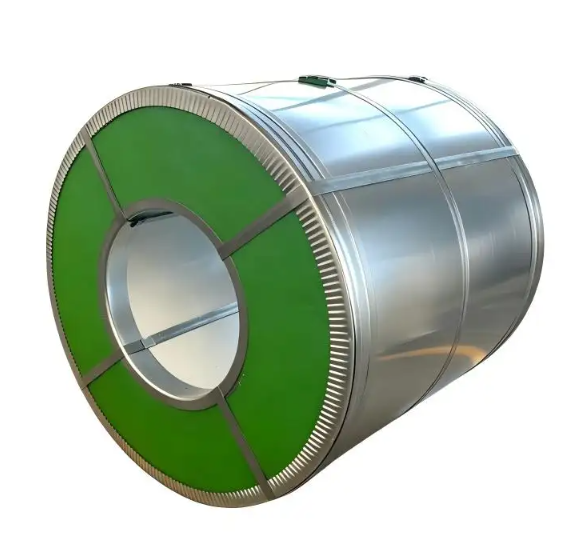
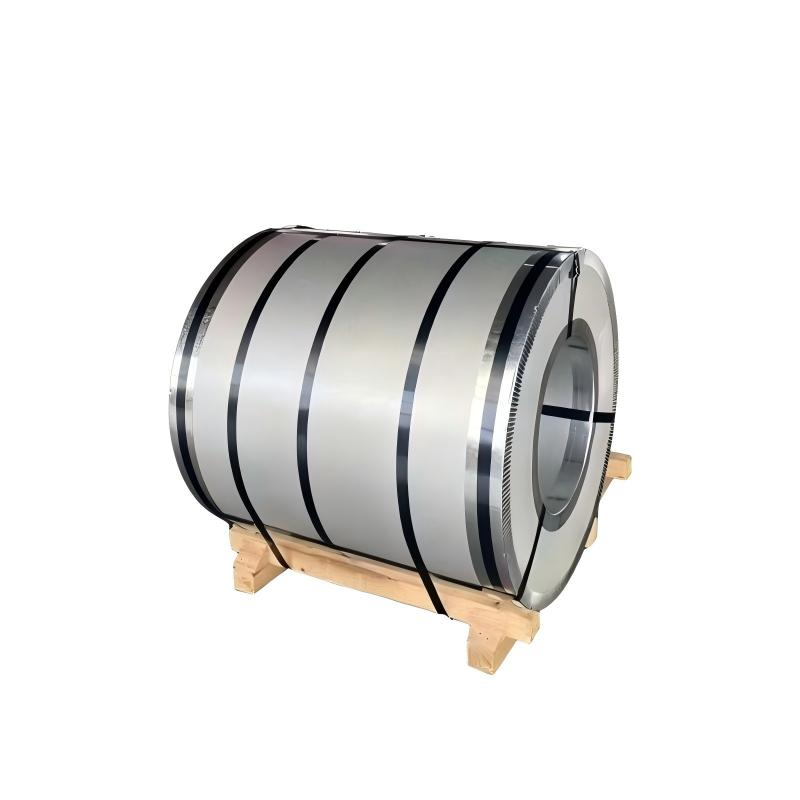
- Specify moisture-resistant packaging for your shipping route. Coils destined for humid tropical destinations or long sea voyages should ship with moisture-resistant inner wrapping and desiccants. Yuanhe Steel's standard coil packaging uses moisture-resistant wrapping with inner and outer kraft paper and steel banding, designed specifically for sea freight on high-humidity routes to Africa and South America.
When to File a Supplier Quality Claim
Surface white rust removable by brushing or mild acid treatment is generally considered an inherent characteristic of fresh hot-dip galvanized steel, not a manufacturing defect. However, a quality claim against your galvanized steel coil supplier is warranted when:
- White rust penetrates through the full zinc coating depth, exposing bare steel on delivery
- Red rust appears at the same locations, confirming zinc depletion
- Packaging damage (torn wraps, broken banding) is present and can be attributed to inadequate packing for the shipping route
- Zinc coating weight tests below the specified standard on laboratory verification