EN
EN

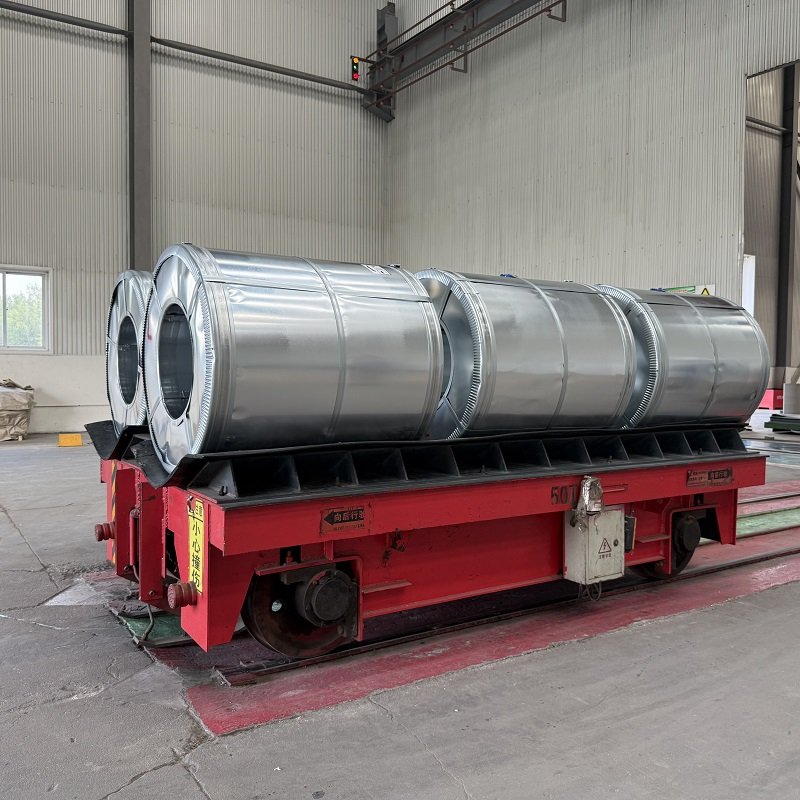
How to Recognize High Zinc Coating Hot Dipped Galvanized Steel Products
Most procurement teams start with price when evaluating hot dipped galvanized steel coils. That priority tends to shift — usually after a coating failure on a project — toward a question that matters more: how do you actually confirm the zinc coating is what the supplier says it is? Industry inspection specialists are direct about this: zinc coating verification is the single most important step in assessing galvanized steel quality. Still, many buyers close a deal without a single systematic check. This guide covers the practical methods for recognizing a genuinely high zinc coating GI coil before the goods reach your site or production floor.
Understanding Zinc Coating Weight Designations
To assess whether a coil carries a high zinc coating, you first need to know how coating weight is expressed. The two most widely used standards for hot dipped galvanized steel sheet and coil are ASTM A653 (common in North America) and EN 10346 (common in Europe and international trade). Under EN 10346, designations like Z80, Z120, Z200, and Z275 represent the total minimum zinc weight in grams per square meter on both sides of the sheet combined. A Z275-grade coil carries no less than 275 g/m² of zinc across both surfaces.
ASTM A653 uses a G-class system instead: G60, G90, G115. G90 works out to roughly 0.90 oz/ft² on both sides, which corresponds closely to Z275. A heavy zinc coating gi coil — one suited to corrosive environments, coastal applications, or long-service industrial use — should reach at least Z200 or Z275 (G60/G90). Products at Z80 or Z120 are designed for lighter-duty, sheltered, or indoor applications. Always check that the coating designation in the mill test report actually fits your application's corrosion conditions before signing off on delivery.
Visual Inspection: What a High Zinc Coating Looks Like
Have you ever unloaded a coil shipment and found yourself wondering whether you are actually looking at a Z275 or something closer to Z80? Visual inspection is your first indicator — though it takes some practice to read it reliably.
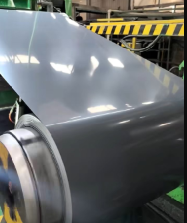
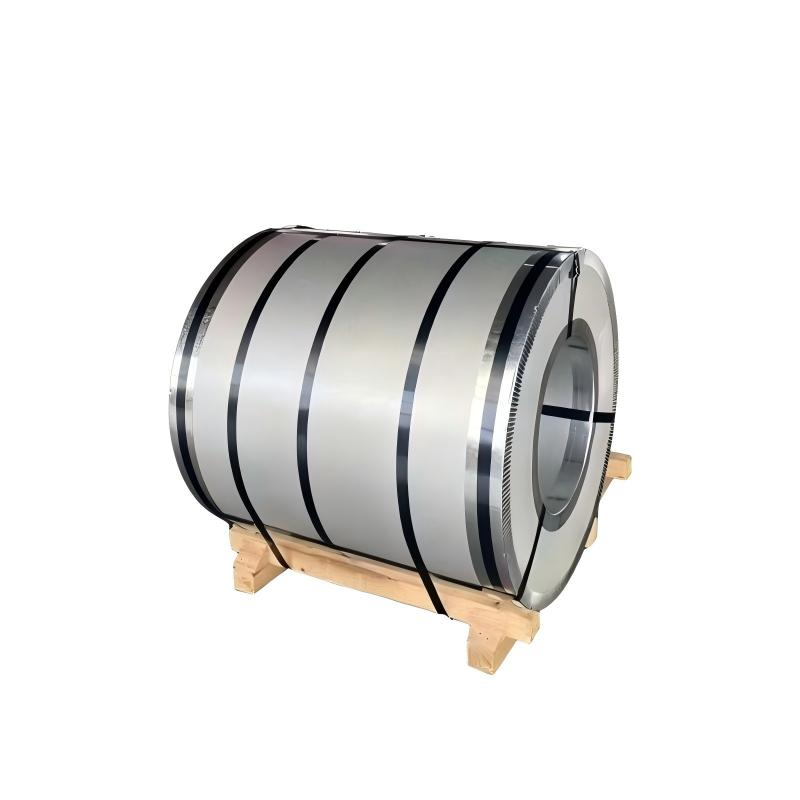
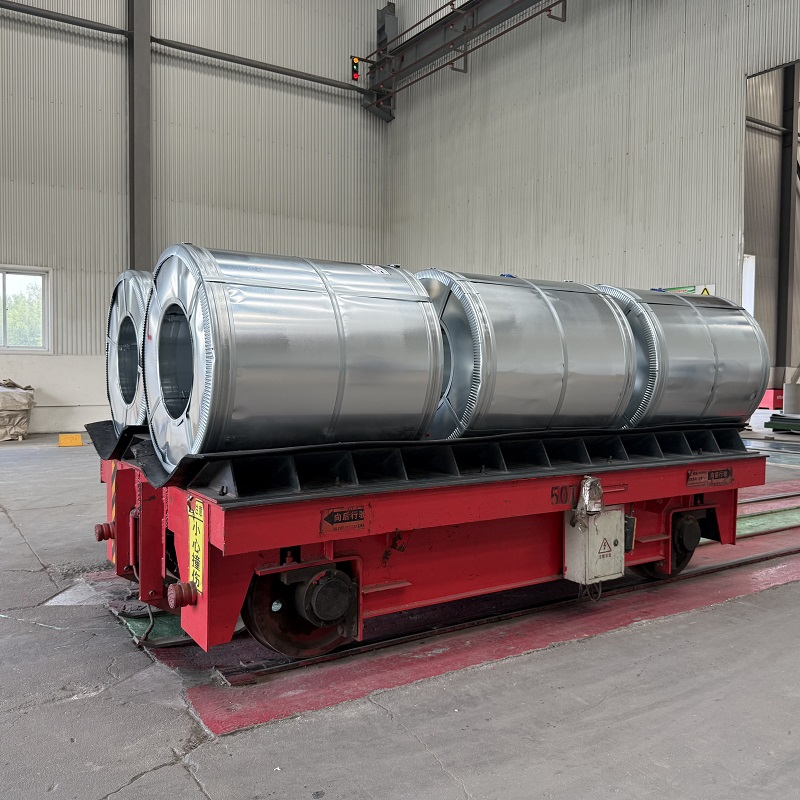
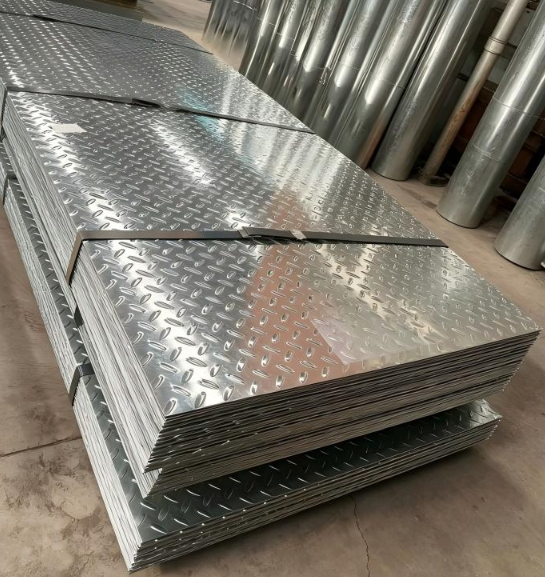
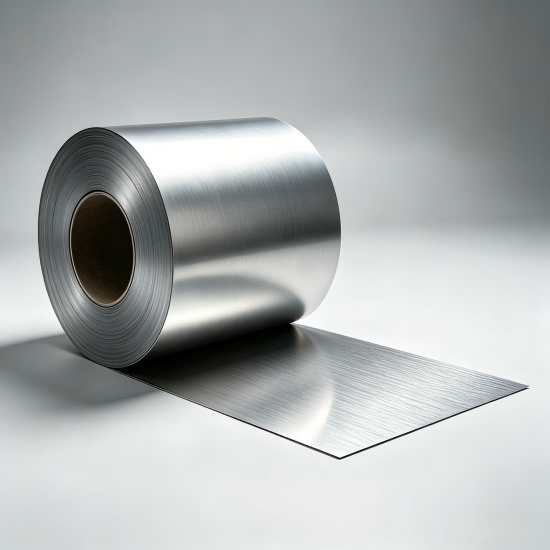
Continuous hot-dip processing on hot dipped galvanized steel with a high zinc coating typically produces one of two surface appearances. The better-known of the two is spangle: a bright, crystalline pattern with a snowflake-like texture formed when zinc solidifies after the steel strip exits the bath. Large, well-defined spangle generally points to a full, even zinc deposit. The other common appearance is a more uniform matte grey, produced when mills apply a skin-pass or tension-leveling step after galvanizing. Both are acceptable and both appear regularly on export-grade coils.
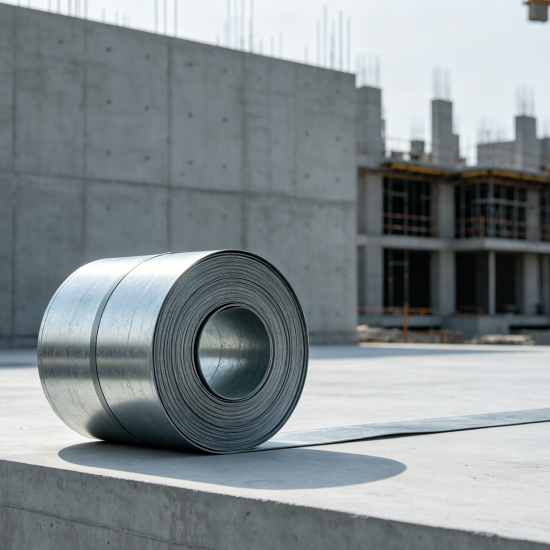
Surface warning signs to watch for: dull or patchy areas that suggest uneven zinc application; yellowish or brownish discoloration that could indicate poor passivation or early white rust from moisture exposure; visible bare zones, particularly near the coil edges. A uniform zinc layer gi coil should show consistent color and texture across the entire coil width.
Edge and Cut Section Checks
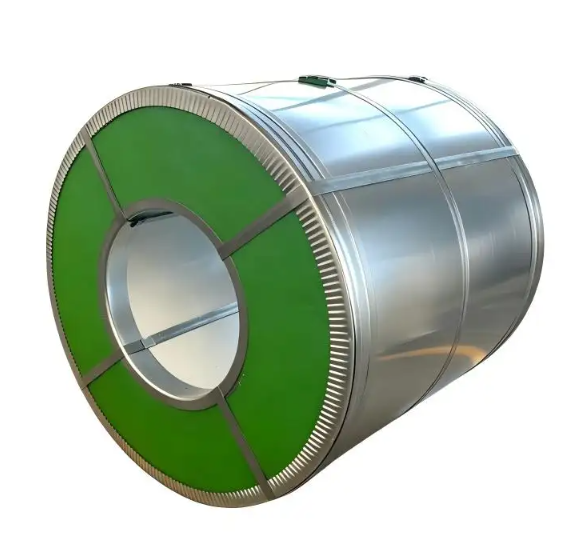
Coil edges reveal more about zinc coating quality than the face surface alone. The zinc coating is thinnest at shear-cut edges during production, but a genuinely high-weight coil still shows a clearly visible zinc layer at the edge cross-section — a distinct light-grey band against the darker steel underneath. If that band is barely perceptible, or the base steel color shows through easily, the coating weight is likely below specification.
Where you have access to coil samples or off-cut ends, a cross-section cut under good lighting is a quick field check. On a heavy zinc coating gi coil at Z275, the zinc layer is visible to the naked eye without magnification. For measured readings, electronic magnetic thickness gauges work directly on the coil surface without damaging it. Taking readings across multiple positions — edge, quarter-point, center — tells you whether the coating weight is genuinely uniform or whether it drops off toward the edges, which is the zone most vulnerable to early corrosion in service.
Verifying Zinc Coating Through Mill Test Reports
On-site and warehouse checks help at the receiving dock. The more systematic approach — especially for high-value orders or structurally sensitive applications — is reviewing the mill test report (MTR) before shipment. A proper MTR for hot dipped galvanized steel coil includes the coating weight test result (typically a triple-spot test covering average and individual minimum), the coating designation, the applicable standard (ASTM A653, EN 10346, JIS G3302, or equivalent), and the heat or coil number that ties the document to a specific production batch.
When working through an MTR, confirm that the reported coating weight meets or exceeds the grade specification. A uniform zinc layer gi coil from a quality-controlled mill will show consistent triple-spot test readings with minimal variation between test positions. Wide variation across the three spots can reflect uneven coating in production. If the minimum spot result is sitting right at the standard's lower limit, that is worth flagging — either request additional test data or arrange third-party pre-shipment inspection before confirming the order.
Third-Party Inspection as a Quality Gate
For buyers sourcing hot dipped galvanized steel coils from new overseas suppliers, or placing large orders with meaningful project exposure, pre-shipment inspection by an accredited firm — SGS, Bureau Veritas, or comparable — adds a substantive quality gate. A commissioned inspection can verify coating thickness across a sampled set of coils, check dimensional specs, review mill certification documents, and confirm coil labeling accuracy, all before goods leave the origin warehouse.
A supplier who coordinates third-party inspection and provides complete MTR packages linked to specific coil heat numbers is one that stands behind its product consistency. Contrast that with a supplier who resists inspection or hands over generic mill certificates with no heat-number traceability to specific coils — that is a reason to look closer before committing. The cost of a pre-shipment inspection is minor relative to the cost of discovering, after installation, that what was specified as Z275 was shipped as Z80.
Practical Checklist Before Accepting a GI Coil Shipment
- Confirm the coating designation on the MTR matches your purchase order specification (Z80, Z120, Z200, Z275 or ASTM G-class equivalent).
- Check that the MTR is tied to a specific coil heat or batch number, not a generic mill certificate.
- Inspect the coil surface for consistent appearance — no bare patches, uniform color across the width, no early rust or passivation failure.
- Examine coil edges for visible zinc layer at the cross-section; use a magnetic thickness gauge for measured readings where needed.
- For high-corrosion environments (coastal, industrial, tropical), verify Z275 or above is specified — not Z120 or below, which suppliers often quote as a default without flagging the limitation.
- Request third-party inspection results, or arrange your own, for first-time suppliers or high-exposure orders.
Identifying a high zinc coating product is not complicated once you know what to look for. A traceable mill test report, consistent surface appearance, a visible zinc layer at the coil edge, and a supplier prepared to support third-party verification — together, these give you confidence that the coating spec you purchased is the coating spec that arrives. Shenyang Yuanhe Steel provides full MTR packages with heat-number traceability and coordinates pre-shipment quality inspection on request. Reach out to discuss your hot dipped galvanized steel coil specification and coating requirements.