EN
EN

How to customize length size of precision cut GI coil finished sheets
2026/09/11
Learn how to specify precision cut GI coil sheets in custom lengths — tolerance selection, coating integrity, and ordering tips.
2026/07/23
Why PPGL Colour Coated Sheet Is Ideal for Corrugated Roofing
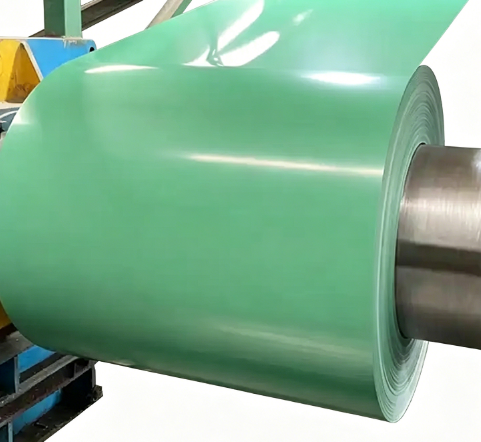
PPGL colour coated sheet — pre-painted galvalume steel sheet with an aluminum-zinc alloy substrate — has become one of the most widely specified materials for corrugated roofing across tropical, coastal, and industrial environments. The aluminum-zinc coating typically consists of 55 percent aluminum, 43.5 percent zinc, and 1.5 percent silicon, providing superior corrosion resistance compared to conventional galvanized substrates. When processed into corrugated profiles, PPGL colour coated sheet delivers a combination of structural strength, weatherability, and aesthetic finish that few competing materials can match. Over the past five years, I have supervised the conversion of PPGL colour coated sheet into roofing products for projects ranging from rural agricultural warehouses in Vietnam to high-specification factory complexes in Kazakhstan. In every case, the precision of the processing workflow — from coil unwinding to final cut-to-length — directly determined whether the installed roof panels would perform to specification or develop problems within the first wet season. Understanding each processing stage in detail is essential for manufacturers and procurement teams who want to maximize the value of their PPGL colour coated sheet investment.
Pre-Processing Material Inspection and Preparation
Before any PPGL colour coated sheet enters the roll forming line, a thorough material inspection is non-negotiable. Start by verifying that the coil's substrate type, coating thickness, and paint system match the project specification. For PPGL colour coated sheet, the standard aluminum-zinc coating weight ranges from AZ50 to AZ150 (grams per square meter), and the topcoat is typically a 15 to 25 micron polyester, SMP, or PVDF layer with a 5 to 10 micron backer. Use a dry film thickness gauge to measure the total coating thickness at three points across the coil width — deviations greater than 2 microns from the specification warrant a formal quality alert. Inspect the coil edges for any transit damage or coating delamination, as even minor edge defects can propagate into visible cracks during roll forming. In a 2023 project processing PPGL colour coated sheet for a Philippine resort roofing order, we caught a batch with inconsistent backer coat thickness that would have caused intercoat adhesion failure after installation — a problem that would only have surfaced months later as blistering. Proper material preparation also includes acclimatizing the coil to the processing facility temperature for at least 12 hours, which minimizes thermal expansion mismatch during forming.
Roll Forming: The Core Precision Processing Step
Roll forming is the heart of converting PPGL colour coated sheet into corrugated roof panels, and precision at this stage determines the panel's dimensional accuracy, profile consistency, and structural performance. The PPGL colour coated sheet is fed through a series of paired roller stations that progressively shape the flat sheet into the desired corrugation profile — whether that is a classic trapezoidal profile (such as 840, 900, or 1000mm coverage widths), a sinusoidal wave profile, or a box profile for standing seam applications. Each roller station makes a small incremental bend, typically 15 to 30 degrees per pass, to avoid over-stressing the coating and substrate. The critical parameters to control are roller gap, line speed, and lubrication. Roller gap must be set according to the sheet thickness — for 0.4mm PPGL colour coated sheet, a gap deviation of just 0.05mm can cause waviness or incomplete profile formation. Line speed should be maintained between 15 and 25 meters per minute for standard profiles; faster speeds risk coating micro-cracking at the bend radii, while slower speeds reduce throughput without improving quality. A high-quality forming lubricant — typically a water-based, non-silicone emulsion — should be applied to reduce friction between the rollers and the PPGL colour coated sheet surface, preventing coating pickup on the rollers and scratches on the painted finish.
Cutting, Stacking and Surface Protection During Processing
After roll forming, the continuous corrugated PPGL colour coated sheet must be cut to the specified panel length with minimal burr and zero coating damage at the cut edge. Flying shear cutting — where a synchronized blade cuts the moving sheet without stopping the line — is the preferred method for high-volume production, achieving length tolerances of plus or minus 2mm. For lower-volume or custom-length orders, stationary shear cutting is acceptable but requires careful synchronization to avoid profile deformation at the cut point. The cut edges of PPGL colour coated sheet are particularly vulnerable to corrosion because the aluminum-zinc substrate is exposed, so applying a zinc-rich touch-up paint to cut edges is strongly recommended for roofing applications in humid or coastal environments. During stacking, interleave each panel with protective film or polyethylene foam sheets to prevent surface abrasion — a precaution that is often skipped to save cost but inevitably leads to customer complaints about scratched panels. In one case I managed, a batch of 2,000 corrugated panels from PPGL colour coated sheet was rejected by a Middle East client because stacking without interleaving caused friction marks visible from 10 meters away.
Quality Control and Common Defects to Watch For
A robust quality control protocol for corrugated PPGL colour coated sheet roofing should cover dimensional accuracy, coating integrity, and profile consistency. Measure panel width, pitch, and depth at the start, middle, and end of each production run using calibrated profile gauges. Inspect the crown (peak) and valley (trough) of each corrugation for coating micro-cracks using a 10x magnifier — hairline cracks at bend points indicate that either the roller gap was too tight or the sheet was formed below the recommended minimum temperature. Check for oil canning (visible waviness in the flat areas between corrugations), which typically results from uneven roller pressure or coil shape defects in the original PPGL colour coated sheet. Manufacturers like Shenyang Yuanhe, which operates dedicated flattening, slitting, and cutting workshops alongside its color-coated steel coil production, demonstrate how integrated processing facilities can maintain tighter tolerances and faster turnaround for custom corrugated panel orders. Their three-tier quality control system — covering raw material, in-process, and finished product inspection — reflects the kind of multi-stage verification that ensures PPGL colour coated sheet roofing panels meet both dimensional and aesthetic specifications before they leave the factory.
Three Common Questions About Processing PPGL Colour Coated Sheet
Question: What is the minimum thickness recommended for PPGL colour coated sheet used in corrugated roofing?
Answer: For standard residential and light commercial roofing, 0.4mm to 0.5mm PPGL colour coated sheet is commonly used. For industrial roofing in high-wind or heavy-load environments, 0.5mm to 0.6mm is recommended. Sheets thinner than 0.35mm risk profile deformation during roll forming and may not provide sufficient structural rigidity for spanning roof purlins at standard spacing.
Question: How can manufacturers prevent coating micro-cracking during roll forming of PPGL colour coated sheet?
Answer: Control three factors: ensure the roller gap matches the sheet thickness specification, maintain line speed within the 15 to 25 meters per minute range, and verify that the forming temperature is above 10 degrees Celsius. Using a high-quality forming lubricant and ensuring rollers are clean and free of coating buildup also significantly reduces micro-crack risk at corrugation bend points.
Question: What is the expected service life of corrugated panels made from PPGL colour coated sheet?
Answer: Under normal atmospheric conditions, PPGL colour coated sheet corrugated roofing typically lasts 20 to 30 years. In aggressive environments such as coastal areas or industrial zones with high chemical exposure, a PVDF-coated PPGL substrate with a minimum AZ150 aluminum-zinc coating can extend service life to 35 years or more, provided that cut edges are treated and installation follows proper fastener and flashing practices.
2026/09/11
Learn how to specify precision cut GI coil sheets in custom lengths — tolerance selection, coating integrity, and ordering tips.
2026/09/11
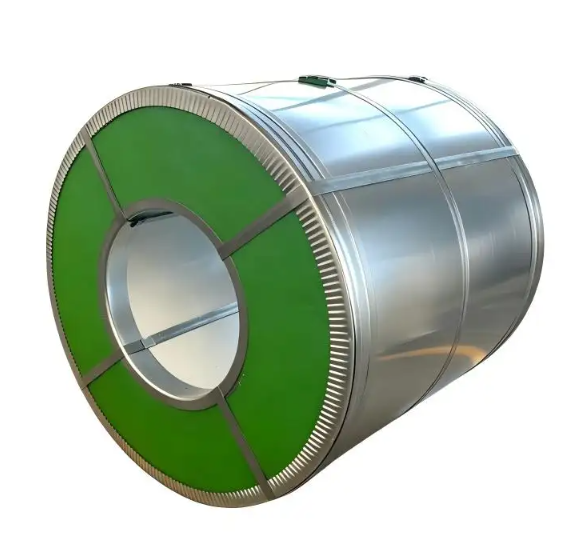
Learn why premium finish galvalume steel coil delivers better paint adhesion and visual consistency in finished building products. Request specs today.
2026/09/10
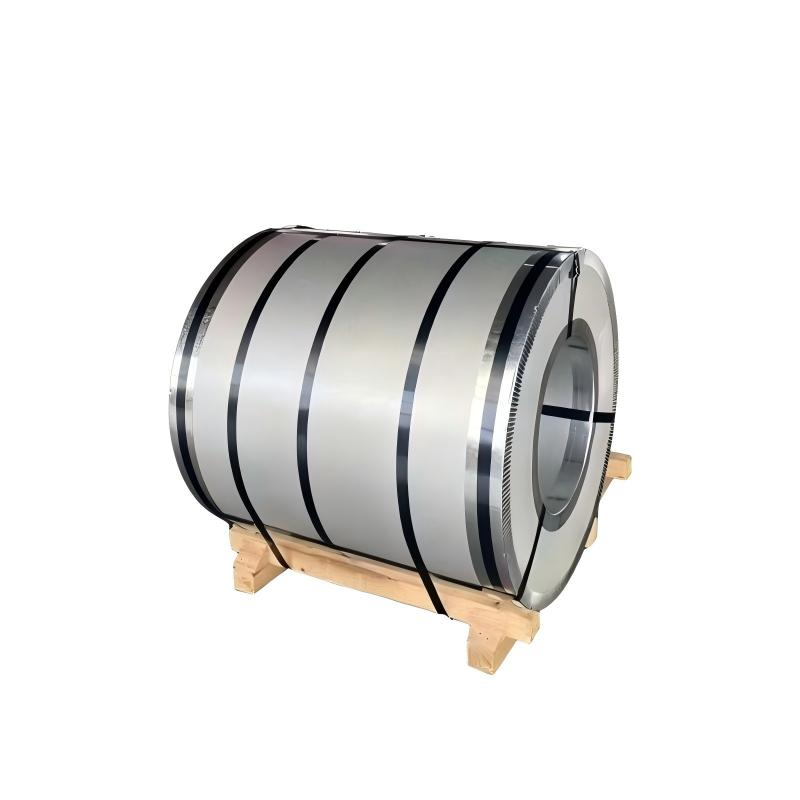
Learn why heavy coating galvalume steel coil provides superior corrosion resistance in harsh coastal settings and saves long-term maintenance costs.
2026/09/10
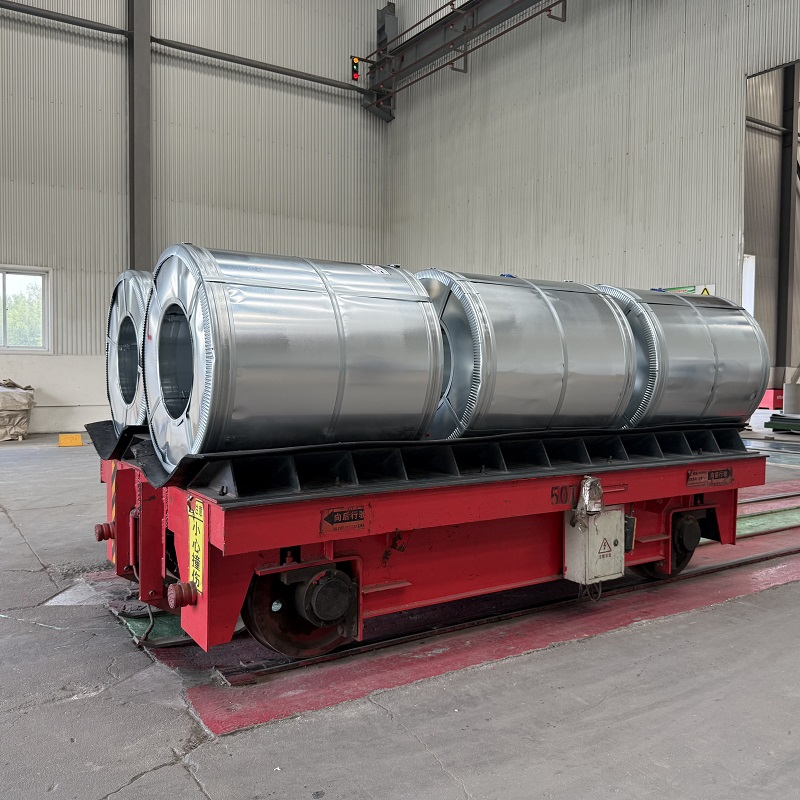
Learn how to test the bending performance of formable galvalume steel coil samples using T-bend testing to prevent cracking and scrap.
2026/09/10
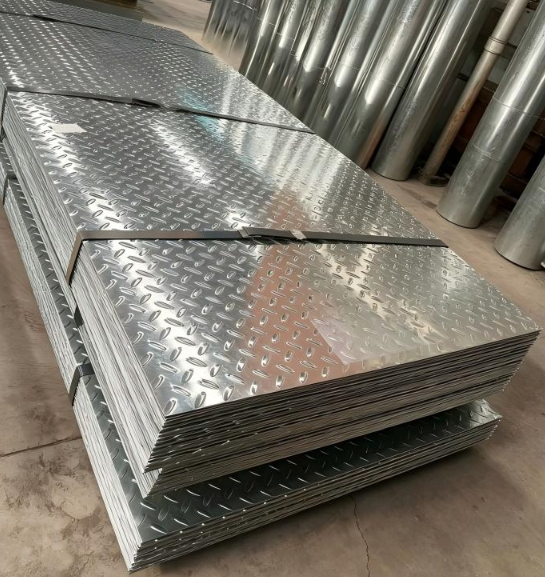
Discover how multi specification galvalume steel coil simplifies purchasing, boosts productivity, and lowers costs for metal fabricators.
2026/09/10
Discover why hot dipped galvanized steel and hot dip galvanized checkered plate offer ideal corrosion resistance and strength for road guardrails.
Covering green transformation, product comparison, selection guide, and industry empowerment, helping you fully grasp the dynamics of the color steel industry.

Global climate action and Belt and Road cooperation are driving the color steel industry’s shift toward green, sustainable development.

Comparing PPGI and PPGL across performance, durability, and applications to help you select the optimal coated steel for your project.
A practical guide to selecting and applying color steel coils, ensuring optimal performance, durability, and cost-effectiveness for your projects.
Industry forum drives digital and green transformation, empowering steel sector development through innovation and collaboration.