EN
EN

How to customize length size of precision cut GI coil finished sheets
2026/09/11
Learn how to specify precision cut GI coil sheets in custom lengths — tolerance selection, coating integrity, and ordering tips.
2026/08/01
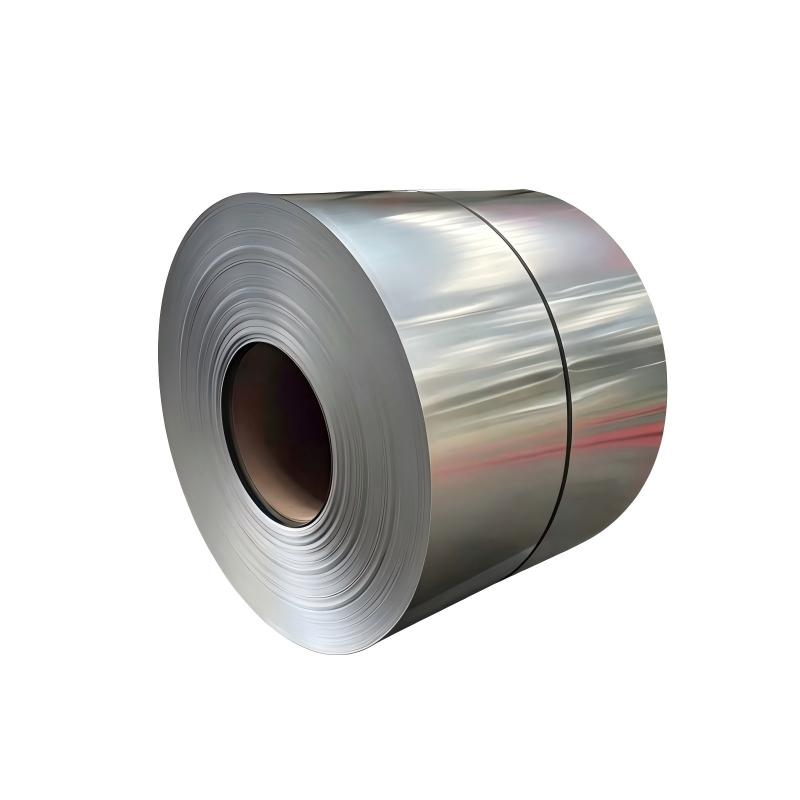
When a processing facility transforms a ppgi colour coated sheet into premium architectural wall systems, surface integrity directly determines overall customer satisfaction and long-term project success. Every incoming ppgi colour coated sheet carries a factory-baked paint system worth several dollars per square meter. Any scratch, bend crack, or handling dent introduced during downstream operations results in immediate financial loss and potential customer rejection.
The manufacturing facilities that produce the most profitable decorative metal wall panel designs are not necessarily those with the most expensive machinery. Instead, success belongs to operations where technical teams understand precisely how to convert a prepainted metal sheet from raw coil form into a finished aesthetic panel without compromising the protective coating applied at the steel mill. This comprehensive processing guide explores critical operating steps, recommended equipment parameters, and effective strategies to prevent high-value painted coil for wall cladding from turning into costly scrap.
The production journey starts at the uncoiler, where more surface damage occurs than at any other single workstation. A heavy ppgi colour coated sheet coil exerts massive tension as it unwinds. Mandrels must feature polyurethane or rubber-coated contact surfaces to prevent inner wraps from scraping against bare metal.
Furthermore, strips entering the leveling machine must pass over rollers that are cleaned at the start of every shift and inspected weekly for smooth bearing rotation. A seized roller drags across the painted surface of a prepainted metal sheet at high line speeds, creating a continuous scratch line that ruins entire coils for visible architectural applications. Installing a soft felt wiper or brush system immediately after the uncoiler captures loose debris before the material enters the roll-forming section. Reliable suppliers ensure that every batch of ppgi colour coated sheet arrives with consistent protective film application, safeguarding the investment of global fabricators.
When roll-forming painted coil for wall cladding into trapezoidal, corrugated, or ribbed profiles, the precise relationship between bend radius and coating flexibility dictates whether panels emerge with pristine finishes or microscopic micro-cracks. Standard polyethylene coatings on a ppgi colour coated sheet generally require an internal bend radius of at least two times the base material thickness.
For advanced high durability or polyvinylidene fluoride formulations on a prepainted metal sheet, which feature harder and less flexible topcoats, the minimum bend radius increases to three times thickness. Forming stations must distribute deformation gradually; aggressive angles in too few passes concentrate mechanical stress beyond the elongation limits of the paint. Running preliminary test strips from every ppgi colour coated sheet batch and examining bend apexes under magnification ensures high quality before full-scale production begins.
Cutting and punching operations on painted coil for wall cladding expose bare steel edges that quickly become starting points for under-film corrosion if left unprotected. The primary rule of efficient PPGI processing guide standards is that all shear blades and punch dies must remain razor-sharp. Dull blades tear rather than cut the ppgi colour coated sheet, pulling the metallic and paint layers away from the trim line to create ragged edges with exposed steel.
Every cut edge and punched hole should receive immediate post-fabrication treatment within the same shift using a zinc-rich repair coating or cold galvanizing compound. For any decorative metal wall panel destined for coastal or tropical high-humidity environments, edge sealing is essential for achieving long-term service life. Working with established supply partners ensures that incoming prepainted metal sheet materials possess optimal formability and edge characteristics.
The final stage of production involves stacking, bundling, and preparing finished products for transport. Automated stackers must utilize non-marking vacuum lifters or soft nylon slings rather than chain hooks that can dent the face of a decorative metal wall panel. Interleaving protective foam sheets between panels prevents vibration rubbing during transit to overseas jobsites. Sourcing superior painted coil for wall cladding from dependable global manufacturers allows processors to deliver flawless architectural facades. Through rigorous quality control and advanced supply capabilities, industry leaders like Jiuzhou empower international contractors with reliable coil inventories and consistent material performance.
A: Because PVDF coatings are harder and less flexible than standard PE, the minimum internal bend radius should be three times the material thickness. If tighter architectural radii are required, engineers should consider switching to SMP or PE paint systems.
A: Coils must be stored indoors within a dry, well-ventilated warehouse, elevated off concrete floors using wooden pallets or rubber mats. Original packaging should remain intact until the coil is loaded onto the de-coiler line to prevent moisture condensation damage.
A: Field painting is rarely economical or durable. Matching the uniformity and weather resistance of an industrial factory-baked finish is difficult, making it much more cost-effective to source the exact color variant directly from your coil supplier.
2026/09/11
Learn how to specify precision cut GI coil sheets in custom lengths — tolerance selection, coating integrity, and ordering tips.
2026/09/11
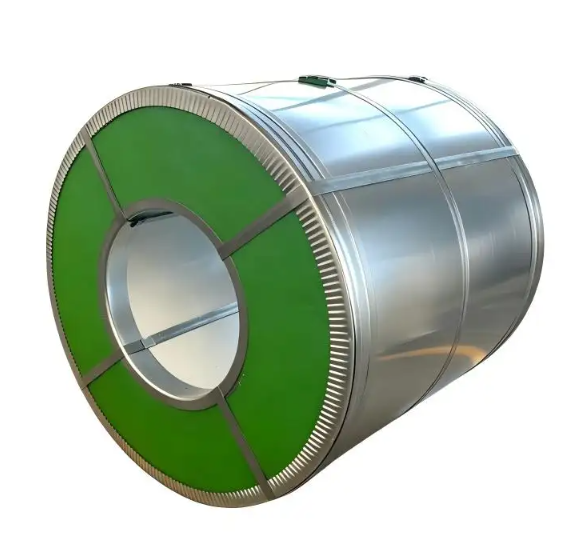
Learn why premium finish galvalume steel coil delivers better paint adhesion and visual consistency in finished building products. Request specs today.
2026/09/10
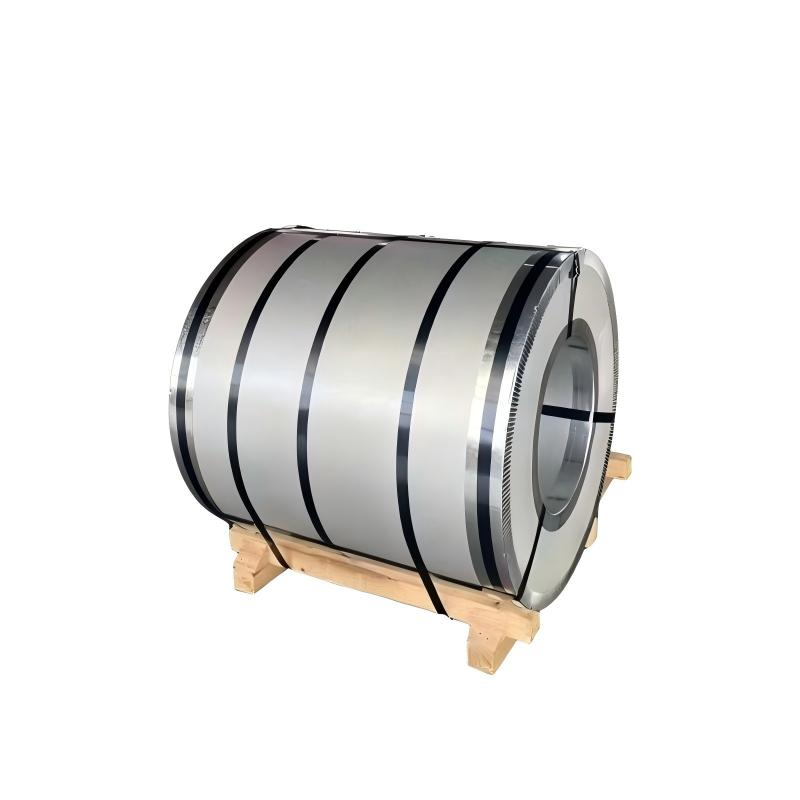
Learn why heavy coating galvalume steel coil provides superior corrosion resistance in harsh coastal settings and saves long-term maintenance costs.
2026/09/10
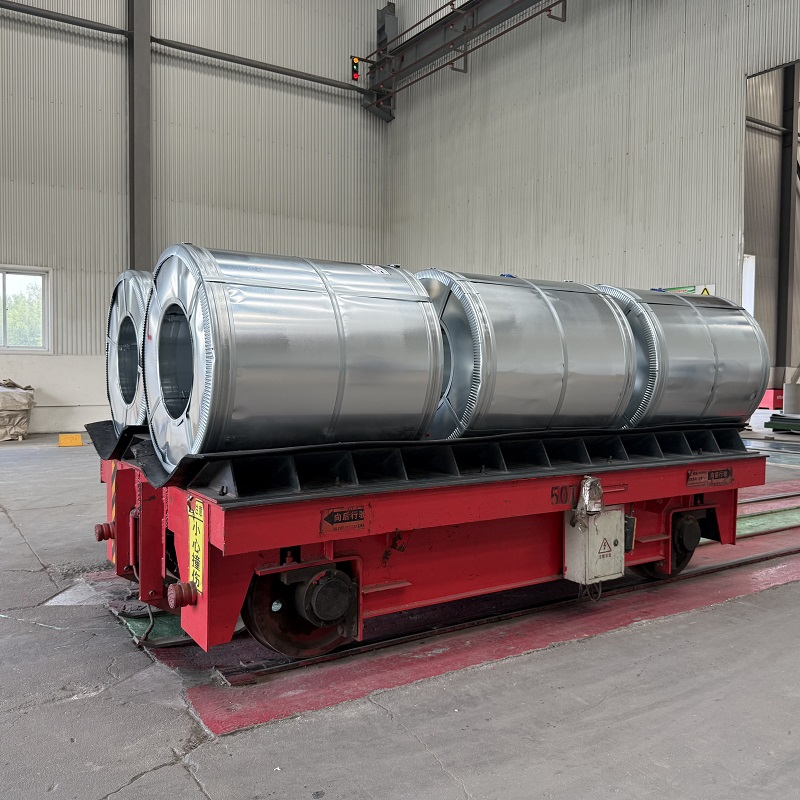
Learn how to test the bending performance of formable galvalume steel coil samples using T-bend testing to prevent cracking and scrap.
2026/09/10
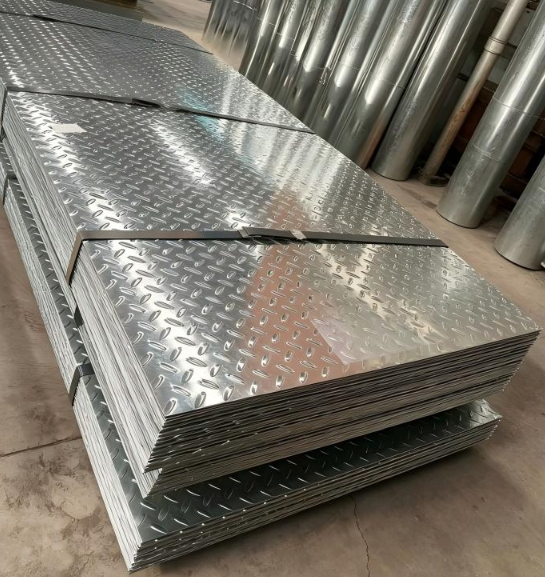
Discover how multi specification galvalume steel coil simplifies purchasing, boosts productivity, and lowers costs for metal fabricators.
2026/09/10
Discover why hot dipped galvanized steel and hot dip galvanized checkered plate offer ideal corrosion resistance and strength for road guardrails.
Covering green transformation, product comparison, selection guide, and industry empowerment, helping you fully grasp the dynamics of the color steel industry.

Global climate action and Belt and Road cooperation are driving the color steel industry’s shift toward green, sustainable development.
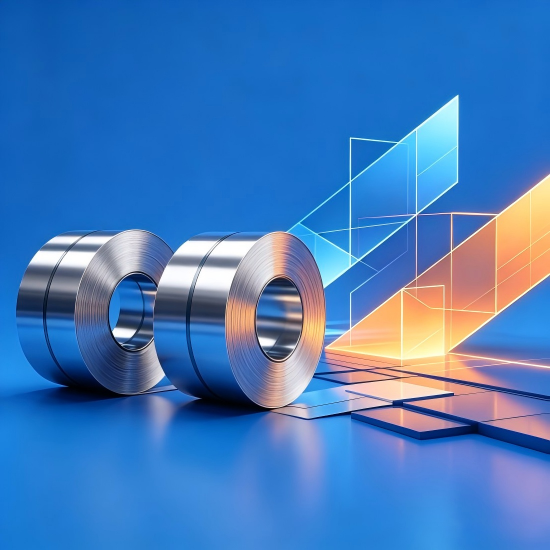
Comparing PPGI and PPGL across performance, durability, and applications to help you select the optimal coated steel for your project.
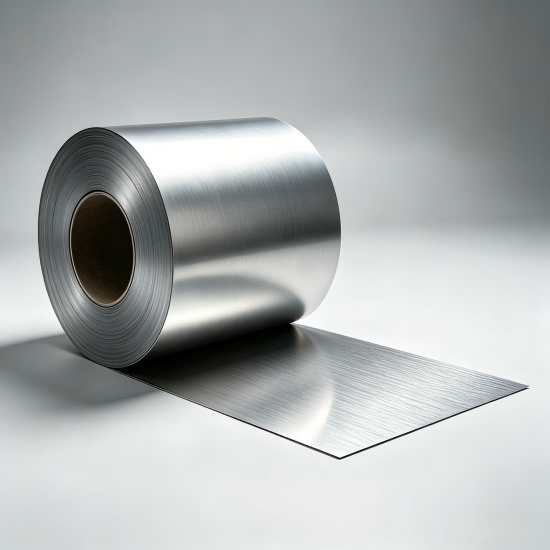
A practical guide to selecting and applying color steel coils, ensuring optimal performance, durability, and cost-effectiveness for your projects.
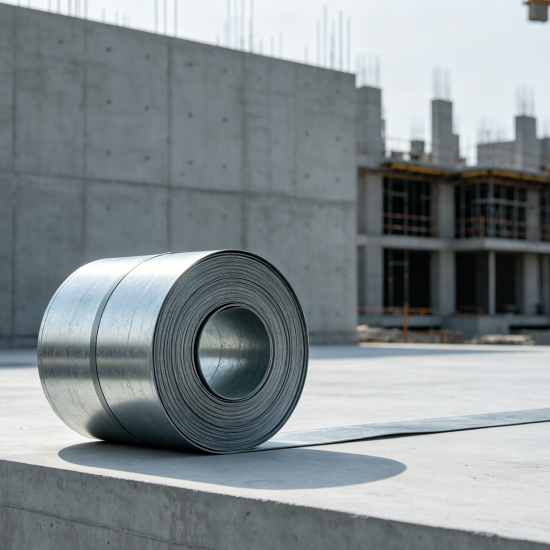
Industry forum drives digital and green transformation, empowering steel sector development through innovation and collaboration.