EN
EN

How to Process GI Sheet to Fit Different Industrial Manufacturing Needs
As a fabricator producing roofing panels, structural framing components, and wall cladding from coated steel coils, I have learned that a gi sheet is rarely ready to feed into a production line exactly as it arrives from the mill. The raw coil is a starting point. What matters is how you process it — slitting, shearing, roll forming, stamping, and bending — and whether the material specifications have been matched to your specific downstream operation before a single meter is run. Getting this right from the outset determines your scrap rate, your production efficiency, and ultimately whether the finished component performs in service.
This guide walks through the main processing methods applied to galvanized iron gi sheet and explains what you need to verify at each stage to keep the material within specification across different industrial manufacturing sectors.
Understanding GI Sheet Properties Before You Process
Before choosing a processing method, you need a clear picture of the base material. A gi sheet manufactured to ASTM A653/A653M carries a permissible thickness tolerance of ±5% for base metal thicknesses at or below 2.0 mm. That range may appear minor on paper, but provided you are feeding a tight-tolerance roll-forming line or a precision punching press, a consistent material thickness is a prerequisite — not a preference. Coating weight adds another layer of specificity: a G60 designation provides roughly two-thirds the service life of a G90 coating under equivalent exposure conditions. Selecting the right coating weight for the application environment protects both the component and your quality reputation with the end buyer.
The mechanical properties — yield strength, elongation, and ductility — are equally relevant. For cold-bending operations, a grade with adequate elongation prevents coating delamination under forming stress. For structural framing production, yield strength determines the load-bearing rating of the finished profile. Reviewing the mill test report before committing to a processing schedule is a basic step that experienced fabricators do not skip.
Slitting: Adjusting GI Flat Sheet Width to Production Line Requirements
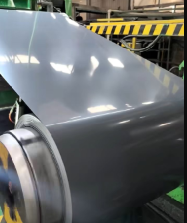
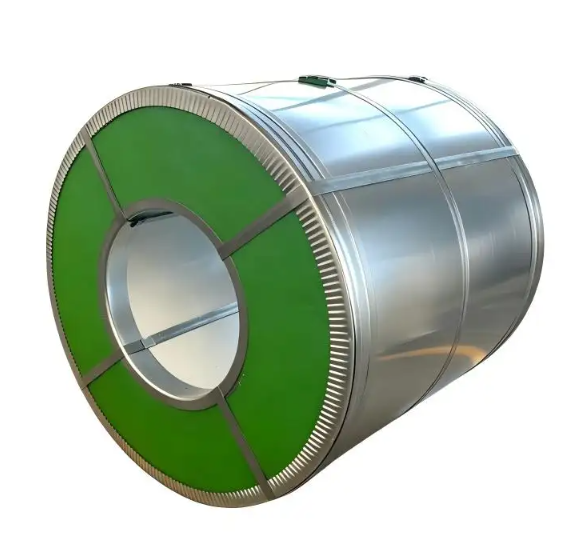
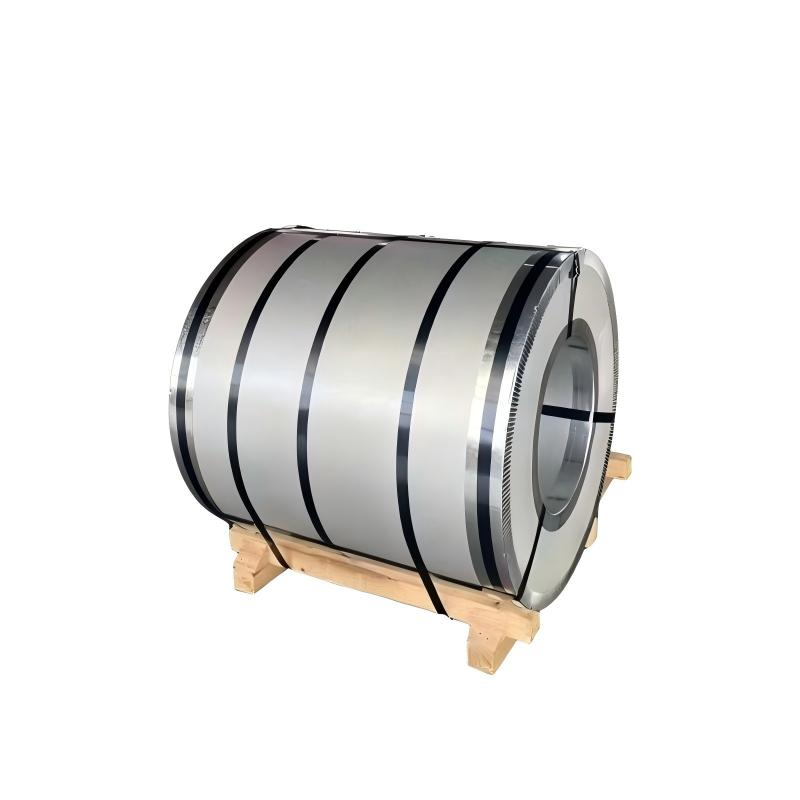
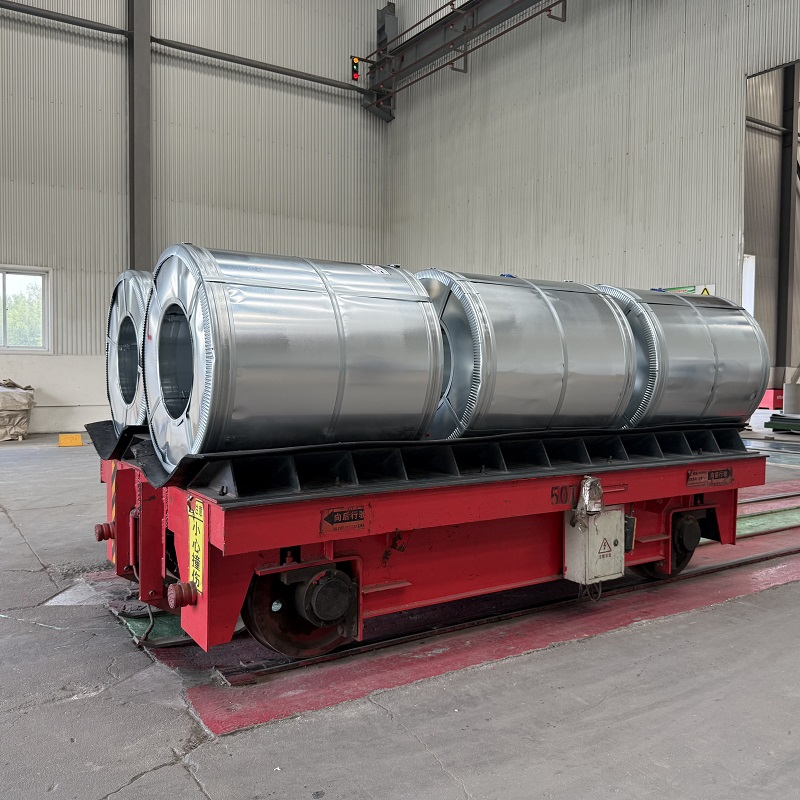
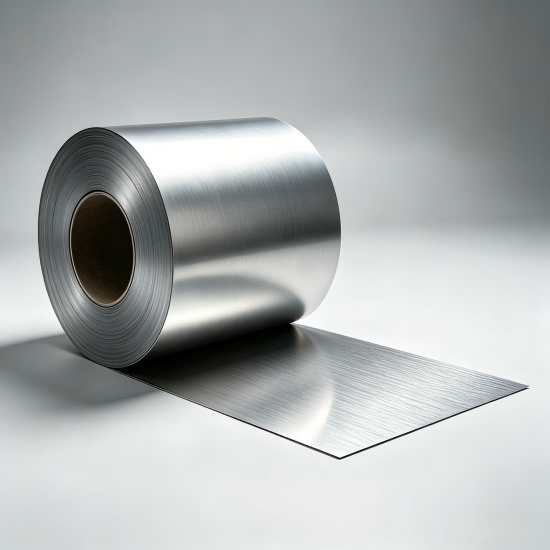
Slitting is typically the first processing step, and it is where width mismatches either get corrected or get locked in. A gi flat sheet coil delivered at standard mill widths — often 1,000 mm, 1,219 mm, or 1,250 mm — may not match the blank width required by your roll-forming die, blanking press, or cut-to-length line. Running a coil that is 50 mm wider than your tooling requires generates waste on every coil, and that waste compounds quickly across high-volume production.
Working with suppliers who can provide custom-slit coil widths — cut to your specified dimension rather than a standard mill width — eliminates the rework step and reduces scrap. Yuanhe Steel offers custom-slit GI coils with customer-specified widths and coating weights, allowing fabricators to reduce material waste instead of trimming from standard mill dimensions. Provided the slit width tolerance is confirmed with the supplier before the first order, you can feed coils directly into your line without an intermediate slitting pass.
After slitting, run a gloved hand along the slit edge of a narrow-width GI strip. If burrs or micro-tears are present, it indicates excessive blade wear during the slitting process — and those edge defects will cause issues in roll-forming guides, increase edge rust susceptibility, and accelerate die wear in punching operations. A clean slit edge is a non-negotiable quality checkpoint before downstream processing begins.
Shearing and Blanking: Cutting GI Sheet to Component Dimensions
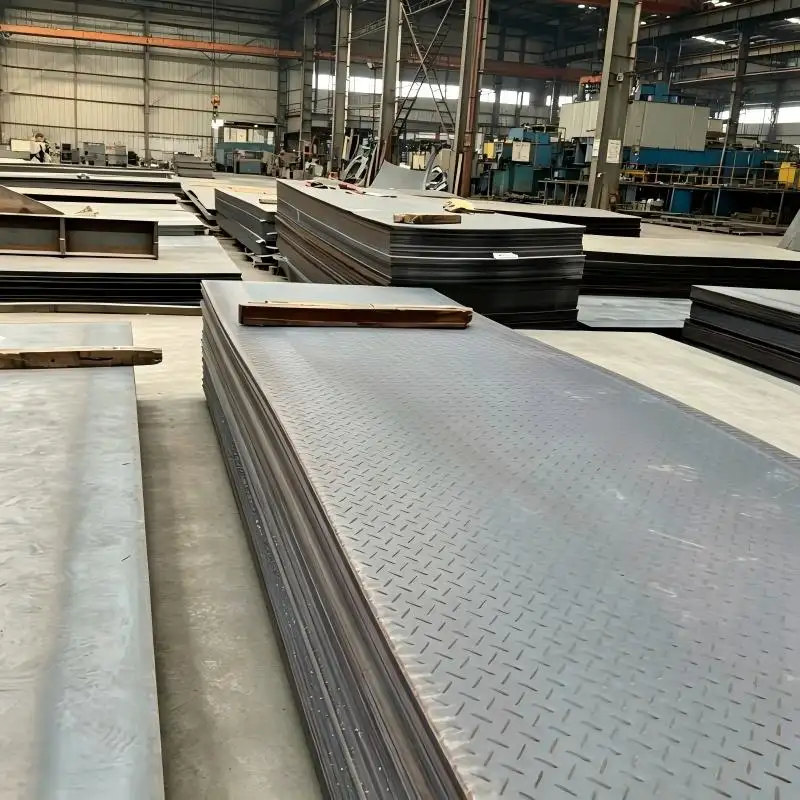
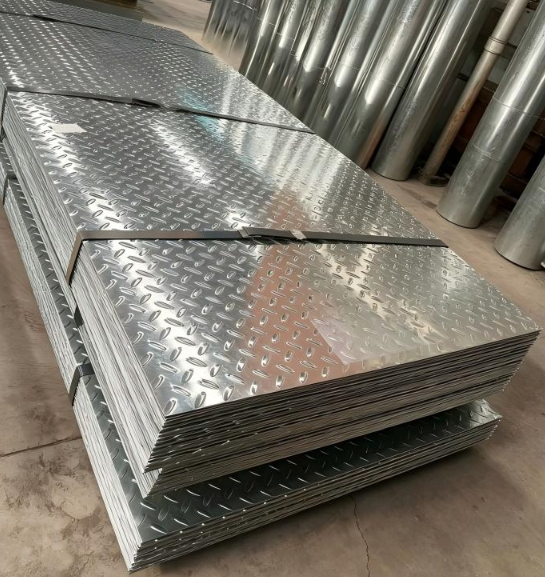
Shearing and blanking are used when flat panels or specifically shaped blanks are required. In HVAC duct fabrication, for example, gi sheet is sheared into flat blanks that are then folded into duct sections. In agricultural equipment manufacturing, blanks punched from GI sheet form equipment covers and chassis panels. The zinc coating on the sheared edge is exposed after cutting — in high-humidity environments or outdoor applications, this cut-edge exposure creates a potential corrosion initiation site. Provided the component will face moisture or chemical exposure, selecting a higher coating weight (Z275 or G90 rather than Z180 or G60) on the base coil adds a meaningful buffer against edge corrosion over the component's service life.
Die clearance is also material-specific. Coated sheet behaves differently from uncoated cold-rolled steel during blanking because the zinc layer adds slight additional thickness and modifies the friction characteristics at the die face. Using the die clearance values calibrated for your specific GI sheet thickness — including the zinc coating layer — produces cleaner cut edges and extends die life.
Roll Forming: Converting GI Sheet Coils into Structural Profiles
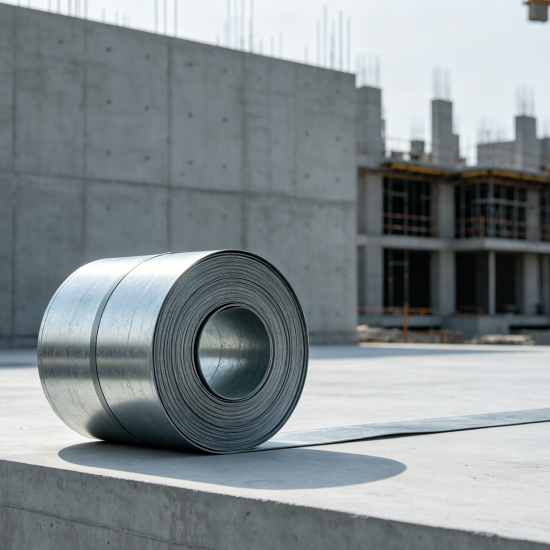
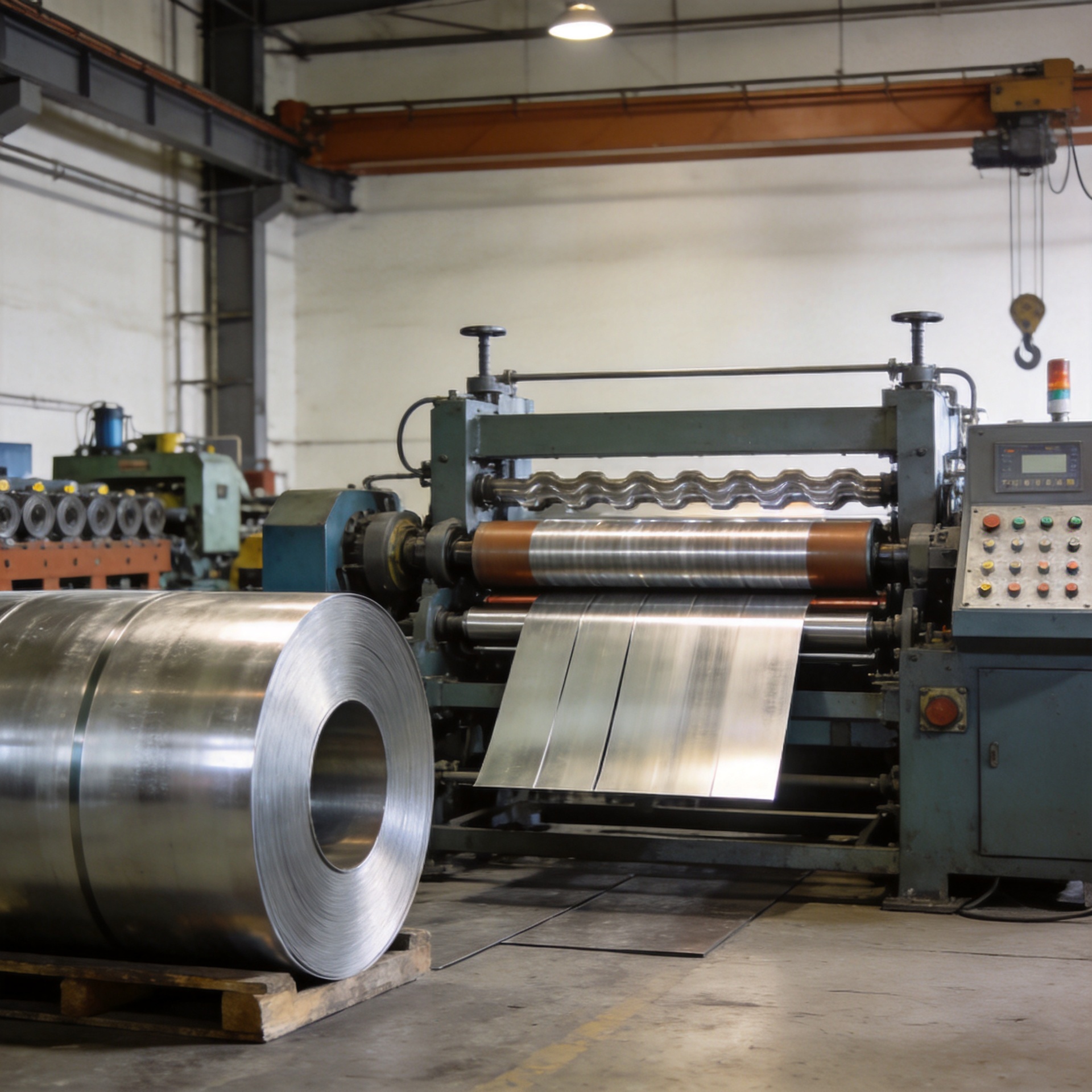
Roll forming is the dominant processing method for converting galvanized iron gi sheet coils into roofing panels, wall cladding, and light-gauge steel framing profiles at production volume. The process feeds a continuous coil strip through a series of roller stations, bending the material in stages into a defined cross-section profile. Watching the roll-forming machine run a few meters of GI coil through the first pass tells you immediately whether the coating adhesion and base metal ductility are within acceptable range — paint cracking along the bend radius or coating flaking at forming points are visible early warning signs that the material grade is not matched to the forming geometry.
For tighter profile geometries — such as concealed-fix roofing panels with small-radius standing seams — specifying a GI coil with higher elongation values (DX51D or equivalent with elongation above 22%) reduces the risk of coating damage during profile formation. For simpler corrugated or sinusoidal profiles, standard commercial-quality GI coil grades are typically sufficient, provided the thickness tolerance is consistent across the coil.
Stamping and Punching: GI Sheet for Component Manufacturing
Thinner-gauge gi flat sheet (commonly 0.3 mm to 0.8 mm) is widely used in stamped component manufacturing for the appliance, electrical enclosure, and automotive accessory sectors. Precision stamping requires dimensional consistency across both sheet thickness and coating weight, because the zinc layer affects material flow behavior under the punch and die. In practice, a batch of GI sheet with variable coating weights — even within the same nominal coating designation — produces stamped components with inconsistent springback and edge quality. Specifying a tight coating weight range (not just a minimum designation) when ordering is a concrete way to reduce stamp-to-stamp variability on high-tolerance component lines.
Punching operations for perforation patterns — ventilation panels, drainage grids, equipment guards — require sharp tooling and a consistent material surface. Provided the GI sheet surface is free of mill-scale residue, passivation marks, or surface waviness exceeding the standard flatness tolerance, punched hole geometry remains within specification across the sheet length.
Bending and Cold Forming for Custom Structural Shapes
Press-brake bending converts gi sheet into angles, channels, and box sections used in shelving, racking systems, equipment frames, and secondary steelwork. The critical variable is minimum bend radius — typically expressed as a multiple of the sheet thickness. For Z275-coated GI sheet at 1.2 mm thickness, a bend radius below 1× thickness risks visible coating cracking along the outer bend, particularly at ambient temperatures below 10°C when zinc becomes less ductile. Matching the specified minimum bend radius to the GI sheet grade and thickness before setting up the press brake prevents coating damage that would later compromise corrosion resistance at the bend location.
For Z180 or lighter coating designations, bending tolerance is generally wider, but the reduced coating weight means the bent section has less corrosion reserve — relevant for components installed in moderately aggressive environments.
Matching GI Sheet Specifications to Your Manufacturing Process
Each processing method imposes specific material requirements on the incoming galvanized iron gi sheet. Selecting the right combination of base metal grade, thickness tolerance, coating weight, and coil width before the order is placed — rather than adapting a standard coil after delivery — directly reduces processing waste, avoids production delays, and deliver finished components that meet dimensional and performance specifications consistently.
For fabricators processing GI sheet across multiple product lines with different dimension and specification requirements, working with a supplier who can deliver custom slit widths, specified coating weights, and consistent mill test documentation reduces the time and effort spent managing material requirements across production lines. If you are reviewing GI sheet requirements for an upcoming production run, visit Yuanhe Steel GI coil product page or contact us at [email protected] or call +86-18642064006 to discuss coil specifications matched to your processing needs.