EN
EN

How to customize length size of precision cut GI coil finished sheets
2026/09/11
Learn how to specify precision cut GI coil sheets in custom lengths — tolerance selection, coating integrity, and ordering tips.
2026/08/06
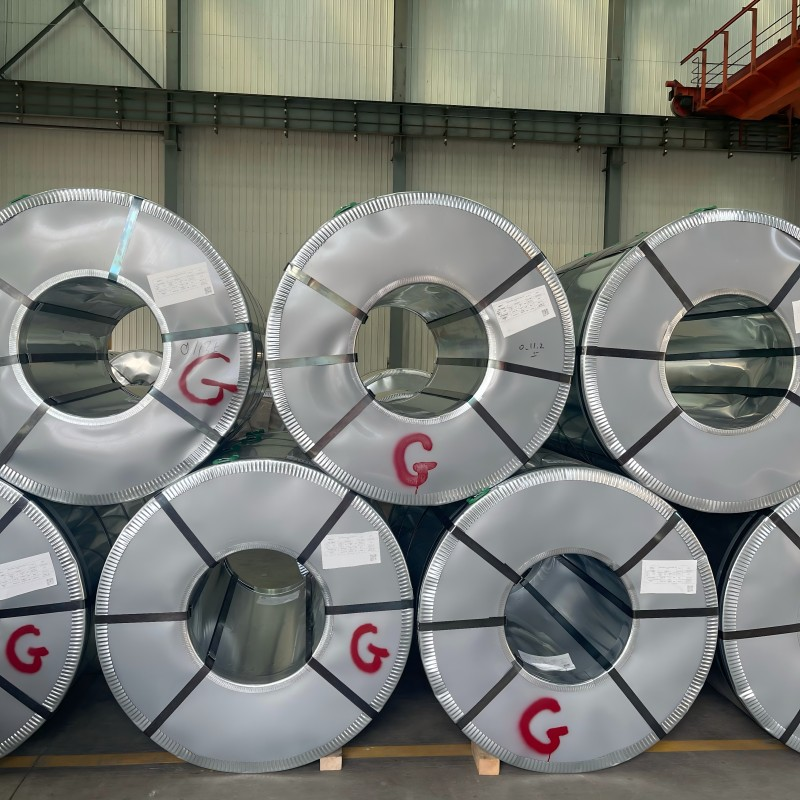
Paint cracking during the bending process is one of the most frustrating and costly defects workshops face when turning a standard PPGI steel coil into finished metal products. Whenever you roll-form, press-brake, or bend coated metal into specific architectural shapes, the paint film on the outside of the curve undergoes heavy tensile stress, while the inner radius experiences heavy compression. If that surface coating lacks the right flexibility, micro-fractures pop up immediately, destroying both the visual finish and the long-term corrosion resistance. To avoid this headache, choosing a stable paint ppgi steel coil is essential. These specialty coils are engineered with flexible resin blends, carefully balanced primers, and strict dry film thicknesses to handle severe mechanical stress without losing integrity. The industry measures this exact threshold using the T-bend test, where lower values like 1D or 2D indicate superior flexibility. For heavy bending jobs, you want a material that handles tight turns effortlessly, keeping paint cracking prevention front and center in your workshop strategy.
Several moving parts influence whether your PPGI steel coil will survive a bending machine with zero surface damage. First up is the resin system. Standard polyester options offer decent flexibility for basic walls, whereas alternative chemistries might trade off some elasticity for weather durability. Next, the primer layer acts as the glue between the bare metal and the topcoat; an under-cured primer creates a brittle boundary that shatters under pressure. Coating thickness plays an equally massive role. Slapping on a thick layer of paint might sound like a great way to boost protection, but it actually skyrockets your paint cracking prevention challenges because outer fibers stretch farther. A truly stable paint ppgi steel coil keeps topcoats locked between 15 to 25 microns. Finally, the curing phase matters immensely. If ovens bake the metal too fast or too slow, the trapped solvents ruin the elasticity of the finish.
| Influencing Factor | Safe Zone for Bending | High-Risk Condition | Best Workshop Strategy |
| Resin Formulation | Highly flexible polymers | Rigid, brittle systems | Match resin to bend severity |
| Coating Thickness | 18 to 22 microns | Over 26 microns | Strictly monitor wet/dry specs |
| Curing Process | Fully polymerized peak | Under-baked or scorched | Track peak metal temperatures |
| Shop Temperature | 15 to 30 degrees Celsius | Below 10 degrees Celsius | Warm up coils before processing |
Before sending a fresh batch of PPGI steel coil down your production line, taking a few minutes to test paint flexibility can save thousands of dollars in wasted scrap. The classic T-bend test remains the gold standard. By wrapping a sample panel back on itself over various spacer thicknesses, inspectors look closely under magnification for any sign of coating failure. When dealing with bending coated steel, verifying these benchmarks guarantees that your metal won't crack halfway through a tight architectural panel run. Complementary checks like reverse impact tests and cross-hatch adhesion evaluations ensure that the paint stays firmly anchored to the substrate instead of flaking off when stressed. Checking these metrics ahead of time transforms guesswork into predictable manufacturing.
Even if you buy the highest quality stable paint ppgi steel coil on the market, poor machine setup can still ruin the finish. The physical bend radius is your primary concern; pushing metal past its structural limits guarantees trouble with paint cracking prevention. Line speed matters too. Running rollers too fast generates friction heat that softens the topcoat, causing it to stick, smear, or tear right off the substrate. Keeping your shop floor at a comfortable working temperature prevents the paint film from turning brittle in freezing winter conditions or overly gummy in summer heat. Furthermore, worn-out or misaligned rollers create localized pinch points that trigger premature surface failure on bending coated steel. Regular maintenance and clean tooling keep every profile looking sharp and defect-free.
A busy architectural roofing manufacturer in Central Asia recently struggled with a stubborn 6 percent reject rate due to cracking along the ribs of their trapezoidal panels. The problem stemmed from tight 3 mm internal radii that overstressed the surface finish during heavy roll-forming. After investigating the issue, the factory upgraded to a certified stable paint ppgi steel coil featuring superior elongation characteristics and restored their worn forming dies. They also adjusted line speeds and warmed up the workshop floor. These targeted steps dropped their reject rate down to a fraction of a percent, proving that successful paint cracking prevention relies equally on premium material sourcing and smart mechanical adjustments. When working with bending coated steel, every minor detail on the shop floor impacts the final output quality.
Finding a dependable source for your raw materials is the ultimate shortcut to trouble-free manufacturing. When your operations depend on high-speed fabrication, partnering with an established producer makes all the difference. Leading mills utilize continuous monitoring systems, precise coating thickness controls, and rigorous in-house laboratory testing to guarantee that every PPGI steel coil delivers uniform elasticity and strength. For businesses seeking absolute consistency in bending coated steel, working with an advanced manufacturer like Yuanhe ensures access to fully certified inventory, strict quality assurance protocols, and exceptional supply chain support for any demanding project worldwide.
2026/09/11
Learn how to specify precision cut GI coil sheets in custom lengths — tolerance selection, coating integrity, and ordering tips.
2026/09/11
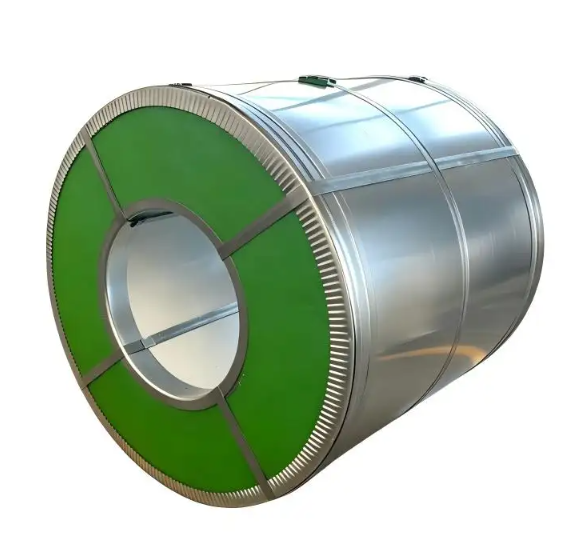
Learn why premium finish galvalume steel coil delivers better paint adhesion and visual consistency in finished building products. Request specs today.
2026/09/10
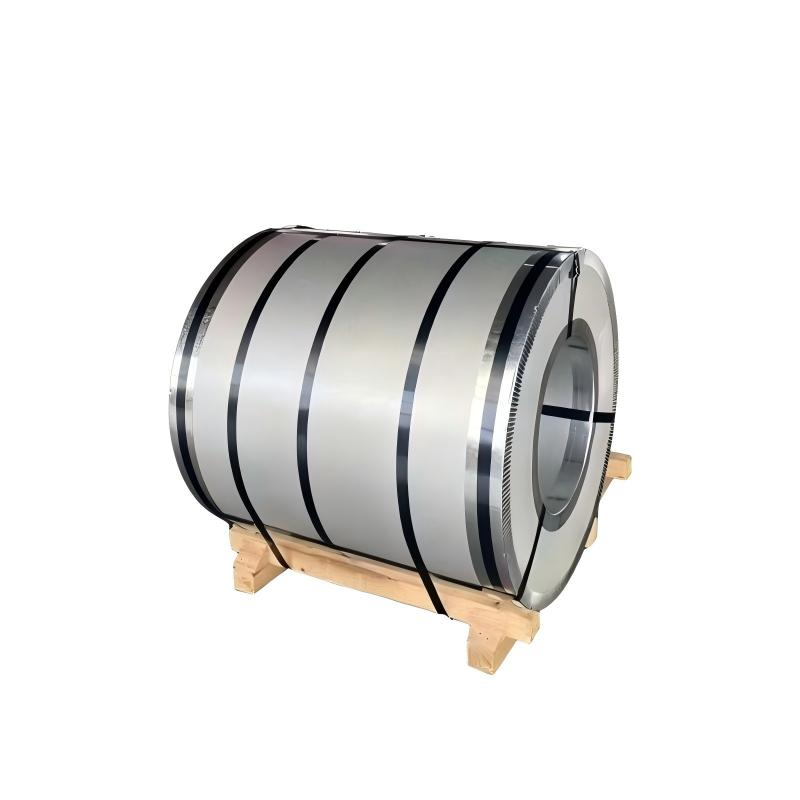
Learn why heavy coating galvalume steel coil provides superior corrosion resistance in harsh coastal settings and saves long-term maintenance costs.
2026/09/10
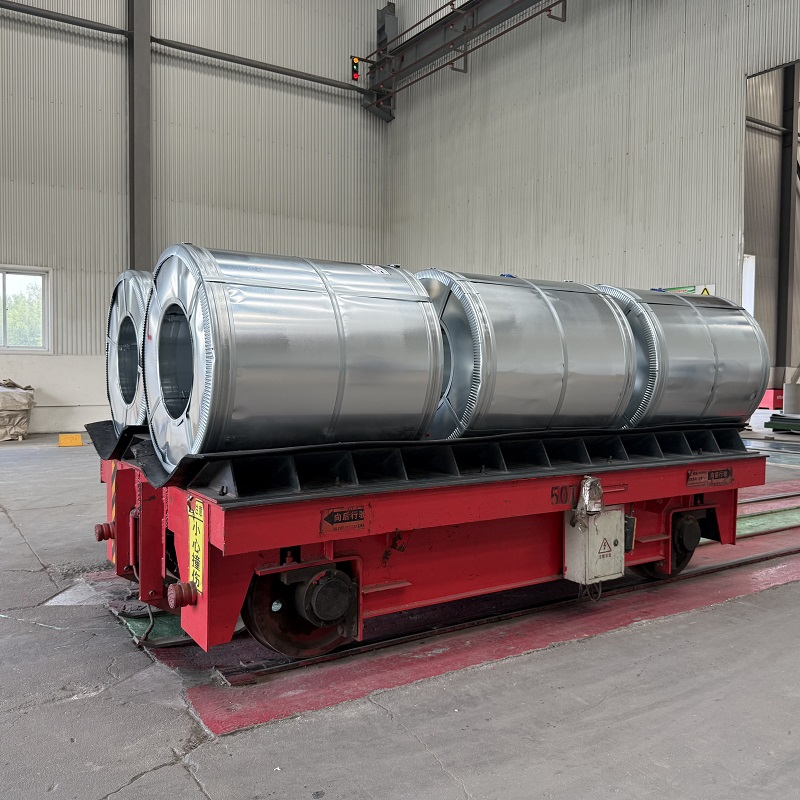
Learn how to test the bending performance of formable galvalume steel coil samples using T-bend testing to prevent cracking and scrap.
2026/09/10
Discover how multi specification galvalume steel coil simplifies purchasing, boosts productivity, and lowers costs for metal fabricators.
2026/09/10
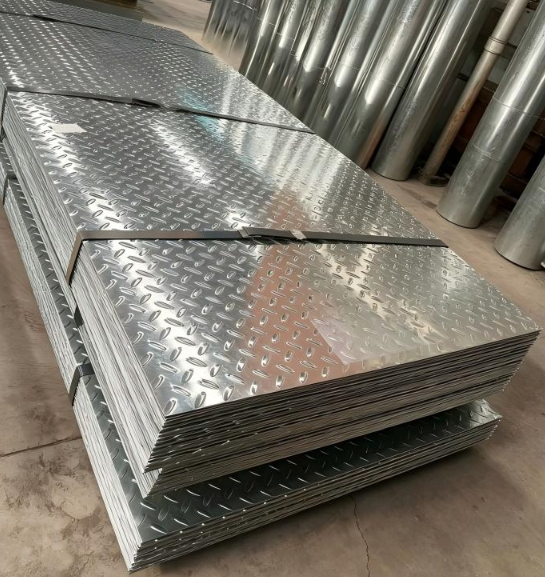
Discover why hot dipped galvanized steel and hot dip galvanized checkered plate offer ideal corrosion resistance and strength for road guardrails.
Covering green transformation, product comparison, selection guide, and industry empowerment, helping you fully grasp the dynamics of the color steel industry.

Global climate action and Belt and Road cooperation are driving the color steel industry’s shift toward green, sustainable development.
Comparing PPGI and PPGL across performance, durability, and applications to help you select the optimal coated steel for your project.
A practical guide to selecting and applying color steel coils, ensuring optimal performance, durability, and cost-effectiveness for your projects.
Industry forum drives digital and green transformation, empowering steel sector development through innovation and collaboration.