EN
EN

How to customize length size of precision cut GI coil finished sheets
2026/09/11
Learn how to specify precision cut GI coil sheets in custom lengths — tolerance selection, coating integrity, and ordering tips.
2026/08/18
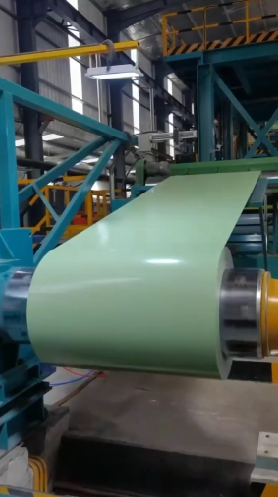
Surface scratches are the most common quality defect in colour coated aluminium coil, and they almost never originate on the production line. In my experience inspecting coils across processing facilities in the Middle East and Southeast Asia, over 80 percent of visible scratch claims trace back to handling, transport, or slitting operations performed after the coil left the coating line. A coated aluminum coil with a premium PVDF finish can be ruined in seconds by a single careless contact point, turning a high-value product into a downgrade or a rejected shipment.
The paint film on a colour coated aluminium coil typically ranges from 15 to 25 microns for the topcoat. While modern coil coating lines produce surfaces that resist weathering for decades, that same surface is vulnerable to mechanical damage from metal-to-metal contact, abrasive debris, and improper lifting. Once a scratch penetrates the paint film and exposes the aluminium substrate, the area becomes a corrosion initiation point and a cosmetic defect that cannot be field-repaired to original quality. Prevention is the only effective strategy, and it begins with disciplined coil handling procedures at every stage.
When a coated aluminum coil arrives at your facility, the first scratch risk occurs during unloading. Never use bare steel chains or wire slings directly on the coil. Use webbing slings with a minimum width of 100 mm, or purpose-built C-hooks with rubberized contact pads. Inspect the dunnage material under the coil. Wooden cradles should have smooth, splinter-free surfaces, and any steel banding should have protective edge guards where it contacts the painted surface.
Before moving the coil from the transport vehicle, inspect the outer wrap for damage. Document any visible scratches with photographs before accepting the shipment. If the coil arrived with a protective PE film applied at the coating line, leave the film in place until the final processing or installation stage. That film is your cheapest insurance against handling damage.
Store colour coated aluminium coil indoors in a dry, ventilated environment. Outdoor storage, even under tarpaulin, exposes the coil to thermal cycling that causes condensation between wraps, leading to wet-stack staining and paint adhesion issues. Stack coils vertically on their eye (the circular cross-section) rather than on their flat side, which prevents point-loading damage on the bottom layers.
If coils must be stacked horizontally, use full-width separator pads between each layer. Never stack directly coil-on-coil. Maintain a maximum stack height of three coils for material above 1.0 mm thickness and two coils for thinner gauges. Ensure the storage rack rollers or saddle surfaces are covered with felt or rubber padding, and inspect these pads regularly for embedded metal fragments that can transfer scratches.
The uncoiler is where many scratches originate. Before loading, verify that the uncoiler mandrel expansion segments are clean and free of burrs or weld spatter. When the mandrel expands inside the coil eye, any rough metal surface contacts the inner wraps directly. Fit mandrel sleeves made of UHMW polyethylene or rubber if the inner diameter surface is visible product.
Pay off the coil with a tension control system that prevents loose-wrap slippage, which causes the wraps to rub against each other. Install a felt-covered deflector roll or dancer roll at the exit point of the uncoiler to support the strip and prevent it from draping over sharp coil edges. The strip should never contact bare steel rollers before entering the processing equipment.
Slitting is the highest-risk processing step for surface scratches on a coated aluminum coil. The coil passes through blade arbors, tension pads, and guide rollers, any of which can leave linear scratches along the paint surface. Use non-metallic tension pad materials such as felt or polymer on all pad shoes. Replace slit edge guides regularly, as aluminum burr buildup on steel guides creates abrasive contact points.
After slitting, the multi-width strips are rewound onto separate cores. Ensure the rewind mandrel is sleeved and that separator discs between strip widths are made of plastic or nylon, not bare steel.
For shipping slit coils or cut sheets of colour coated aluminium coil, use returnable steel racks with rubber-lined cradles sized to the coil diameter. Never ship coils loose on flatbeds without dunnage. Banding should use edge protectors at every contact point, and for premium finishes, apply a secondary stretch wrap over the entire load. During loading and unloading at the destination, instruct the receiving team to use the same webbing sling standards as the origin facility. A scratch at the final handoff is still a rejected coil.
The table below summarizes the relative scratch risk of common handling methods observed across processing facilities. Use this reference when training new staff or auditing your own handling procedures.
In early 2024, a facade contractor in Dubai sourced 600 metric tons of 0.6 mm colour coated aluminium coil with a PVDF finish for a commercial tower project. The coils were shipped in ocean containers, and upon arrival, the contractor discovered linear scratches on approximately 15 percent of the outer wraps. The root cause was traced to bare steel guide rollers on the slitting line at the supplier facility and the absence of protective film.
In a follow-up order, the contractor worked with us at Shenyang Yuanhe Steel to specify a full handling protocol: protective PE film applied at the coating line, rubber-sleeved mandrels during slitting, felt tension pads on the cut-to-length line, and full edge protection on all banding. The coils shipped from our ISO-certified facility with persistent stock support, allowing a 6 to 14 day lead time. The second shipment arrived with zero scratch claims, and the contractor adopted the protocol as a standard specification for all future orders. This outcome illustrates that scratch prevention is achievable when the supplier and buyer align on handling standards before production begins.
Q: Should I remove the protective film before or after installation?
A: Remove the protective PE film only after the coated aluminum coil has been processed, transported, and installed in its final position. The film is designed to withstand normal handling and processing temperatures. Leaving it on through slitting and cutting protects the paint surface from roller contact and debris. Remove it within six months of installation, as prolonged UV exposure can cause the film adhesive to bond permanently to the paint.
Q: What is the acceptable level of scratches on a delivered coil?
A: For premium architectural PVDF finishes, no visible scratches are acceptable on the prime painted surface. For standard PE commercial finishes, minor handling marks within 50 mm of the edge may be tolerated if they do not penetrate to the substrate. Always inspect coils upon receipt and document any defects with photographs before signing the delivery acceptance, as post-receipt claims are difficult to substantiate.
2026/09/11
Learn how to specify precision cut GI coil sheets in custom lengths — tolerance selection, coating integrity, and ordering tips.
2026/09/11
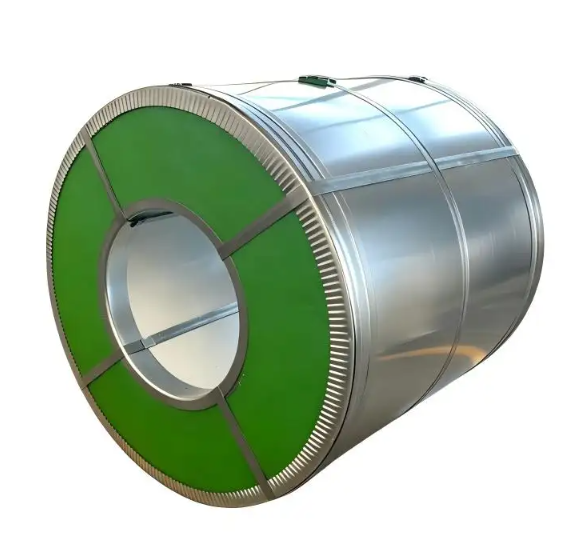
Learn why premium finish galvalume steel coil delivers better paint adhesion and visual consistency in finished building products. Request specs today.
2026/09/10
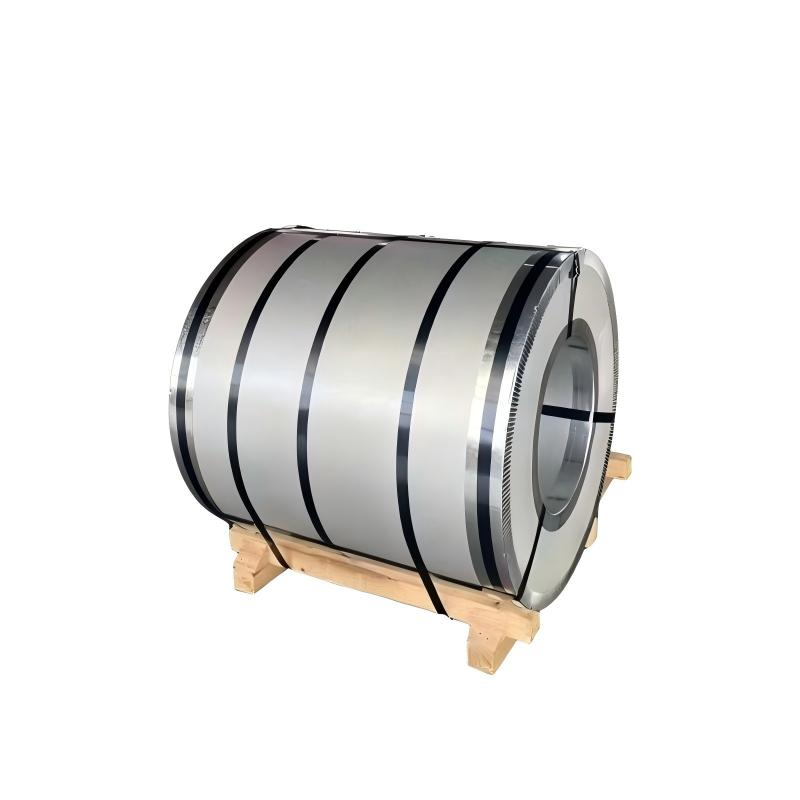
Learn why heavy coating galvalume steel coil provides superior corrosion resistance in harsh coastal settings and saves long-term maintenance costs.
2026/09/10
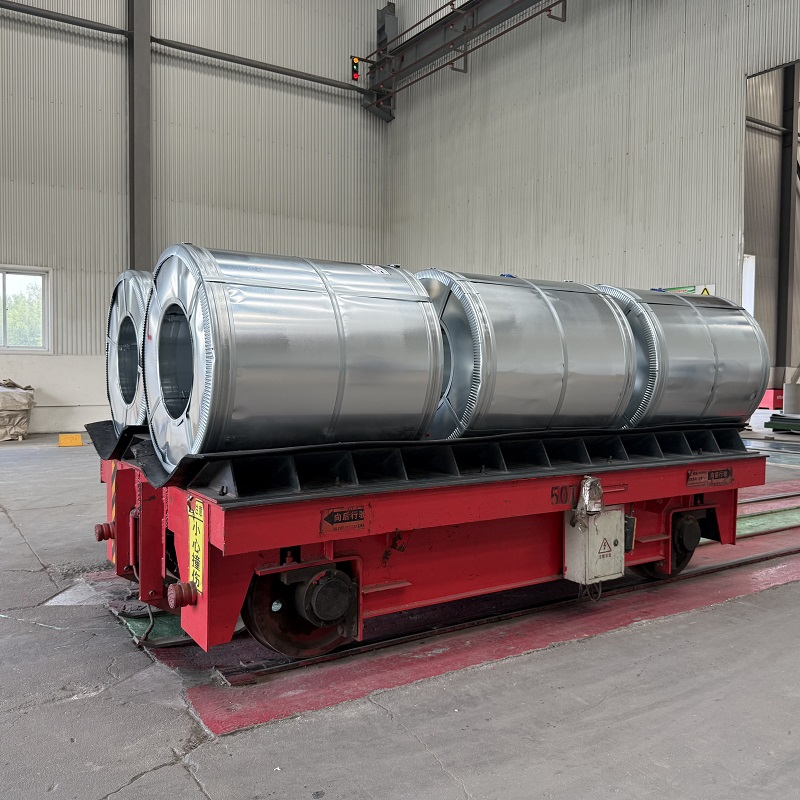
Learn how to test the bending performance of formable galvalume steel coil samples using T-bend testing to prevent cracking and scrap.
2026/09/10
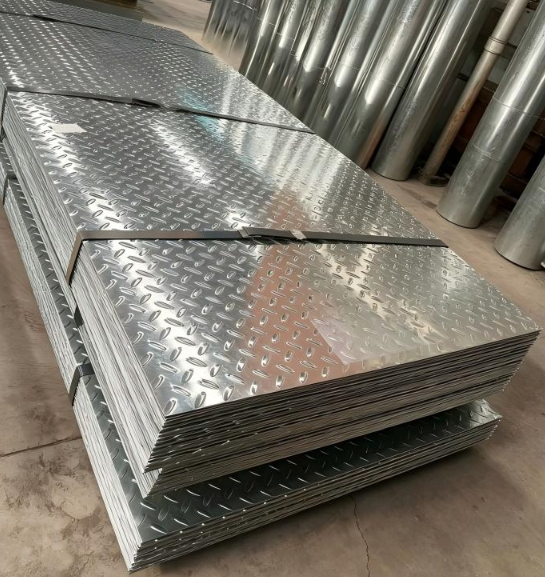
Discover how multi specification galvalume steel coil simplifies purchasing, boosts productivity, and lowers costs for metal fabricators.
2026/09/10
Discover why hot dipped galvanized steel and hot dip galvanized checkered plate offer ideal corrosion resistance and strength for road guardrails.
Covering green transformation, product comparison, selection guide, and industry empowerment, helping you fully grasp the dynamics of the color steel industry.

Global climate action and Belt and Road cooperation are driving the color steel industry’s shift toward green, sustainable development.

Comparing PPGI and PPGL across performance, durability, and applications to help you select the optimal coated steel for your project.
A practical guide to selecting and applying color steel coils, ensuring optimal performance, durability, and cost-effectiveness for your projects.
Industry forum drives digital and green transformation, empowering steel sector development through innovation and collaboration.