EN
EN
How to customize length size of precision cut GI coil finished sheets
2026/09/11
Learn how to specify precision cut GI coil sheets in custom lengths — tolerance selection, coating integrity, and ordering tips.
2026/09/10
Coating peeling during high-temperature bending is one of the most frustrating quality nightmares in metal fabrication. Imagine running a high-speed roll-forming line, only to see paint flakes peeling away at every bend radius on a freshly coated prepainted galvanized steel coil. A single defect like this ruins entire production batches, drives up scrap rates, and eats directly into operational margins.
While many operators jump to blame the paint quality itself, the root issue is rarely a defective coating material. Instead, peeling stems from a complex breakdown between processing temperatures, mechanical shear forces, and surface preparation on the prepainted galvanized steel coil. Understanding how these factors interact is the key to running an efficient, zero-defect bending line.
When a prepainted galvanized steel coil is bent, the outer surface of the bend undergoes severe tensile and shear stress. If the coating cannot handle these forces, delamination occurs. This failure happens almost exclusively at two critical points: between the primer and the zinc layer, or between the primer and the topcoat.
The primary line of defense against coating peeling prevention is the chemical conversion coating applied to the raw zinc surface before painting. This microscopic passivation layer—whether chromate or chrome-free—creates anchor points that allow the primer to chemically and mechanically lock onto the steel substrate.
If this chemical pretreatment is too thin, unevenly distributed, or contaminated during production, the interfacial bond strength drops significantly. During steel coil bending, the shear stress created by the bending tools easily exceeds this weak bond, causing large flakes of paint to separate from the steel.
Temperature is the single most influential variable when performing tight-radius bending on any PPGI coil. At standard room temperature (around 20°C to 25°C), typical polyester coatings have limited elongation capacity. When bending a sheet to a radius smaller than twice its thickness, the outer paint layer can stretch well over 30%. At room temperature, this extreme strain causes micro-cracking and eventual delamination.
Preheating the steel coil bending line dramatically changes the physical properties of the paint resin. Warming the PPGI coil increases coating flexibility, allowing the paint film to stretch smoothly over tight radii without snapping its bond to the zinc substrate.
| Temperature | Coating Flexibility & Risk Profile | Recommended Minimum Bending Radius |
|---|---|---|
| 20°C (Room Temp) | Flexibility is low and the peeling risk is high | Over 3x sheet thickness |
| 40°C | Flexibility improves slightly, though medium risk remains | Over 2x sheet thickness |
| 60°C | Good coating flexibility with low peeling risk | Over 1.5x sheet thickness |
| 80°C | Excellent flexibility with minimal peeling risk | Down to 1x sheet thickness |
| 100°C+ | Paint film becomes excessively soft. High risk of tool pickup and paint push-off | Not recommended for tight bending |
While preheating to 60°C–80°C provides the ideal balance for coating peeling prevention, pushing past 90°C to 110°C crosses the glass transition temperature (Tg) of polyester resins. At these elevated levels, the paint softens into a semi-fluid state. Instead of cracking, the softened paint gets pushed off the zinc layer by the direct physical pressure of the roll-forming tools, creating a completely different form of surface damage. Maintaining a strict temperature window between 60°C and 80°C ensures optimal paint elongation without risking mechanical tool damage.
The zinc coating itself plays a massive role in whether a prepainted galvanized steel coil survives aggressive mechanical forming. During the hot-dip galvanizing process, zinc reacts with the underlying iron to form a hard, brittle zinc-iron alloy layer right at the interface.
If this alloy layer is allowed to grow too thick, it acts like glass during steel coil bending. It fractures under tension, sending micro-cracks upward through the chemical conversion layer and into the primer. Once these cracks breach the interface, the entire coating system shears off in strips.
For applications requiring tight-radius bends, choosing a zero-spangle or minimized-spangle PPGI coil with a carefully controlled, thin alloy layer is mandatory. Field studies with commercial roofing manufacturers demonstrate this impact clearly: replacing a substrate carrying a thick 3.5 µm alloy layer with a tightly controlled 1.5 µm alloy layer instantly reduced bending-related rejection rates from 15% down to less than 0.5%. Controlling the microscopic structure of the zinc layer is just as vital as managing line temperatures or chemical pretreatments.
Achieving consistent results across various climates and shop environments requires rigorous offline testing before full-scale manufacturing begins. The industry standard for evaluating prepainted galvanized steel coil flexibility is the T-bend test.
During a T-bend evaluation, a sample of the PPGI coil is folded back on itself 180 degrees.
After folding, pressure-sensitive tape is applied to the bend radius and ripped away quickly to check for paint pick-off or microscopic cracking.
Consistently passing a 1T or 2T T-bend test without paint loss proves that the conversion coating, primer flexibility, and zinc substrate structure are properly aligned for heavy-duty fabrication.
Eliminating coating peeling during high-temperature bending relies on a complete, systemic approach to material processing. Success requires strict control over every variable—from microscopic conversion coating application and zinc-iron alloy regulation to precise preheating schedules during final roll forming.
Global buyers and fabricators require access to high-grade steel coil bending raw materials backed by stringent manufacturing protocols. Modern production facilities utilize continuous, automated coating lines to maintain exact chemical pretreatment thicknesses and strictly regulated zinc alloy layers. Every batch of PPGI coil undergoes rigorous T-bend test validations prior to dispatch, ensuring that shipments meet demanding specifications across diverse regional climates.
Fabricators seeking dependable prepainted galvanized steel coil supplies can streamline production performance and prevent costly line downtime by partnering with established industry leaders like
2026/09/11
Learn how to specify precision cut GI coil sheets in custom lengths — tolerance selection, coating integrity, and ordering tips.
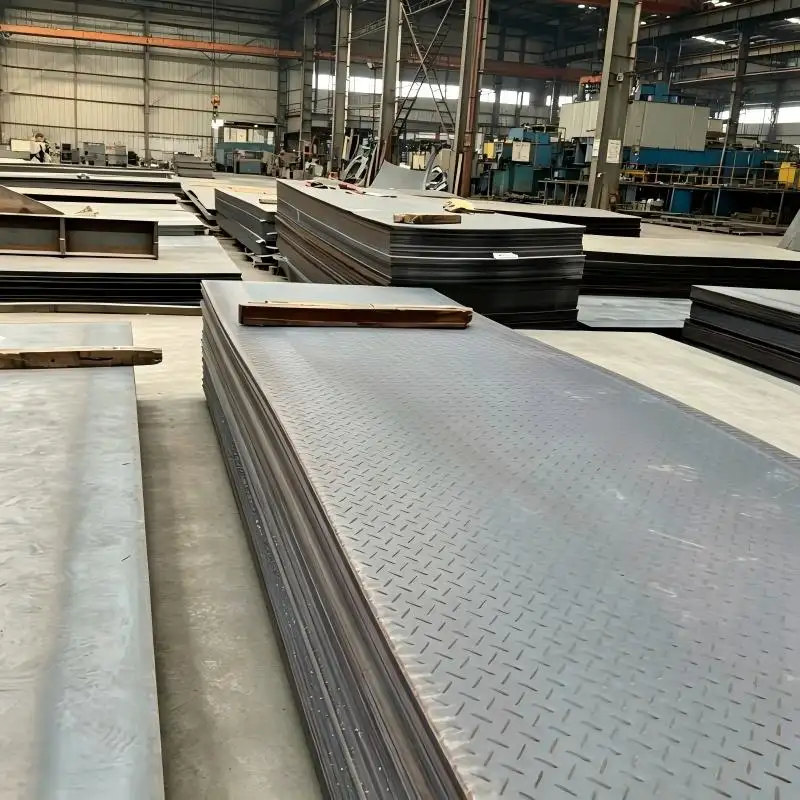
2026/09/11
Learn why premium finish galvalume steel coil delivers better paint adhesion and visual consistency in finished building products. Request specs today.
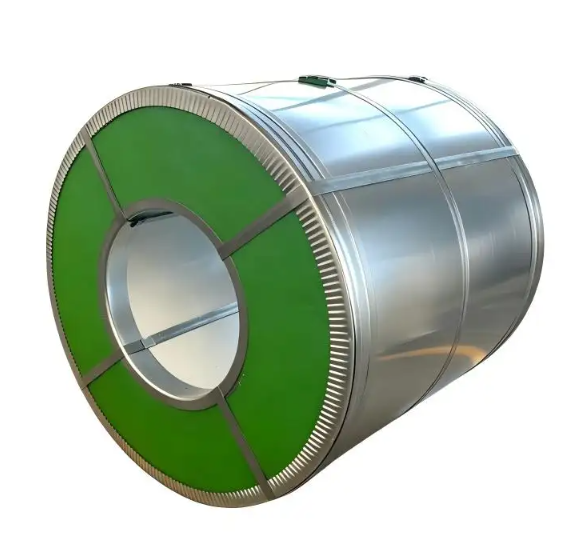
2026/09/10
Learn why heavy coating galvalume steel coil provides superior corrosion resistance in harsh coastal settings and saves long-term maintenance costs.
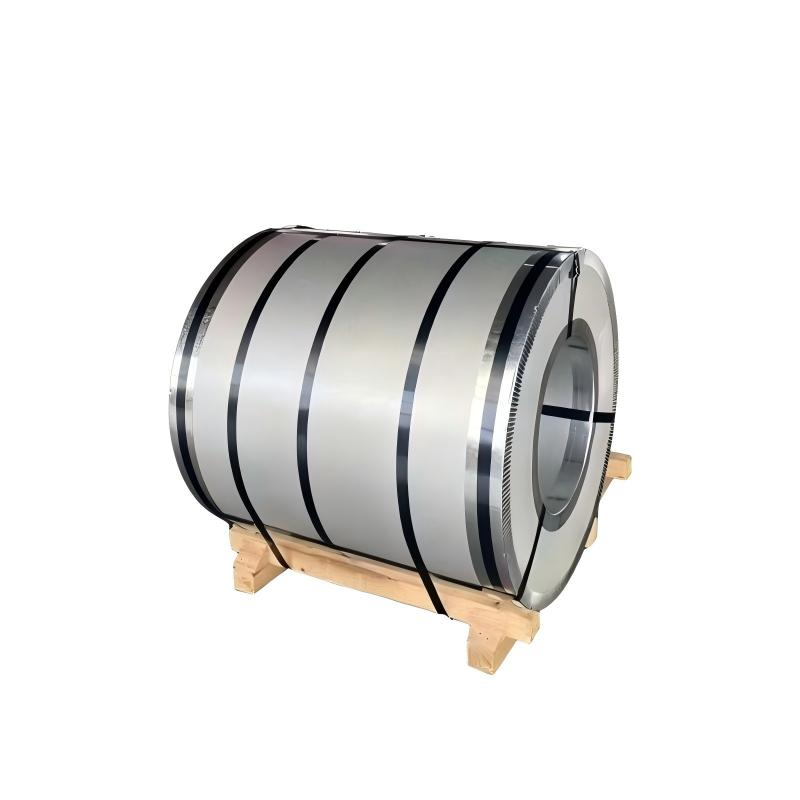
2026/09/10
Learn how to test the bending performance of formable galvalume steel coil samples using T-bend testing to prevent cracking and scrap.
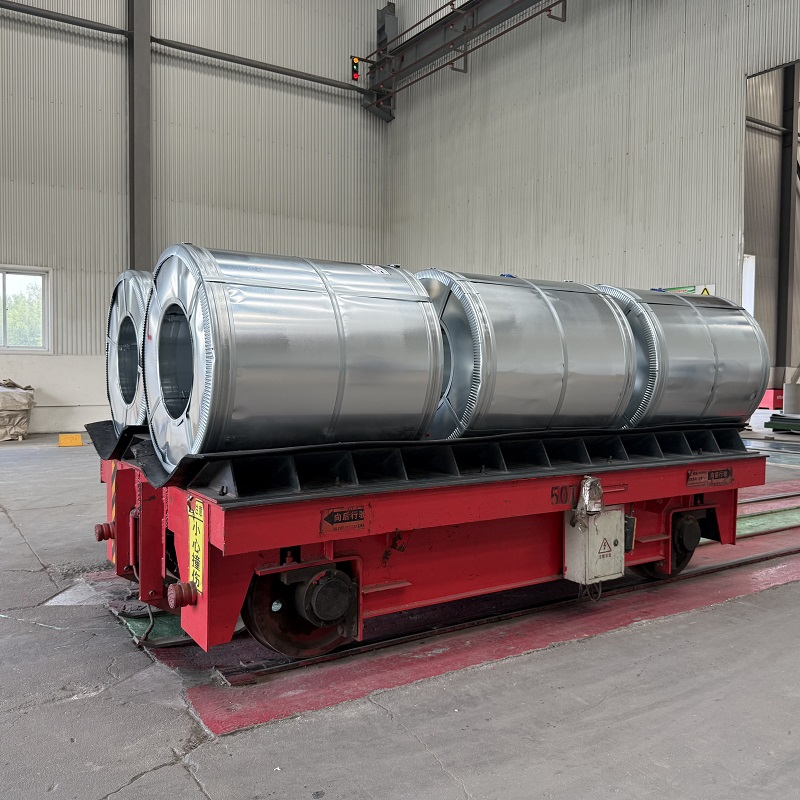
2026/09/10
Discover how multi specification galvalume steel coil simplifies purchasing, boosts productivity, and lowers costs for metal fabricators.
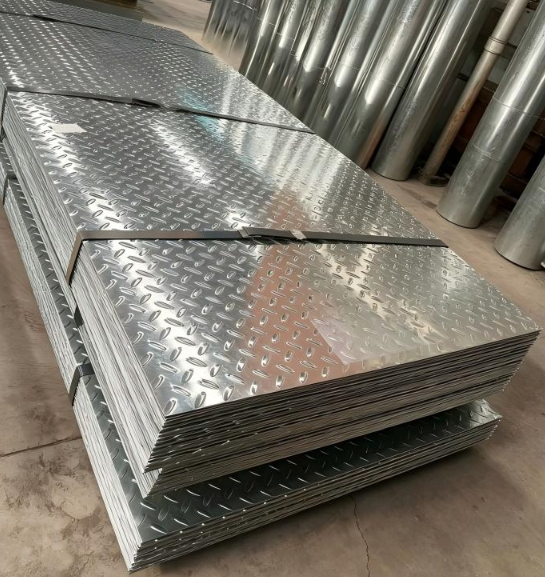
2026/09/10
Discover why hot dipped galvanized steel and hot dip galvanized checkered plate offer ideal corrosion resistance and strength for road guardrails.
Covering green transformation, product comparison, selection guide, and industry empowerment, helping you fully grasp the dynamics of the color steel industry.
Global climate action and Belt and Road cooperation are driving the color steel industry’s shift toward green, sustainable development.
Comparing PPGI and PPGL across performance, durability, and applications to help you select the optimal coated steel for your project.
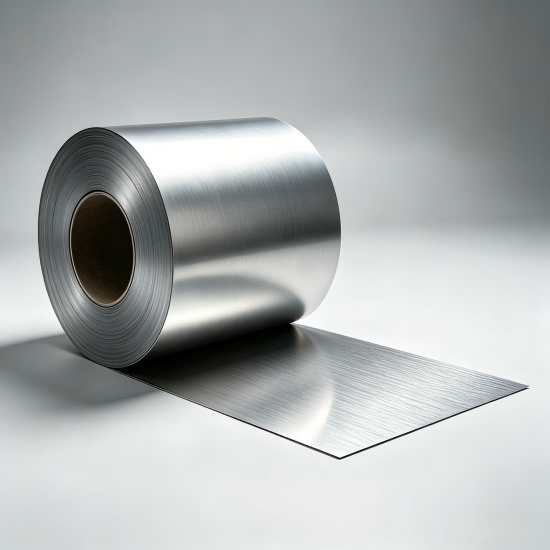
A practical guide to selecting and applying color steel coils, ensuring optimal performance, durability, and cost-effectiveness for your projects.
Industry forum drives digital and green transformation, empowering steel sector development through innovation and collaboration.