EN
EN

How to customize length size of precision cut GI coil finished sheets
2026/09/11
Learn how to specify precision cut GI coil sheets in custom lengths — tolerance selection, coating integrity, and ordering tips.
2026/07/26
Understanding the PPGI Steel Coil Coating Process
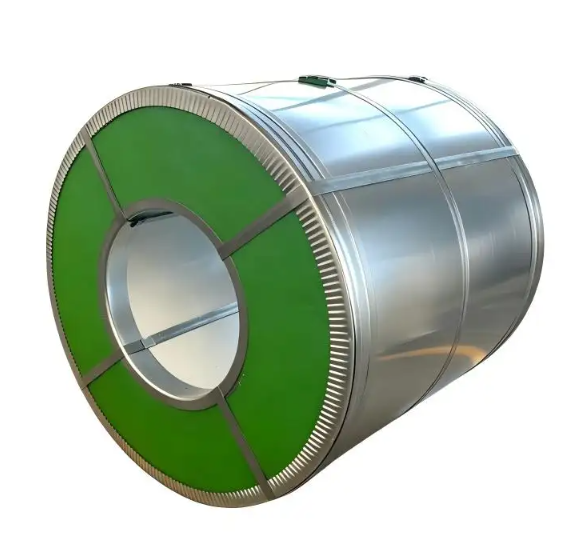
The PPGI steel coil coating process is a continuous, multi-stage manufacturing operation that applies organic paint systems to galvanized steel strip in a controlled factory environment. PPGI steel coil coating involves several critical stages including surface cleaning, chemical pre-treatment, primer application, topcoat painting, and thermal curing. Each stage directly influences the anti-corrosion performance of the finished product. Polyester PPGI steel coil coating, the most commonly specified coating type for general-purpose applications, relies on precise process control to achieve optimal adhesion, film thickness uniformity, and corrosion resistance. Understanding the interrelationship between process parameters and performance outcomes is essential for manufacturers seeking to optimize their PPGI steel coil coating operations and for buyers who need to evaluate supplier coating quality capabilities.
Surface Preparation and Pre-Treatment Optimization
The foundation of anti-corrosion performance in PPGI steel coil coating lies in surface preparation. The galvanized steel substrate must be thoroughly cleaned to remove rolling oils, storage contaminants, and surface oxides before any coating is applied. Alkaline cleaning followed by rinse and brush scrubbing removes organic contaminants, while acid pickling may be employed for stubborn oxide layers. The chemical pre-treatment stage, typically using chromate or chrome-free conversion coating, creates a uniform chemical surface that promotes coating adhesion and provides a secondary corrosion barrier. Polyester PPGI steel coil coating performance depends heavily on the quality of this pre-treatment layer. Process optimization requires maintaining consistent pre-treatment bath concentration, temperature, and contact time, as deviations can result in uneven conversion coating thickness and compromised adhesion.
Primer Application and Film Thickness Control
The primer layer in PPGI steel coil coating serves as the primary moisture barrier and adhesion promoter between the galvanized substrate and the topcoat. Epoxy-based primers are commonly used for their excellent barrier properties and corrosion resistance. The primer film thickness must be carefully controlled, typically between 5 and 8 microns, to provide adequate protection without creating excessive coating thickness that could cause flexibility problems during forming. PPGI steel coil coating lines use precision roll coaters to apply primer at controlled thicknesses, with online thickness measurement systems providing real-time feedback for process adjustment. Polyester PPGI steel coil coating systems that incorporate a properly formulated and applied primer layer demonstrate significantly better salt spray resistance than systems with inadequate primer coverage.
Topcoat Formulation and Curing Parameters
The topcoat in PPGI steel coil coating provides the primary UV protection, color stability, and surface appearance of the finished product. Polyester PPGI steel coil coating is formulated with polyester resins, pigments, extenders, and additives that determine its weatherability, hardness, and flexibility. The curing process is critical: the coated strip passes through a curing oven at temperatures typically between 220 and 280 degrees Celsius, where the coating undergoes cross-linking to achieve its final mechanical and chemical properties. Insufficient cure temperature or time results in under-cured coating with poor hardness, solvent sensitivity, and reduced corrosion resistance. Over-curing can cause coating embrittlement and color shift. Optimizing the curing profile requires balancing line speed, strip thickness, oven temperature zones, and coating formulation to achieve complete cross-linking while maintaining production efficiency.
Multi-Layer System Design for Enhanced Protection
Advanced PPGI steel coil coating systems incorporate multiple layers to maximize anti-corrosion performance. A typical high-performance system includes a chrome-free conversion coating, an epoxy primer of 5 to 8 microns, and a polyester topcoat of 15 to 20 microns, providing a total dry film thickness of 25 to 30 microns. For applications requiring enhanced durability, a backer coat of 5 to 10 microns is applied to the reverse side to prevent corrosion from the underside. Polyester PPGI steel coil coating can be further enhanced by using modified polyester resins with improved UV resistance or by adding a clear protective overcoat. The multi-layer approach ensures that even if the topcoat is scratched or damaged during service, the primer and conversion coating layers continue to provide corrosion protection for the underlying galvanized steel.
Process Monitoring and Quality Control Systems
Optimizing PPGI steel coil coating for anti-corrosion performance requires comprehensive process monitoring and quality control throughout the production line. Key parameters that must be continuously monitored include strip surface cleanliness before pre-treatment, conversion coating weight, primer and topcoat wet film thickness, oven temperature profile, line speed, and final coating adhesion. Regular quality testing should include cross-cut adhesion testing, T-bend flexibility testing, salt spray resistance testing, and accelerated weathering evaluation. Polyester PPGI steel coil coating production lines that implement statistical process control systems can identify and correct process deviations before they result in out-of-specification product. Manufacturers maintaining three-tier quality control systems, such as Shenyang Yuanhe's approach to production oversight, can provide buyers with consistent coating quality and comprehensive test documentation for each production batch.
Case Study: Coating Process Improvement for Enhanced Salt Spray Performance
A PPGI steel coil manufacturer sought to improve the salt spray resistance of its standard polyester PPGI steel coil coating from 500 hours to 800 hours to meet a customer specification for a coastal construction project. The optimization process involved several changes: increasing the primer thickness from 5 to 7 microns using a higher-solids epoxy formulation, upgrading the chrome-free pre-treatment to a more advanced conversion coating with higher corrosion inhibition, adjusting the topcoat formulation with enhanced pigment loading for better barrier performance, and fine-tuning the curing oven profile to ensure complete cross-linking at the new coating thickness. After implementing these changes, salt spray testing confirmed performance improvement to 850 hours, exceeding the target specification. The process changes also improved cross-cut adhesion from 3B to 4B and T-bend performance from 3T to 2T, demonstrating that systematic coating process optimization can deliver multiple performance improvements simultaneously. This case illustrates how PPGI steel coil coating process optimization directly translates to measurable anti-corrosion performance gains.
Frequently Asked Questions
What is the difference between polyester and PVDF PPGI steel coil coating?
Polyester PPGI steel coil coating offers good general-purpose performance at competitive cost, while PVDF coatings provide superior UV resistance and long-term color stability for demanding architectural applications. PVDF is typically specified for projects with design lives exceeding 15 years.
How does curing temperature affect PPGI steel coil coating performance?
Curing temperature directly affects coating cross-linking. Insufficient cure results in poor hardness and reduced corrosion resistance, while over-curing causes embrittlement and color shift. Optimal curing for polyester PPGI steel coil coating typically occurs at 220 to 280 degrees Celsius.
What total coating thickness is recommended for PPGI steel coil in corrosive environments?
For corrosive environments, PPGI steel coil coating should have a total dry film thickness of at least 25 microns, including primer and topcoat. Additional protection may be provided by a backer coat on the reverse side for applications where both surfaces are exposed to moisture.
2026/09/11
Learn how to specify precision cut GI coil sheets in custom lengths — tolerance selection, coating integrity, and ordering tips.
2026/09/11
Learn why premium finish galvalume steel coil delivers better paint adhesion and visual consistency in finished building products. Request specs today.
2026/09/10
Learn why heavy coating galvalume steel coil provides superior corrosion resistance in harsh coastal settings and saves long-term maintenance costs.
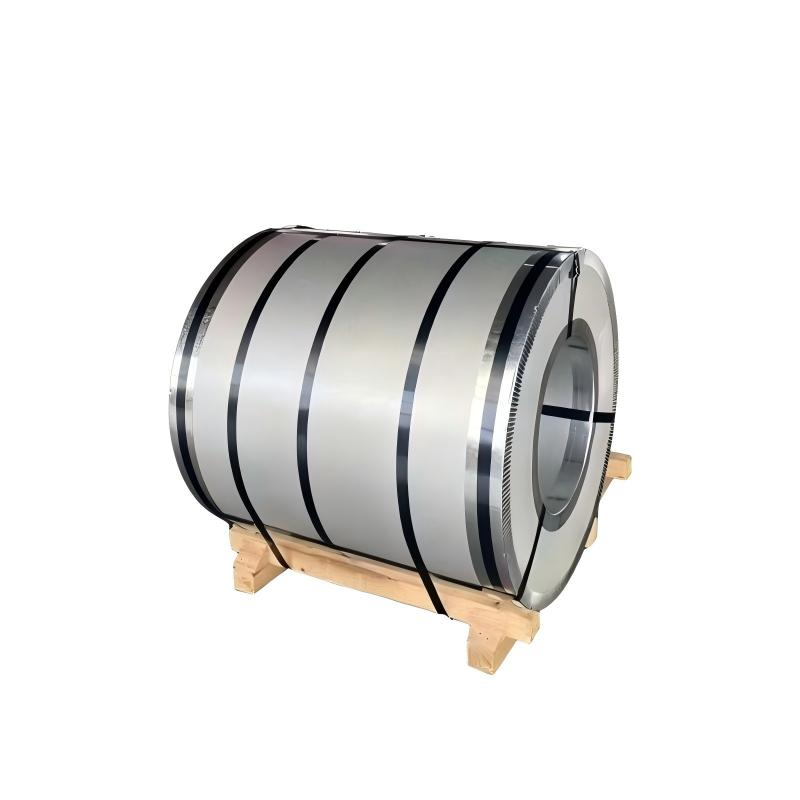
2026/09/10
Learn how to test the bending performance of formable galvalume steel coil samples using T-bend testing to prevent cracking and scrap.
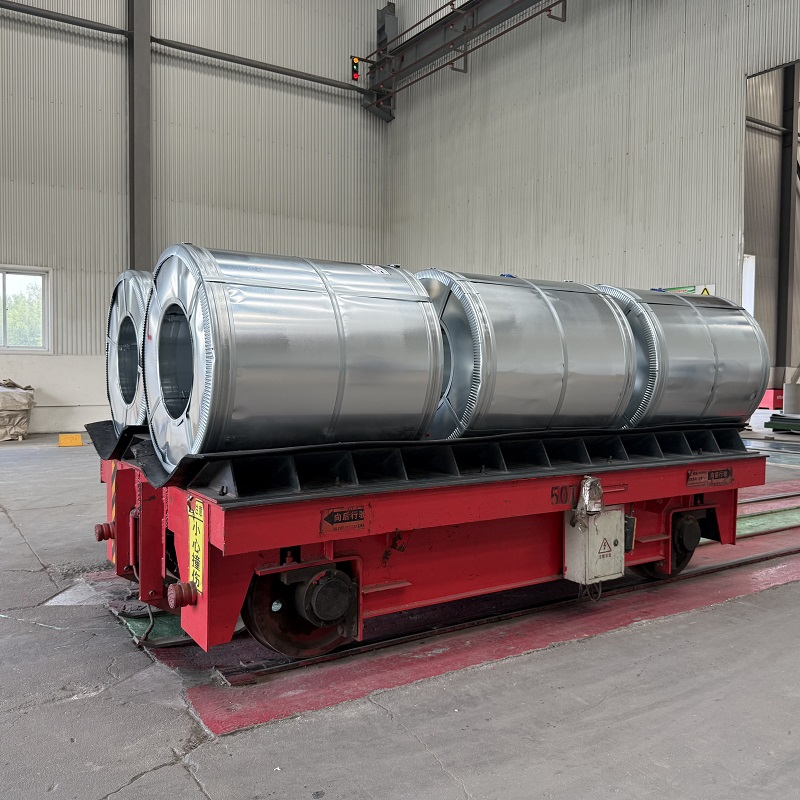
2026/09/10
Discover how multi specification galvalume steel coil simplifies purchasing, boosts productivity, and lowers costs for metal fabricators.
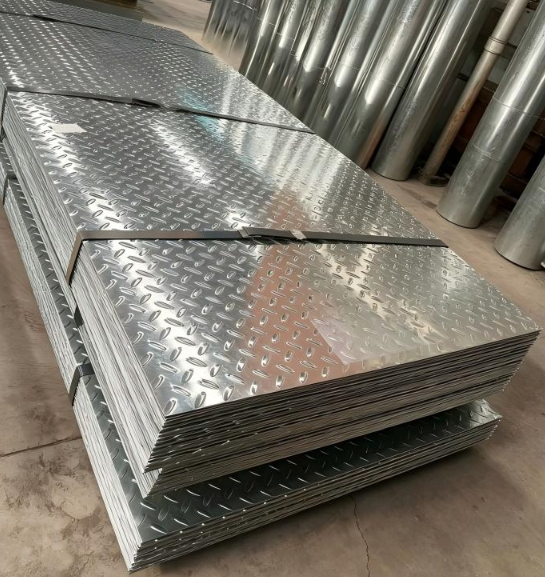
2026/09/10
Discover why hot dipped galvanized steel and hot dip galvanized checkered plate offer ideal corrosion resistance and strength for road guardrails.
Covering green transformation, product comparison, selection guide, and industry empowerment, helping you fully grasp the dynamics of the color steel industry.

Global climate action and Belt and Road cooperation are driving the color steel industry’s shift toward green, sustainable development.

Comparing PPGI and PPGL across performance, durability, and applications to help you select the optimal coated steel for your project.
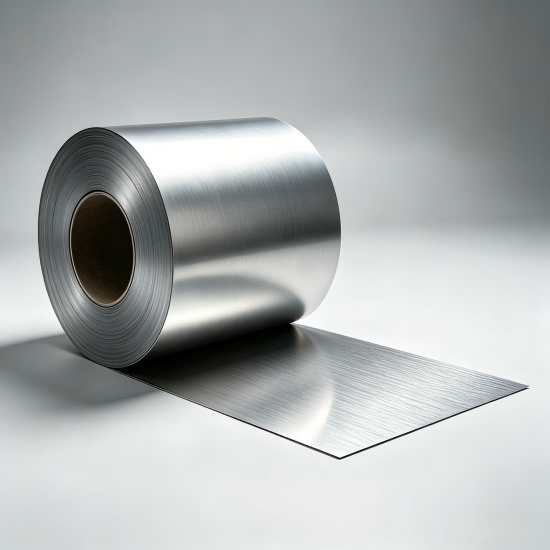
A practical guide to selecting and applying color steel coils, ensuring optimal performance, durability, and cost-effectiveness for your projects.
Industry forum drives digital and green transformation, empowering steel sector development through innovation and collaboration.