EN
EN

How to customize length size of precision cut GI coil finished sheets
2026/09/11
Learn how to specify precision cut GI coil sheets in custom lengths — tolerance selection, coating integrity, and ordering tips.
2026/09/08
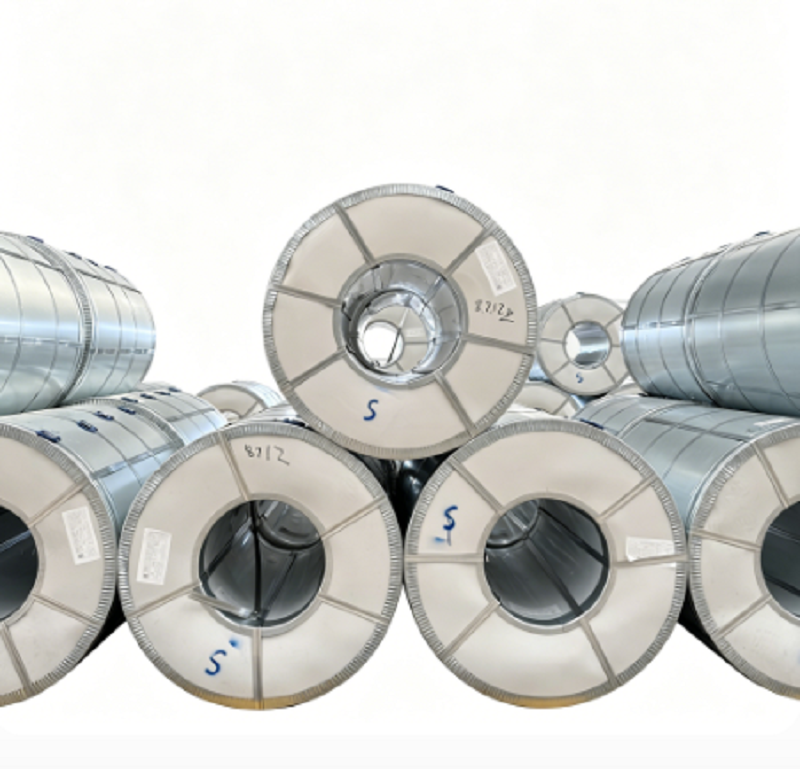
Modern building envelopes function as composite systems where metal facings and core insulation must work in total harmony. When designing structural sandwich panels, selecting an outer skin requires looking beyond superficial aesthetics. The technical interaction between galvanized steel coil panels and various core substrates directly determines overall thermal performance, structural integrity, long-term moisture management, and fire safety.
Achieving peak panel efficiency depends on matching the mechanical traits of metal facings with the physical behavior of the chosen core. Unpacking how different insulation cores react with metal skins helps specifiers select the right combination for any industrial building project.
Engineers evaluating structural metal skins for composite panel manufacturing focus on several physical traits that dictate real-world performance:
Coating Mass and Protection: Heavy zinc coatings (Z275 and above) shield metal skins against moisture trap corrosion along panel joints and interior vapor condensation zones.
Surface Profile and Adhesion: Smooth surfaces suit liquid-injected foam cores, whereas embossed or textured profiles increase surface contact area for solvent-free adhesives.
Backer Paint Compatibility: The reverse side coating must bond cleanly with adhesives or expanding foam cores without off-gassing, blistering, or delaminating under heat exposure.
Thermal Conductivity Control: Steel conducts heat rapidly, making precise continuous core bonding and tight tongue-and-groove joint detailing critical to prevent thermal bridging.
A reliable gl steel coil supplier provides comprehensive technical data sheets covering backing paint chemistry, surface tension values, and mechanical tolerances to ensure flawless bonding across automated continuous panel manufacturing lines.
PIR foam serves as a preferred core material for high-performance architectural sandwich panels and cold storage construction. Offering low thermal conductivity (typically 0.022 to 0.028 W/mK), PIR delivers maximum thermal resistance at minimal panel thickness.
During continuous panel manufacturing, liquid PIR chemicals are injected directly between upper and lower metal skins. The expanding foam adheres naturally to clean, degreased metal backings without requiring extra adhesive films. PIR is chemically inert, meaning it will not react negatively with zinc layers or release corrosive byproducts.
Under European reaction-to-fire standard EN 13501, PIR panels faced with galvanized steel coil achieve B-s1,d0 ratings or better, demonstrating low flame spread and minimal smoke emission. This combination makes PIR ideal for food processing plants, pharmaceutical logistics centers, and commercial roofs.
EPS represents a practical, budget-friendly option for standard industrial walling and temporary site structures. While offering reliable thermal performance (0.030 to 0.040 W/mK), EPS requires specific manufacturing steps when paired with metal skins.
Unlike liquid-injected foams, pre-expanded EPS rigid blocks must be glued to metal facings using specialized solvent-free polyurethane adhesives. Using solvent-based glues can dissolve the polystyrene structure and cause panel failure. Additionally, because EPS allows vapor migration, incorporating vapor barrier layers and tight joint sealants prevents moisture accumulation inside the core.
Standard EPS carries a Class E fire rating, requiring flame-retardant additives to meet basic commercial building codes. Operating within a maximum service temperature limit around 75°C, EPS panels paired with gl steel coil facings suit cost-sensitive industrial warehouses and agricultural storage facilities where extreme fire resistance is not mandated.
When fire safety and acoustic dampening take priority, rock wool stands as the industry benchmark. Made from natural basalt rock, rock wool fibers are inherently non-combustible (Class A1), enabling composite assemblies to achieve up to four hours of certified fire resistance.
Rock wool panels require structural mechanical support during production. High-density mineral fiber slabs (typically 40 to 200 kg/m³) are sliced into lamellas, rotated 90 degrees to orient fibers perpendicularly to the skin, and glued to metal facings using heavy-duty structural adhesives.
Combining non-combustible rock wool with strong metal facings yields superior sandwich panel materials capable of stopping flame spread, absorbing ambient sound, and maintaining structural integrity during structural fires. This setup suits high-risk industrial facilities, power plants, and high-occupancy commercial buildings.
Polyurethane (PUR) foam shares many physical traits with PIR, providing high thermal efficiency and continuous adhesive bonding to metal skins without separate glues.
However, PUR features lower chemical cross-linking density than PIR, resulting in lower fire resistance (typically Class C or D under EN 13501). While PUR functions well in basic agricultural structures and light commercial buildings, PIR has largely superseded PUR in modern spec-driven projects requiring stringent insurance approvals and fire safety compliance.
Evaluating core options alongside metal facings helps balance thermal, fire, and structural priorities:
| Core Type | Thermal Conductivity (W/mK) | EN 13501 Fire Class | Adhesion Method to Steel | Ideal Project Applications |
| PIR | 0.022 – 0.028 | B-s1,d0 | Direct chemical bond | Cold storage, premium commercial |
| EPS | 0.030 – 0.040 | Class E (FR: Class D) | Solvent-free adhesive | Budget industrial, partition walls |
| Rock Wool | 0.035 – 0.045 | Class A1 | Structural adhesive | Fire-rated assemblies, acoustics |
| PUR | 0.023 – 0.030 | Class C – D | Direct chemical bond | Standard commercial enclosures |
Choosing appropriate building insulation cores alongside compatible metal facings creates balanced panels that perform reliably throughout their design life.
Achieving long-term envelope durability requires aligning core material traits with precise metal facing specifications. Small oversights in backer paint selection, coil tension control, or adhesive chemistry can lead to surface delamination and costly field failures.
Working alongside an experienced steel supply partner simplifies material selection, ensures consistent coil tolerances, and streamlines production schedules. Sourcing through established supply networks enables panel manufacturers to secure high-performance coated metals tailored to exact core requirements. Supply solutions delivered by Shenyang Yuanhe Steel fulfill this role, providing customized coil dimensions, rigorous quality assurance, and reliable logistics support for architectural, agricultural, and industrial building projects worldwide.
2026/09/11
Learn how to specify precision cut GI coil sheets in custom lengths — tolerance selection, coating integrity, and ordering tips.
2026/09/11
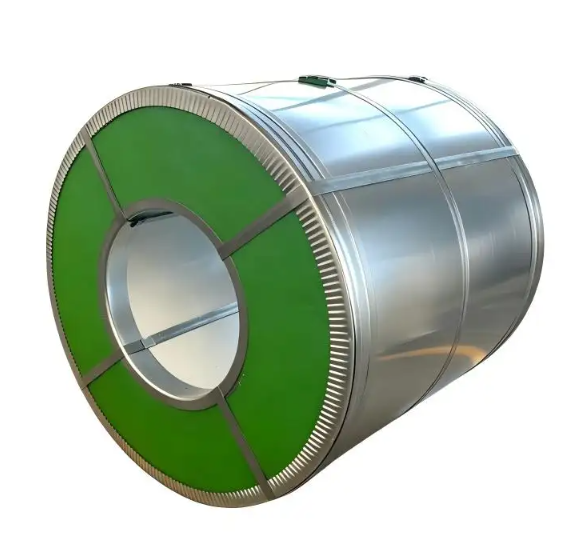
Learn why premium finish galvalume steel coil delivers better paint adhesion and visual consistency in finished building products. Request specs today.
2026/09/10
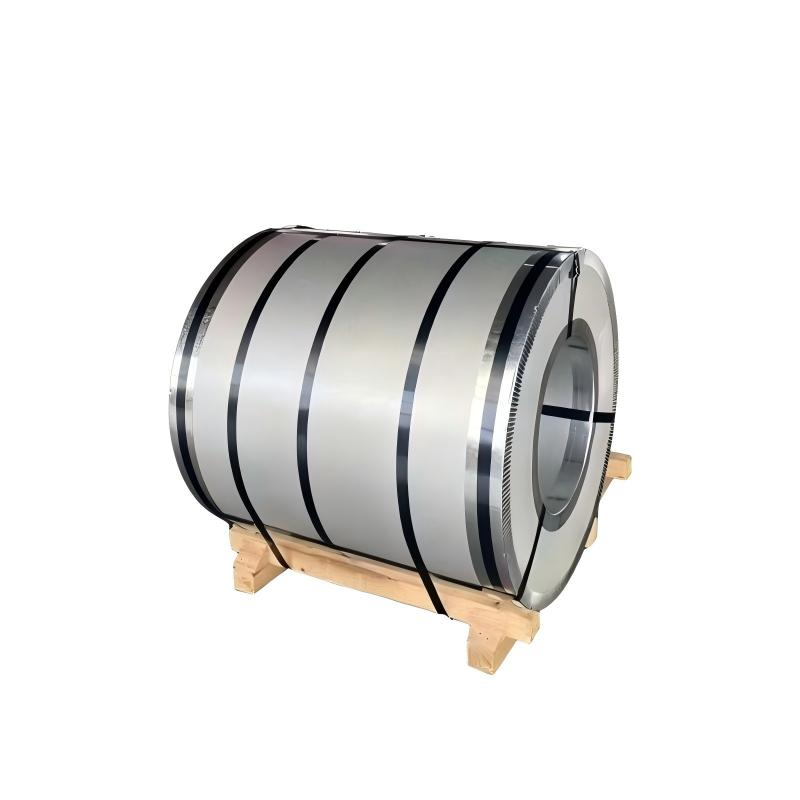
Learn why heavy coating galvalume steel coil provides superior corrosion resistance in harsh coastal settings and saves long-term maintenance costs.
2026/09/10
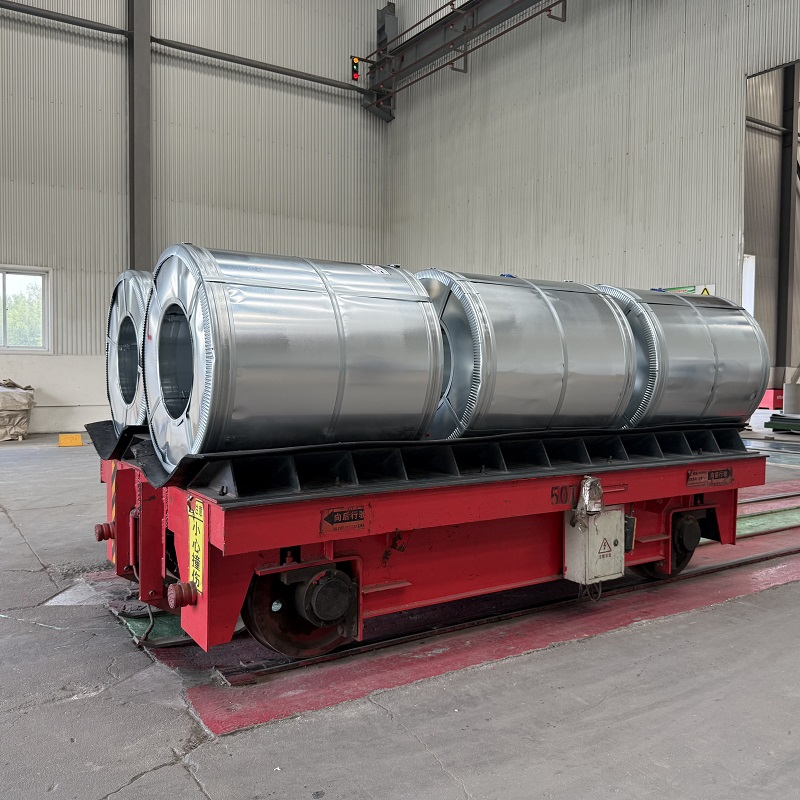
Learn how to test the bending performance of formable galvalume steel coil samples using T-bend testing to prevent cracking and scrap.
2026/09/10
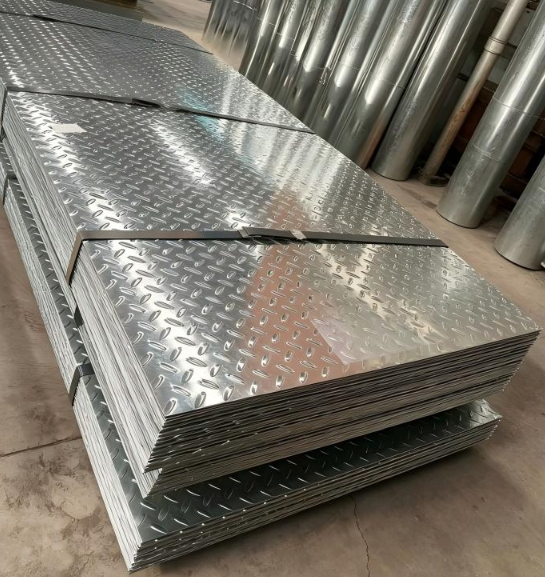
Discover how multi specification galvalume steel coil simplifies purchasing, boosts productivity, and lowers costs for metal fabricators.
2026/09/10
Discover why hot dipped galvanized steel and hot dip galvanized checkered plate offer ideal corrosion resistance and strength for road guardrails.
Covering green transformation, product comparison, selection guide, and industry empowerment, helping you fully grasp the dynamics of the color steel industry.

Global climate action and Belt and Road cooperation are driving the color steel industry’s shift toward green, sustainable development.

Comparing PPGI and PPGL across performance, durability, and applications to help you select the optimal coated steel for your project.
A practical guide to selecting and applying color steel coils, ensuring optimal performance, durability, and cost-effectiveness for your projects.
Industry forum drives digital and green transformation, empowering steel sector development through innovation and collaboration.