EN
EN

How to customize length size of precision cut GI coil finished sheets
2026/09/11
Learn how to specify precision cut GI coil sheets in custom lengths — tolerance selection, coating integrity, and ordering tips.
2026/07/17
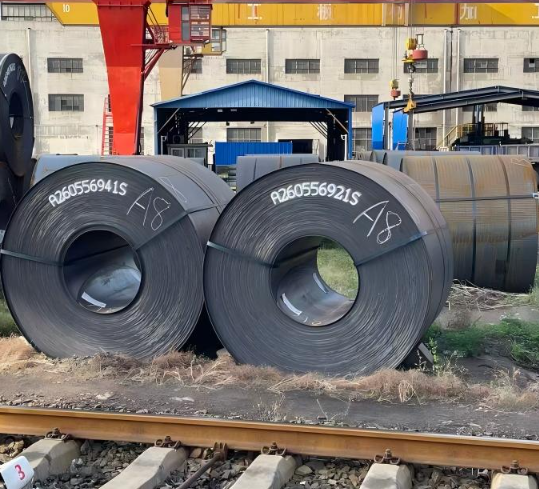
Galvalume steel coil, also known as Aluzinc or GL coil, is a coated steel product with a 55 percent aluminum, 43.4 percent zinc, and 1.6 percent silicon alloy layer applied through a continuous hot-dip process. This unique coating composition gives formable galvalume steel coil distinct processing characteristics that differ from both bare steel and standard galvanized coil. The aluminum component creates a dense oxide barrier that provides excellent atmospheric resistance, while the zinc phase offers sacrificial protection at cut edges. The silicon addition improves coating adhesion during high-speed forming, which is critical when matching the material with metal processing machines. Understanding these metallurgical properties is essential for selecting the right machine parameters, because the 55 percent Al-Zn coating behaves differently from pure zinc coating during bending, stamping, and roll forming operations. Galvalume steel coil with DX51D+AZ grade and regular spangle surface, manufactured to ASTM A792 or JIS G3321 standards, offers excellent formability when machine settings are properly configured.
Roll forming is the most common processing method for galvalume steel coil, particularly in the production of corrugated roofing sheets, wall cladding panels, and structural sections. When matching galvalume steel coil with a roll forming line, several factors must be considered. The coil inner diameter must match the uncoiler specifications, with standard IDs of 508mm or 610mm being most common. Material thickness range of 0.09 to 3.0mm covers the majority of roll forming applications, but the machine must be rated for the specific gauge being processed. Roll forming speed for formable galvalume steel coil typically ranges from 15 to 45 meters per minute, depending on profile complexity and material thickness. The 55 percent Al-Zn coating has excellent adhesion due to the silicon addition, which means the coating will not flake or peel during roll forming even at tight bend radii. However, the forming rolls should be clean and free of debris, as the aluminum-rich surface can be more sensitive to roll marks than pure zinc surfaces. Lubrication requirements are generally lower than for bare steel, but a light forming lubricant can extend roll life and improve surface finish.
Stamping and press brake operations require careful consideration of the galvalume coating properties to avoid coating damage and tool wear. The formable galvalume steel coil substrate, typically DX51D+AZ grade, offers good ductility with elongation values above 22 percent for deep drawing grades. When stamping galvalume steel coil, the die clearance should be set approximately 5 to 10 percent greater than for bare steel of the same thickness, to accommodate the coating layer and prevent galling. Punch and die materials should be selected for wear resistance, as the aluminum component in the coating is more abrasive than pure zinc and can accelerate tool wear over high-volume production runs. For press brake operations, the minimum inner bend radius should be at least 1.5 times the material thickness for coatings up to AZ150, and 2 times the thickness for heavier coatings. The skin-pass treatment that many quality suppliers apply improves surface uniformity and reduces the risk of stretcher strains during stamping, making the material more predictable in automated stamping lines.
Slitting and cut-to-length operations are essential processing steps that convert full-width galvalume steel coil into narrower coils or flat sheets for specific applications. When matching galvalume steel coil with slitting lines, the shear blade clearance must be precisely set based on material thickness and tensile strength. For galvalume steel coil with thicknesses from 0.09 to 3.0mm, blade clearance typically ranges from 5 to 12 percent of material thickness. The 55 percent Al-Zn coating is harder than pure zinc, which means slitting blades may dull faster and require more frequent sharpening. Tolerance of 1 percent on width and thickness, as maintained by established manufacturers, ensures consistent slit edge quality. For cut-to-length lines, the flattener rolls must be adjusted to remove coil set without introducing new flatness defects. The regular spangle surface of galvalume steel coil is generally compatible with rotary shear and flying shear cut-to-length systems, but the anti-fingerprint treatment that some suppliers offer can improve handling and reduce surface marking during sheet stacking.
Welding galvalume steel coil requires specific parameter adjustments compared to bare steel, because the 55 percent aluminum content affects arc stability and weld pool behavior. For resistance spot welding, the welding current should be increased by 10 to 20 percent compared to bare steel of the same thickness, and electrode tip maintenance is more critical due to aluminum buildup on the copper electrodes. For gas metal arc welding, the coating must be removed from the weld zone to prevent porosity and inclusions, typically through mechanical grinding or chemical cleaning. The formable galvalume steel coil substrate is generally compatible with standard welding consumables matching the base steel grade, but the heat-affected zone will experience local coating loss, which should be addressed with zinc-rich paint or cold galvanizing compound for corrosion protection. Manufacturers offering processing services including welding, punching, cutting, and bending can provide guidance on optimal welding parameters for specific galvalume steel coil grades and thicknesses.
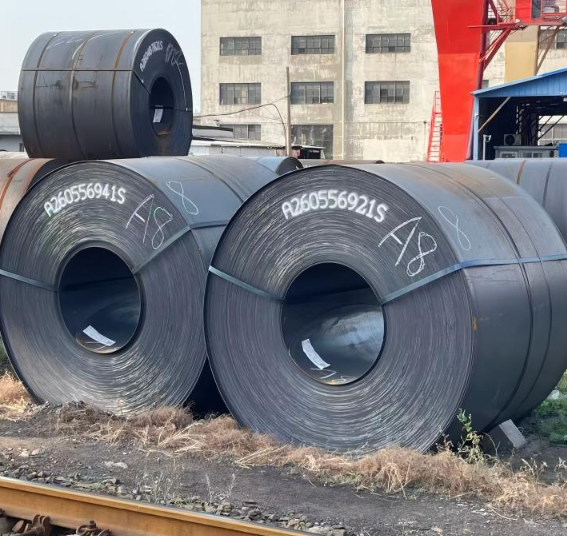
A roofing sheet manufacturer in Central Asia recently invested in a new production line to process galvalume steel coil into corrugated roofing panels. The production line included a 15-ton double-head uncoiler, a 20-station roll forming mill, a hydraulic flying shear, and an automatic stacking system. The manufacturer selected galvalume steel coil with 0.4mm thickness, AZ150 coating, and DX51D+AZ grade from a supplier offering comprehensive processing services. By working directly with the supplier to match coil specifications with machine capabilities, the manufacturer achieved a stable production speed of 30 meters per minute with zero coating peeling defects over a production run of 50,000 linear meters. The supplier's ability to provide skin-pass treated material with consistent flatness tolerance was critical to achieving this result, as uneven coil set would have caused feeding problems in the roll forming mill. This case demonstrates that successful matching of galvalume steel coil with metal processing machines requires not only correct machine setup but also careful material specification and supplier collaboration.
What is the recommended bend radius for formable galvalume steel coil during processing?
The minimum bend radius for galvalume steel coil should be at least 1.5 times the material thickness for AZ150 coating and lighter gauges. For heavier coatings or high-strength grades, a bend radius of 2 times the thickness or greater is recommended to prevent coating cracking at the bend line.
Can galvalume steel coil be processed on the same roll forming line as galvanized coil?
Yes, galvalume steel coil can generally be processed on the same roll forming equipment as galvanized coil, because the forming characteristics are similar. However, the aluminum-rich surface is harder and more abrasive, so forming rolls may wear faster and should be inspected more frequently when switching between materials.
How does coil inner diameter affect machine compatibility?
The coil inner diameter must match the uncoiler expansion mandrel on the processing machine. Standard IDs of 508mm and 610mm are most common for galvalume steel coil. If the coil ID does not match the uncoiler, adapter sleeves can be used, but this may reduce uncoiling stability and production speed.
2026/09/11
Learn how to specify precision cut GI coil sheets in custom lengths — tolerance selection, coating integrity, and ordering tips.
2026/09/11
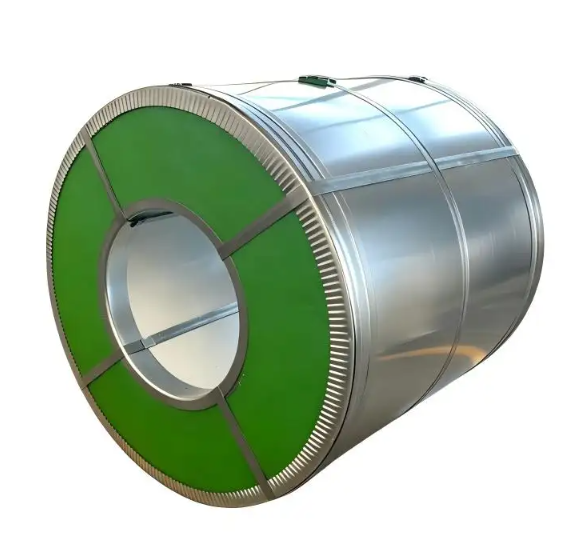
Learn why premium finish galvalume steel coil delivers better paint adhesion and visual consistency in finished building products. Request specs today.
2026/09/10
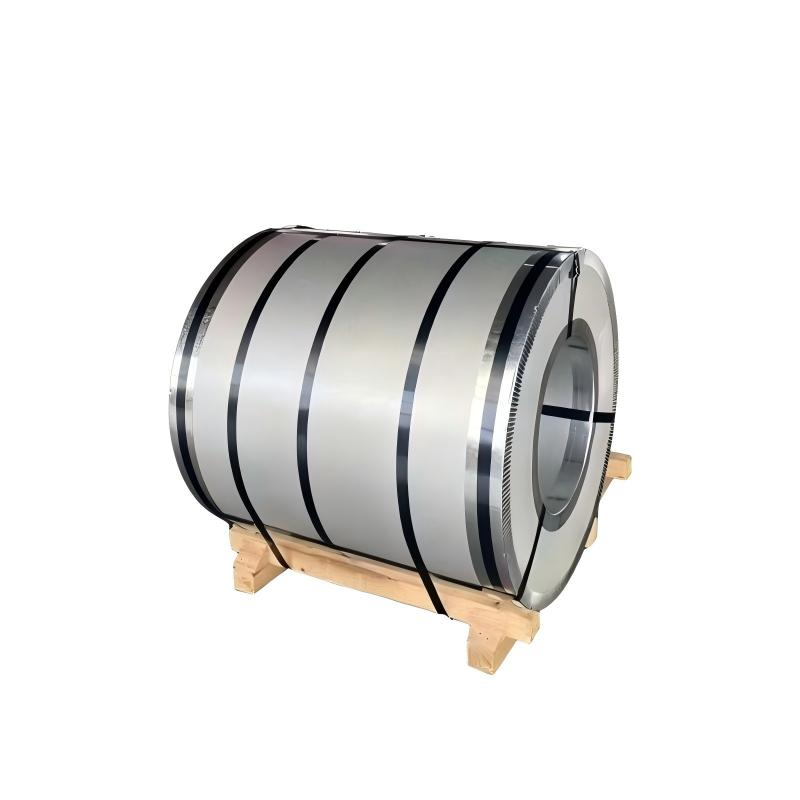
Learn why heavy coating galvalume steel coil provides superior corrosion resistance in harsh coastal settings and saves long-term maintenance costs.
2026/09/10
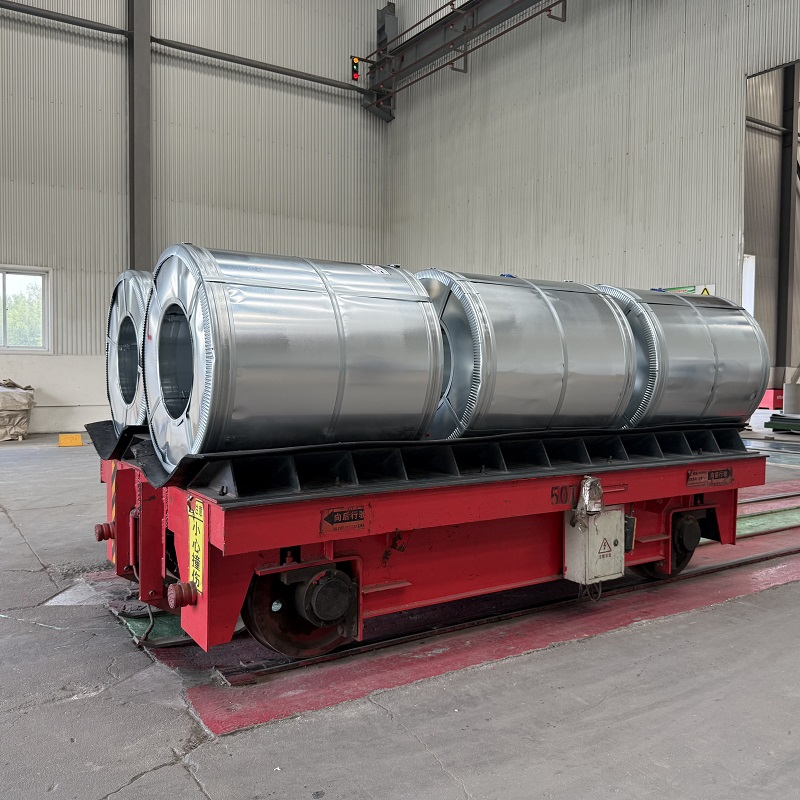
Learn how to test the bending performance of formable galvalume steel coil samples using T-bend testing to prevent cracking and scrap.
2026/09/10
Discover how multi specification galvalume steel coil simplifies purchasing, boosts productivity, and lowers costs for metal fabricators.
2026/09/10
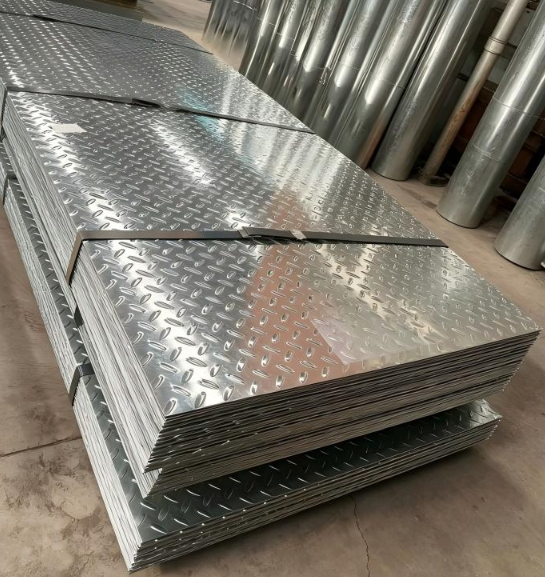
Discover why hot dipped galvanized steel and hot dip galvanized checkered plate offer ideal corrosion resistance and strength for road guardrails.
Covering green transformation, product comparison, selection guide, and industry empowerment, helping you fully grasp the dynamics of the color steel industry.

Global climate action and Belt and Road cooperation are driving the color steel industry’s shift toward green, sustainable development.

Comparing PPGI and PPGL across performance, durability, and applications to help you select the optimal coated steel for your project.
A practical guide to selecting and applying color steel coils, ensuring optimal performance, durability, and cost-effectiveness for your projects.
Industry forum drives digital and green transformation, empowering steel sector development through innovation and collaboration.