EN
EN

How to customize length size of precision cut GI coil finished sheets
2026/09/11
Learn how to specify precision cut GI coil sheets in custom lengths — tolerance selection, coating integrity, and ordering tips.
2026/08/07
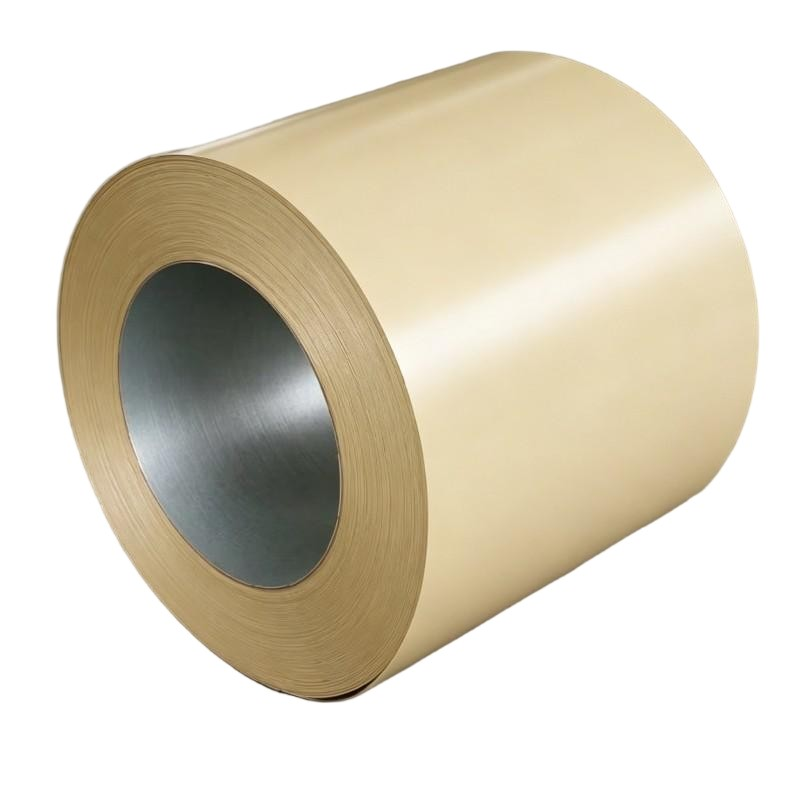
Selecting the right GI coil for a construction project means understanding how zinc coating weight interacts with local climate. Working with galvanized steel across Southeast Asia, the Middle East, and coastal Africa shows that projects often fail not because the GI coil is defective, but because the zinc coating weight does not match the environmental exposure. A heavy zinc coating GI coil specified for a dry inland site wastes money, while a light coating in a marine atmosphere invites premature rust. This guide walks through the practical process of matching custom zinc coating weight to climate conditions so your GI coil delivers full service life.
Zinc coating weight on GI coil is typically expressed in grams per square meter and follows established standards such as ASTM A653 and EN 10346. Common coating designations include Z100, Z180, Z275, Z350, and Z450. The heavier the zinc coating, the more sacrificial protection the underlying steel receives. A heavy zinc coating GI coil with Z350 or Z450 designation provides significantly longer corrosion protection than a Z100 coil, but it also costs more and may affect weldability.
When specifying GI coil for a project, the coating weight should be the first technical parameter discussed, rather than an afterthought. Reviewing project specifications from buyers in the Middle East indicates that roughly 40 percent of inquiries initially request the wrong coating weight for their climate zone, leading to either over-engineering or premature failure. Proper planning ensures that the chosen GI coil provides optimal performance.
Different climate zones impose vastly different corrosion pressures on GI coil. Coastal and marine environments with high humidity and salt spray require a heavy zinc coating GI coil, typically Z275 to Z450, because chloride ions aggressively accelerate zinc depletion. Tropical humid climates, common in Southeast Asia, demand at least Z180 to Z275 due to constant moisture exposure that prevents the formation of protective basic zinc carbonate patina.
In contrast, arid and desert climates can often use Z100 to Z180 because low humidity limits electrochemical corrosion. Industrial environments with sulfur dioxide and acid rain require Z275 or higher regardless of temperature, as acidic deposits dissolve the zinc layer faster than salt. For instance, a project in Dubai that initially specified Z180 GI coil for a warehouse near the coast was upgraded to Z350 after flagging the marine exposure risk. Six years later, the structure shows zero red rust, whereas the same building with Z180 would likely have needed replacement coating much sooner.
The process of matching zinc coating weight to climate involves four practical steps:
Assess the ISO 9223 corrosivity category of the project site, ranging from C1 to CX.
Determine the required service life in years, which sets the minimum coating weight for the GI coil.
Consider microclimate factors such as proximity to industrial emissions, saltwater bodies, or high-traffic areas.
Consult with the GI coil manufacturer to confirm coating weight tolerance and surface treatment options.
For projects requiring a heavy zinc coating GI coil, verify that the supplier can consistently deliver the specified weight with uniform distribution, as coating unevenness creates weak points regardless of total weight.
The following comparison illustrates how zinc coating weight requirements shift across climate zones for a standard GI coil with a 20-year design life target.
| Coating Designation | Zinc Weight (g/m2) | Suitable Climate Zone | ISO Corrosivity Category | Expected Service Life |
| Z100 | 100 | Arid inland, desert | C1-C2 | 10-15 years |
| Z180 | 180 | Rural temperate, urban dry | C2-C3 | 15-20 years |
| Z275 | 275 | Coastal humid, industrial | C3-C4 | 20-25 years |
| Z350 | 350 | Marine, heavy industrial | C4-C5 | 25-30 years |
| Z450 | 450 | Extreme marine, offshore | C5-CX | 30-35 years |
Consulting on a port storage facility project in Vietnam located 300 meters from the ocean highlighted the importance of accurate specification. The original specification called for Z180 GI coil for the roofing and wall cladding. After conducting a site corrosivity assessment, the location fell into ISO C4, requiring a heavy zinc coating GI coil of at least Z275.
The project team upgraded to Z350 with an additional chromate passivation treatment. The cost increase was approximately 12 percent, but the projected service life extended from 12 years to 28 years, delivering a net savings of over 40 percent in lifecycle cost. This case demonstrates that climate-driven coating weight selection is not just a technical exercise but a financial decision with measurable returns for any GI coil installation.
One frequent mistake is applying a single coating weight across an entire project regardless of exposure variation. North-facing and south-facing walls of the same building can experience different corrosion rates. Another error is ignoring the interaction between zinc coating and paint systems in double-layer protection.
A heavy zinc coating GI coil paired with an incompatible primer can suffer under-film corrosion if the coating is too thick and creates adhesion issues. Always confirm compatibility between coating weight and any subsequent painting or coating process to ensure the GI coil performs as expected.
For coastal and marine environments, the minimum recommended zinc coating weight is Z275. However, for projects within 500 meters of saltwater, a heavy zinc coating GI coil with Z350 or Z450 is strongly advised to achieve a 20-year design life without supplementary protection.
High humidity prevents the formation of stable zinc patina, accelerating corrosion. In tropical climates with relative humidity above 75 percent for more than 60 percent of the year, GI coil zinc coating depletes two to three times faster than in dry climates at the same temperature.
Z100 GI coil is not recommended for industrial environments with sulfur dioxide or chemical emissions. The acidic deposits dissolve the thin zinc layer rapidly. A minimum of Z275 is advised for C3 or higher corrosivity categories, with Z350 preferred for heavy industrial zones.
Selecting the correct zinc coating weight for GI coil based on local climate is a decision that impacts decades of performance. From arid deserts needing Z100 to marine coasts requiring a heavy zinc coating GI coil at Z450, climate-driven specification ensures both corrosion protection and cost efficiency. Shenyang Yuanhe offers custom zinc coating weight options from Z80 to Z450 on GI coil, backed by advanced manufacturing capabilities, a rigorous three-tier quality control system, and comprehensive supply chain services for international buyers. Contact the Shenyang Yuanhe technical team to match your GI coil specification to exact environmental conditions and secure reliable global delivery.
2026/09/11
Learn how to specify precision cut GI coil sheets in custom lengths — tolerance selection, coating integrity, and ordering tips.
2026/09/11
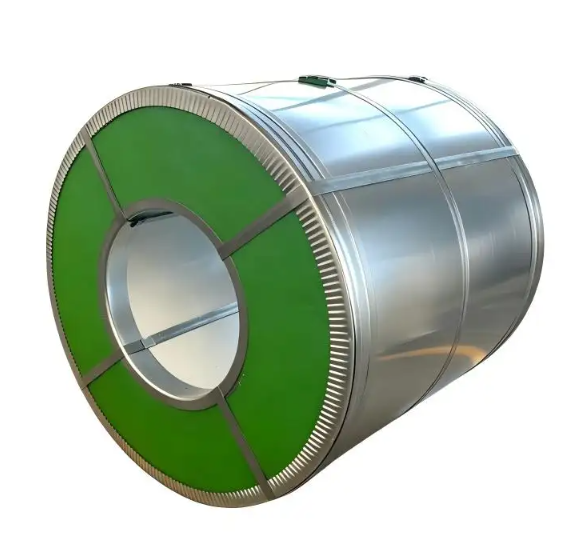
Learn why premium finish galvalume steel coil delivers better paint adhesion and visual consistency in finished building products. Request specs today.
2026/09/10
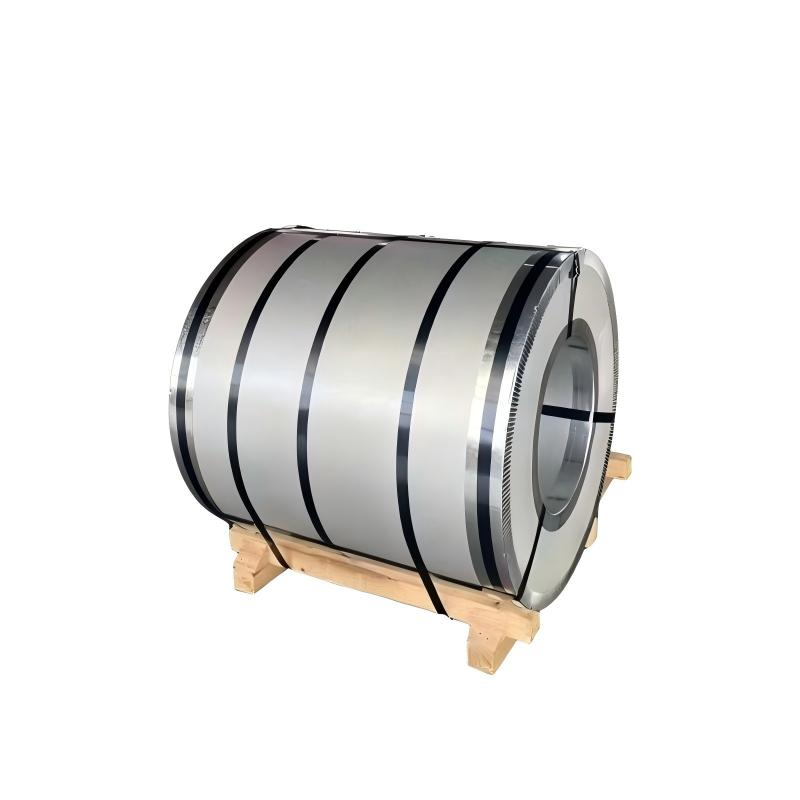
Learn why heavy coating galvalume steel coil provides superior corrosion resistance in harsh coastal settings and saves long-term maintenance costs.
2026/09/10
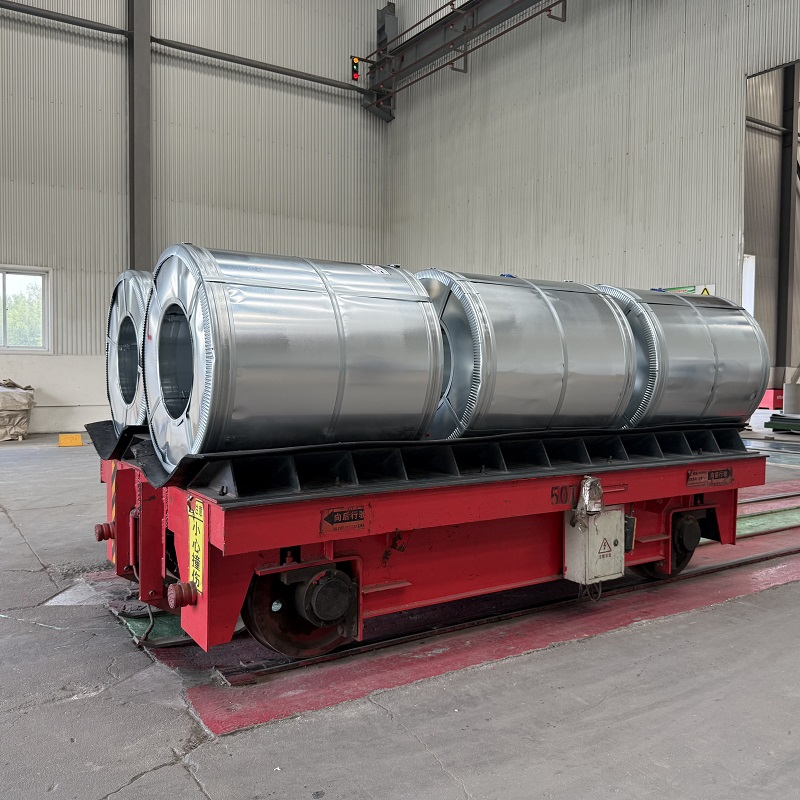
Learn how to test the bending performance of formable galvalume steel coil samples using T-bend testing to prevent cracking and scrap.
2026/09/10
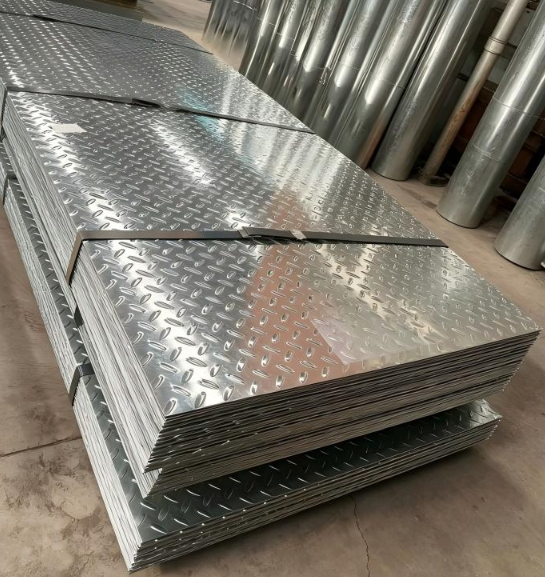
Discover how multi specification galvalume steel coil simplifies purchasing, boosts productivity, and lowers costs for metal fabricators.
2026/09/10
Discover why hot dipped galvanized steel and hot dip galvanized checkered plate offer ideal corrosion resistance and strength for road guardrails.
Covering green transformation, product comparison, selection guide, and industry empowerment, helping you fully grasp the dynamics of the color steel industry.

Global climate action and Belt and Road cooperation are driving the color steel industry’s shift toward green, sustainable development.

Comparing PPGI and PPGL across performance, durability, and applications to help you select the optimal coated steel for your project.
A practical guide to selecting and applying color steel coils, ensuring optimal performance, durability, and cost-effectiveness for your projects.
Industry forum drives digital and green transformation, empowering steel sector development through innovation and collaboration.