EN
EN

How to customize length size of precision cut GI coil finished sheets
2026/09/11
Learn how to specify precision cut GI coil sheets in custom lengths — tolerance selection, coating integrity, and ordering tips.
2026/09/07
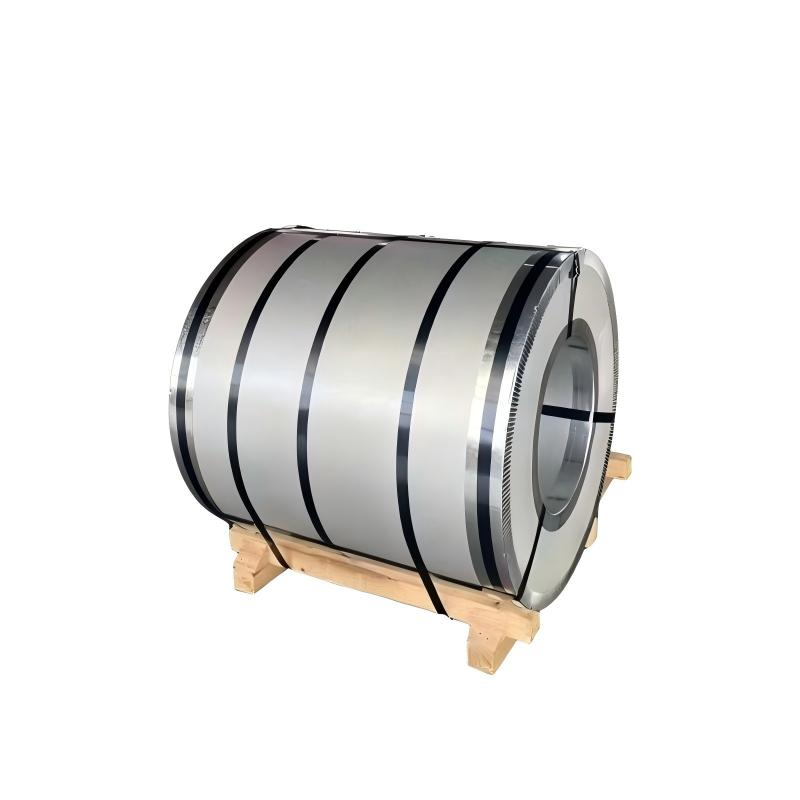
Coating adhesion stands out as one of the most vital performance metrics when sourcing prepainted galvanized coils. Out in the field, architectural steel must endure heavy forming, shipping, continuous thermal expansion, and intense weather exposure without flaking, peeling, or delaminating. When coating bond strength fails, moisture quickly reaches the underlying galvanized base, leading to early red rust, unsightly cosmetic flaws, and expensive structural repairs.
For site engineers, quality control specialists, and steel buyers, evaluating coating durability before placing large orders is essential. Assessing key physical properties on site helps confirm overall ppgi coil quality prior to installation. Implementing practical evaluation techniques ensures every batch meets performance standards before steel sheets reach the job site.
The T-bend evaluation is a core field test for checking coating elasticity and bond strength on prepainted steel. This test measures how tight a bend the painted panel can endure before cracking or micro-fracturing along the outer radius.
The evaluation procedure follows a straightforward sequence:
Sample Preparation: Cut a clean strip measuring roughly 100 mm by 50 mm from the parent coil.
Initial Fold: Bend the strip 180 degrees flat against itself (referred to as a 0T bend).
Radius Inspection: Examine the outer curve under light magnification for fine cracking or paint separation.
Progressive Spacing: If cracking appears, repeat the bend around a spacer sheet (1T, 2T, and so forth) until the paint layer stays completely smooth and intact.
Industry standards like EN 10169 and ASTM D4145 define clear benchmarks for different steel applications. Architectural standing seam roofing typically demands a 2T to 3T rating, whereas complex roll-formed profiles require 1T to 2T flexibility. Sourcing a uniform coating ppgi steel coil built on proper chemical pretreatment often yields 0T to 1T performance without cracking, proving exceptional flexibility and film adhesion. Rigorous manufacturing lines consistently run bend checks across every coil run to maintain reliable forming capabilities.
The cross-cut test offers a direct, quantifiable way to measure how strongly a finish bonds to its metallic substrate. By scribing a grid through the paint down to the zinc surface and applying pressure-sensitive tape, inspectors can verify film integrity under shear stress.
This procedure uses a sharp multi-blade tool to slice six parallel lines spaced 1 mm to 2 mm apart, followed by six perpendicular cuts. This creates a grid matrix of 25 small squares. Standard industrial adhesive tape is pressed firmly over the grid and pulled off smooth and quick at a 60-degree angle.
Result ratings follow standard ISO 2409 or ASTM D3359 scales:
| Classification | Structural Description | Affected Area | Performance Grade |
| Class 0 (5B) | Completely smooth cut edges; no squares detaching | 0% | Excellent bond strength |
| Class 1 (4B) | Minor flakes at lattice intersections | Less than 5% | Standard architectural grade |
| Class 2 (3B) | Flaking along cut edges and line intersections | 5% to 15% | Moderate adhesion |
| Class 3 (2B) | Deep flaking along edges and partial square removal | 15% to 35% | Marginal failure |
| Class 4 (1B) | Large strips detaching along major grid lines | 35% to 65% | Unacceptable coating quality |
| Class 5 (0B) | Severe detachment exceeding major grid area | Greater than 65% | Total coating failure |
For reliable structural cladding, achieving a Class 1 (4B) rating or higher is standard. High-grade materials featuring a uniform coating ppgi steel coil design consistently attain Class 0 (5B) performance, proving both topcoat quality and effective surface pretreatment.
The reverse impact test verifies how paint layers respond to sudden, severe mechanical shock. This simulates real-world stress like drop impacts during transit, sharp tool strikes on site, or heavy hail during storm season.
During testing, a weighted spherical indenter drops from a fixed height onto the back (uncoated or primer-only) side of the metal test strip. This creates an immediate convex dome on the painted front side. Inspectors then examine the deformed painted surface for micro-fissures or flaking. Premium ppgi steel coil panels withstand impact energies of 9 Joules or higher without cracking, keeping the paint layer firmly bonded to the zinc substrate.
Beyond formal mechanical checks, several rapid visual cues help inspectors gauge overall ppgi coil quality during warehouse receiving:
Cut Edge Cleanliness: Check sheared coil edges. If paint flakes away easily from the zinc boundary along cut lines, the chemical bond is weak.
Surface Consistency: A high-grade uniform coating ppgi steel coil exhibits consistent gloss, smooth texture, and even color across the entire strip length without pinholes, sag lines, or blistering.
Back Primer Condition: The reverse side protective wash coat should feel smooth and adhere firmly without chalking or rubbing off on gloves.
Storage Environment: Coils stored for long periods in high-humidity areas without protective wrapping can accumulate trapped moisture, leading to premature film degradation.
Understanding root failure causes helps buyers ask target technical questions during supplier audits:
Incomplete Surface Degreasing: Oil residues, rolling lubricants, or mill dust left on the raw galvanized base prevent tight chemical bonding.
Defective Chemical Pretreatment: Conversion coatings like chromate or zirconium must apply evenly and dry completely to form an anchor layer.
Improper Oven Curing: Under-curing leaves the paint film soft and weak, while over-curing bakes out flexibility and makes the coating brittle.
Mismatched Paint Formulations: Primers and topcoats must match chemically to form strong inter-coat adhesion.
Irregular Zinc Layering: Non-uniform zinc thickness causes uneven surface tension and localized coating loss under mechanical stress.
Executing a proper paint adhesion test highlights these hidden processing issues long before coils reach the production line.
In-field tests like T-bend flexibility, cross-hatch tape checks, and reverse impact drop tests give buyers quick, actionable feedback on ppgi steel coil durability. Combining these hands-on steps with careful edge checks helps procurement teams buy with confidence.
Sourcing from an established manufacturer with strict multi-stage quality checks ensures every coil meets global coating specifications. Reliable producers like Shenyang Yuanhe Steel maintain tight control over substrate cleaning, chemical pretreatment, paint chemistry, and bake line temperatures, delivering dependable prepainted steel coils ready for demanding environments worldwide.
2026/09/11
Learn how to specify precision cut GI coil sheets in custom lengths — tolerance selection, coating integrity, and ordering tips.
2026/09/11
Learn why premium finish galvalume steel coil delivers better paint adhesion and visual consistency in finished building products. Request specs today.
2026/09/10
Learn why heavy coating galvalume steel coil provides superior corrosion resistance in harsh coastal settings and saves long-term maintenance costs.
2026/09/10
Learn how to test the bending performance of formable galvalume steel coil samples using T-bend testing to prevent cracking and scrap.
2026/09/10
Discover how multi specification galvalume steel coil simplifies purchasing, boosts productivity, and lowers costs for metal fabricators.
2026/09/10
Discover why hot dipped galvanized steel and hot dip galvanized checkered plate offer ideal corrosion resistance and strength for road guardrails.
Covering green transformation, product comparison, selection guide, and industry empowerment, helping you fully grasp the dynamics of the color steel industry.

Global climate action and Belt and Road cooperation are driving the color steel industry’s shift toward green, sustainable development.

Comparing PPGI and PPGL across performance, durability, and applications to help you select the optimal coated steel for your project.
A practical guide to selecting and applying color steel coils, ensuring optimal performance, durability, and cost-effectiveness for your projects.
Industry forum drives digital and green transformation, empowering steel sector development through innovation and collaboration.