EN
EN

How to customize length size of precision cut GI coil finished sheets
2026/09/11
Learn how to specify precision cut GI coil sheets in custom lengths — tolerance selection, coating integrity, and ordering tips.
2026/08/19
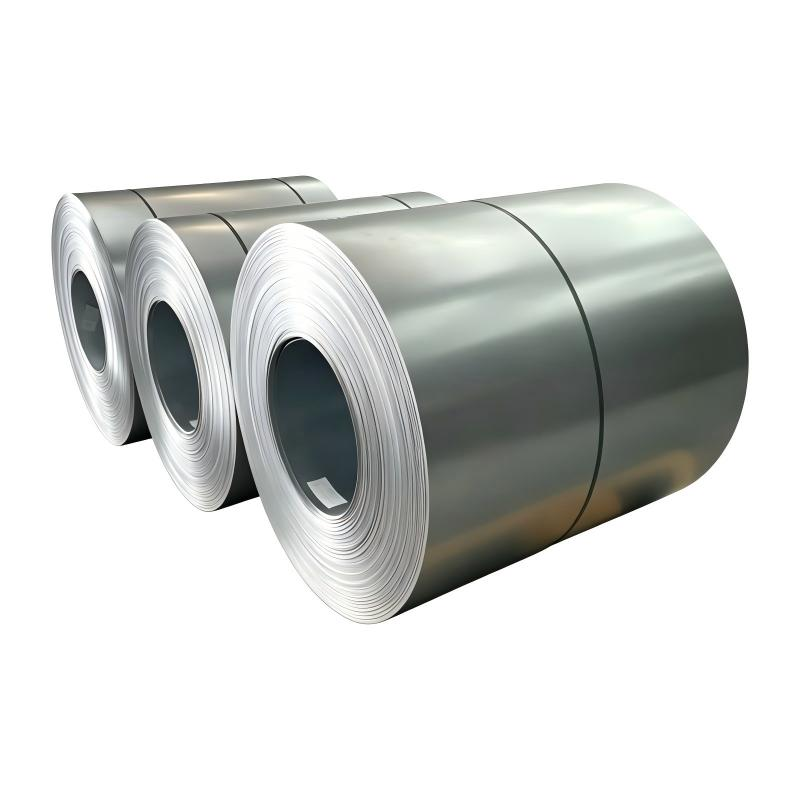
When it comes to metal roofing, proper installation is the single most important factor that determines long-term waterproof and windproof performance. Even the highest quality PPGI steel coil for roofing will fail prematurely if the installation technique is flawed. Working on projects across Southeast Asia and the Middle East, the engineering teams at Shenyang Yuanhe Steel have seen firsthand how small installation errors lead to costly leaks, wind damage, and premature coating failure. This guide walks through the correct step-by-step process to ensure every roofing project delivers maximum durability.
A standard PPGI roof sheet is engineered with multiple layers of protection, including a zinc coating, a chemical conversion layer, a primer, and a top paint coat. However, all of these protective layers depend on proper handling and fastening during installation.
Improper overlap gaps allow wind-driven rain to penetrate joints.
Overtightened screws cause coating deformation that accelerates localized corrosion.
Undertightened fasteners create dangerous vibration that loosens connections over time.
Understanding the relationship between installation technique and final performance is essential for any professional contractor, builder, or project manager aiming to deliver reliable waterproof roofing.
Before starting any roof sheet installation, gather all necessary tools and materials. Essential items include roofing screws with EPDM rubber washers, a cordless impact driver with torque control, tin snips or power shears, a chalk line, tape measure, butyl sealant tape, ridge caps, flashing, and safety gear. Sheets should be sheared directly from high-grade PPGI steel coil for roofing.
Verify that all materials meet international quality standards. Premium manufacturers ensure that every PPGI roof sheet produced from ASTM A653 and JIS G3302 SGCC substrates passes through rigorous quality control before dispatch. Always confirm that the zinc coating level, paint thickness, and RAL color match your architectural specifications before work begins.
Start by inspecting the roof deck or purlin structure thoroughly. Ensure all purlins are level, properly spaced (typically 600mm to 900mm center-to-center for standard gauges), and free of construction debris. Measure the roof length and width precisely to plan your sheet layout. Always plan the installation to start from the lowest edge of the roof and work upward, ensuring that each successive sheet overlaps the one below it for optimal drainage.
The overlap direction is critical for waterproof performance. Always install every PPGI roof sheet so that the side laps face away from the prevailing wind direction. This prevents wind-driven rain from being forced into the overlap joints.
Side Laps: The minimum side lap width should be one full corrugation profile.
End Laps: The minimum overlap is 150mm for slopes above 15 degrees and 250mm for slopes below 15 degrees.
Sealing: Apply high-grade butyl sealant tape along the overlap line before fixing the sheets together to create an airtight waterproof barrier.
Use roofing screws equipped with EPDM rubber washers at every corrugation valley at the purlin locations. Avoid placing screws on the crest of the corrugation, as this reduces pull-out strength and creates a direct water entry point. Drive each screw perpendicular to the sheet surface. Correct torque is vital: tighten until the EPDM washer makes firm contact with the sheet surface without compressing beyond half of its original thickness.
After field sheets are installed, fit the ridge caps with proper overlaps and secure them at every corrugation peak. Install apron flashing at roof-to-wall junctions and step flashing at penetrations. All flashings should be fabricated from matching PPGI steel coil for roofing material to guarantee galvanic compatibility and uniform aesthetics.
For buildings in high-wind regions, additional measures are necessary to keep a windproof roof sheet firmly anchored under storm loads. Install storm clips or external cleats at the eaves and ridge lines, and increase fastener density in corner and edge zones where wind suction forces are highest.
Achieving a durable, weather-resistant structure relies as much on superior supply chain capability as it does on field execution. Shenyang Yuanhe Steel leverages advanced coil-coating lines and stringent quality assurance protocols to deliver premium PPGI steel coil for roofing and finished sheets globally. By maintaining strict control over substrate metallurgy, paint film thickness, and color consistency, Shenyang Yuanhe Steel empowers contractors worldwide to build lasting, high-performance waterproof roofing systems that stand up to the harshest environmental extremes.
What is the minimum roof slope for installing a PPGI roof sheet? The minimum recommended roof slope is 5 degrees. Below this angle, water drainage slows down, significantly increasing the risk of pooling and water penetration at overlaps.
How many screws are needed per square meter of roof sheeting? For standard conditions, use 6 to 8 screws per square meter. In high-wind zones, increase this density to 10 to 12 screws per square meter, specifically focusing on corners and edges.
Can metal roofing sheets be installed directly on top of an existing roof? It is possible with proper preparation, but not generally recommended without a structural assessment. Install a spacer system to provide ventilation, remove loose fasteners, and consult a structural engineer first.
What specific climate challenges or wind load requirements are you facing in your current roofing project?
2026/09/11
Learn how to specify precision cut GI coil sheets in custom lengths — tolerance selection, coating integrity, and ordering tips.
2026/09/11
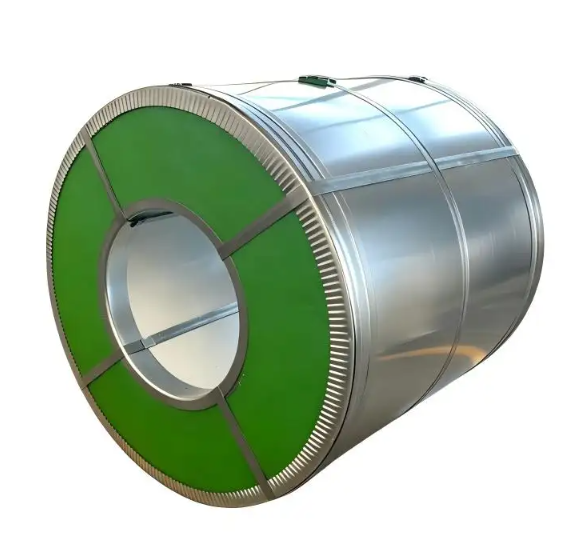
Learn why premium finish galvalume steel coil delivers better paint adhesion and visual consistency in finished building products. Request specs today.
2026/09/10
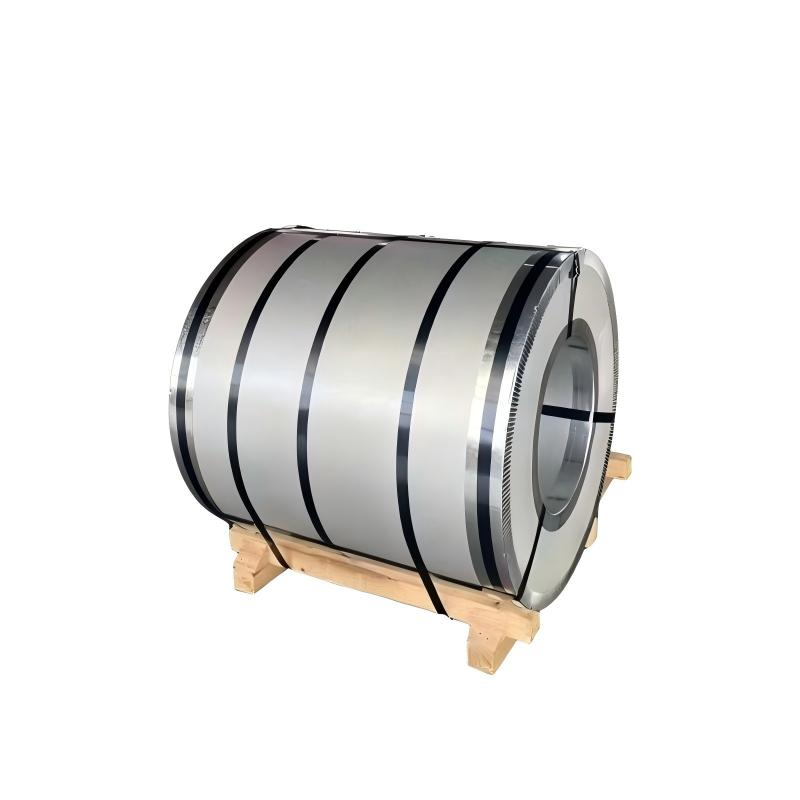
Learn why heavy coating galvalume steel coil provides superior corrosion resistance in harsh coastal settings and saves long-term maintenance costs.
2026/09/10
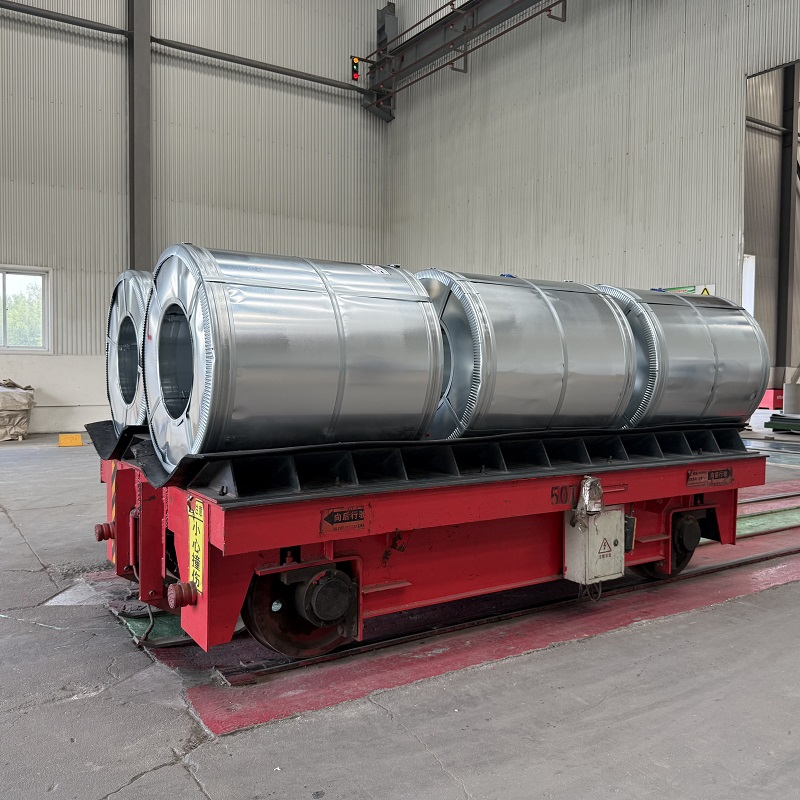
Learn how to test the bending performance of formable galvalume steel coil samples using T-bend testing to prevent cracking and scrap.
2026/09/10
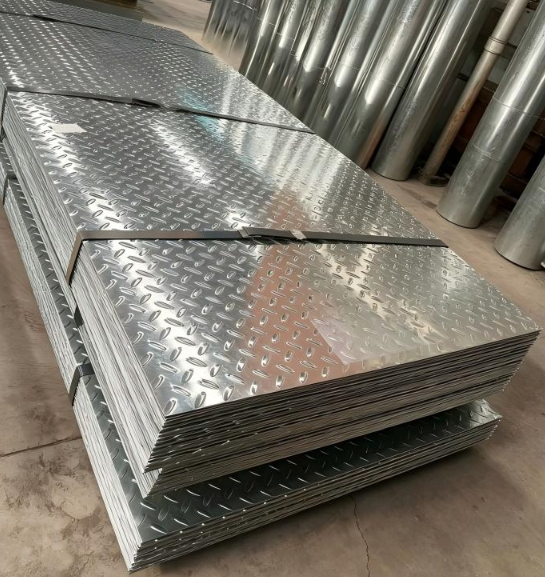
Discover how multi specification galvalume steel coil simplifies purchasing, boosts productivity, and lowers costs for metal fabricators.
2026/09/10
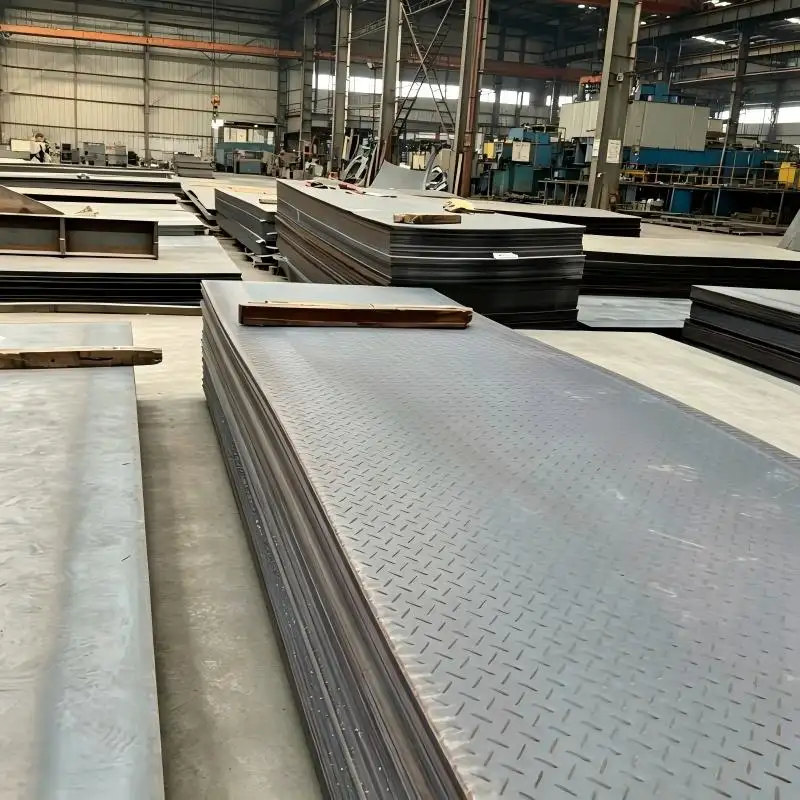
Discover why hot dipped galvanized steel and hot dip galvanized checkered plate offer ideal corrosion resistance and strength for road guardrails.
Covering green transformation, product comparison, selection guide, and industry empowerment, helping you fully grasp the dynamics of the color steel industry.

Global climate action and Belt and Road cooperation are driving the color steel industry’s shift toward green, sustainable development.

Comparing PPGI and PPGL across performance, durability, and applications to help you select the optimal coated steel for your project.
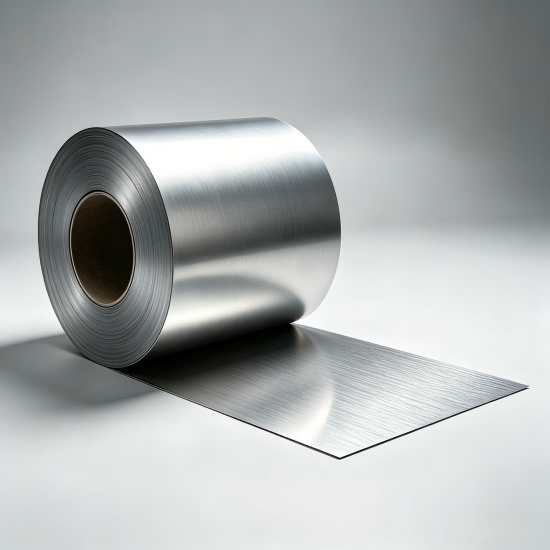
A practical guide to selecting and applying color steel coils, ensuring optimal performance, durability, and cost-effectiveness for your projects.
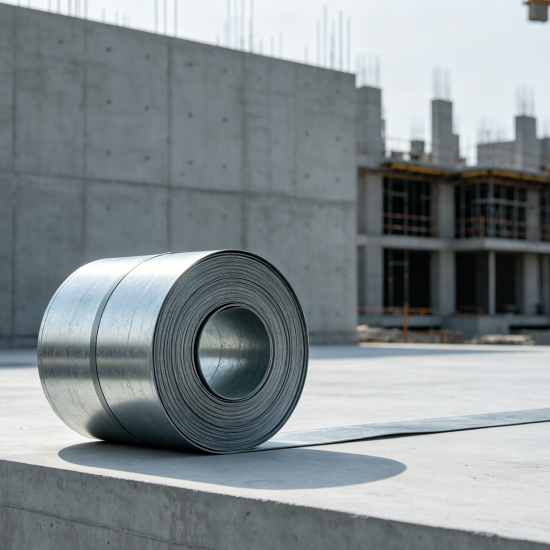
Industry forum drives digital and green transformation, empowering steel sector development through innovation and collaboration.