EN
EN

How to customize length size of precision cut GI coil finished sheets
2026/09/11
Learn how to specify precision cut GI coil sheets in custom lengths — tolerance selection, coating integrity, and ordering tips.
2026/09/08
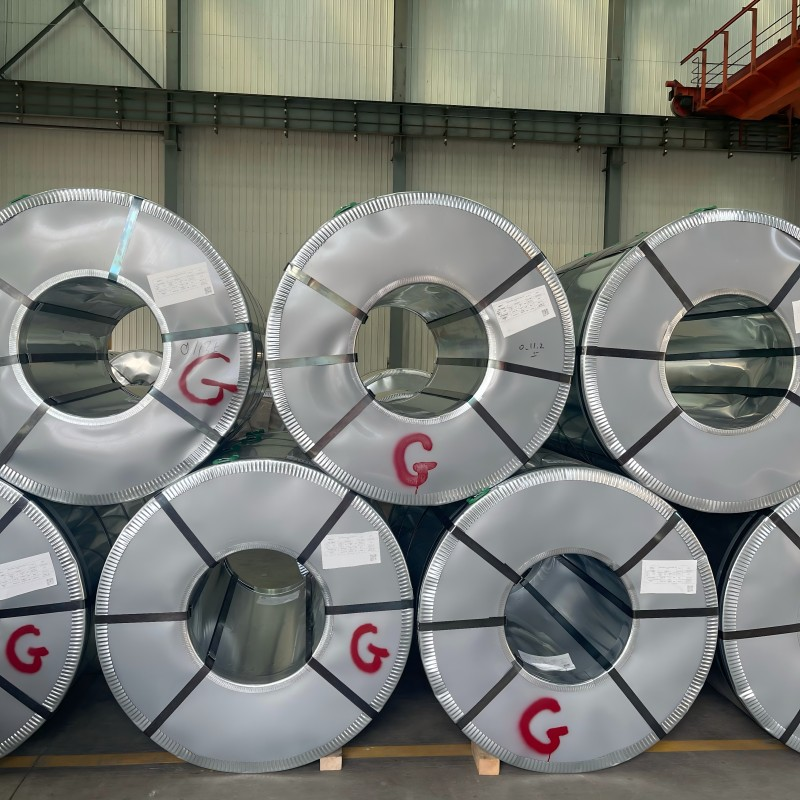
Sheet metal enclosures safeguard vital electrical controls, delicate instruments, and industrial machinery from harsh everyday conditions. Building these protective boxes requires materials that hit a sweet spot: strong structural rigidity, dependable rust protection, smooth formability, and sensible material costs. Standard zinc-coated material, universally referred to as a gi sheet, serves as the backbone material across metal enclosure manufacturing lines.
However, turning flat metal stock into clean, square cabinets takes real workshop skill. Working with coated stock means shop teams must respect both the core steel and the protective surface layer. Small errors in bend calculations or cutting setup during gi sheet fabrication can ruin expensive coatings, warp panel dimensions, or trigger early rust along factory edges.
Selecting the right metal grade shapes every downstream operation on the shop floor. Balancing mechanical traits prevents costly micro-cracking and springback issues during gi sheet processing:
Coating Mass and Ductility: Standard protective zinc weights shield the underlying iron core. Pushing bends past material limits on a gi sheet flattens or cracks the soft zinc layer, leaving microscopic pathways for rust.
Gauge Thickness Selection: Most industrial cabinets rely on gi sheet thickness ranging between 0.5 mm and 2.0 mm. Heavier stock requires significantly higher press brake tonnage and wider bottom die openings to form smooth radii.
Steel Temper Selection: Specifying Commercial Quality or Deep Drawing Quality temper ensures the base gi sheet flows smoothly under tension without necking or tearing.
Grain Direction Awareness: Bending a gi sheet perpendicular to the steel mill rolling direction yields cleaner profiles and handles stress far better than bending parallel to the grain.
A dependable gi tin sheet supplier maintains strict metallurgical controls, providing consistent sheet hardness and uniform zinc adhesion across every batch of gi tin sheet stock.
Choosing an appropriate cutting system for a gi sheet determines edge quality, processing speed, and post-fabrication cleanup needs.
Mechanical shearing provides clean, straight cuts across flat gi sheet panels with minimal edge burrs. Maintaining correct blade clearance—roughly 5% to 8% of total gi sheet thickness—prevents edge distortion and preserves the protective zinc boundary.
Industrial fiber laser cutting delivers unmatched accuracy for intricate cutouts, mounting holes, and complex door profiles on a gi sheet. Fiber lasers produce a concentrated, tiny heat-affected zone, preventing wide-scale zinc vaporization along cut lines during gi sheet fabrication.
CNC punch nibbling handles curved shapes and interior cutouts efficiently when laser units are unavailable. Maintaining sharp tooling punches clean holes in the gi sheet without dragging extra zinc down into the shear zone. For high-grade metal enclosure manufacturing, combining fiber laser cutting for detailed cutouts with mechanical shearing for outer perimeter cuts ensures top-tier edge quality.
Forming precision 90-degree flanges on press brakes requires careful calculation to preserve gi sheet coating integrity and hit tight dimensional tolerances.
Inside bend radius selection takes priority during gi sheet fabrication setup. To keep the protective layer of the gi sheet intact, set the minimum inside bend radius to at least 1.0 times material thickness when forming across the grain, and expand to 1.5 times thickness when bending parallel to grain lines. Pushing radii below these thresholds fractures the outer zinc shell of the gi sheet.
Calculating bend allowances keeps final panel dimensions accurate. A standard 90-degree bend in light-gauge gi sheet stock requires a bend deduction equal to roughly 1.5 to 2.0 times sheet thickness, depending on die width and material temper.
Every gi sheet panel displays natural springback after releasing punch pressure, usually springing open between 1 and 3 degrees. Over-bending slightly compensates for material elasticity, locking in precise right angles across cabinet corners. Using press brake V-dies with openings measuring 6 to 8 times gi sheet thickness yields consistent, repeatable bends.
Catching defects early during gi sheet fabrication saves expensive rework time during final assembly.
Zinc Flaking or Micro-Cracking: Caused by forcing sharp inside bend radii on a gi sheet. Expanding the punch nose radius or switching to soft deep drawing grade gi tin sheet fixes the issue quickly.
Excessive Edge Burrs: Dull blades or incorrect clearance cause ragged gi sheet edges that slice through protective gloves. Inspecting cutting dies regularly keeps edges smooth.
Panel Distortion and Oil-Canning: Uneven clamping pressure or excessive laser heat builds internal stress within flat gi sheet panels. Spacing heat cuts evenly prevents thermal warping.
Exposed Edge Oxidation: Uncoated steel edges created during slitting or shearing naturally lose direct zinc coverage. Applying a quick coat of zinc-rich primer over raw cut edges restores sacrificial protection along exposed seams.
Executing smooth gi sheet fabrication steps consistently transforms flat gi tin sheet panels into rigid, professional cabinet assemblies that endure harsh shop environments.
Matching workshop equipment to volume demands keeps gi sheet fabrication lines running efficiently:
| Cutting Method | Ideal Thickness Range | Cut Edge Quality | Heat Impact Zone | Relative Operating Cost |
| Mechanical Shearing | 0.5 mm – 3.0 mm | Clean, straight edges | None (Cold cut) | Low per-cut cost |
| Fiber Laser Cutting | 0.5 mm – 6.0 mm+ | Exceptional precision | Minimal localized heat | Medium to High |
| CNC Punching | 0.5 mm – 2.5 mm | Good for regular holes | None (Cold cut) | Low to Medium |
| Plasma Cutting | 2.0 mm – 12.0 mm+ | Rougher, wider kerf | High thermal impact | Moderate |
Evaluating equipment capabilities against gi sheet thickness ensures clean edge cuts across all panel components in metal enclosure manufacturing.
Building resilient, long-lasting metal enclosures demands tight synergy between precise workshop practices and high-grade raw materials. Even master press brake operators cannot offset uneven zinc thickness, soft surface coatings, or wide gauge variations on the factory floor.
Partnering with an experienced steel supply partner simplifies material sourcing, ensures dependable gauge tolerances, and safeguards product longevity. Sourcing through established international supply networks gives enclosure manufacturers access to premium gi tin sheet products optimized for deep drawing, clean shearing, and tight radius forming. Supply services managed by Shenyang Yuanhe Steel fulfill this critical role, delivering top-quality gi sheet stock, customized coil dimensions, and reliable logistics to support demanding metal fabrication projects around the globe.
2026/09/11
Learn how to specify precision cut GI coil sheets in custom lengths — tolerance selection, coating integrity, and ordering tips.
2026/09/11
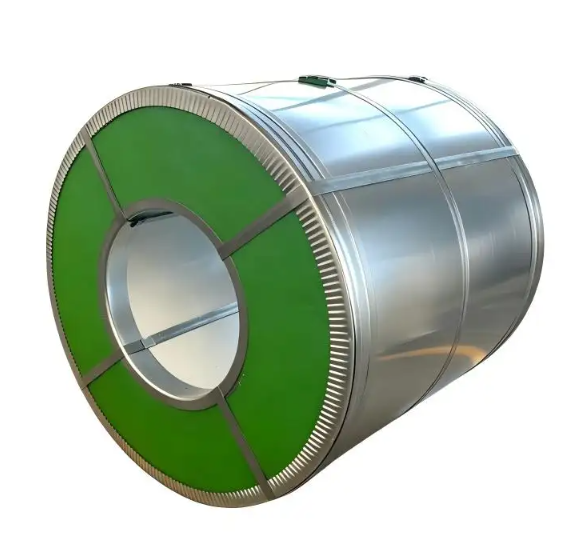
Learn why premium finish galvalume steel coil delivers better paint adhesion and visual consistency in finished building products. Request specs today.
2026/09/10
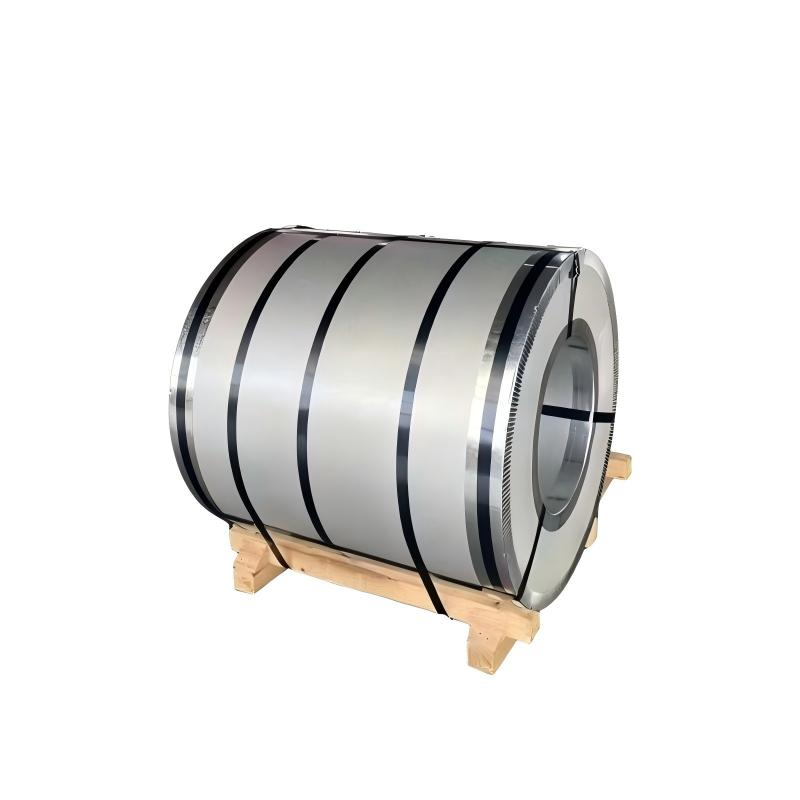
Learn why heavy coating galvalume steel coil provides superior corrosion resistance in harsh coastal settings and saves long-term maintenance costs.
2026/09/10
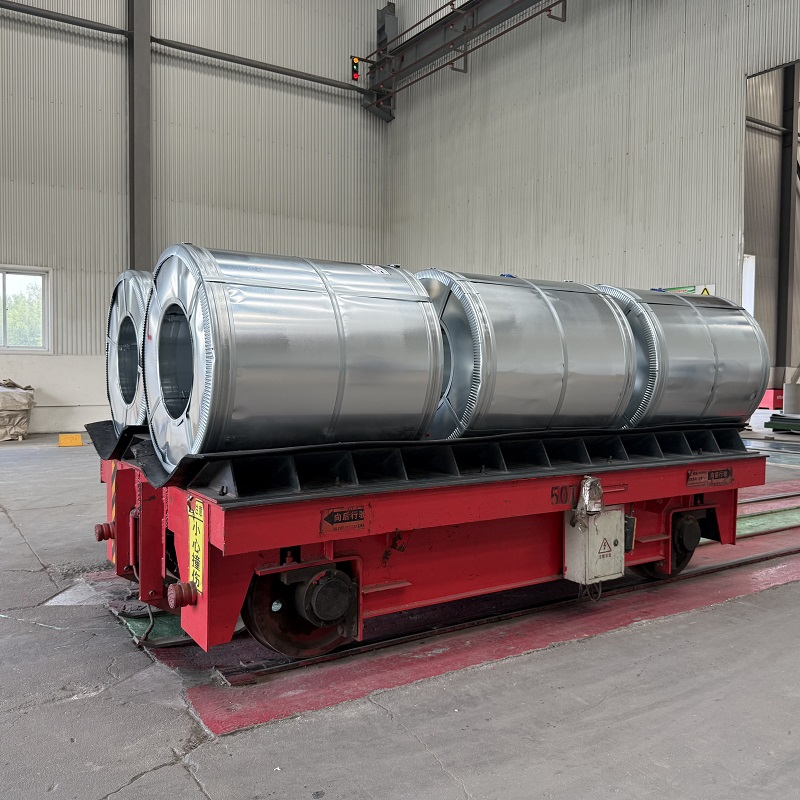
Learn how to test the bending performance of formable galvalume steel coil samples using T-bend testing to prevent cracking and scrap.
2026/09/10
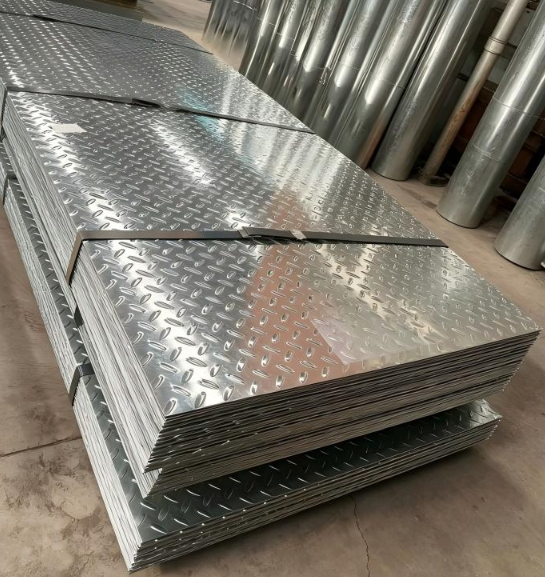
Discover how multi specification galvalume steel coil simplifies purchasing, boosts productivity, and lowers costs for metal fabricators.
2026/09/10
Discover why hot dipped galvanized steel and hot dip galvanized checkered plate offer ideal corrosion resistance and strength for road guardrails.
Covering green transformation, product comparison, selection guide, and industry empowerment, helping you fully grasp the dynamics of the color steel industry.

Global climate action and Belt and Road cooperation are driving the color steel industry’s shift toward green, sustainable development.
Comparing PPGI and PPGL across performance, durability, and applications to help you select the optimal coated steel for your project.
A practical guide to selecting and applying color steel coils, ensuring optimal performance, durability, and cost-effectiveness for your projects.
Industry forum drives digital and green transformation, empowering steel sector development through innovation and collaboration.