EN
EN

How to customize length size of precision cut GI coil finished sheets
2026/09/11
Learn how to specify precision cut GI coil sheets in custom lengths — tolerance selection, coating integrity, and ordering tips.
2026/08/25
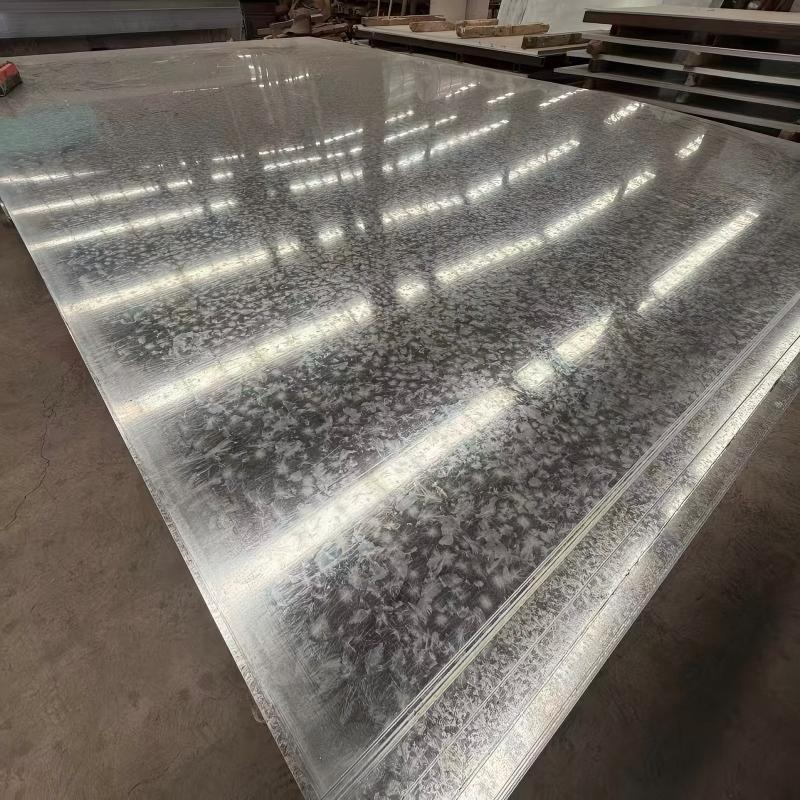
Choosing between hot dipped GI and electroplated GI can make or break a project. Both product lines ship under the same two-letter name, yet hot dipped zinc coated gi sheet options and electroplated versions differ completely in coating structure, thickness range, corrosion life, and price. Confusing these two materials leads to real financial damage. Ordering an electroplated sheet for an outdoor roof guarantees early red rust, while paying hot-dipped prices for indoor appliance panels wastes valuable budget.
Understanding the distinct manufacturing routes, visual characteristics, and performance trade-offs ensures that global buyers select the right zinc coated gi sheet every time.
Hot dipped galvanized steel is produced by passing cold-rolled strip through a molten zinc bath at roughly 450 to 460 degrees Celsius. The zinc reacts directly with the base steel to form a tough iron-zinc alloy layer topped by a layer of free zinc. This creates a thick, robust coating measured in grams per square meter, fitting familiar designations like Z20 to Z275.
In contrast, electroplated GI is manufactured at room temperature through an electrochemical process. The steel strip becomes the cathode in a zinc-salt electrolyte solution, depositing a pure, smooth, and extremely uniform layer that typically ranges from 5 to 20 grams per square meter.
The structural difference dictates downstream applications. The hot-dip alloy layer provides superior barrier and sacrificial protection for rugged environments, while the electrolytic layer is ductile, exceptionally smooth, and highly paint-friendly, though thin enough to rust outdoors within weeks if unprotected.
Evaluating the properties of each zinc coated gi sheet variety helps clarify where each material belongs in industrial applications:
Coating Weight: Hot dipped ranges from Z20 to Z275 grams per square meter on both sides, whereas electroplated versions hover around 5 to 20 grams.
Coating Structure: Hot dipped features an iron-zinc alloy layer plus free zinc, while electroplated consists of pure zinc only.
Surface Appearance: Hot dipped displays regular, minimized, or zero spangles; electroplated features a matte gray finish with no spangle.
Common Thickness Range: Hot dipped spans 0.09 to 3.0 millimeters, while electroplated typically covers 0.30 to 2.0 millimeters in thinner gauges.
Outdoor Corrosion Life: Hot dipped lasts 10 to 30 plus years depending on the zinc grade, whereas electroplated lasts only months outdoors and is meant strictly for indoor use.
Weldability: Hot dipped offers good weldability though fumes and spatter require control, while electroplated delivers excellent welding performance with minimal fumes.
Paint Base Quality: Hot dipped works well after proper pretreatment, while electroplated is exceptional and ideal for continuous coil coating lines.
Relative Cost: Hot dipped provides more zinc per dollar for heavy-duty needs, whereas electroplated involves a higher processing cost per ton for precision finishes.
The fastest field identification method for any zinc coated gi sheet is checking for the spangle, which is the crystalline flower pattern created as molten zinc freezes. Regular spangle GI displays visible zinc crystals measuring 3 to 10 millimeters across. Minimized or zero-spangle hot dip products look smoother but still show subtle flow marks and brightness variations under raking light.
Electroplated GI never exhibits a spangle. Its surface remains uniformly matte, pale gray, and fine-grained, closely resembling raw steel rather than a heavy metal coating.
Inspectors also examine cut edges. Edges on hot-dipped sheets often display a distinct alloy layer and occasional zinc run marks, whereas electroplated edges look clean with virtually no visible layer. Furthermore, a magnetic coating-thickness gauge resolves any ambiguity. Readings above roughly 7 microns per side almost always indicate a hot-dipped product, because electroplated sheets rarely exceed 3 microns per side.
Selecting the right material requires balancing environmental exposure against fabrication requirements.
Order hot dipped GI for outdoor construction, roofing, corrugated cladding, fencing, structural ventilation ducts, highway barriers, and marine-adjacent projects. Its alloy layer survives severe roll forming and continues offering sacrificial protection even at cut edges.
Choose electroplated GI when surface perfection and formability dictate success in controlled indoor environments. Typical applications include appliance cabinets, electronics enclosures, automotive interior brackets, and deep-drawn parts destined for high-end painting. Electroplated sheet welds cleanly, accepts phosphate conversion coatings effortlessly, and avoids flaking during tight radius bends.
Navigating international metal markets requires partnering with an established manufacturer that understands rigorous project specifications. Shenyang Yuanhe Steel maintains extensive inventories of high-grade hot dipped galvanized coils, supplying top-tier GI sheet products and complementary lines like PPGI, PPGL, and galvalume globally. With advanced slitting, cutting, and leveling services, the company ensures rapid delivery and strict quality control for construction, appliance, and transport clients across Southeast Asia, the Middle East, Central Asia, Africa, and South America.
Are you currently sourcing zinc coated gi sheet materials for an upcoming indoo
2026/09/11
Learn how to specify precision cut GI coil sheets in custom lengths — tolerance selection, coating integrity, and ordering tips.
2026/09/11
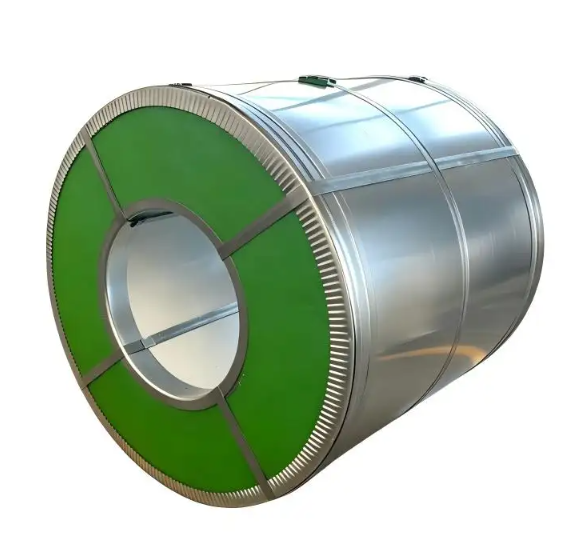
Learn why premium finish galvalume steel coil delivers better paint adhesion and visual consistency in finished building products. Request specs today.
2026/09/10
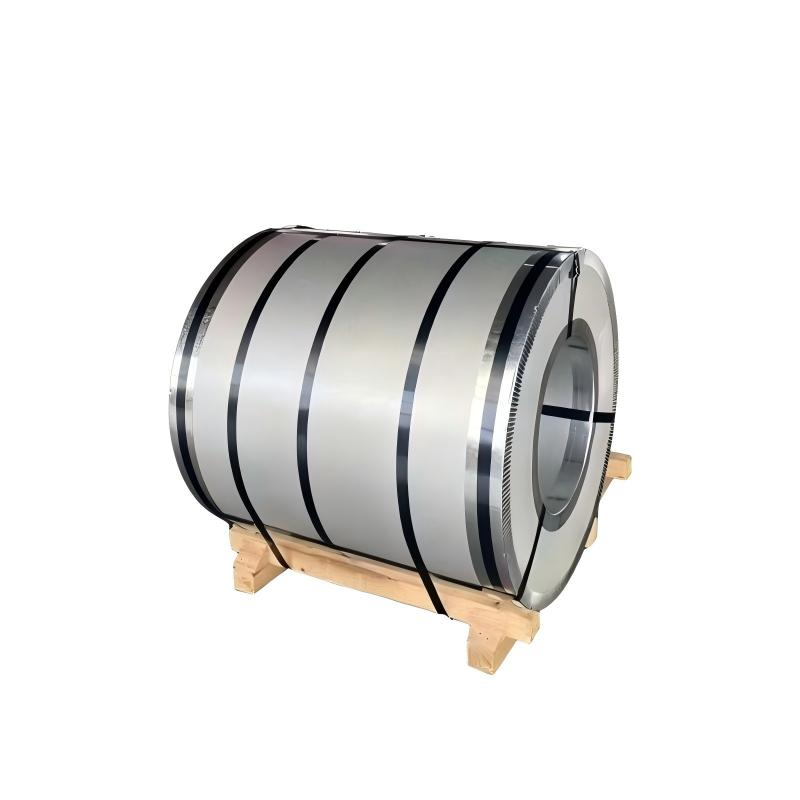
Learn why heavy coating galvalume steel coil provides superior corrosion resistance in harsh coastal settings and saves long-term maintenance costs.
2026/09/10
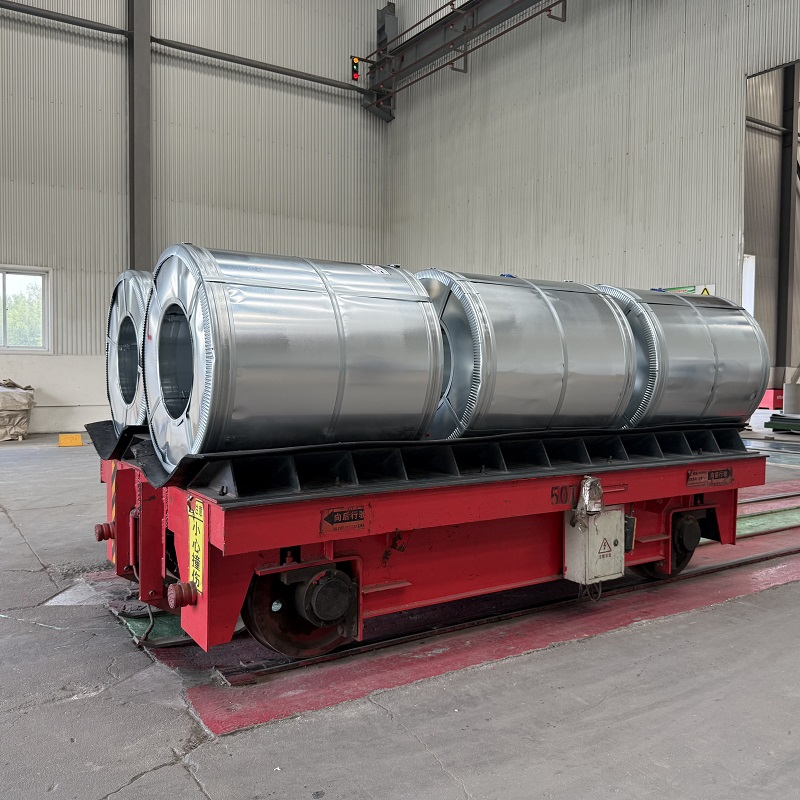
Learn how to test the bending performance of formable galvalume steel coil samples using T-bend testing to prevent cracking and scrap.
2026/09/10
Discover how multi specification galvalume steel coil simplifies purchasing, boosts productivity, and lowers costs for metal fabricators.
2026/09/10
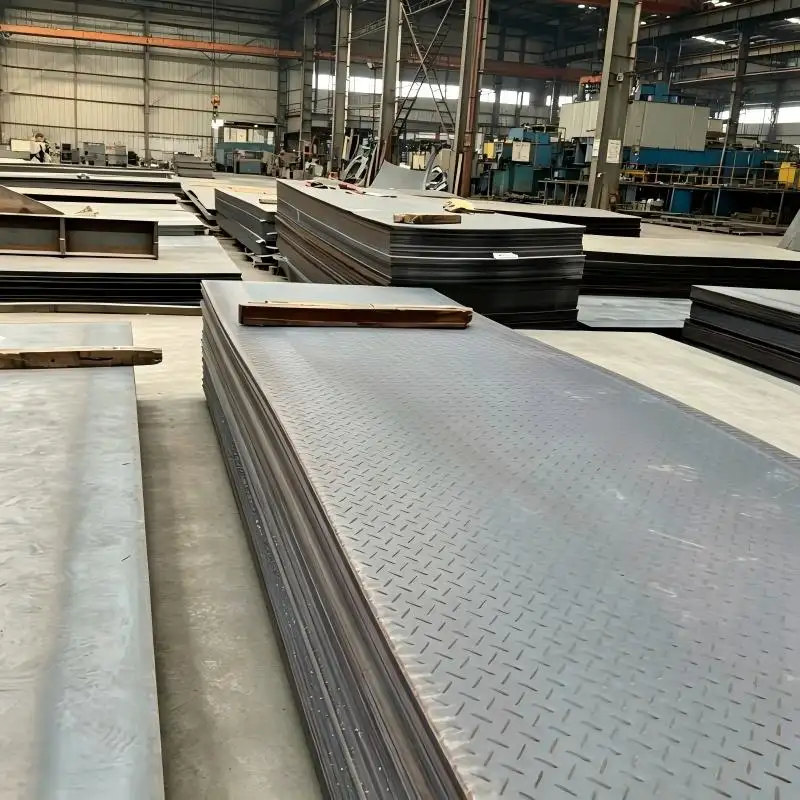
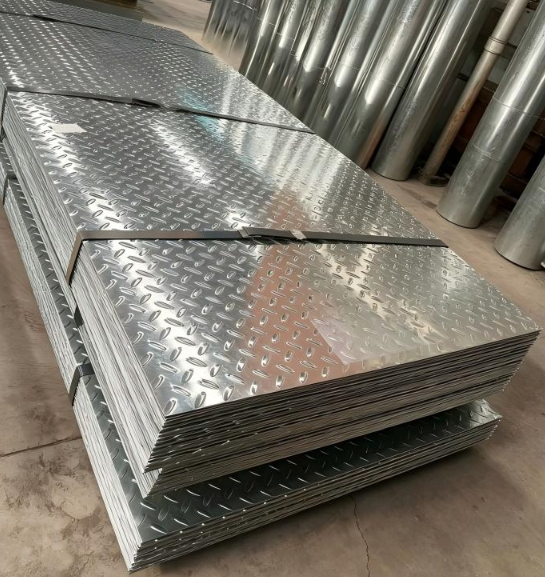
Discover why hot dipped galvanized steel and hot dip galvanized checkered plate offer ideal corrosion resistance and strength for road guardrails.
Covering green transformation, product comparison, selection guide, and industry empowerment, helping you fully grasp the dynamics of the color steel industry.

Global climate action and Belt and Road cooperation are driving the color steel industry’s shift toward green, sustainable development.
Comparing PPGI and PPGL across performance, durability, and applications to help you select the optimal coated steel for your project.
A practical guide to selecting and applying color steel coils, ensuring optimal performance, durability, and cost-effectiveness for your projects.
Industry forum drives digital and green transformation, empowering steel sector development through innovation and collaboration.