EN
EN

How to customize length size of precision cut GI coil finished sheets
2026/09/11
Learn how to specify precision cut GI coil sheets in custom lengths — tolerance selection, coating integrity, and ordering tips.
2026/09/03
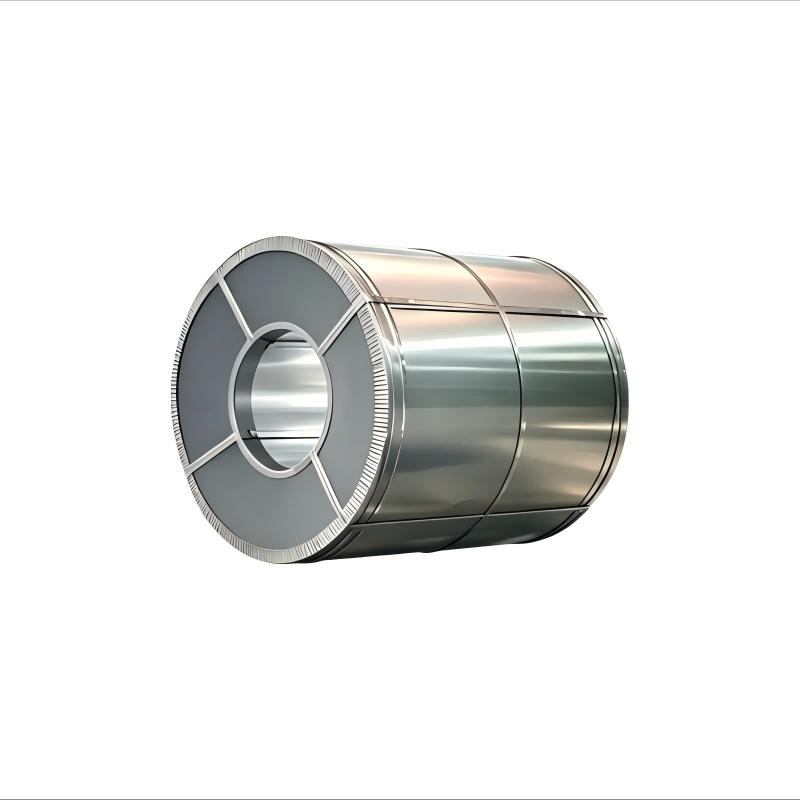
Counterfeit coated steel presents a costly, recurring trap for global procurement teams and structural project managers. A frequent scenario unfolds across emerging industrial hubs: a contractor purchases a large shipment of what is labeled as premium 55% aluminum‑zinc metal sheet for a project, only to observe widespread surface rust within months. Metallurgical testing often reveals the coating contains merely a fraction of the required aluminum content, disguising cheap electro‑galvanized metal under a deceptively low price tag. Such material failures lead to catastrophic project losses, replacement overhead, and ruined contractor reputations.
As market demand for long‑life galvalume steel coil surges across agricultural, commercial, and industrial sectors, inferior imitations are increasingly flooding supply chains. Distinguishing authentic products from compromised sub‑grade sheets is no longer just a technical exercise—it is a mandatory financial protection strategy. Knowing how to verify coating integrity prevents premature structural failure and keeps projects on budget.
Authentic 55% aluminum‑zinc sheets exhibit distinct physical characteristics under close physical examination. The crystalline spangle pattern on genuine galvalume coil is exceptionally uniform, showing a fine, well‑defined hexagonal structure with a characteristic silver‑gray matte finish. In contrast, low‑grade imitations tend to display blotchy, irregular spangles with an unnaturally bright, glossy finish that mimics standard zinc coatings.
Checking sheared edges provides another crucial indicator. A true quality galvalume sheet leaves a clean cut edge with minimal coating flaking or separation during slitting. Fake materials often demonstrate rough, jagged edges with visible coating micro‑fractures along the shear line.
A simple physical test involves bending a test strip 180 degrees using a sheet metal vice:
When field inspection requires rapid chemical validation without full laboratory equipment, field‑level chemical spot tests offer direct feedback on alloy composition. Cleaning a small surface area with acetone and applying a single drop of 10% hydrochloric acid solution yields immediate visual results. Because authentic 55% aluminum‑zinc coatings feature a stable aluminum oxide passive surface, the chemical reaction progresses slowly with controlled, minor bubbling. Falsely labeled zinc sheets react instantly and violently, creating energetic effervescence within seconds.
An alternative on‑site method uses copper sulfate solution applied to a lightly filed surface edge:
| Test Method | Authentic Galvalume Coil | Counterfeit Galvanized Sheet |
|---|---|---|
| Hydrochloric Acid Spot Test | Slow, controlled bubbling; delayed reaction | Immediate, aggressive effervescence (5–10s) |
| Copper Sulfate Surface Reaction | Slow, gradual darkening along the edge | Rapid black/dark gray plating instantly |
| 180‑Degree Mechanical Bend | Intact barrier layer with tiny micro‑cracks | Flaking, peeling, and surface detachment |
These chemical indicators allow site supervisors to verify incoming material before panels are roll‑formed or hoisted onto structural frameworks.
The total mass of the protective coating determines the long‑term weather resistance of exterior cladding. International building codes mandate an AZ150 rating—meaning 150 grams of aluminum‑zinc alloy per square meter across both sides—for standard outdoor exposures. Unscrupulous suppliers often ship AZ60 or AZ80 material while billing buyers for higher grades.
Determining accurate coating weight requires a standardized weigh‑strip‑weigh test:
Testing true quality galvalume stock yields consistent coating mass readings within the expected nominal range. Measuring significantly under target parameters indicates that the metal will fail long before its intended design life.
Partnering with a reliable galvalume steel coil supplier requires evaluating supply chain practices and documentation standards. Every legitimate mill issues a comprehensive Mill Test Certificate (MTC) detailing lot‑specific metallurgical properties.
Critical verification checkpoints include:
For high‑volume structural projects, engaging independent inspection agencies like SGS, Bureau Veritas, or Intertek to perform pre‑shipment sampling provides absolute quality assurance.
For architectural and heavy industrial projects located in harsh marine or chemical environments, laboratory weathering tests validate real‑world performance. Standardized testing protocols expose test coupons to simulated environmental stress:
Failing accelerated corrosion tests indicates poor zinc‑aluminum phase distribution within the coating microstructure, making the steel vulnerable to rapid degradation once installed outdoors.
Protecting major infrastructure investments from counterfeit materials comes down to selecting established manufacturing partners with proven quality assurance systems. Traceable supply chains, clear metallurgical certifications, and reliable raw material sourcing ensure that every metric ton of processed metal conforms to strict international standards.
Serving global markets with high‑performance coated steel products, Yuanhe operates modern production lines capable of producing premium galvalume steel coil across coating specs ranging from light‑gauge AZ50 up to heavy‑duty AZ185 grades. Through rigorous online thickness monitoring, automated chemical bath balance controls, and strict pre‑shipment quality testing, Yuanhe provides international distributors and roll‑forming clients with predictable material performance and reliable supply chain execution. When purchasing verified galvalume coil inventory backed by mill guarantees, buyers secure durable, corrosion‑resistant building materials built to last for decades.
2026/09/11
Learn how to specify precision cut GI coil sheets in custom lengths — tolerance selection, coating integrity, and ordering tips.
2026/09/11
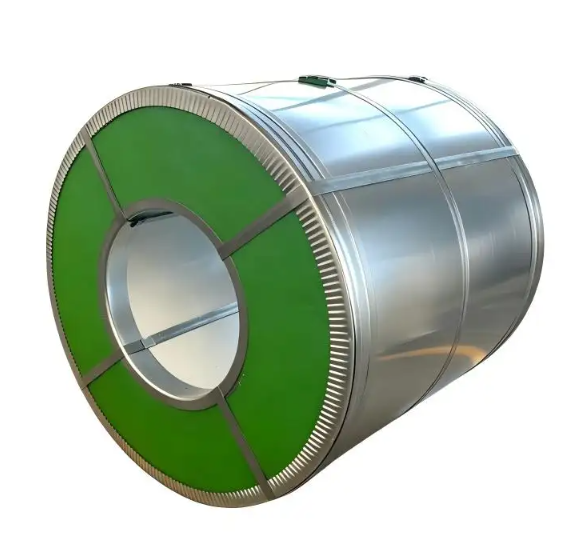
Learn why premium finish galvalume steel coil delivers better paint adhesion and visual consistency in finished building products. Request specs today.
2026/09/10
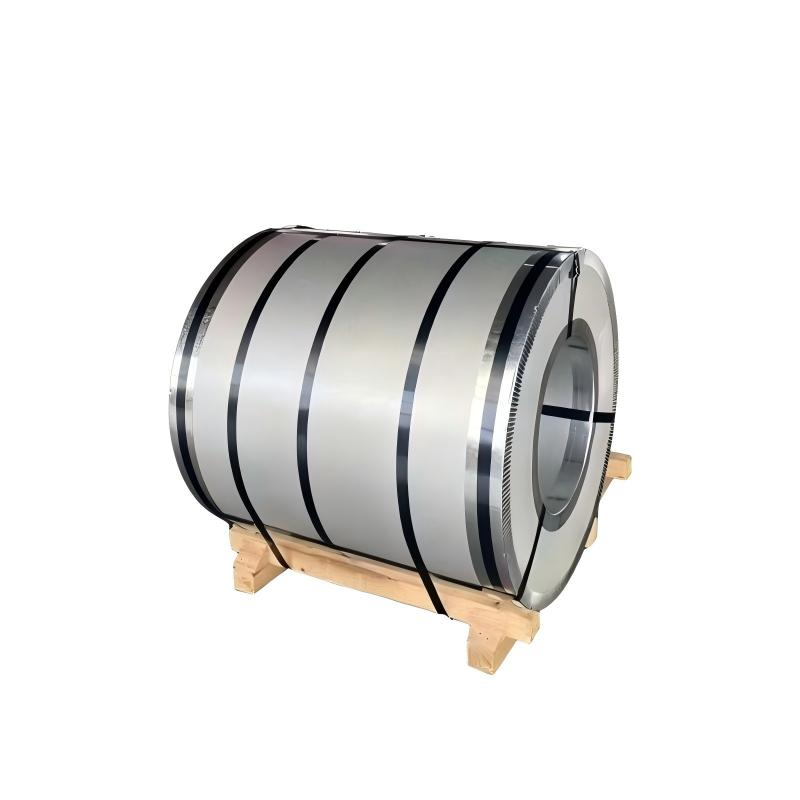
Learn why heavy coating galvalume steel coil provides superior corrosion resistance in harsh coastal settings and saves long-term maintenance costs.
2026/09/10
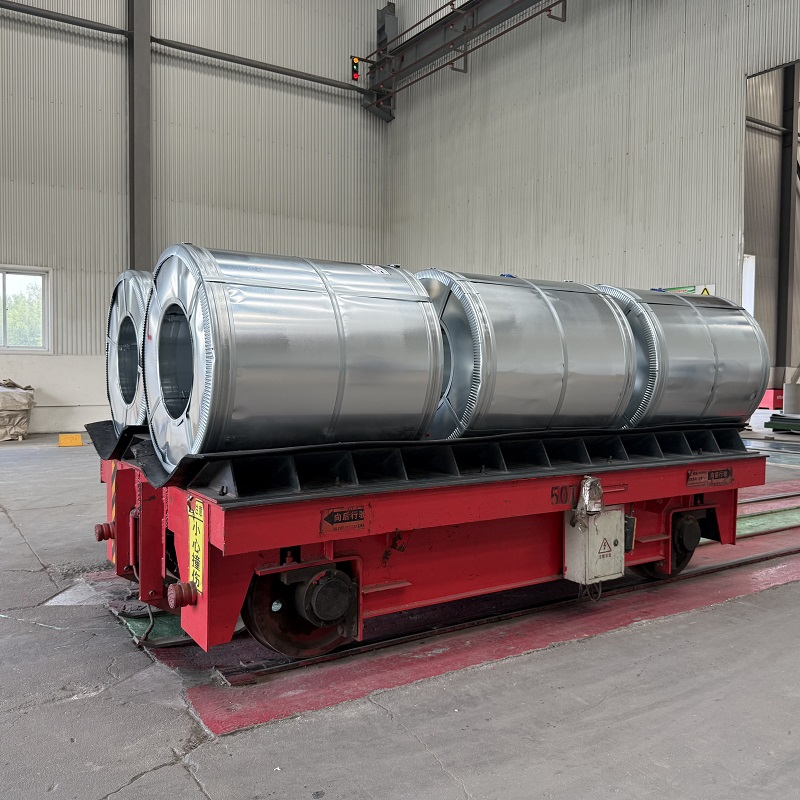
Learn how to test the bending performance of formable galvalume steel coil samples using T-bend testing to prevent cracking and scrap.
2026/09/10
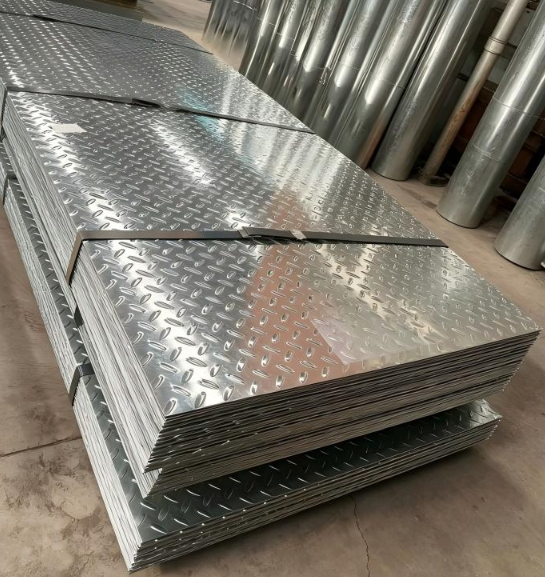
Discover how multi specification galvalume steel coil simplifies purchasing, boosts productivity, and lowers costs for metal fabricators.
2026/09/10
Discover why hot dipped galvanized steel and hot dip galvanized checkered plate offer ideal corrosion resistance and strength for road guardrails.
Covering green transformation, product comparison, selection guide, and industry empowerment, helping you fully grasp the dynamics of the color steel industry.

Global climate action and Belt and Road cooperation are driving the color steel industry’s shift toward green, sustainable development.

Comparing PPGI and PPGL across performance, durability, and applications to help you select the optimal coated steel for your project.
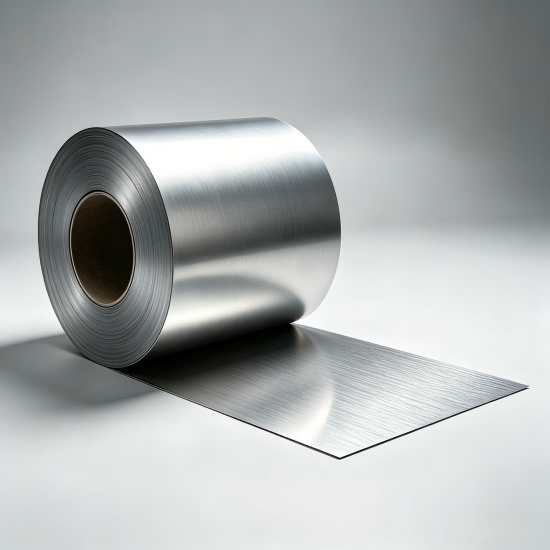
A practical guide to selecting and applying color steel coils, ensuring optimal performance, durability, and cost-effectiveness for your projects.
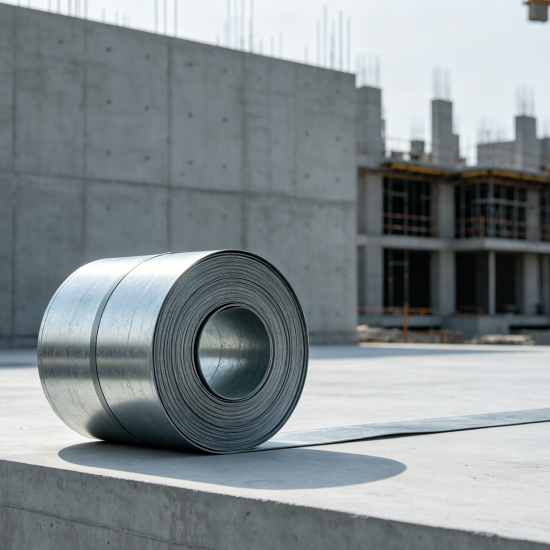
Industry forum drives digital and green transformation, empowering steel sector development through innovation and collaboration.