EN
EN

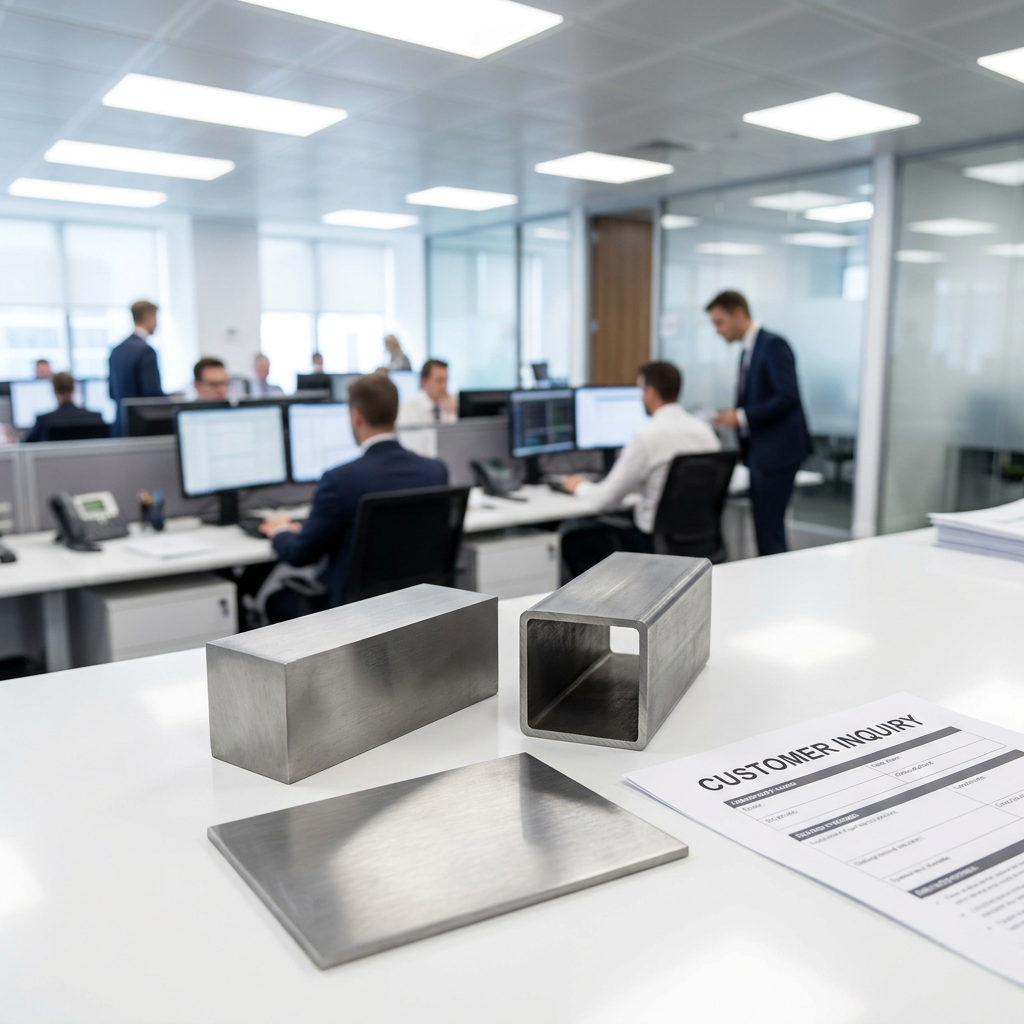
How to customize length size of precision cut GI coil finished sheets
2026/09/11
Learn how to specify precision cut GI coil sheets in custom lengths — tolerance selection, coating integrity, and ordering tips.
2026/08/07
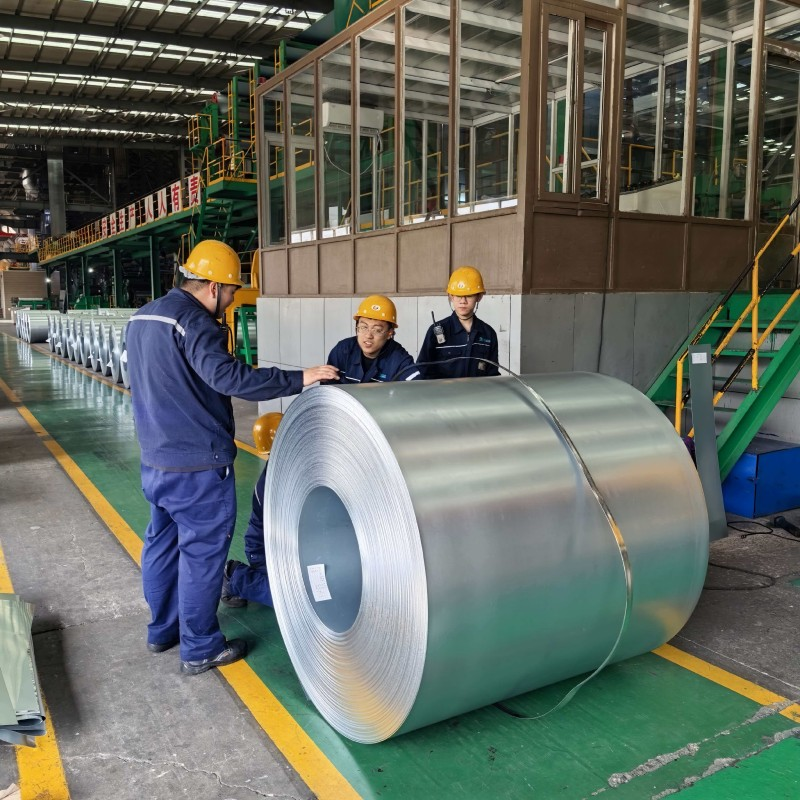
Designing a waterproof roof system with colour coated steel coil requires more than just selecting a visually appealing panel. Working on roofing projects across Southeast Asia and the Middle East shows that over 70 percent of steel roof leaks originate not from material defects, but from design failures in overlaps, drainage, and fastener detailing. A properly designed PPGI roof sheet system can deliver decades of weatherproof performance, but only when every component functions as an integrated water management setup.
A waterproof colour coated steel coil roof system follows three core principles. First, water must flow downhill at all times, which means a minimum roof pitch of 5 degrees for corrugated profiles and 2 degrees for standing seam profiles. Second, every joint and penetration must shed water rather than trap it, requiring properly designed overlaps with capillary breaks. Third, the PPGI roof sheet must maintain coating integrity throughout thermal cycling, as coating cracks allow moisture to reach the substrate and initiate under-film corrosion.
These principles involve precise calculations of rainfall intensity, panel run length, expansion joint placement, and fastener sealant compatibility. A frequent design failure involves using corrugated colour coated steel coil profiles on roof pitches below recommended thresholds, where wind-driven rain can travel upslope through the overlaps during heavy storms.
The profile of a PPGI roof sheet directly affects waterproofing performance. Corrugated profiles with periodic ribs offer good water shedding at moderate pitches but are vulnerable to capillary action at low slopes. Standing seam profiles conceal the fasteners and create a continuous water channel, offering superior waterproofing at pitches as low as 2 degrees. Trapezoidal ribbed profiles balance strength and drainage, making them suitable for most industrial applications.
The choice of profile should consider local rainfall intensity, roof geometry, and aesthetic requirements. For regions with heavy monsoon rainfall, standing seam options with proper rib spacing provide the most reliable water management for coil sheet roofing.
The following table compares three common PPGI roof sheet profiles used in waterproof roof system design, based on field performance data collected across multiple international projects.
| Profile Type | Minimum Pitch | Overlap Design | Fastener Exposure | Wind-Driven Rain Resistance | Best Application |
| Corrugated | 5 degrees | 1.5 corrugations | Exposed screws | Moderate | Agricultural, light industrial |
| Trapezoidal Rib | 3 degrees | 1 rib overlap | Semi-concealed | Good | Industrial, warehouse |
| Standing Seam | 2 degrees | Mechanically seamed | Fully concealed | Excellent | Commercial, high-rainfall zones |
The waterproof integrity of a colour coated steel coil roof depends heavily on overlap design and sealant strategy. Panel overlaps should face away from the prevailing wind direction, with a minimum overlap of 200 mm for pitches below 5 degrees and 150 mm for steeper roofs. Butyl rubber sealant tape applied between overlapping surfaces creates a flexible, long-lasting water barrier that accommodates thermal movement without cracking.
Mechanical fasteners must use EPDM rubber washers that maintain compression seal across temperature ranges. For instance, on a project in Indonesia utilizing a trapezoidal PPGI roof sheet system covering thousands of square meters, specifying butyl tape at every overlap prevented leaks completely over multiple monsoon seasons, outperforming comparable buildings with standard washers and no sealant tape.
Even the best PPGI roof sheet design fails without proper drainage integration. Gutters must be sized for the roof catchment area and local rainfall intensity, with adequate capacity per square meter of roof area. Downpipe spacing should be carefully calculated to prevent overflow during peak storms.
Roof penetrations for vents, skylights, and equipment require pre-formed flashing boots compatible with the colour coated steel coil coating system to prevent galvanic corrosion. Internal condensation management is equally important in humid climates, requiring a vapor barrier beneath the PPGI roof sheet and adequate roof space ventilation to prevent moisture accumulation on the underside of the panels.
A frequent waterproofing failure involves inadequate pitch combined with insufficient overlap. When colour coated steel coil panels are installed below the recommended minimum pitch, water does not flow fast enough to clear the overlaps, and wind pressure can drive water upward through the joint. Another common issue is fastener over-tightening, which deforms the EPDM washer and breaks the seal.
Training installation crews on correct torque settings and providing on-site quality verification prevents this issue. Finally, thermal movement without adequate expansion joints causes PPGI roof sheet panels to buckle and pull fasteners loose, creating entry points for water. Always calculate thermal expansion based on the temperature differential between installation conditions and maximum solar gain.
The minimum recommended pitch depends on the profile. Corrugated PPGI roof sheet requires at least 5 degrees, trapezoidal ribbed profiles need 3 degrees, and standing seam profiles can perform at 2 degrees. Below these minimums, water pooling and wind-driven rain penetration become significant risks.
A properly designed and installed PPGI roof sheet system with compatible sealants, correct pitch, and adequate drainage typically lasts 20 to 25 years before requiring significant maintenance. In mild climates with moderate rainfall, service life can extend even further.
Butyl rubber sealant tape is the industry standard for waterproof overlaps in steel coil roofing. It maintains flexibility across temperature ranges, bonds well to polyester and PVDF coatings, and does not cure hard like silicone, allowing continuous movement accommodation.
Waterproof roof systems built with colour coated steel coil demand integrated design thinking where every component from PPGI roof sheet profile to fastener washer works together. The difference between a leak-prone roof and a durable, weatherproof system lies in pitch calculation, overlap strategy, sealant selection, and overall steel roof system design. Shenyang Yuanhe manufactures premium PPGI roof sheet options in corrugated, trapezoidal, and standing seam profiles with custom coating colors and thickness options, supported by expert coil sheet roofing consulting, advanced manufacturing capabilities, and a stringent three-tier quality control system that verifies coating adhesion and profile dimensional accuracy before shipment.
2026/09/11
Learn how to specify precision cut GI coil sheets in custom lengths — tolerance selection, coating integrity, and ordering tips.
2026/09/11
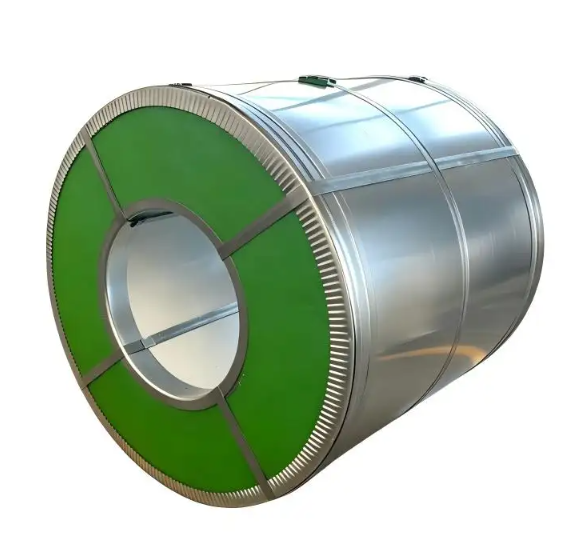
Learn why premium finish galvalume steel coil delivers better paint adhesion and visual consistency in finished building products. Request specs today.
2026/09/10
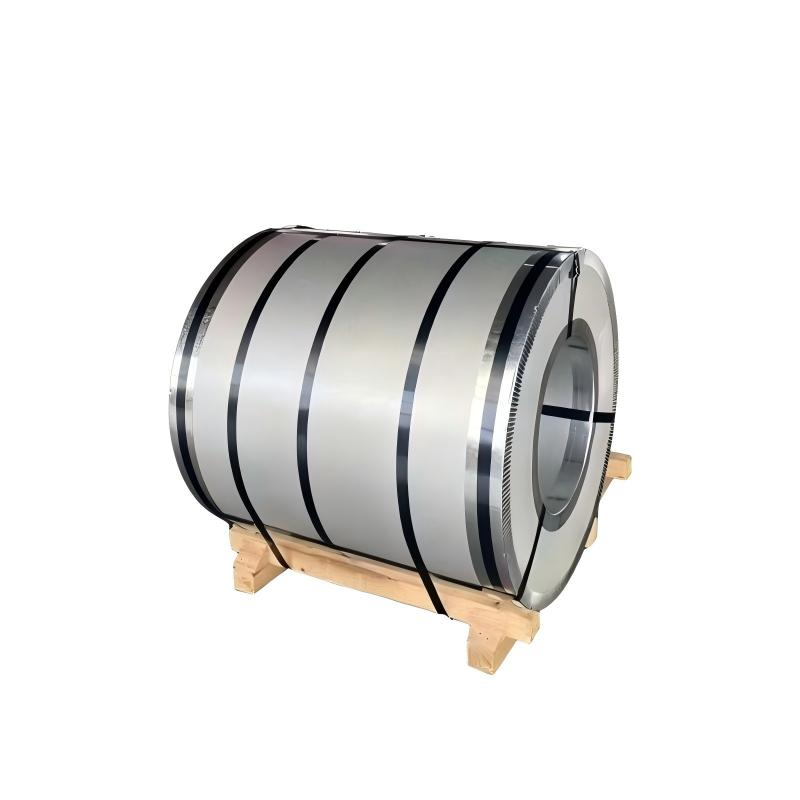
Learn why heavy coating galvalume steel coil provides superior corrosion resistance in harsh coastal settings and saves long-term maintenance costs.
2026/09/10
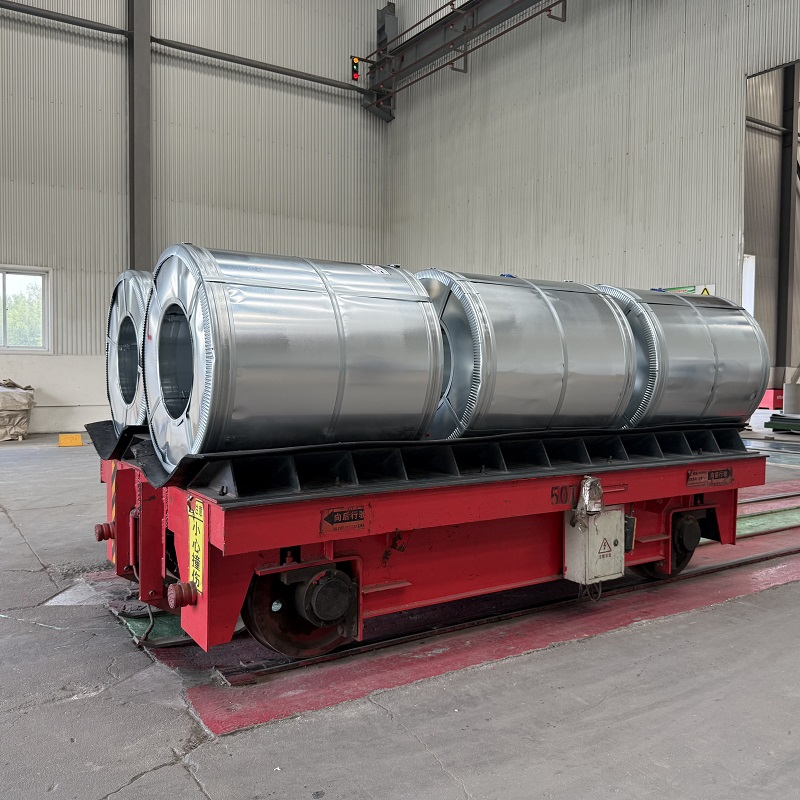
Learn how to test the bending performance of formable galvalume steel coil samples using T-bend testing to prevent cracking and scrap.
2026/09/10
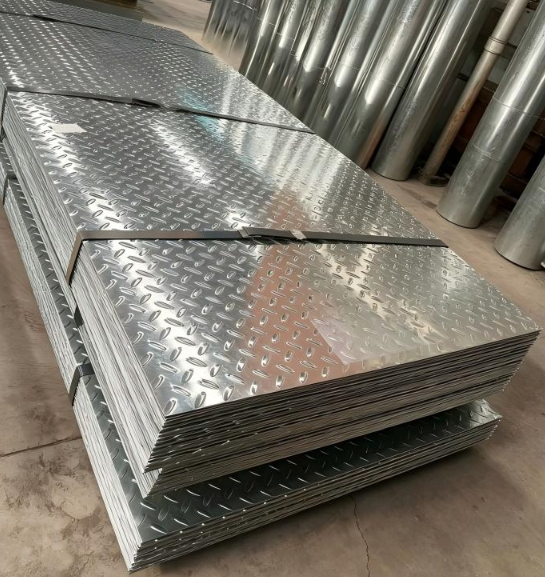
Discover how multi specification galvalume steel coil simplifies purchasing, boosts productivity, and lowers costs for metal fabricators.
2026/09/10
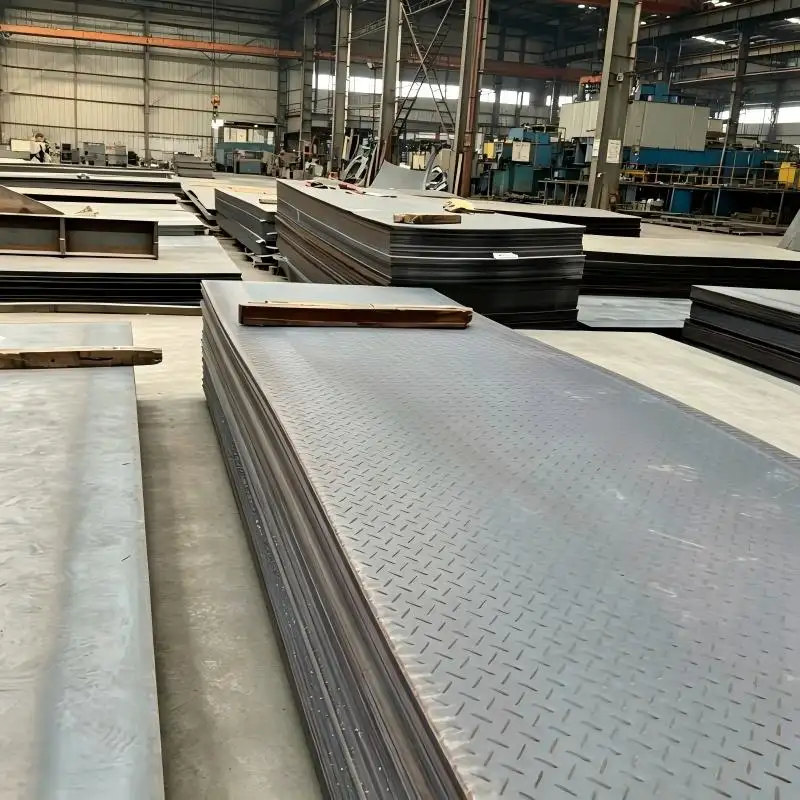
Discover why hot dipped galvanized steel and hot dip galvanized checkered plate offer ideal corrosion resistance and strength for road guardrails.
Covering green transformation, product comparison, selection guide, and industry empowerment, helping you fully grasp the dynamics of the color steel industry.

Global climate action and Belt and Road cooperation are driving the color steel industry’s shift toward green, sustainable development.

Comparing PPGI and PPGL across performance, durability, and applications to help you select the optimal coated steel for your project.
A practical guide to selecting and applying color steel coils, ensuring optimal performance, durability, and cost-effectiveness for your projects.
Industry forum drives digital and green transformation, empowering steel sector development through innovation and collaboration.