EN
EN

How to customize length size of precision cut GI coil finished sheets
2026/09/11
Learn how to specify precision cut GI coil sheets in custom lengths — tolerance selection, coating integrity, and ordering tips.
2026/09/10
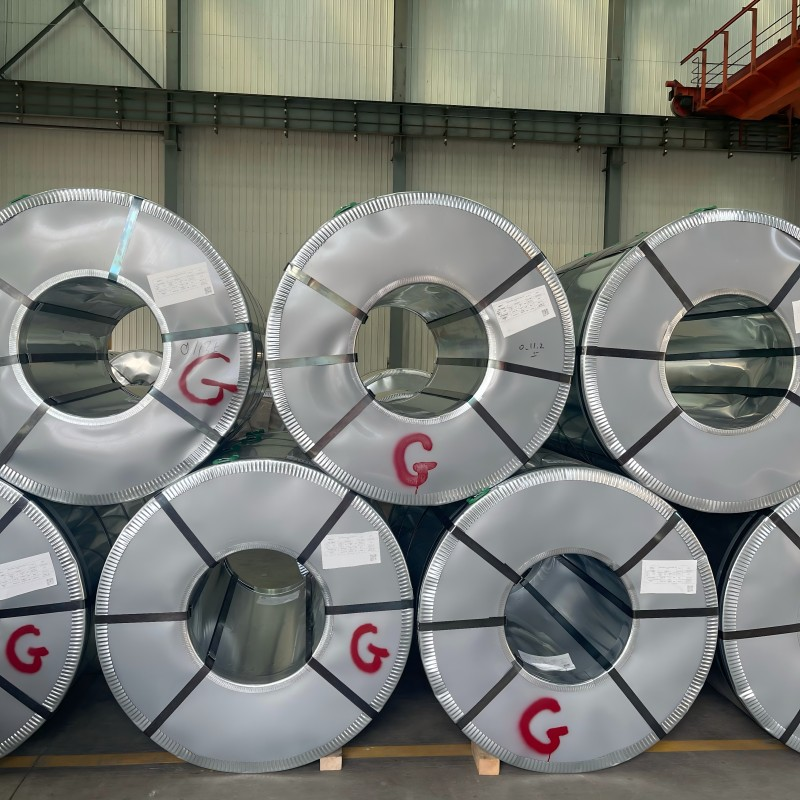
Waterproofing remains one of the toughest challenges in modern commercial and industrial construction. Even tiny design oversights at joints, fasteners, or flashing locations can allow water infiltration. Over time, moisture penetration degrades insulation, accelerates internal structural rust, and triggers expensive facility downtime. Building a reliable envelope requires looking beyond basic panel profiles. Long-term watertight performance starts at the raw material level, specifically through carefully engineered custom PPGL coil sheets.
Pre-painted galvalume steel coil products bring together structural toughness and long-lasting barrier protection. However, generic off-the-shelf options rarely hold up in demanding environments like coastal zones or high-humidity tropical regions. Choosing the right coating weights, paint chemistries, and installation methods makes all the difference when constructing waterproof metal wall panels that stand up to harsh weather year after year.
Standard pre-painted galvalume steel coil combines an aluminum-zinc alloy substrate—typically composed of 55% aluminum, 43.4% zinc, and 1.6% silicon—with a factory-applied multi-layer coating system. This metallic composition gives the underlying steel dual-layer defense. The aluminum portion creates a physical barrier against atmospheric corrosion, while the zinc offers sacrificial cathodic protection whenever scratches occur during transport or field cutting.
For wall panels facing continuous wind-driven rain or elevated humidity, substrate specification is critical. Standard AZ100 coatings work fine for mild inland climates, but specifying an AZ150 galvalume steel coil substrate delivers vastly superior durability. In standard salt spray testing, AZ150 substrates demonstrate two to three times the corrosion resistance of lighter coatings, preventing rust creep around cut edges and fastener penetrations that could otherwise compromise water seal integrity.
While the metallic core prevents base corrosion, the topcoat takes the initial impact of moisture, UV rays, and air pollutants. Polyester paints are common for basic construction, but high-performance wall systems rely heavily on PVDF topcoats.
Polyvinylidene fluoride forms an extraordinarily dense, non-porous finish. Unlike standard polyester resins, PVDF resists water absorption and chemical breakdown under hot, humid conditions. In accelerated water immersion trials, PVDF-coated custom PPGL coil surfaces maintain finish stability past 1,500 hours without surface blistering, whereas standard finishes often begin breaking down much earlier. Adding a thick polyurethane primer underneath the topcoat further strengthens coating adhesion and stops micro-fissures from opening up during panel roll-forming.
Consider a major 15,000-square-meter industrial facility located in Ho Chi Minh City, Vietnam. Operating in a climate with average relative humidity near 80% alongside seasonal monsoon deluges, the envelope needed to stay completely dry for 15 years without heavy routine maintenance.
The technical team selected a custom PPGL coil specification engineered for tropical demands:
| Coating & Substrate Structure | Specific Specification |
|---|---|
| Substrate | AZ150 Galvalume Steel Coil |
| Topcoat Finish | 25-micron PVDF |
| Primer Layer | 5-micron Polyurethane Primer |
| Back Coat | 10-micron Epoxy Backer |
This complete coating architecture successfully prevented moisture penetration and coating chalking. Even when installation crews created minor surface scratches on-site, the thick AZ150 galvalume steel coil base prevented rust spreading under the paint film, preserving both structural strength and aesthetic appeal.
Even premium material specifications can fail if jobsite installation overlooks basic physics. Field experience across industrial project sites points to three practical steps that protect building envelopes from water entry:
Choosing high-spec custom PPGL coil carries a higher upfront material price than buying standard commercial grades. However, evaluating total building lifecycle costs tells a different story.
Standard panels in high-moisture zones often demand repainting, seam repairs, or partial replacements within 7 to 10 years. In contrast, heavy-coated custom PPGL coil systems routinely deliver 20-year service lifecycles with minimal upkeep. Factoring in avoided maintenance calls, interior structural protection, and uninterrupted facility operations, high-performance panel materials yield a lower total cost of ownership over two decades, making the initial investment pay back quickly.
Building durable wall systems requires close collaboration between engineering teams and dependable manufacturing partners. Shenyang Yuanhe Steel Trading Co., Ltd. specializes in producing customized PPGL coil and galvalume steel coil products designed to meet demanding architectural specifications. By backing every order with full-service supply chain support, quality control checks, and overseas delivery logistics, Yuanhe Steel helps contractors and project developers build watertight, corrosion-resistant building envelopes that stand up to the elements over the long haul.
2026/09/11
Learn how to specify precision cut GI coil sheets in custom lengths — tolerance selection, coating integrity, and ordering tips.
2026/09/11
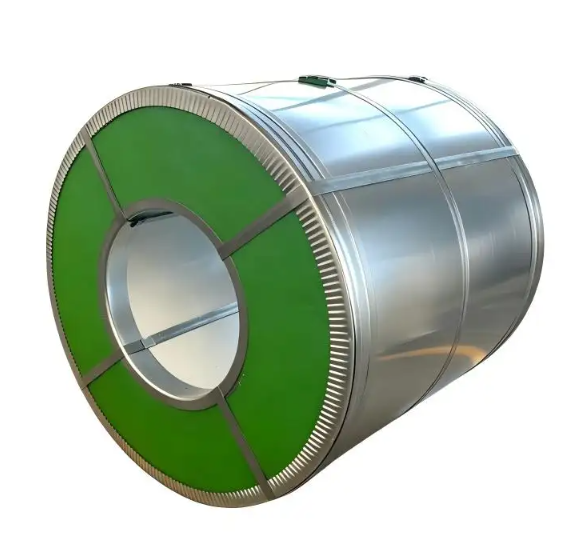
Learn why premium finish galvalume steel coil delivers better paint adhesion and visual consistency in finished building products. Request specs today.
2026/09/10
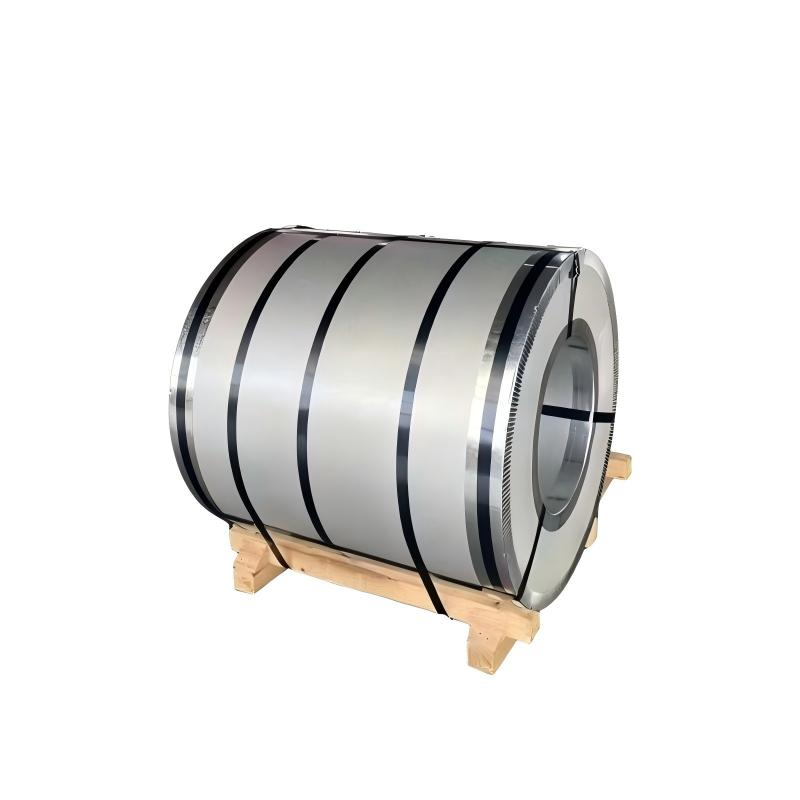
Learn why heavy coating galvalume steel coil provides superior corrosion resistance in harsh coastal settings and saves long-term maintenance costs.
2026/09/10
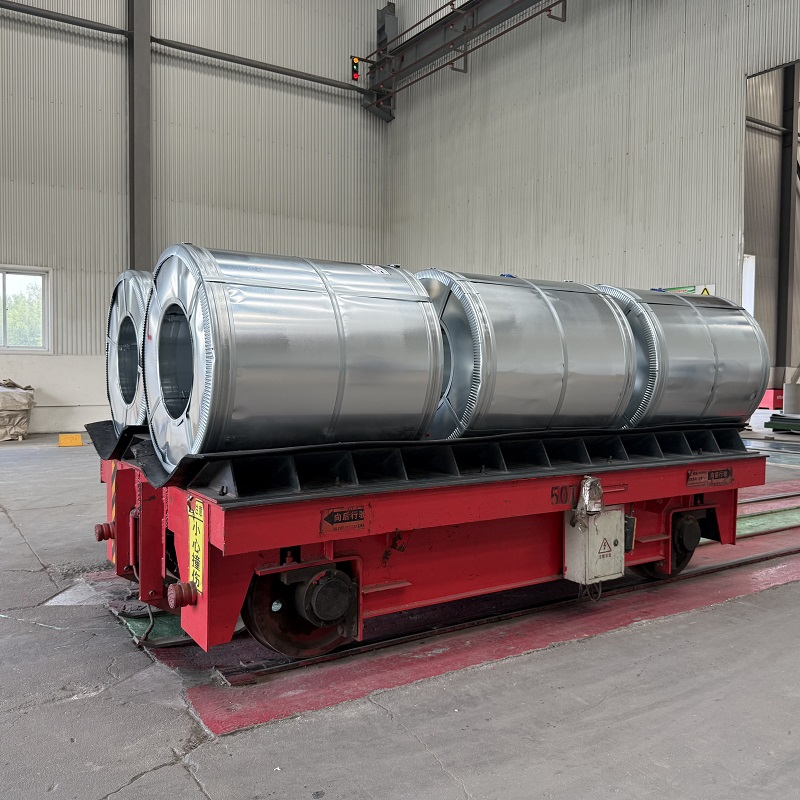
Learn how to test the bending performance of formable galvalume steel coil samples using T-bend testing to prevent cracking and scrap.
2026/09/10
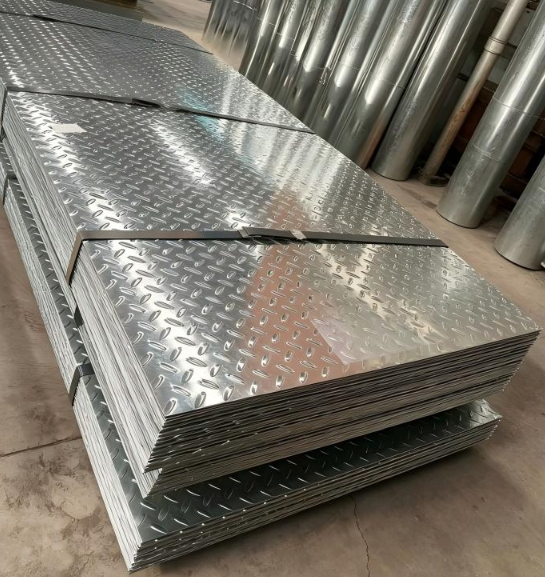
Discover how multi specification galvalume steel coil simplifies purchasing, boosts productivity, and lowers costs for metal fabricators.
2026/09/10
Discover why hot dipped galvanized steel and hot dip galvanized checkered plate offer ideal corrosion resistance and strength for road guardrails.
Covering green transformation, product comparison, selection guide, and industry empowerment, helping you fully grasp the dynamics of the color steel industry.
Global climate action and Belt and Road cooperation are driving the color steel industry’s shift toward green, sustainable development.
Comparing PPGI and PPGL across performance, durability, and applications to help you select the optimal coated steel for your project.
A practical guide to selecting and applying color steel coils, ensuring optimal performance, durability, and cost-effectiveness for your projects.
Industry forum drives digital and green transformation, empowering steel sector development through innovation and collaboration.