EN
EN

How to customize length size of precision cut GI coil finished sheets
2026/09/11
Learn how to specify precision cut GI coil sheets in custom lengths — tolerance selection, coating integrity, and ordering tips.
2026/08/02
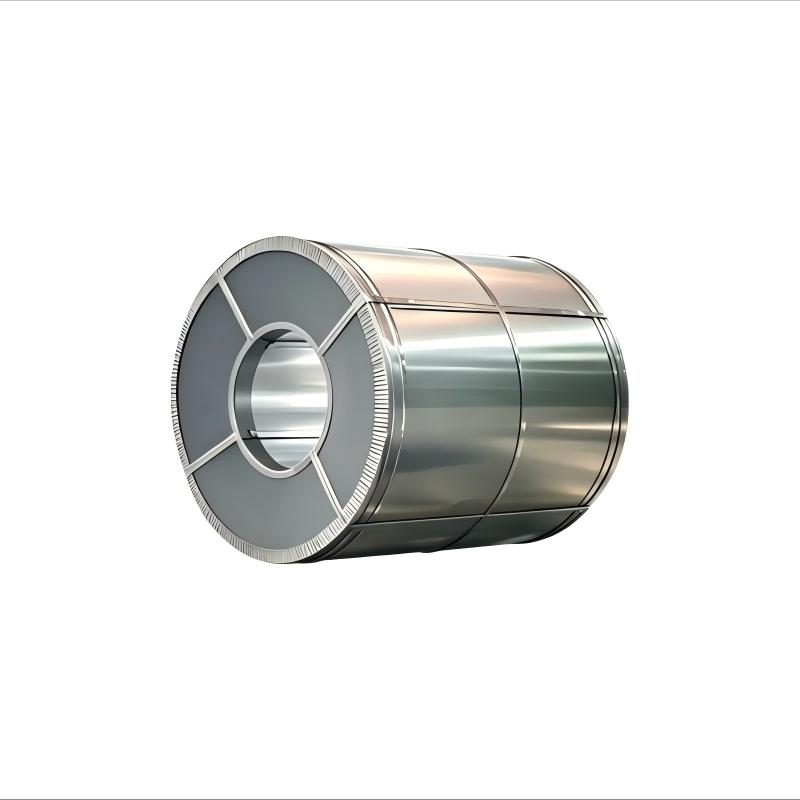
The zinc coating on GI coil framing provides decades of corrosion protection. Specifying GI coil with appropriate coating weight for the exposure environment ensures the design service life is achieved. Metal building frames fabricated from GI coil have become the standard structural solution for warehouses, agricultural buildings, retail showrooms, and light industrial facilities across the world. The reasons are well documented: galvanized steel sheet framing is lighter than hot-rolled structural steel, faster to assemble than reinforced concrete, and inherently resistant to the corrosion that plagues unprotected steel in humid or semi-exposed environments.
However, the design process that transforms a master coil of galvanized steel into a precisely engineered building frame involves material selection choices, structural calculation decisions, and connection design details that directly determine whether the completed building will withstand its design loads for decades or develop serviceability problems early on. For structural engineers, architects, and building contractors evaluating custom fabrication gi coil for framing projects, understanding the essential design parameters, material specifications, and practical detailing considerations separates a well-engineered metal building frame from one that merely looks adequate on the drawing board. Yuanhe PPGI provides superior industrial solutions and comprehensive supply chain support to streamline these structural applications.
GI coil selected for structural framing must carry guaranteed mechanical properties. Cold-formed steel fabricated from GI coil delivers predictable performance when designed to strict industry standards.
Custom fabrication gi coil services allow builders to order exact strip widths matched to roll-forming equipment. Using custom fabrication gi coil pre-slit to specification eliminates secondary slitting operations and reduces material handling costs. The starting point for any metal frame design using galvanized steel sheet is the material specification. The steel substrate grade determines the design yield strength and ultimate tensile strength that the structural engineer uses in all subsequent calculations. Common structural grades for GI coil include ASTM A653 Grade 33, Grade 37, Grade 50, and Grade 80, with yield strengths ranging widely to fit different project requirements. For wall studs, roof truss chords, and secondary framing members, Grade 50 represents the most common specification, providing a balance of strength, formability, and cost.
The zinc coating weight on the GI coil is equally critical. The standard designation G60 corresponds to approximately 180 grams per square meter of total zinc coating on both sides, while G90 provides approximately 275 grams per square meter. For interior framing in dry, climate-controlled buildings, G40 or G60 is generally sufficient. For exterior wall framing, semi-exposed applications, or buildings in humid climates, specify G90 as a minimum. A reliable custom fabrication gi coil supplier should be able to provide substrate grade and coating weight options across this full range, along with mill test certificates documenting actual achieved mechanical properties and coating weights for each production lot.
Unlike hot-rolled structural steel, where sections are produced by rolling red-hot billets through shaped rolls, galvanized steel sheet framing members are cold-formed at ambient temperature by passing flat GI coil strip through a series of progressive roll-forming stations. This cold-working process increases the yield strength of the formed corners through strain hardening, a phenomenon recognized in international design standards. The design engineer can take advantage of this strength increase by using the post-forming average yield strength rather than the virgin material yield strength for members where the corners constitute a significant portion of the cross-section.
Load path continuity is particularly critical in cold-formed steel framing because individual members are relatively slender compared with hot-rolled sections. Every gravity load and every wind uplift or lateral load must have a continuous, verifiable path from its point of application through the framing members and connections to the foundation. Common design errors involve missing load paths: roof purlins that carry gravity load to the truss top chord but whose bottom chord lacks lateral bracing to resist wind suction reversal, or wall studs that transfer vertical load correctly but whose flange bracing is omitted at the mid-height point. A thorough load path diagram, tracing every force from cladding to concrete, is a vital quality-control tool in cold-formed steel design.
Galvanized steel sheet with G90 coating provides robust corrosion protection for framing. Specifying galvanized steel sheet from structural-grade substrate ensures framing meets design strength requirements.
Connections in custom fabrication gi coil framing systems are predominantly made with self-drilling screws, a fastening technology that has largely replaced welding in light-gauge steel construction. Screw connections must be designed for specific failure modes that govern thin-galvanized-steel assemblies: screw shear failure, bearing failure of the connected sheets, tilting and pull-out, and tear-out of the screw from the edge of the sheet.
The screw diameter, thread pitch, and penetration depth all affect connection strength, and design values published in engineering standards are based on specific screw types tested to standardized protocols. Substituting a generic screw for a specified structural screw can reduce connection strength significantly, a margin that often falls outside any reasonable factor of safety. Proper fastener selection ensures that the entire structural frame maintains its integrity under high wind and seismic events.
Can I use standard GI coil for structural framing, or do I need a special structural grade? For load-bearing framing members, specify a structural grade such as ASTM A653 Grade 50. Standard commercial-quality galvanized steel sheet does not carry guaranteed mechanical properties and should never be used for primary structural members. The mill test certificate is your proof that the material meets the specified structural grade.
What is the maximum span achievable with cold-formed GI coil trusses? Clear spans of 18 to 24 meters are routinely achieved with cold-formed steel roof trusses fabricated from GI coil in standard thickness ranges. Spans up to 30 meters are possible with deeper truss sections and higher-strength grades, but the truss depth begins to impose ceiling height penalties at these spans. Beyond 30 meters, hot-rolled structural steel or built-up sections typically become more economical.
How should I protect GI coil framing that will be exposed during the construction period? Specify G90 zinc coating as a minimum for any framing that will see construction-period weather exposure. Store fabricated members off the ground on timber dunnage with plastic sheeting cover that allows air circulation. Inspect for white rust formation weekly during extended exposure periods, and treat any affected areas with a zinc-rich repair compound before closing in the building envelope.
Delivering resilient metal building frames starts with premium raw materials and expert technical support. Yuanhe PPGI provides top-tier galvanized coils, advanced custom fabrication solutions, and dependable supply chain services to help builders achieve structural integrity and long-term durability worldwide.
2026/09/11
Learn how to specify precision cut GI coil sheets in custom lengths — tolerance selection, coating integrity, and ordering tips.
2026/09/11
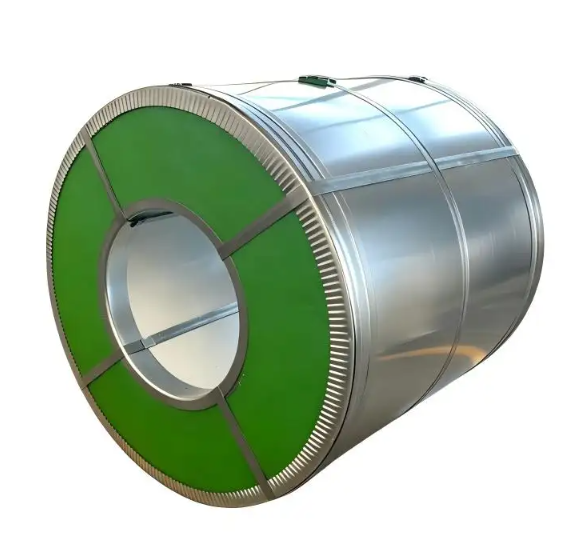
Learn why premium finish galvalume steel coil delivers better paint adhesion and visual consistency in finished building products. Request specs today.
2026/09/10
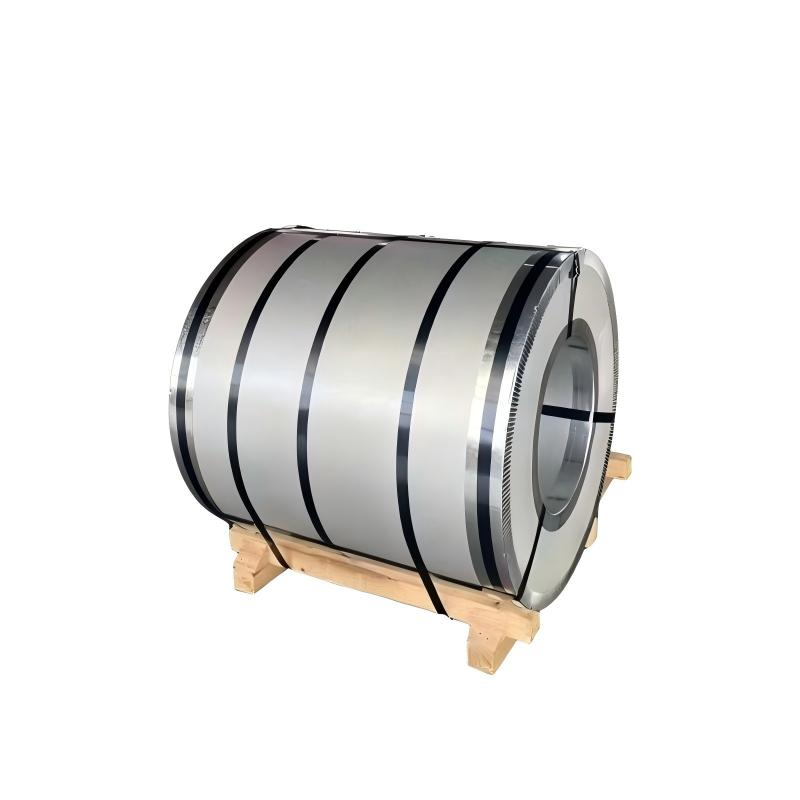
Learn why heavy coating galvalume steel coil provides superior corrosion resistance in harsh coastal settings and saves long-term maintenance costs.
2026/09/10
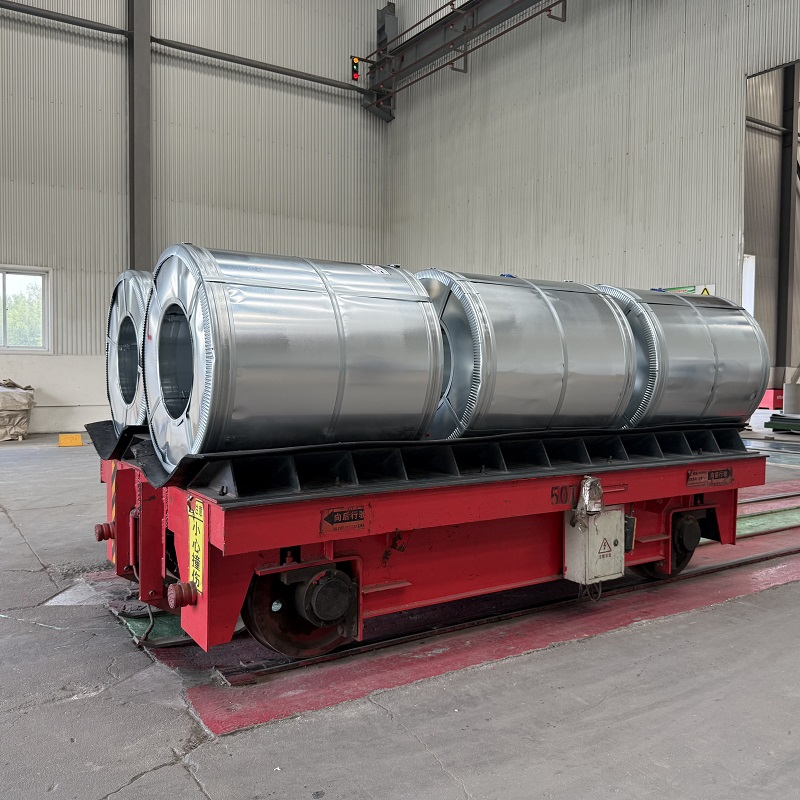
Learn how to test the bending performance of formable galvalume steel coil samples using T-bend testing to prevent cracking and scrap.
2026/09/10
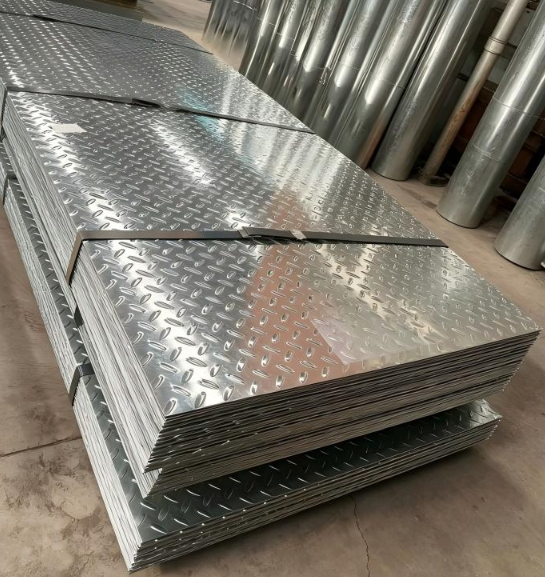
Discover how multi specification galvalume steel coil simplifies purchasing, boosts productivity, and lowers costs for metal fabricators.
2026/09/10
Discover why hot dipped galvanized steel and hot dip galvanized checkered plate offer ideal corrosion resistance and strength for road guardrails.
Covering green transformation, product comparison, selection guide, and industry empowerment, helping you fully grasp the dynamics of the color steel industry.

Global climate action and Belt and Road cooperation are driving the color steel industry’s shift toward green, sustainable development.

Comparing PPGI and PPGL across performance, durability, and applications to help you select the optimal coated steel for your project.
A practical guide to selecting and applying color steel coils, ensuring optimal performance, durability, and cost-effectiveness for your projects.
Industry forum drives digital and green transformation, empowering steel sector development through innovation and collaboration.