EN
EN

How to customize length size of precision cut GI coil finished sheets
2026/09/11
Learn how to specify precision cut GI coil sheets in custom lengths — tolerance selection, coating integrity, and ordering tips.
2026/08/14
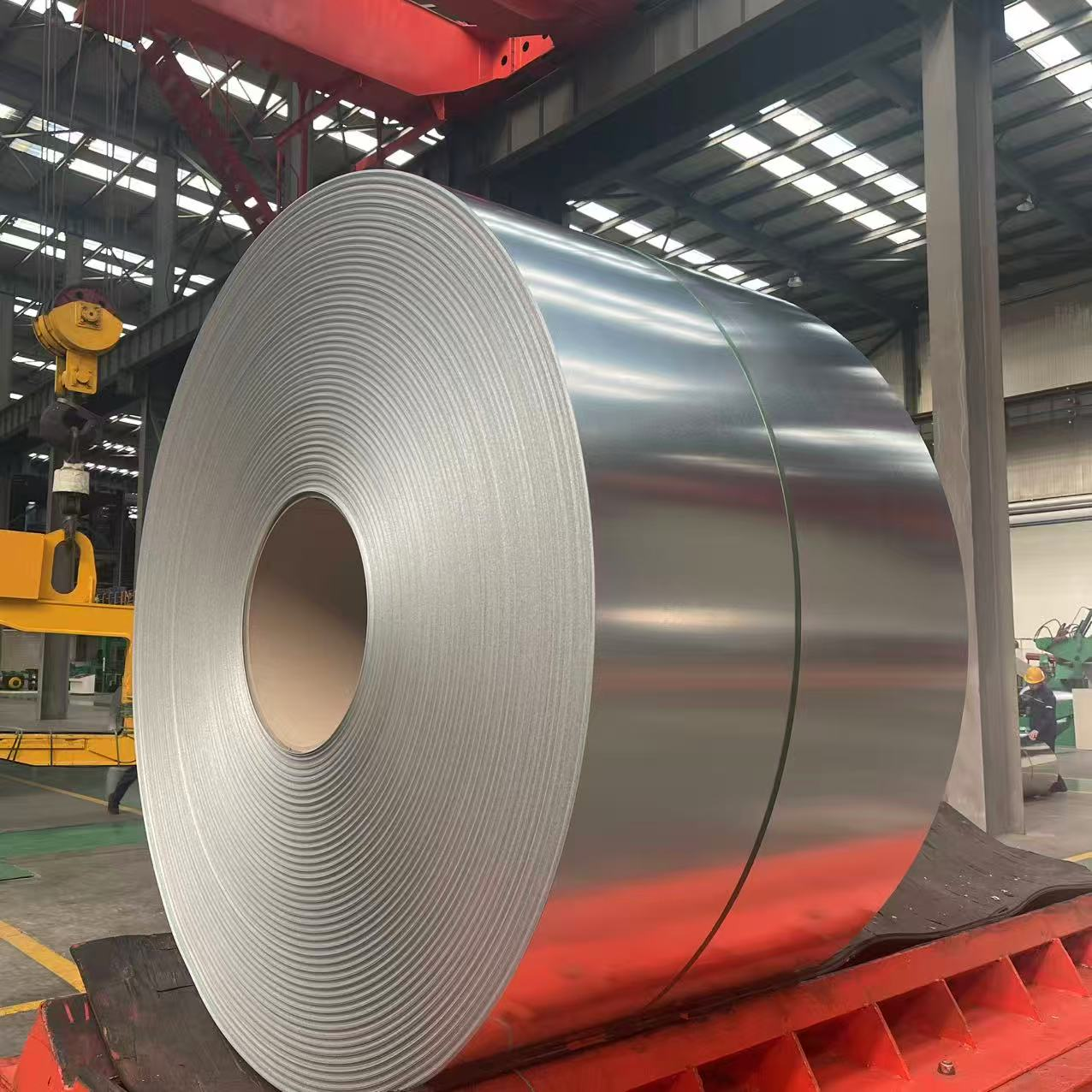
Rainwater management systems demand materials that handle constant moisture, severe temperature swings, and mechanical shaping without failing. When building custom drainage systems, metal gutter fabricators need reliable coil raw materials that blend high structural strength with long-term atmospheric corrosion resistance.
This is where PPGL coil—prepainted galvalume steel coil—outperforms standard choices. Featuring a protective alloy layer of 55% aluminum, 43.5% zinc, and 1.5% silicon beneath a factory-applied paint coat, this material delivers impressive longevity. For manufacturers running custom fabrication PPGL coil lines, it provides an efficient, ready-to-form substrate that eliminates post-painting steps while keeping finished gutters looking clean for decades.
Understanding why PPGL coil excels in metal gutter applications starts with its unique metallic coating chemistry:
Passive Barrier Protection: The aluminum portion of the alloy creates a tough oxide film that shields the steel base against acidic rainwater and industrial pollutants.
Sacrificial Edge Defense: The zinc content offers active cathodic protection. When cutters or shears slice through the metal, zinc sacrificed at the bare edge prevents rust from creeping underneath the paint layer.
This double-action barrier helps a custom PPGL metal gutter handle standing water and trapped wet debris far better than conventional prepainted galvanized steel. In typical environments, these systems easily maintain a service life of 25 to 35 years with minimal maintenance.
Choosing the right thickness and paint formulation depends on the complexity of the profile and the local climate. Using coil raw materials that are too thin can cause sagging between roof brackets, while excessively thick steel increases wear on roll-forming dies and complicates tighter bends.
| Application Type | Recommended PPGL Coil Thickness | Ideal Coating System | Minimum Bend Radius | Recommended Bracket Spacing | Estimated Service Life |
| Residential K-Style | 0.40 mm – 0.50 mm | PE / SMP | 3T | 0.6 m – 0.8 m | 20 – 25 Years |
| Half-Round Standard | 0.40 mm – 0.45 mm | Polyester (PE) | 3T | 0.6 m | 20 – 25 Years |
| Commercial Box Profile | 0.50 mm – 0.60 mm | Silicon Modified Polyester (SMP) | 2T | 0.8 m – 1.0 m | 25 – 30 Years |
| Industrial High-Capacity | 0.60 mm – 0.70 mm | SMP / PVDF | 2T | 1.0 m – 1.2 m | 30 – 35 Years |
| Architectural Custom Profile | 0.50 mm – 0.60 mm | Polyvinylidene Fluoride (PVDF) | 2T | 0.8 m | 30 – 40 Years |
Matching thickness and paint systems to the structural load ensures the gutter fabrication run delivers clean profiles without surface cracking or oil-canning along the face.
Transforming flat coil raw materials into durable gutter systems involves a continuous fabrication process where precision handling keeps the factory finish intact:
Before feeding material into forming equipment, technicians check the surface for edge burrs or transportation scuffs. High-grade custom fabrication PPGL coil arrives with protective films that safeguard topcoats during initial setup.
Whether using high-speed roll-forming machines or press brakes for unique architectural profiles, tools should feature polished steel, chrome, or polyurethane-coated rollers. This prevents metal-on-metal friction from marking the painted finish during tight bends.
Hydraulic shears or high-speed cold saws with specialized blades cut profiles to size cleanly. Shearing creates a clean edge that allows the zinc-aluminum matrix to self-heal, avoiding rough burrs that could scratch adjacent metal sections during assembly.
Connecting long gutter runs requires flexible butyl sealants matched with blind rivets or self-tapping stainless steel screws equipped with weather-resistant EPDM washers. Using compatible hardware stops galvanic reaction points between dissimilar metals.
Fabricating custom metal gutter components requires careful attention to thermal movement and water flow. Steel expands and contracts noticeably with daily temperature swings, shifting roughly 1.2 millimeters per meter across a 50-degree Celsius range.
Thermal Expansion Joints: Continuous runs longer than 12 meters need dedicated expansion joints to prevent buckling, warped sightlines, or torn sealant seams.
Solar Heat Gain: Darker paint coats retain more heat, leading to higher thermal movement. Selecting lighter-toned PPGL coil in hot regions reduces surface stress and keeps long profiles straight.
Drainage Pitch: Installing gutters with a continuous slope of at least 1:200 ensures rainwater flows freely toward downspouts, preventing long-term standing water that accelerates paint wear.
Procurement teams frequently compare prepainted galvalume against solid aluminum when sourcing coil raw materials for drainage projects. Both options resist corrosion well, but they fill distinct performance needs:
Structural Rigidity: Steel-based PPGL coil boasts higher yield strength, making it far less prone to denting from heavy ladders or sagging under heavy snow loads.
Formability and Cost: Aluminum is lighter and highly rustproof in harsh marine air, but it comes at a noticeably higher material cost. PPGL coil provides an economical, stiff alternative that performs reliably across residential, commercial, and industrial sites.
Preserving the factory finish during custom fabrication PPGL coil work depends on simple quality control habits:
Mind the Bend Radius: Standard polyester coatings handle tight bends down to 3T smoothly. For sharp architectural profiles requiring 2T or 1T bends, specify flexible SMP or PVDF topcoats to avoid microscopic paint cracking.
Keep Forming Dies Clean: Wipe down roll-forming dies frequently to clear away metallic dust or debris that can score prepainted surfaces.
Store Coils Properly: Keep unformed coil stock inside dry, climate-controlled warehouses. If outdoor storage is unavoidable, slant the coils slightly so ambient moisture drains off freely rather than sitting between metal layers.
Producing resilient, precision-formed drainage components demands consistent substrate quality, exact paint thickness, and strong corrosion performance across every lot. Slight variations in base metal temper or coating flexibility can lead to paint flaking during bending or premature rusting at job sites.
Shenyang Yuanhe produces top-grade PPGL coil manufactured on continuous galvalume and color-coating lines. By combining strict quality control with tailored supply chain solutions, the enterprise supplies reliable prepainted steel raw materials designed to keep custom gutter fabrication lines running smoothly across global markets.
2026/09/11
Learn how to specify precision cut GI coil sheets in custom lengths — tolerance selection, coating integrity, and ordering tips.
2026/09/11
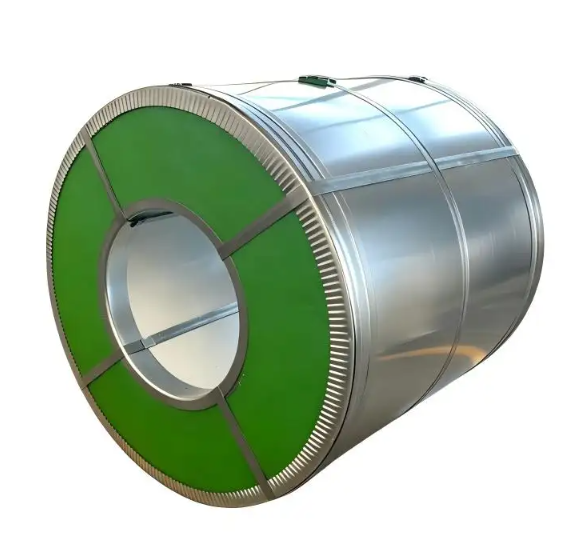
Learn why premium finish galvalume steel coil delivers better paint adhesion and visual consistency in finished building products. Request specs today.
2026/09/10
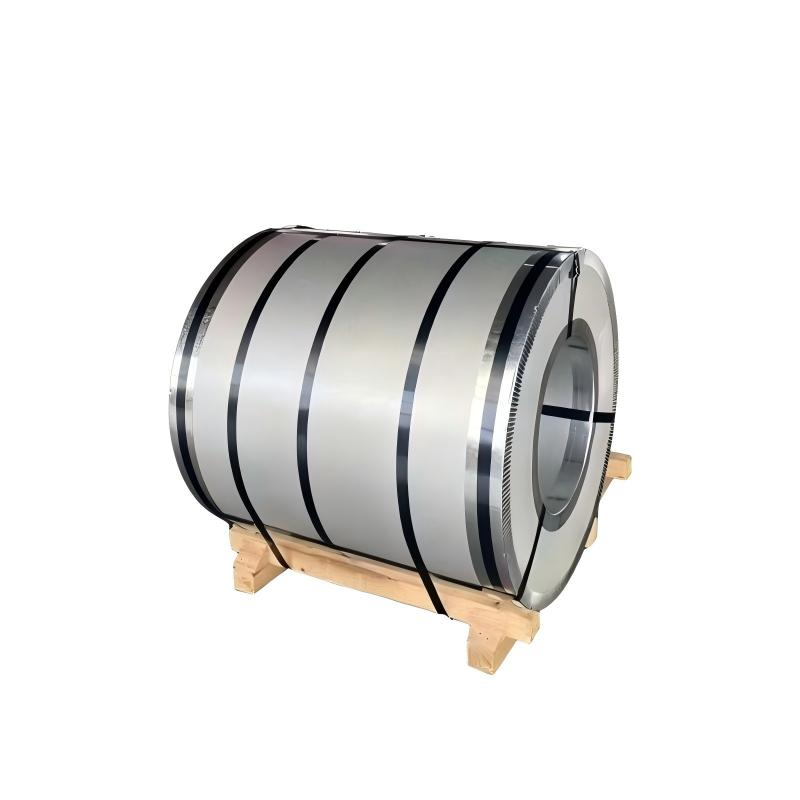
Learn why heavy coating galvalume steel coil provides superior corrosion resistance in harsh coastal settings and saves long-term maintenance costs.
2026/09/10
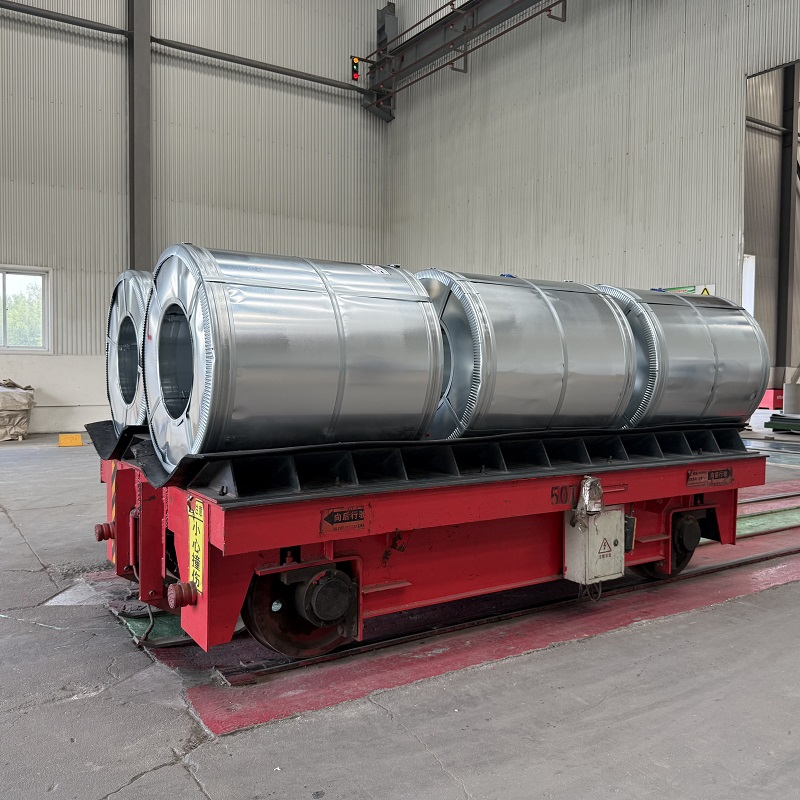
Learn how to test the bending performance of formable galvalume steel coil samples using T-bend testing to prevent cracking and scrap.
2026/09/10
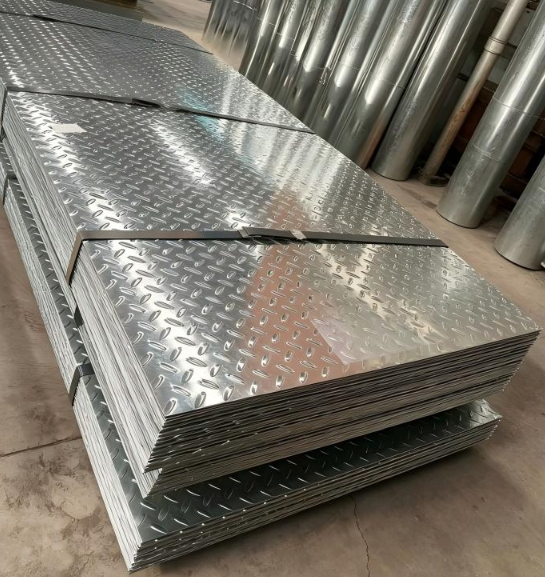
Discover how multi specification galvalume steel coil simplifies purchasing, boosts productivity, and lowers costs for metal fabricators.
2026/09/10
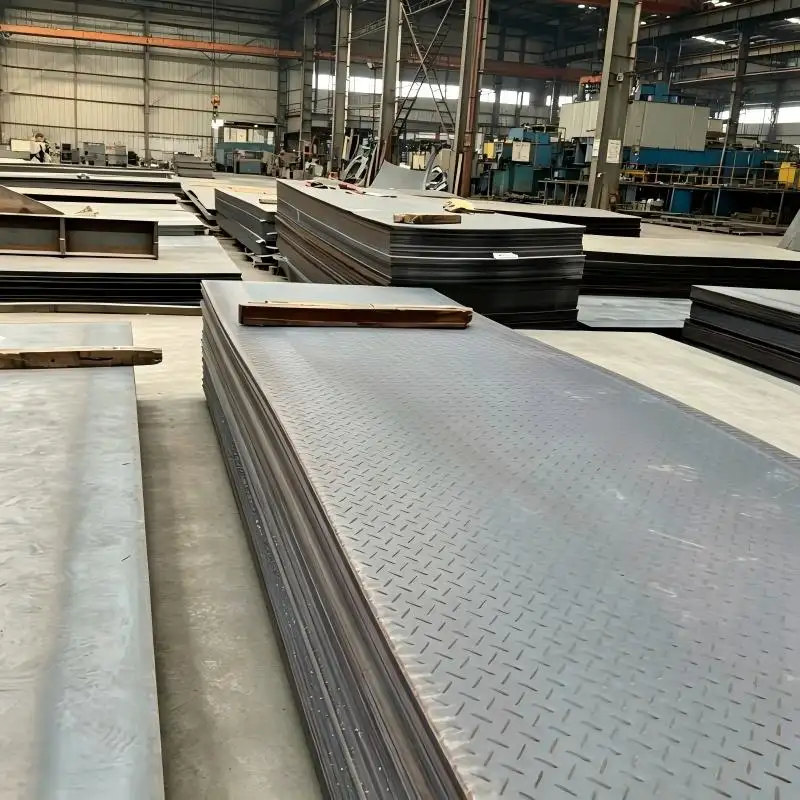
Discover why hot dipped galvanized steel and hot dip galvanized checkered plate offer ideal corrosion resistance and strength for road guardrails.
Covering green transformation, product comparison, selection guide, and industry empowerment, helping you fully grasp the dynamics of the color steel industry.

Global climate action and Belt and Road cooperation are driving the color steel industry’s shift toward green, sustainable development.
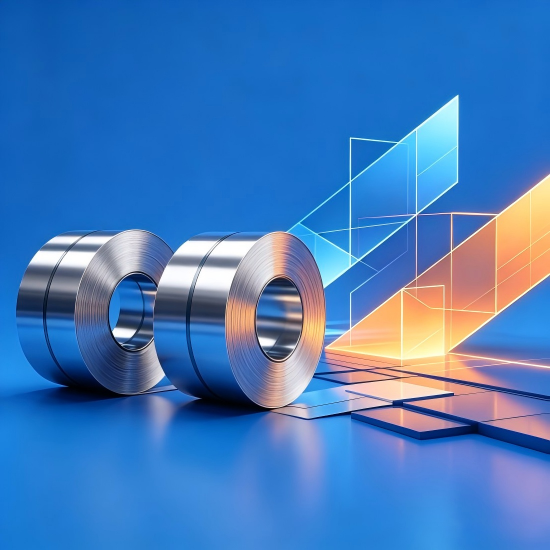
Comparing PPGI and PPGL across performance, durability, and applications to help you select the optimal coated steel for your project.
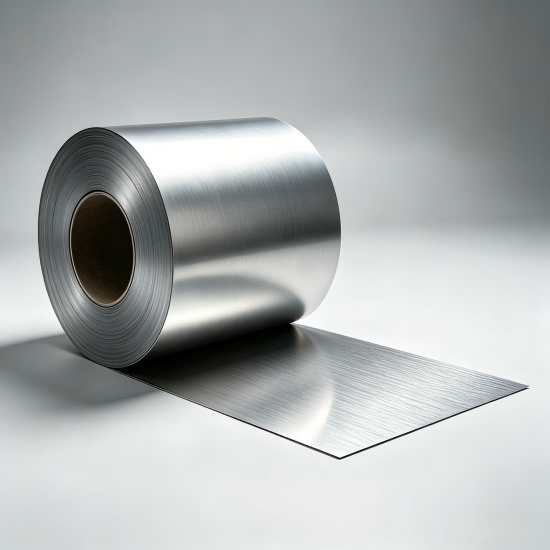
A practical guide to selecting and applying color steel coils, ensuring optimal performance, durability, and cost-effectiveness for your projects.
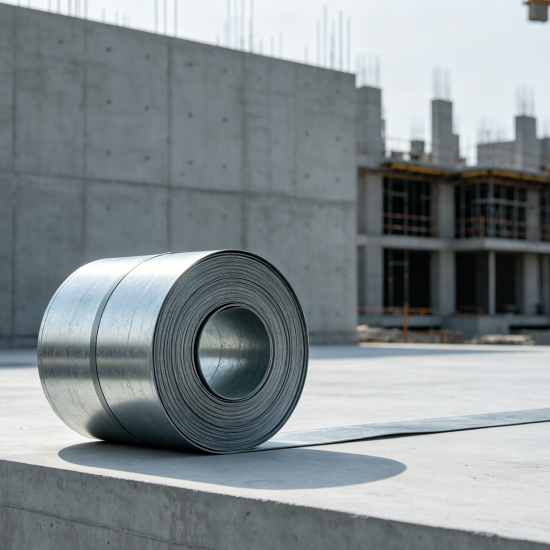
Industry forum drives digital and green transformation, empowering steel sector development through innovation and collaboration.