EN
EN

How to customize length size of precision cut GI coil finished sheets
2026/09/11
Learn how to specify precision cut GI coil sheets in custom lengths — tolerance selection, coating integrity, and ordering tips.
2026/08/02
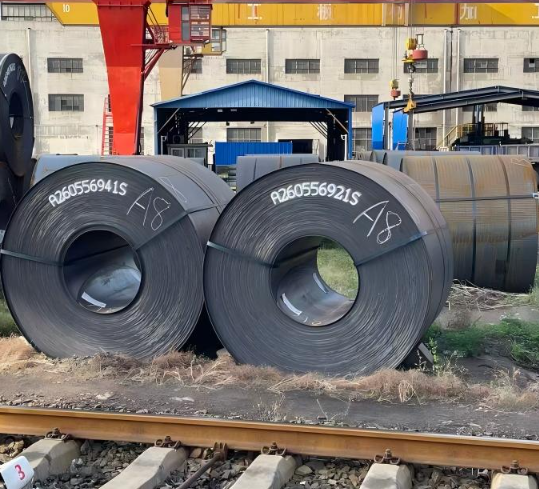
Each hot rolled coil must be processed through calibrated equipment for flat sheet production. Processing hot rolled coil efficiently requires matching shear type and leveler configuration to incoming material specifications. A hot rolled coil arriving from the steel mill typically weighs between 20 and 30 metric tons, spans a width of 1,000 to 2,000 millimeters, and carries a black mill-scale surface that has protected the steel since it emerged from the finishing stands of the hot strip mill. Transforming this heavy industrial feedstock into uniform flat sheets that can be laser-cut, stamped, welded, or directly incorporated into structural fabrications requires a sequence of processing steps in which each station's precision determines the quality of the final cut piece.
For procurement managers and workshop supervisors who receive hot rolled steel coil in volume and need to convert it into consistent-dimension hr slit coil blanks or cut-to-length plates, the difference between an efficient setup and a wasteful one can easily amount to 3 to 5 percent of annual material cost, a figure that dwarfs the capital investment in the right processing equipment. Yuanhe PPGI applies deep industry expertise to cover the critical steps, equipment choices, and quality checks that produce uniform sheets from hot rolled coil with minimal scrap and maximum throughput.
A hot rolled coil arriving with documented grade certification enables proper setup. Hot rolled coil dimensional consistency directly affects downstream processing yield and product quality. Hot rolled steel coil processing lines with precision levelers deliver flat sheets for automated cutting. Specifying the correct hot rolled steel coil grade ensures your processing line achieves required flatness tolerances.
For many downstream applications, the first processing step applied to a hot rolled coil is slitting into narrower-width hr slit coil products. A steel coil slitting line consists of an uncoiler, a slitter head with rotating circular knives, a tensioning device, and a recoiler. The circular knives are mounted on two parallel arbors and set to precise gaps determined by the required strip width.
The critical parameter that distinguishes a professional slitting operation from an amateur one is the horizontal clearance between the upper and lower knives, typically set at 8 to 12 percent of the material thickness for hot rolled steel coil in the 2 to 10 millimeter gauge range. Excessive clearance produces a torn edge with a burr that will damage downstream tooling and create safety hazards for operators handling the slit strips. Insufficient clearance accelerates knife wear and can generate enough heat to create a hardened edge zone that cracks during subsequent forming operations.
The ideal slit edge on an hr slit coil shows a clean shear zone occupying approximately 30 to 40 percent of the material thickness, a fracture zone for the remaining portion, and a burr height not exceeding 0.1 millimeters. Producing hr slit coil with clean burr-free edges requires proper knife clearance settings. An hr slit coil with documented edge quality enables full traceability from mill certificate to finished product.
The cut-to-length line takes either a full-width hot rolled steel coil or an already-slit hr slit coil and converts it into flat sheets of specified length. The line takes material through a de-coiler, a leveler or straightener, a measuring system, and a shear.
The leveler is the most technically demanding component because hot rolled coil retains internal stresses from the rolling and cooling process that manifest as coil set, crossbow, edge wave, or center buckle. A precision leveler with multiple small-diameter work rolls, individually adjustable backup rolls, and the ability to apply controlled elongation to the strip surface will produce flat sheets with flatness tolerances within 3 millimeters per meter of length.
A basic roller straightener without leveling capability will correct coil set but will not remove latent shape defects, producing sheets that spring back into a curved or wavy form after cutting. The investment difference between a leveler and a straightener can be substantial, but for customers whose downstream processes involve automated laser cutting, robotic welding, or precision assembly, the flatness delivered by a proper leveler pays for itself in reduced setup time and improved part quality.
Three shear technologies dominate the cut-to-length processing of hot rolled steel coil. Mechanical shears use a flywheel-driven crank mechanism to deliver a high-speed guillotine cut and are well suited to thicknesses up to approximately 6 millimeters where high throughput is the priority.
Hydraulic shears operate more slowly but deliver higher cutting force and better control of blade penetration, making them the preferred choice for hot rolled coil in the 6 to 25 millimeter thickness range. Rotary shears employ a pair of rotating drums with mounted blades that cut the strip while it is in continuous motion, eliminating the stop-start cycle of stationary shears and achieving the highest production rates for thin to medium gauge material.
The correct shear type for a given operation depends on the thickness range, the required cut length tolerance, and the production volume. A service center processing 5,000 metric tons per month of hot rolled steel coil across thicknesses from 2 to 12 millimeters would typically deploy a combination of a rotary shear for the high-volume thinner material and a hydraulic shear for the heavier gauges.
What is the minimum order quantity for custom-slit hr slit coil? Most service centers and suppliers set a minimum processing quantity of 5 to 10 metric tons per slit width. This minimum exists because the slitter setup time, including knife changes and width adjustments, is amortized over the production run. Smaller quantities can sometimes be accommodated at a higher per-ton processing charge to cover the setup cost.
Can hot rolled coil be cut with a laser or plasma cutter instead of a shear? Yes, laser and plasma cutting are widely used for producing complex shapes from hot rolled steel sheet, but they are not efficient for simple straight-line cutting of full-width coil into sheets. The cutting speed of a mechanical or hydraulic shear is orders of magnitude faster than thermal cutting for straight cuts. Thermal cutting is reserved for profiling operations where the sheet has already been cut to approximate size on a shear.
How flat should I expect my cut sheets to be? For standard commercial-quality hot rolled steel coil processed through a leveler, expect flatness within 3 millimeters per meter of length. For precision-leveled material, tolerances of 1 to 2 millimeters per meter are achievable. If sheets will undergo laser cutting or robotic welding, specify precision-leveled material and verify flatness with a straightedge and feeler gauge upon receipt.
Navigating the complexities of heavy metal processing requires reliable manufacturing strength, advanced processing technology, and a robust global supply chain. Yuanhe PPGI delivers premium-grade hot rolled steel solutions, expert technical guidance, and customized slitting or cut-to-length services to support seamless industrial manufacturing worldwide.
2026/09/11
Learn how to specify precision cut GI coil sheets in custom lengths — tolerance selection, coating integrity, and ordering tips.
2026/09/11
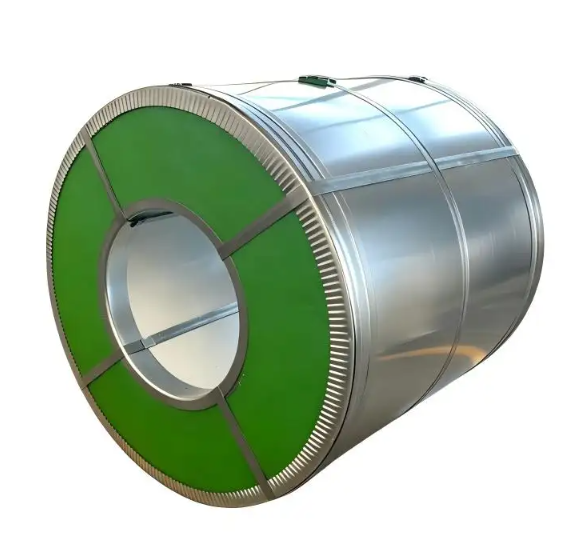
Learn why premium finish galvalume steel coil delivers better paint adhesion and visual consistency in finished building products. Request specs today.
2026/09/10
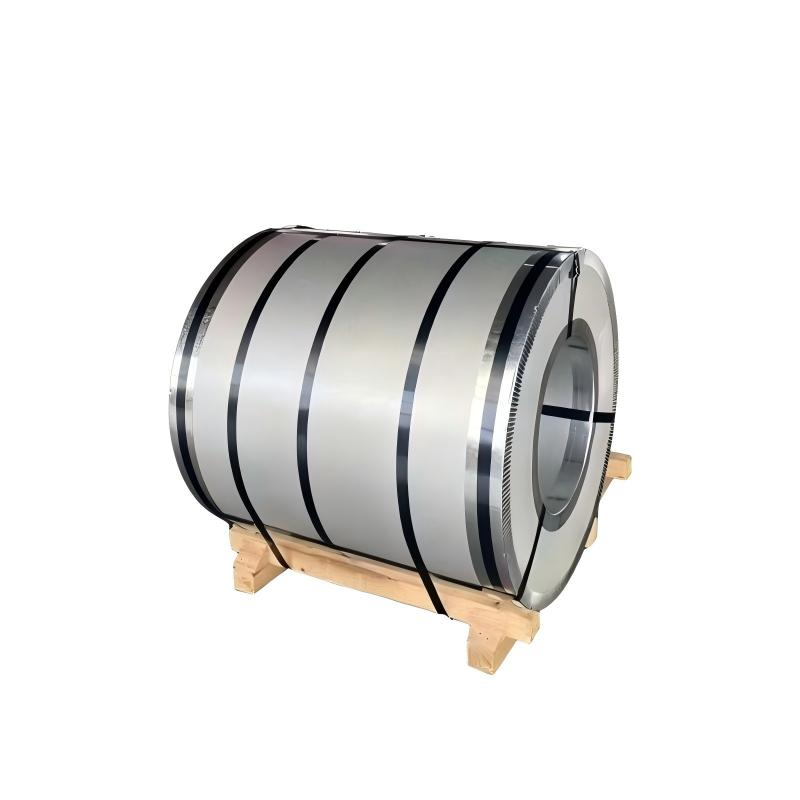
Learn why heavy coating galvalume steel coil provides superior corrosion resistance in harsh coastal settings and saves long-term maintenance costs.
2026/09/10
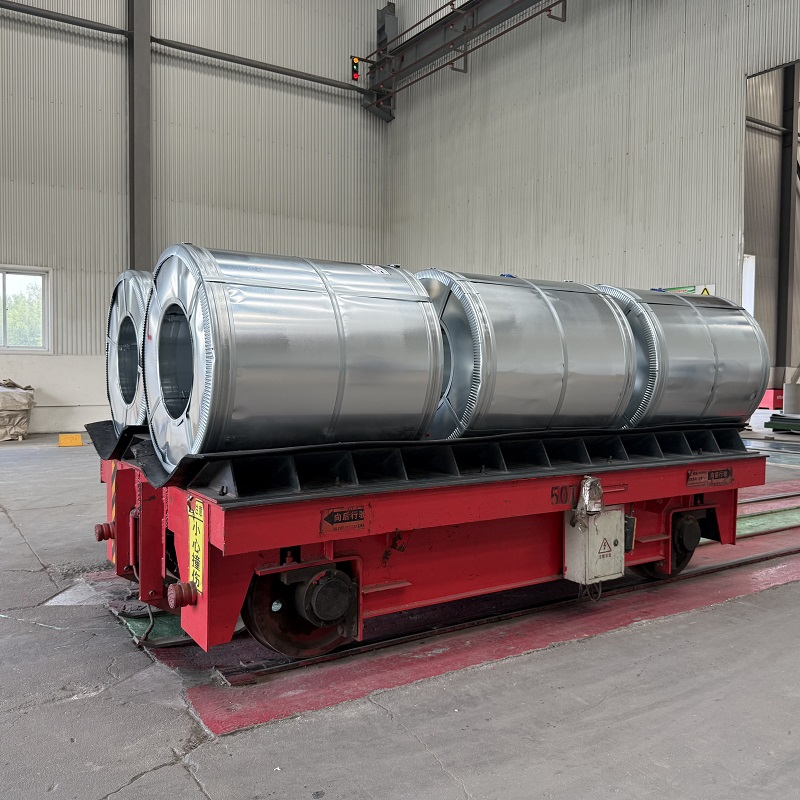
Learn how to test the bending performance of formable galvalume steel coil samples using T-bend testing to prevent cracking and scrap.
2026/09/10
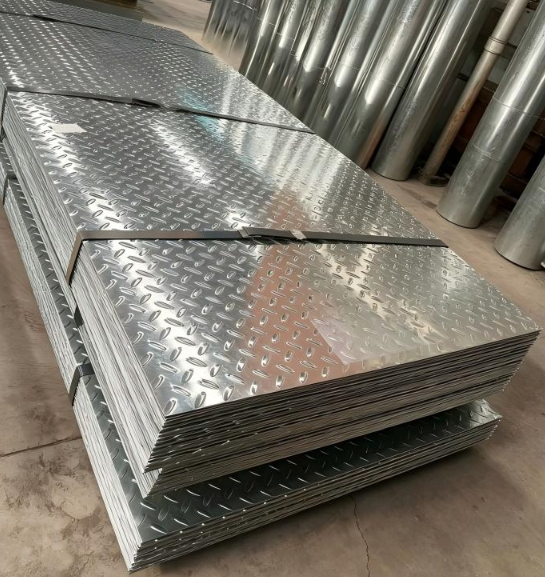
Discover how multi specification galvalume steel coil simplifies purchasing, boosts productivity, and lowers costs for metal fabricators.
2026/09/10
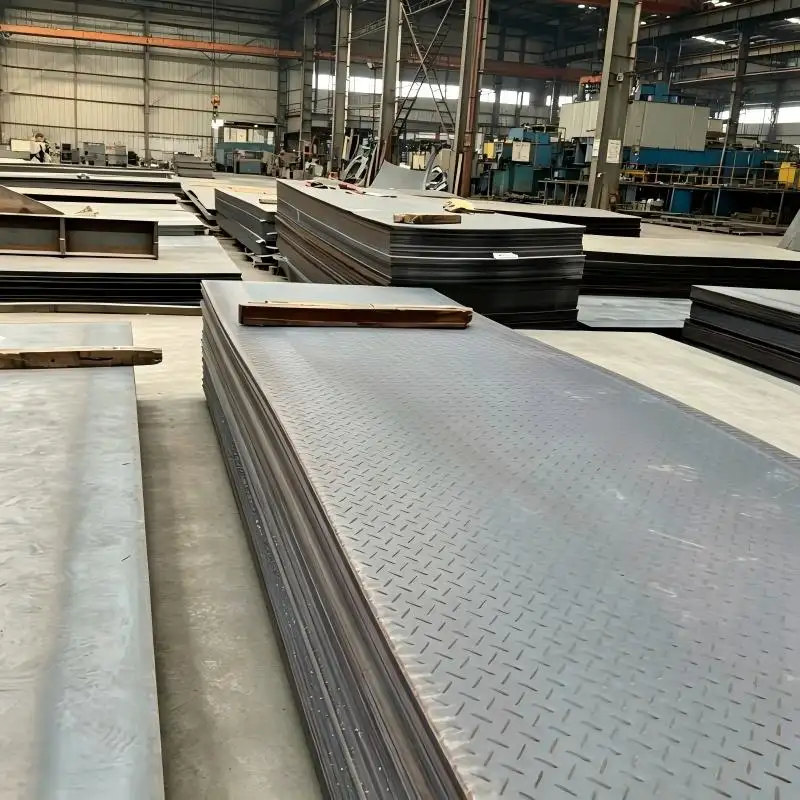
Discover why hot dipped galvanized steel and hot dip galvanized checkered plate offer ideal corrosion resistance and strength for road guardrails.
Covering green transformation, product comparison, selection guide, and industry empowerment, helping you fully grasp the dynamics of the color steel industry.

Global climate action and Belt and Road cooperation are driving the color steel industry’s shift toward green, sustainable development.
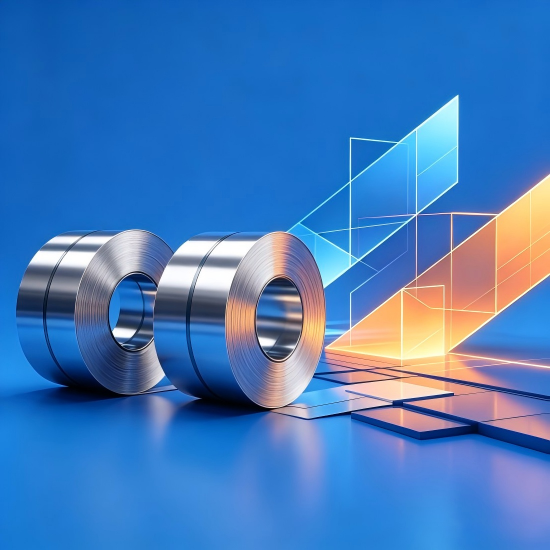
Comparing PPGI and PPGL across performance, durability, and applications to help you select the optimal coated steel for your project.
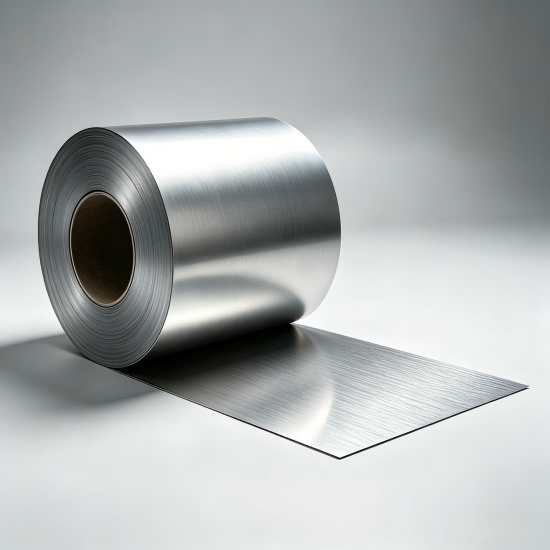
A practical guide to selecting and applying color steel coils, ensuring optimal performance, durability, and cost-effectiveness for your projects.
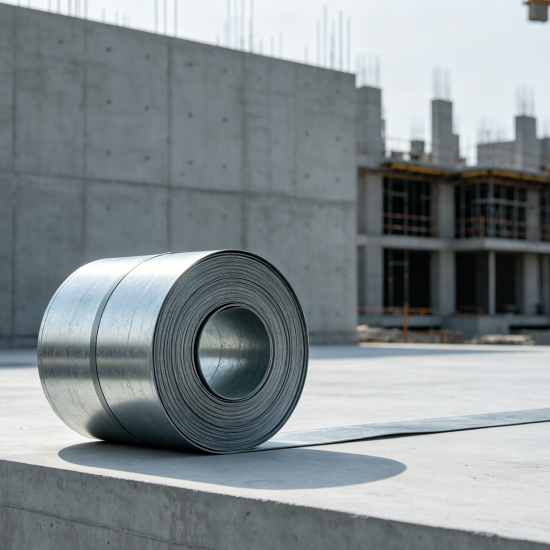
Industry forum drives digital and green transformation, empowering steel sector development through innovation and collaboration.