EN
EN

How to customize length size of precision cut GI coil finished sheets
2026/09/11
Learn how to specify precision cut GI coil sheets in custom lengths — tolerance selection, coating integrity, and ordering tips.
2026/07/23
The Role of Colour Coil in Architectural Identity
Colour coil has evolved from a purely functional building material into a critical element of architectural identity, enabling designers to create buildings that communicate brand values, respond to environmental context, and achieve distinctive visual impact. As a pre-painted steel product, colour coil allows architects to specify precise colors and gloss levels at the factory stage, ensuring consistent appearance across thousands of square meters of roofing and cladding. Over the past five years, I have collaborated with architectural firms on projects where RAL standard colour coil selections defined the entire visual character of industrial parks, commercial complexes, and cultural buildings. The ability to customize colour coil — from subtle earth tones that blend with natural landscapes to bold accent colors that signal corporate identity — gives architects a material palette that was previously available only with premium aluminum composite or terracotta systems, but at a fraction of the cost. Understanding how colour coil customization works, from RAL color matching to gloss level engineering, empowers design teams to make specifications that are both aesthetically ambitious and practically achievable.
Understanding RAL Standard Colour Coil Systems
RAL is the most widely used color matching system for colour coil in the construction industry, providing a standardized reference that ensures color consistency across different manufacturers, batches, and project phases. The RAL Classic system includes over 200 colors, each identified by a four-digit code (such as RAL 3005 for wine red, RAL 5005 for signal blue, RAL 7016 for anthracite grey, and RAL 9006 for white aluminium). When specifying RAL standard colour coil, architects should understand that the same RAL code can produce slightly different visual results depending on the coating chemistry — a polyester-based RAL 5005 will appear marginally different from a PVDF-based RAL 5005 due to differences in pigment binding and surface texture. For projects requiring precise color matching across multiple buildings or phased construction, RAL standard colour coil offers the most reliable path to consistency, as the RAL reference provides an objective benchmark that suppliers can match within a Delta E tolerance of 1.5 or better. In my experience, the most commonly specified RAL standard colour coil colors for industrial and commercial architecture are RAL 9002 (grey white), RAL 7004 (signal grey), RAL 6005 (moss green), RAL 3009 (oxide red), and RAL 8004 (copper brown) — these earth-toned colors provide excellent dirt-hiding capability and UV stability for long-term exterior exposure.
Gloss Level Selection and Its Impact on Building Aesthetics
Gloss level is one of the most underappreciated yet visually impactful customization options for colour coil. Gloss is measured using a glossmeter at a 60-degree angle and expressed as a percentage relative to a polished glass standard. For RAL standard colour coil, the three primary gloss categories are matte (5 to 15 percent gloss), low-gloss or eggshell (20 to 35 percent), and medium-gloss (40 to 60 percent). High-gloss finishes (above 70 percent) are rarely used for exterior colour coil because they accentuate surface imperfections and create excessive glare. The gloss level of colour coil dramatically affects how a building appears under different lighting conditions: matte finishes absorb light and minimize the visibility of oil canning and handling marks, making them ideal for large, flat cladding surfaces. Low-gloss RAL standard colour coil provides a subtle sheen that reads as premium quality without the maintenance drawbacks of high-gloss surfaces, and it has become the default choice for contemporary architectural projects. In a 2024 commercial building project in Dubai, the architect specified RAL 7016 anthracite grey colour coil with a 25 percent gloss level — the result was a sophisticated, understated facade that maintained its appearance despite intense sunlight and frequent dust storms. The gloss level also affects dirt retention: medium-gloss colour coil tends to shed dust more effectively than matte finishes due to smoother surface energy, reducing cleaning frequency in arid environments.
Custom Color Matching Beyond RAL Standards
While RAL standard colour coil covers the majority of architectural applications, some projects require custom colors that fall outside the RAL palette — typically for corporate branding, cultural context, or specific design intent. Custom colour coil matching involves several technical steps: the supplier analyzes the target color (provided as a physical sample, Pantone reference, or spectrophotometer reading), formulates a paint system that achieves the target color within an acceptable Delta E tolerance (typically 1.5 to 2.0 for custom matches), and produces a physical sample coil for architect approval before full production. The complexity of custom colour coil matching increases significantly for metallic and special-effect colors, which require specialized pigment technologies and may have different weathering characteristics than standard solid colors. A critical consideration is metamerism — the phenomenon where two colors appear identical under one light source but different under another. For colour coil that will be viewed primarily under natural daylight, the supplier must formulate the custom color using pigments with similar spectral reflectance curves to avoid metameric mismatch when the material is installed on-site. In a 2023 project for a corporate headquarters in Kazakhstan, I coordinated the development of a custom teal colour coil that matched the company's brand color — the process required three rounds of sample production to achieve a Delta E of 1.2 under both D65 daylight and warm interior lighting, but the result was a brand-consistent building facade that could not have been achieved with standard RAL options alone.
Quality Control for Color Consistency in Large Projects
For large-scale architectural projects, color consistency across multiple colour coil batches is essential — even slight variations can create visible banding on a building facade that undermines the design intent. Quality control for RAL standard colour coil production should include spectrophotometric measurement of every coil batch against the approved master standard, with results documented in a color quality report accompanying each delivery. The key metric is Delta E (the total color difference between the sample and the standard), and for architectural-grade colour coil, a maximum Delta E of 1.5 between batches is the industry benchmark. Gloss level should also be verified for each batch using a calibrated glossmeter, with a tolerance of plus or minus 5 percentage points. For projects spanning multiple delivery phases, it is strongly recommended to produce all colour coil from a single paint batch or to pre-qualify multiple batches against a physical master sample before installation begins. Manufacturers such as Shenyang Yuanhe, which offers customizable color and gloss specifications for its colour coil products and applies a three-tier quality control system across its coating lines, demonstrate the production discipline that large architectural projects require. Their ability to produce RAL standard colour coil with consistent color and gloss across export orders to Southeast Asia, the Middle East, and South America — supported by ISO-certified processes and SGS inspection capabilities — gives architects and project managers confidence that colour coil delivered months apart will maintain visual consistency once installed on the building.
Three Common Questions About Customizing Colour Coil
Question: What is the minimum order quantity for custom color colour coil?
Answer: Minimum order quantities for custom colour coil typically range from 5 to 10 tons, depending on the supplier and the complexity of the color formulation. For RAL standard colour coil colors that the supplier already produces regularly, the minimum may be lower. Custom metallic or special-effect colors generally require higher minimums due to the specialized pigment and formulation requirements. Buyers should request a physical sample before committing to a full production run.
Question: How long does custom colour coil color development typically take?
Answer: The standard timeline for custom colour coil color development is 7 to 14 days from receipt of the target color sample to delivery of a physical approval sample. This includes color analysis, paint formulation, lab sample production, and quality verification. Once the sample is approved, full production typically requires an additional 10 to 15 days. Projects with very tight timelines should consider selecting from RAL standard colour coil options, which can enter production immediately without a development phase.
Question: Can the gloss level of colour coil be adjusted after production?
Answer: No. The gloss level of colour coil is determined during the coil coating process by the paint formulation and the curing conditions, and it cannot be modified after the coil is produced. If a different gloss level is required, a new production batch must be specified with the correct gloss target from the outset. This is why it is essential to approve physical samples that represent both the color and gloss level of the final production material before placing a full order.
2026/09/11
Learn how to specify precision cut GI coil sheets in custom lengths — tolerance selection, coating integrity, and ordering tips.
2026/09/11
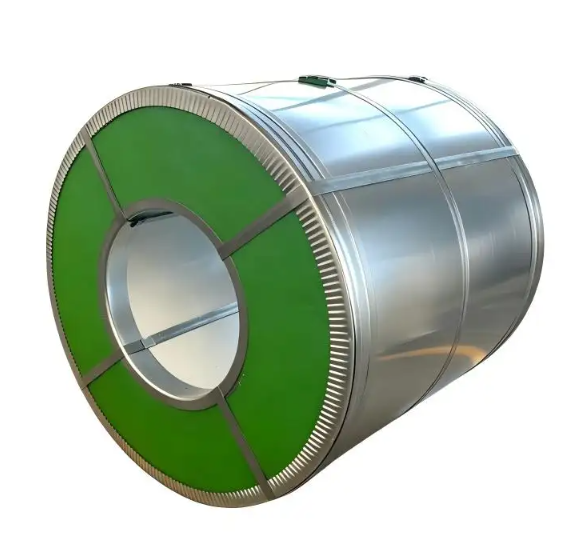
Learn why premium finish galvalume steel coil delivers better paint adhesion and visual consistency in finished building products. Request specs today.
2026/09/10
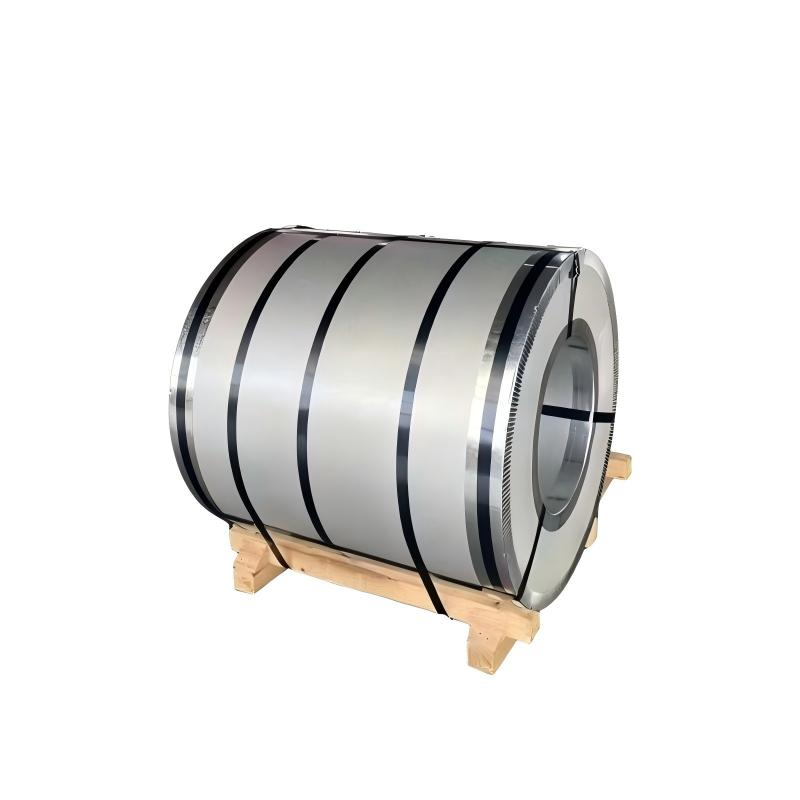
Learn why heavy coating galvalume steel coil provides superior corrosion resistance in harsh coastal settings and saves long-term maintenance costs.
2026/09/10
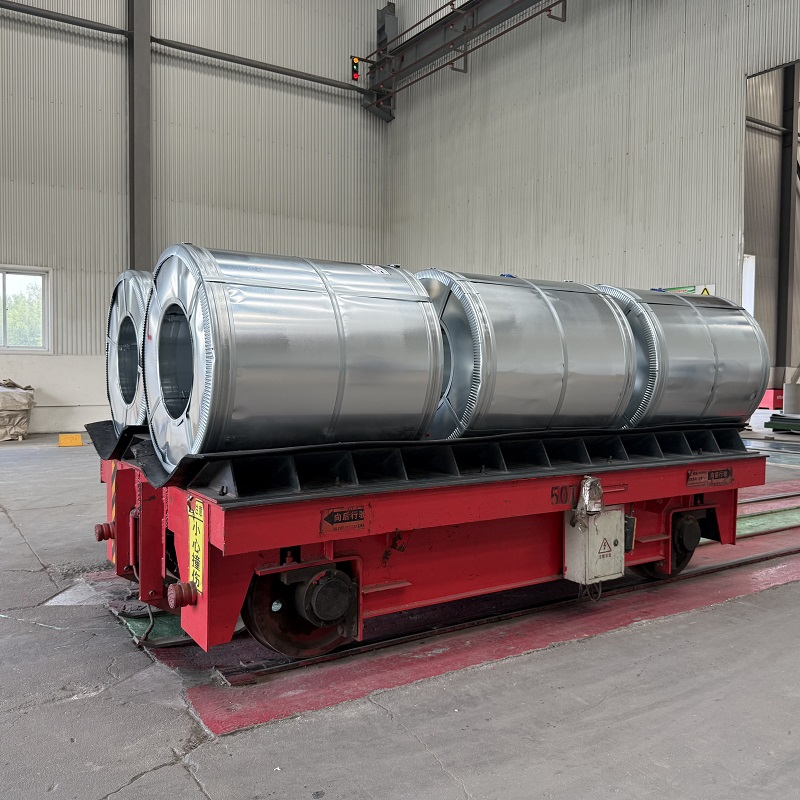
Learn how to test the bending performance of formable galvalume steel coil samples using T-bend testing to prevent cracking and scrap.
2026/09/10
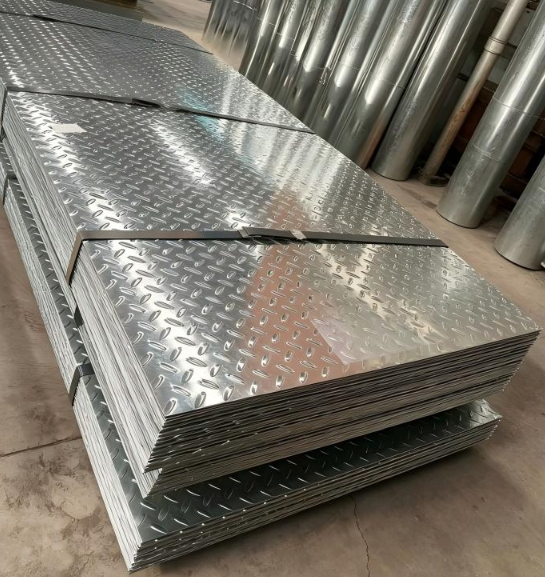
Discover how multi specification galvalume steel coil simplifies purchasing, boosts productivity, and lowers costs for metal fabricators.
2026/09/10
Discover why hot dipped galvanized steel and hot dip galvanized checkered plate offer ideal corrosion resistance and strength for road guardrails.
Covering green transformation, product comparison, selection guide, and industry empowerment, helping you fully grasp the dynamics of the color steel industry.
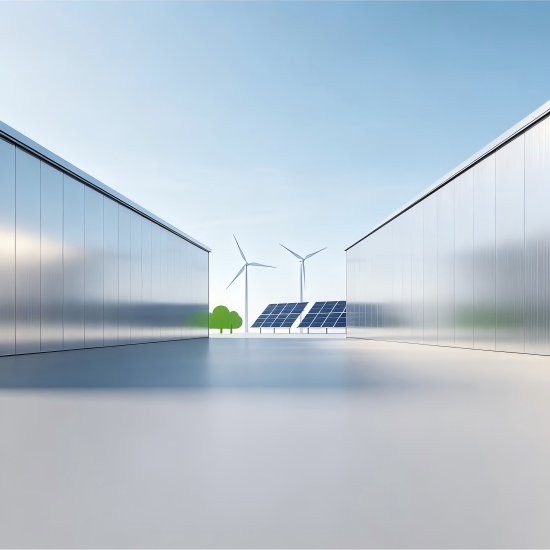
Global climate action and Belt and Road cooperation are driving the color steel industry’s shift toward green, sustainable development.

Comparing PPGI and PPGL across performance, durability, and applications to help you select the optimal coated steel for your project.
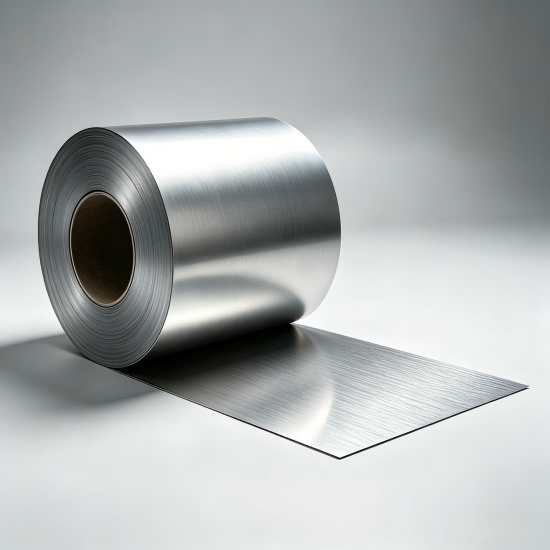
A practical guide to selecting and applying color steel coils, ensuring optimal performance, durability, and cost-effectiveness for your projects.
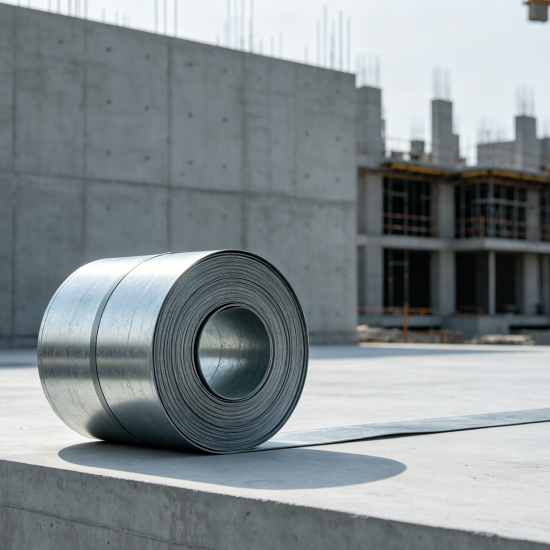
Industry forum drives digital and green transformation, empowering steel sector development through innovation and collaboration.