EN
EN

How to customize length size of precision cut GI coil finished sheets
2026/09/11
Learn how to specify precision cut GI coil sheets in custom lengths — tolerance selection, coating integrity, and ordering tips.
2026/07/30
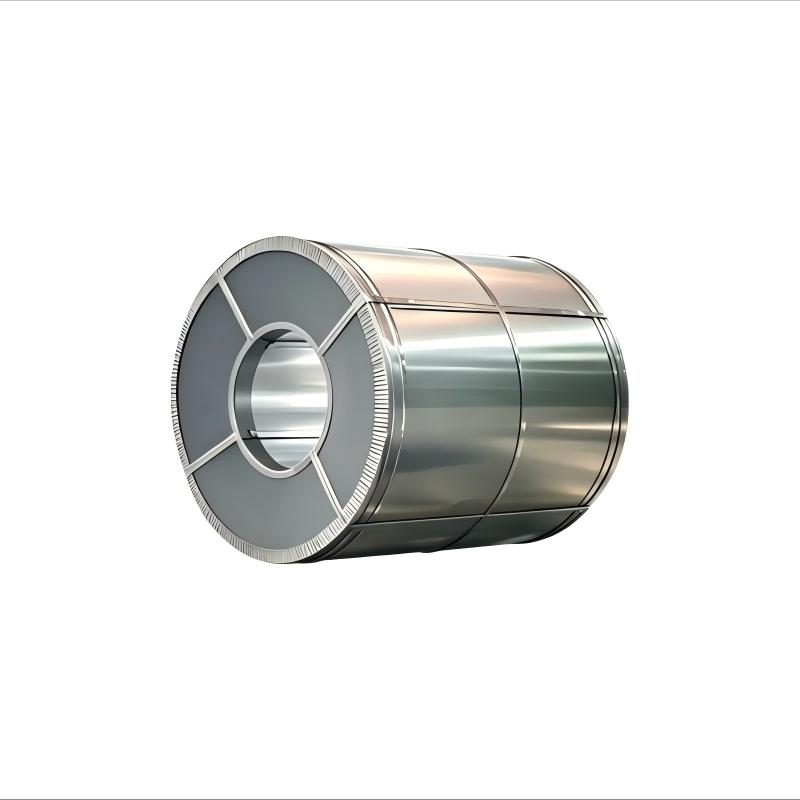
the coil material represents the primary delivery format for pre-painted galvanized steel, requiring systematic coil processing processes to transform continuous coils into finished metal components production for construction, appliance, and industrial applications. The coil fabrication process encompasses decoiling, flattening, slitting, cutting, forming, and assembly operations, each contributing to efficient metal components production. Understanding the pre-painted coil properties, including coating type, substrate thickness, and mechanical characteristics, enables fabricators to optimize conversion parameters for maximum efficiency and minimal material waste in metal components production. sheet conversion typically begins with coils weighing 3 to 10 tons, with widths from 500mm to 1,500mm and thicknesses from 0.09mm to 1.5mm, requiring specialized handling equipment for safe and efficient metal components production processing. The coating systems on the steel coil, including PE, SMP, HDP, and PVDF formulations, influence coil manufacturing parameters and tooling selection during metal components production. Efficient metal components production from the coated coil requires integrated coil processing lines that minimize intermediate handling, reduce material damage risk, and maintain coating surface integrity throughout the conversion process. Modern sheet fabrication facilities employ automated decoiling, precision slitting, and CNC cutting systems to achieve high throughput while maintaining tight dimensional tolerances for finished metal components production.
The first step in coil conversion involves decoiling, where the painted coil is unwound from the master coil using motorized decoilers with tension control systems that prevent material deformation and surface damage during metal components production. For the galvanized coil conversion to metal components production, proper decoiling tension prevents coil slippage and telescoping that could damage coated surfaces and disrupt coil processing. After decoiling, the coil stock passes through flattening or leveling equipment consisting of multiple precision rollers that remove coil set and residual stress, producing flat material ready for subsequent steel coil fabrication operations. The flattening process is critical for metal components production dimensional accuracy, as unflattened the pre-painted steel causes measurement inconsistencies and forming defects during later coil sheet processing stages. Modern coil fabrication lines incorporate automatic edge position control systems that maintain material alignment throughout decoiling and flattening, ensuring consistent metal components production dimensions. For thin-gauge the coated steel coil below 0.3mm, additional support rollers and reduced flattening pressure prevent surface marking while achieving adequate flatness for precision metal components production. coil processing operations facilities should verify flatness using straightedge measurement after leveling, confirming that material meets metal components production tolerance requirements before proceeding to coil fabrication processes cutting operations.
Slitting operations in coil processing divide master coil width into narrower strips required for specific metal components production, using rotary knives with precisely controlled spacing and overlap. Quality coil processing requires sharp slitting knives with proper clearance settings to produce clean edge cuts without burr formation or coating delamination that could affect metal components production performance. After slitting, cut-to-length operations shear the painted steel coil into flat sheets of specified lengths using flying shear or rotary shear systems that maintain continuous production flow for efficient metal components production. For ppgi coil sheet fabrication producing profiled metal components production, roll forming lines process slit strips through progressive roller stations that gradually shape material into desired cross-sectional profiles. Common ppgi coil sheet fabrication profiles for metal components production include corrugated sheets, trapezoidal profiles, standing seam panels, and custom architectural profiles. CNC profiling systems enable rapid profile changeover in ppgi coil sheet fabrication, supporting flexible metal components production for diverse project requirements. Throughout slitting and cutting operations, the galvanized steel coil surface protection films should remain intact to prevent coating damage, ensuring metal components production meets appearance quality standards after ppgi coil sheet fabrication completion. Proper slitting technique is essential for ppgi coil sheet fabrication quality in metal components production.
After cutting and profiling, the coil product undergoes additional forming operations to create finished metal components production ready for installation or assembly. Press brake forming shapes the painted coil into angles, channels, and complex profiles for structural metal components production in construction applications. Stamping operations produce embossed patterns, perforations, and cutouts in the coated steel for decorative metal components production requiring aesthetic detailing. For ppgi coil sheet fabrication producing appliance metal components production, drawing and deep drawing operations create three-dimensional shapes from flat sheet, requiring careful control of ppgi coil sheet fabrication parameters to prevent coating cracking or substrate fracture. Assembly operations join formed the pre-painted stock components using techniques including mechanical fastening, adhesive bonding, and welding with appropriate surface protection for metal components production. Ppgi coil sheet fabrication efficiency depends on minimizing intermediate handling between operations, as each transfer step introduces potential surface damage and production delays for metal components production. Advanced ppgi coil sheet fabrication facilities implement lean manufacturing principles with one-piece flow or small-batch processing to reduce work-in-progress inventory and accelerate metal components production delivery. Quality inspection stations at each ppgi coil sheet fabrication stage verify dimensional accuracy, coating integrity, and surface appearance before metal components production proceeds to the next operation.
A metal components production manufacturer in the Middle East upgraded their ppgi coil sheet fabrication facility to meet growing demand for construction panels and building accessories. The company processed approximately 2,000 tons of the steel coil material annually, previously using separate decoiling, cutting, and forming machines requiring extensive manual material handling between ppgi coil sheet fabrication operations. After implementing an integrated ppgi coil sheet fabrication line with automated decoiling, CNC slitting, flying shear cut-to-length, and roll forming capabilities, metal components production efficiency improved significantly. The new ppgi coil sheet fabrication line reduced material handling time by 60 percent and decreased surface damage incidents by 85 percent, resulting in higher metal components production quality and faster delivery. The manufacturer sourced the coated coil stock from Shenyang Yuanhe Steel with consistent dimensions, uniform coating thickness, and reliable coil geometry that supported smooth automated ppgi coil sheet fabrication processing. The ppgi coil sheet fabrication line produced metal components production including roofing panels, wall cladding sheets, flashing trim, and ridge caps with dimensional accuracy within plus or minus 0.5mm. Material utilization improved from 87 percent to 94 percent through optimized nesting and reduced scrap generation in ppgi coil sheet fabrication, demonstrating that integrated ppgi coil sheet fabrication significantly enhances metal components production efficiency and profitability.
Q: What is the maximum processing speed for ppgi coil sheet fabrication lines?
A: Modern ppgi coil sheet fabrication lines achieve cutting speeds of 30 to 60 meters per minute and roll forming speeds of 15 to 30 meters per minute for metal components production, depending on the painted coil stock thickness and profile complexity.
Q: How do I prevent coating damage during ppgi coil sheet fabrication slitting?
A: Use sharp rotary knives with proper clearance, maintain protective film during ppgi coil sheet fabrication, and inspect slit edges for metal components production quality to ensure ppgi coil sheet fabrication standards.
Q: Can the pre-painted coil stock be welded for metal components production assembly?
A: Yes, but welding burns the coating. Use mechanical fastening or adhesive bonding for ppgi coil sheet fabrication when coating preservation is critical for metal components production appearance and corrosion resistance.
2026/09/11
Learn how to specify precision cut GI coil sheets in custom lengths — tolerance selection, coating integrity, and ordering tips.
2026/09/11
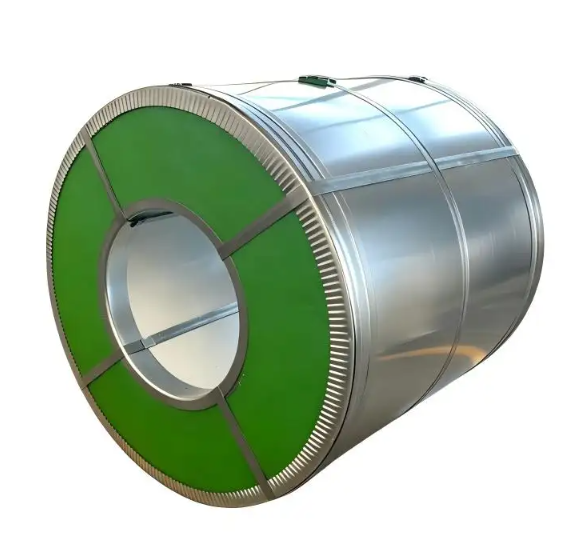
Learn why premium finish galvalume steel coil delivers better paint adhesion and visual consistency in finished building products. Request specs today.
2026/09/10
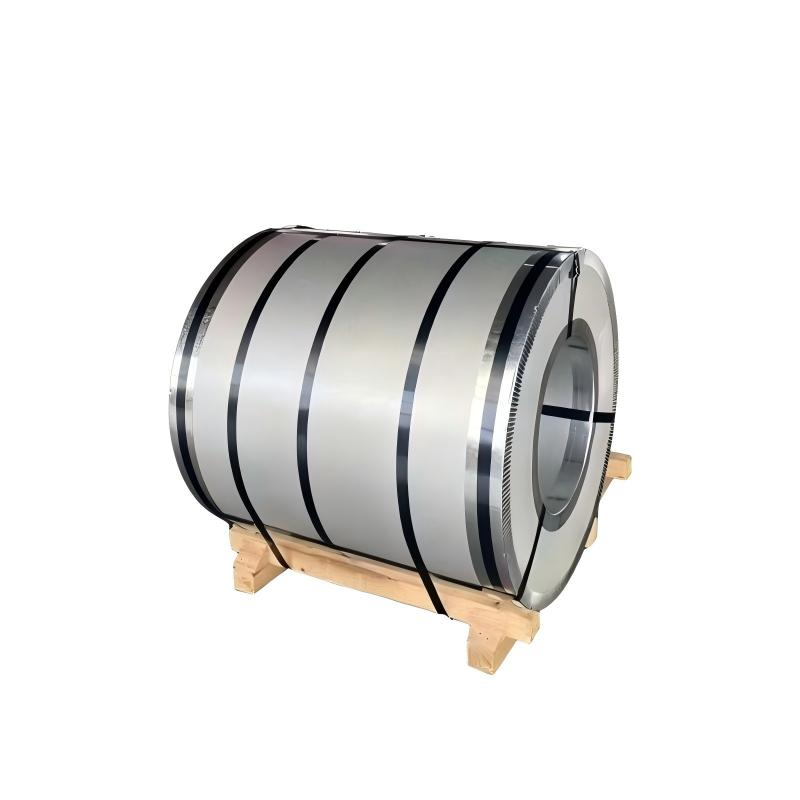
Learn why heavy coating galvalume steel coil provides superior corrosion resistance in harsh coastal settings and saves long-term maintenance costs.
2026/09/10
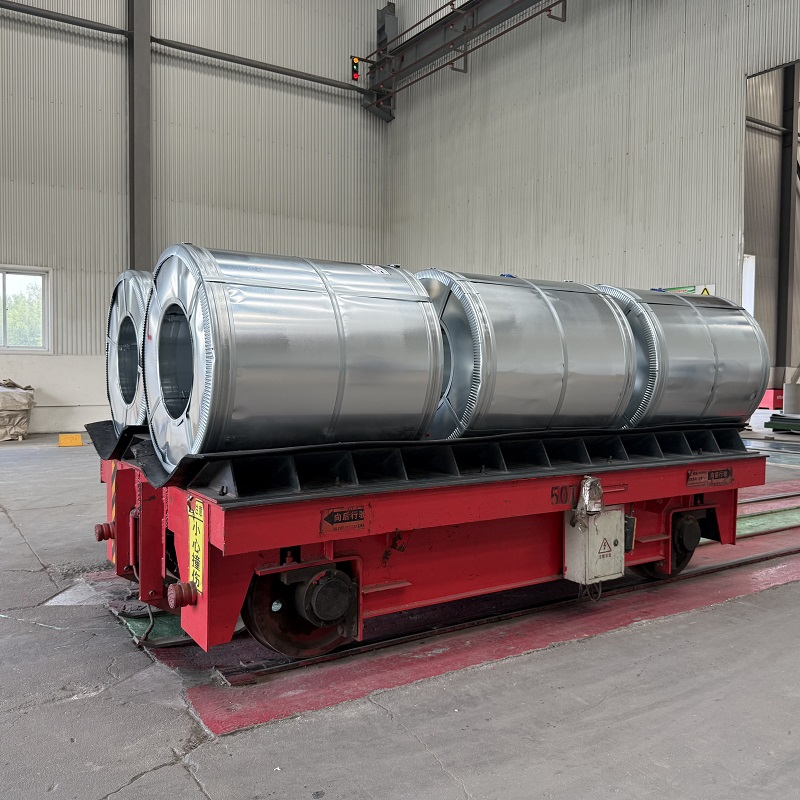
Learn how to test the bending performance of formable galvalume steel coil samples using T-bend testing to prevent cracking and scrap.
2026/09/10
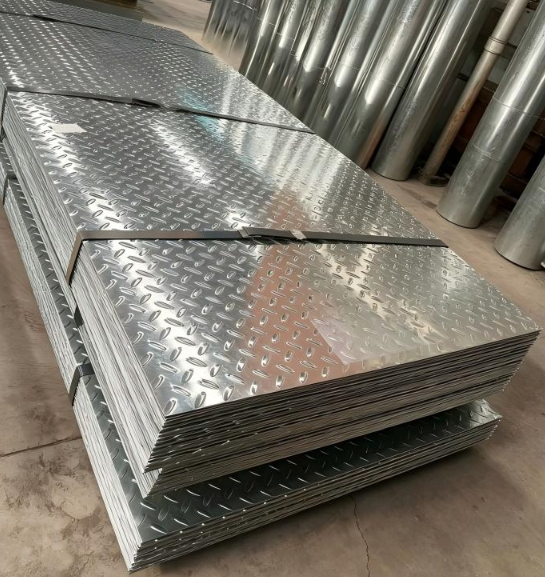
Discover how multi specification galvalume steel coil simplifies purchasing, boosts productivity, and lowers costs for metal fabricators.
2026/09/10
Discover why hot dipped galvanized steel and hot dip galvanized checkered plate offer ideal corrosion resistance and strength for road guardrails.
Covering green transformation, product comparison, selection guide, and industry empowerment, helping you fully grasp the dynamics of the color steel industry.

Global climate action and Belt and Road cooperation are driving the color steel industry’s shift toward green, sustainable development.
Comparing PPGI and PPGL across performance, durability, and applications to help you select the optimal coated steel for your project.
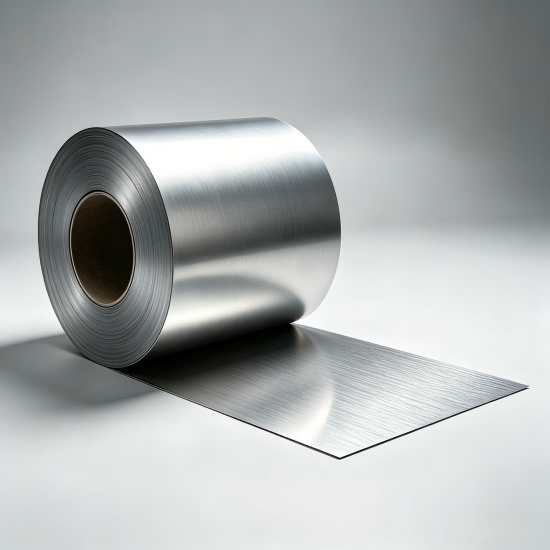
A practical guide to selecting and applying color steel coils, ensuring optimal performance, durability, and cost-effectiveness for your projects.
Industry forum drives digital and green transformation, empowering steel sector development through innovation and collaboration.