EN
EN

How to customize length size of precision cut GI coil finished sheets
2026/09/11
Learn how to specify precision cut GI coil sheets in custom lengths — tolerance selection, coating integrity, and ordering tips.
2026/09/09
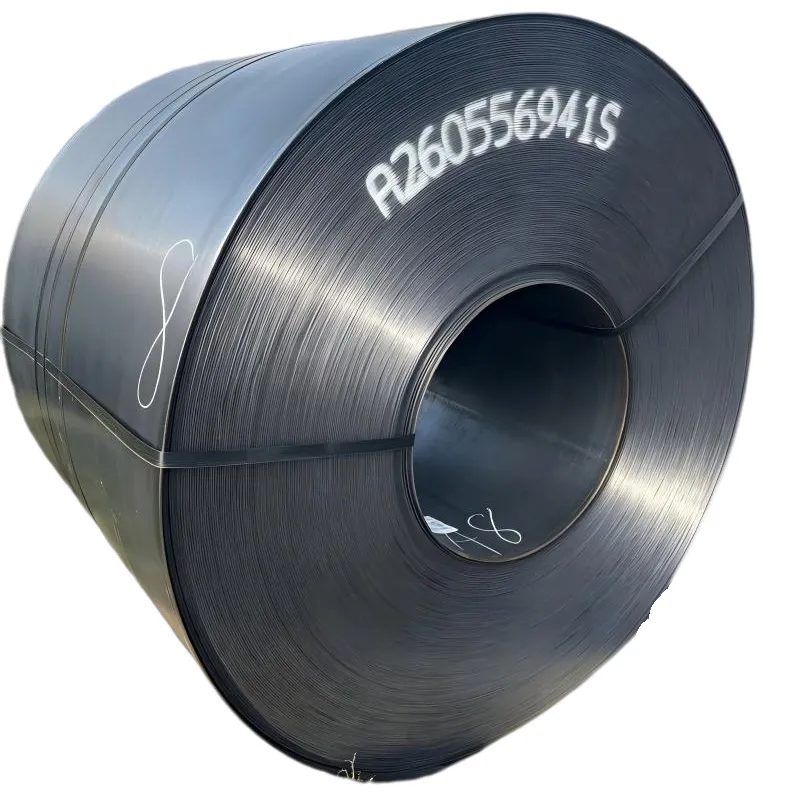
When procurement managers evaluate metal roofing options, the initial purchase price frequently dominates decision-making. However, for industrial facilities, commercial warehouses, and agricultural buildings with design lifespans of 20 to 30 years, evaluating total roofing material TCO reveals a dramatically different financial reality. Selecting between bare GI coil and prepainted PPGI coil involves multi-factor cost modeling that goes far beyond the baseline per-ton material price.
Analyzing initial installation expenses, maintenance schedules, repainting cycles, and atmospheric corrosion behavior demonstrates why high-performance prepainted steel coil products deliver significantly lower lifecycle costs over a building's operational lifetime.
At first glance, standard galvanized iron coil appears to be the more economical choice. A bare GI coil with a standard Z275 zinc coating weight typically carries a purchase price 5 to 10 percent lower than an equivalent PPGI coil featuring a factory-applied polyester topcoat. However, evaluating installed cost changes the financial equation entirely once on-site painting requirements are factored in.
When contractors purchase bare GI coil and apply post-installation field paint, total installed costs can rise 15 to 20 percent higher than installing factory-finished prepainted steel coil. On-site coating requires extensive surface preparation, chemical etching, primer application, and two distinct topcoats, alongside heavy labor expenses and schedule delays for paint curing.
A commercial warehouse project in Dubai highlights this dynamic. The engineering team originally specified bare GI coil for roof sheeting, intending to paint the structure on-site. Detailed cost modeling showed that field painting would add 18 days to the construction timeline while increasing total labor costs by 25 percent. Switching to pre-coated PPGI coil kept the project on schedule, and the factory-cured baked coating showed zero adhesion degradation after five years of harsh desert exposure, whereas adjacent facilities using field-painted GI coil required complete repainting within three years.
The single largest differentiator in roofing material TCO between bare GI coil and factory-coated PPGI coil is the required maintenance interval. Bare galvanized iron coil roofs in industrial environments typically require repainting every 5 to 8 years, depending on regional atmospheric corrosivity. In severe marine zones or heavily polluted industrial areas, this maintenance window shrinks to 3 to 5 years as the protective zinc layer slowly sacrifices itself.
By contrast, a high-quality PPGI coil equipped with a multi-layer factory coating system operates maintenance-free for 10 to 15 years with standard polyester topcoats, and up to 20 to 25 years when utilizing high-durability PVDF or HDP coating systems.
Key operational factors driving long-term maintenance costs include:
Surface Preparation Expenses: Pressure washing, mechanical wire brushing, and chemical rust converting prior to repainting.
Direct Coating and Labor Charges: On-site application of specialized industrial primers and weather-resistant elastomeric topcoats.
Operational Downtime Costs: Facility disruption and temporary work stoppages required while scaffolding and spray equipment are deployed over active production areas.
Repainting a 10,000 square meter industrial roof easily exceeds $40,000 per maintenance cycle when including labor, safety rigging, and operational downtime. Over a 25-year service life, a bare GI coil roof often requires three to five complete repainting cycles, whereas a premium PPGI coil roof operates through its entire design life with zero repainting requirements.
Zinc coating mass remains a vital performance metric for both GI coil and PPGI coil products. A standard Z275 galvanized iron coil provides 275 grams per square meter of protective zinc distributed across both sides. However, prepainted steel coil adds a highly resilient physical barrier on top of the sacrificial galvanized substrate: an organic paint layer consisting of a 20 to 25 micron topcoat over a high-adhesion primer.
This dual-layer defense mechanism means that in C3 corrosion environments (urban and medium industrial zones), a PPGI coil with a lighter Z200 galvanized base often outperforms a bare GI coil carrying a heavier Z275 zinc mass. The organic topcoat shields the underlying zinc layer from ambient oxygen and atmospheric moisture, dramatically slowing down zinc consumption.
For extreme industrial environments—such as chemical processing plants, fertilizer storage, or coastal facilities—specifying PPGI coil with a minimum Z275 substrate and an HDP or PVDF topcoat provides maximum structural protection. The slight incremental cost of premium coatings is typically recovered within 3 to 5 years through avoided maintenance and extended structural service life.
Beyond structural corrosion protection, appearance retention directly influences commercial property values and tenant retention. A bare GI coil roof that has undergone multiple field repainting cycles inevitably displays uneven color patching, lap seam blistering, and textural inconsistencies that detract from the facility's professional appearance.
Conversely, PPGI coil utilizes continuous coil-coating technology where organic coatings are applied over automated roller lines and cured in high-temperature ovens. This process ensures exact film thickness control, superior adhesion, uniform color distribution, and exceptional gloss retention. Buildings clad in high-grade prepainted steel coil maintain a clean, consistent appearance throughout their long maintenance-free lifecycle.
Optimizing roofing material TCO requires sourcing reliable steel products tailored to specific climate challenges and budget limits. Steel buyers and roofing roll-formers require supply chain partners capable of delivering precise technical specifications with short lead times.
At Shenyang Yuanhe, global clients access a comprehensive range of GI coil and PPGI coil products engineered specifically for demanding roofing applications. Offering flexible coating formulations from economical PE to long-life PVDF, combined with galvanized substrate options ranging from Z100 up to Z275, Shenyang Yuanhe helps contractors balance initial budgets with long-term performance requirements. Backed by a standing inventory exceeding 10,000 metric tons and efficient export lead times of 6 to 14 days, Shenyang Yuanhe supports both high-volume standard orders and specialized custom specifications worldwide.
Calculating the true value of metal roofing materials requires looking beyond the initial per-ton purchase invoice. By factoring in field installation labor, repainting frequency, corrosion behavior, and long-term aesthetic retention, prepainted steel coil proves to be the most cost-effective solution for long-term commercial and industrial roofing projects.
2026/09/11
Learn how to specify precision cut GI coil sheets in custom lengths — tolerance selection, coating integrity, and ordering tips.
2026/09/11
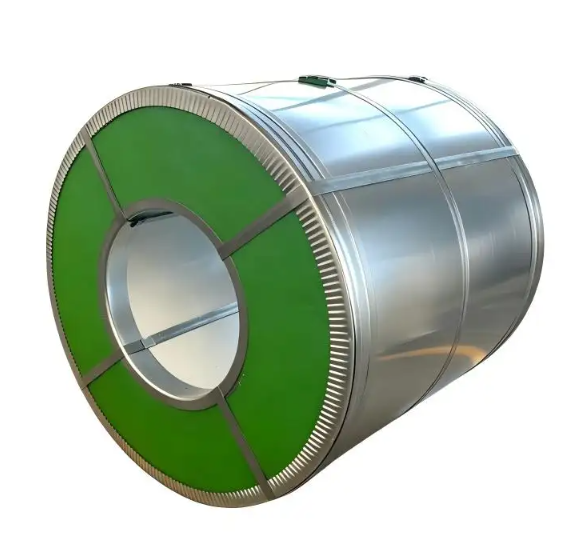
Learn why premium finish galvalume steel coil delivers better paint adhesion and visual consistency in finished building products. Request specs today.
2026/09/10
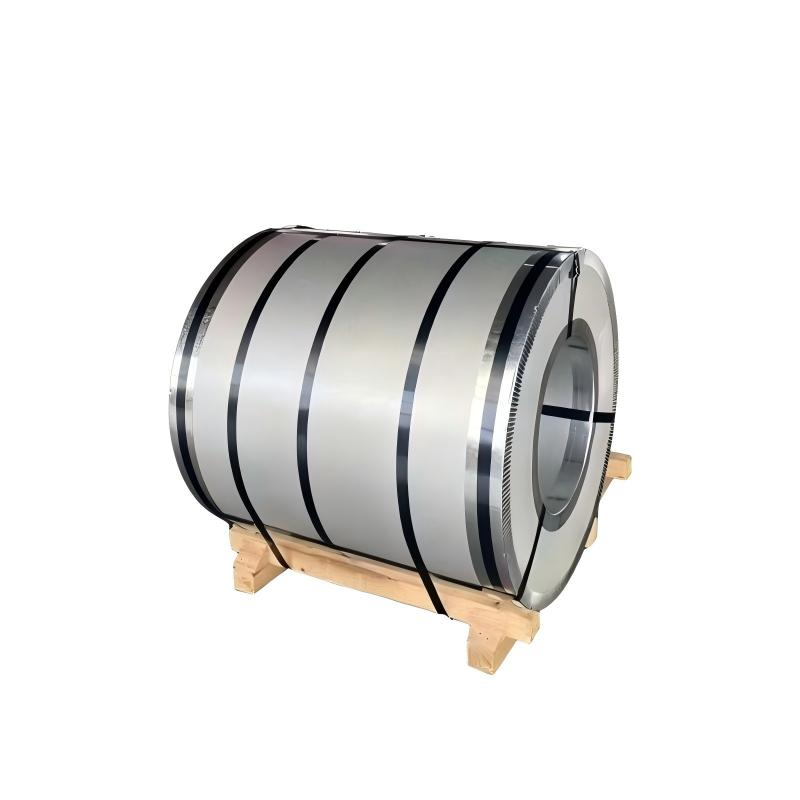
Learn why heavy coating galvalume steel coil provides superior corrosion resistance in harsh coastal settings and saves long-term maintenance costs.
2026/09/10
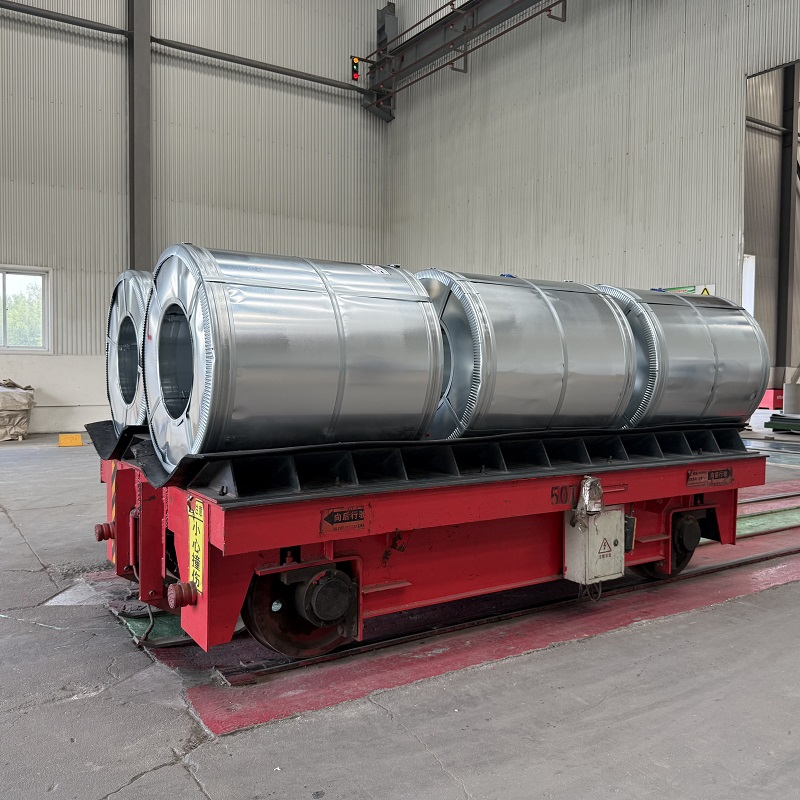
Learn how to test the bending performance of formable galvalume steel coil samples using T-bend testing to prevent cracking and scrap.
2026/09/10
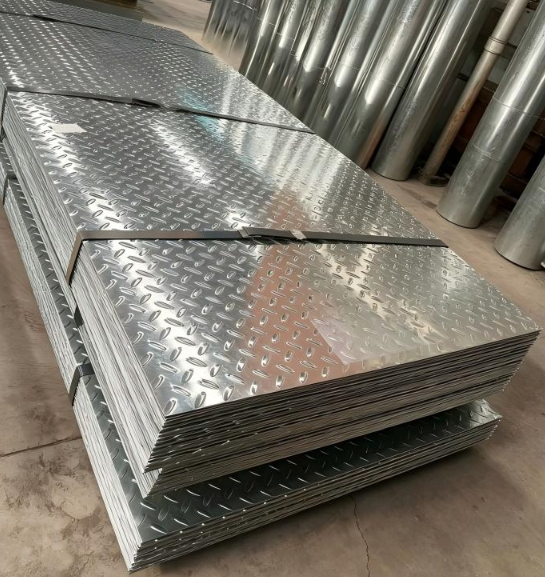
Discover how multi specification galvalume steel coil simplifies purchasing, boosts productivity, and lowers costs for metal fabricators.
2026/09/10
Discover why hot dipped galvanized steel and hot dip galvanized checkered plate offer ideal corrosion resistance and strength for road guardrails.
Covering green transformation, product comparison, selection guide, and industry empowerment, helping you fully grasp the dynamics of the color steel industry.
Global climate action and Belt and Road cooperation are driving the color steel industry’s shift toward green, sustainable development.
Comparing PPGI and PPGL across performance, durability, and applications to help you select the optimal coated steel for your project.
A practical guide to selecting and applying color steel coils, ensuring optimal performance, durability, and cost-effectiveness for your projects.
Industry forum drives digital and green transformation, empowering steel sector development through innovation and collaboration.