EN
EN

How to customize length size of precision cut GI coil finished sheets
2026/09/11
Learn how to specify precision cut GI coil sheets in custom lengths — tolerance selection, coating integrity, and ordering tips.
2026/08/14
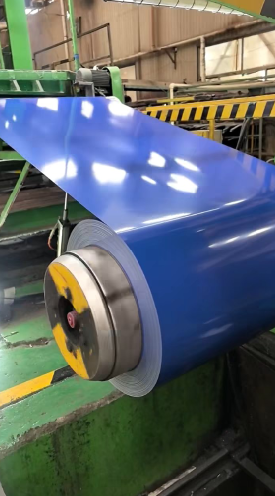
Evaluating prepainted metal products for building facades, roofing, or home appliances usually comes down to performance trade-offs. While corrosion resistance and weight are top of mind, surface hardness is a critical factor that directly influences how a material performs during fabrication, shipping, and daily exposure. Buyers frequently evaluate PPGI coil alongside colour coated aluminium coil options, but comparing test metrics can sometimes create confusion.
It is common to mistake the hardness of the underlying metal for the hardness of the painted finish. While substrate properties do play an indirect role, real-world scratch resistance comes down to the paint system itself. Understanding how surface hardness, pencil hardness, and cross-cut adhesion are measured helps project managers choose the right material without paying for unnecessary specifications.
Coating performance during roll forming, shearing, and field installation relies heavily on surface hardness. A coating that is too soft will scratch during handling, leading to aesthetic defects and potential site rejections. Conversely, a coating engineered to be overly hard might crack when bent into sharp profiles.
When comparing PPGI coil to colour coated aluminium coil, the core difference lies in how the underlying substrate supports the paint layer under force. Steel provides a rigid foundation that resists localized deformation. Aluminum is lighter and more flexible, absorbing pressure differently. Even when both materials use identical paint chemistries—such as standard polyester, silicon modified polyester, or high-performance PVDF—the reported surface hardness values can vary slightly because of this base material behavior.
The primary method used across the prepainted metal industry to evaluate scratch resistance is the pencil hardness test. Standardized under ASTM D3363, this test involves pushing graphite leads of increasing hardness across the coated surface at a set angle and pressure until the finish scratches or gouges.
PPGI Coil Performance: Thanks to the firm backing of its zinc-coated steel core, a PPGI coil with a standard polyester topcoat typically achieves a pencil hardness rating between H and 2H.
Colour Coated Aluminium Coil Performance: The exact same polyester formulation applied to a colour coated aluminium coil usually rates between F and H.
The softer underlying aluminum allows slight micro-indentations under point loading, which can cause the testing pencil to mark the film earlier. However, a difference of one pencil grade rarely impacts real-world performance in standard wall cladding or roofing applications. For high-wear environments, such as appliance panels or high-traffic interior partitions, selecting a 2H pencil hardness finish ensures long-term resistance to daily abrasion.
Scratch resistance tells only half the story. A durable metal panel must also withstand severe bending without peeling or flaking off the core substrate.
The T-bend test evaluates how far a prepainted sheet can fold back on itself without the topcoat cracking. In practical testing, a colour coated aluminium coil often outperforms steel alternatives, regularly achieving 0T to 1T flexibility ratings. This outstanding formability allows manufacturers to create tight, complex panel profiles without ruining the decorative finish. A standard PPGI coil generally achieves 2T to 3T ratings, which provides ample flexibility for conventional standing seam roofs and standard architectural panels.
Surface hardness means very little if the paint system fails to bond securely to the substrate. The cross-cut adhesion test cuts a lattice pattern through the coating down to the metal base, applies pressure-sensitive tape, and pulls it away rapidly.
Both PPGI coil and colour coated aluminium coil should achieve the top rating of 5B, showing zero paint detachment. Achieving consistent cross-cut adhesion requires strict control over the chemical conversion coating and prime curing stages during continuous line operations. If a sample fails a cross-cut adhesion evaluation, it usually points to improper pretreatment or under-curing rather than an inherent weakness in the base material itself.
Selecting between these options often involves balancing mechanical hardness, weight, and environmental exposure.
| Feature | PPGI Coil | Colour Coated Aluminium Coil |
| Typical Pencil Hardness | H to 2H | F to H |
| T-Bend Flexibility | 2T to 3T | 0T to 1T |
| Cross-Cut Adhesion Target | 5B (ASTM D3359) | 5B (ASTM D3359) |
| Substrate Rigidity | High structural strength | Light weight & flexible |
| Primary Advantage | High surface hardness & cost efficiency | Superior formability & corrosion resistance |
For large outdoor architectural projects, especially in coastal regions, weight savings and resistance to salt spray often make colour coated aluminium coil the preferred selection, even if its reported pencil hardness is slightly lower. For heavy-duty industrial roofing, structural panels, and budget-conscious commercial builds, the superior stiffness and higher scratch resistance of PPGI coil make it an ideal choice.
To obtain accurate, reproducible results when evaluating coil samples in a lab setting, keep these operational guidelines in mind:
Match Coating Systems: Never compare a PVDF-coated PPGI coil against a PE-coated colour coated aluminium coil. The differences in resin chemistry will mask any baseline substrate effects.
Control Environmental Conditions: Always condition metal samples at standard room temperatures and moderate humidity for a full 24 hours prior to pencil hardness or cross-cut adhesion testing, as temperature changes alter coating flexibility.
Check Base and Topcoat Thickness: Keep total dry film thickness identical across test lots. Thin paint layers over-report substrate influences, while overly thick layers can artificially lower pencil hardness readings.
Average Multiple Points: Take at least five readings across the width of the sheet to account for minor localized variations in paint cure or film thickness.
Securing prepainted metal that meets strict performance standards requires working with experienced manufacturing partners. Proper surface hardness, crisp T-bend performance, and flawless cross-cut adhesion depend entirely on precise curing temperatures, automated paint application, and rigorous chemical pretreatment.
Shenyang Yuanhe maintains advanced continuous coating lines engineered to deliver consistent quality across both steel and aluminum substrates. By combining strong technical expertise with comprehensive coil supply services, the enterprise supplies fully tested PPGI coil and colour coated aluminium coil products tailored to custom architectural and industrial specifications worldwide.
2026/09/11
Learn how to specify precision cut GI coil sheets in custom lengths — tolerance selection, coating integrity, and ordering tips.
2026/09/11
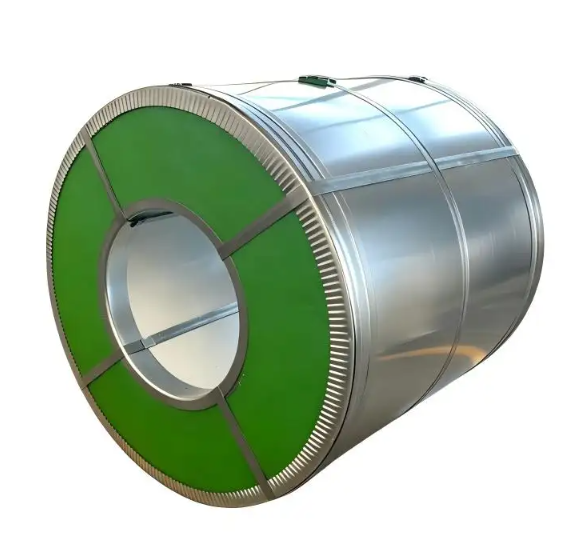
Learn why premium finish galvalume steel coil delivers better paint adhesion and visual consistency in finished building products. Request specs today.
2026/09/10
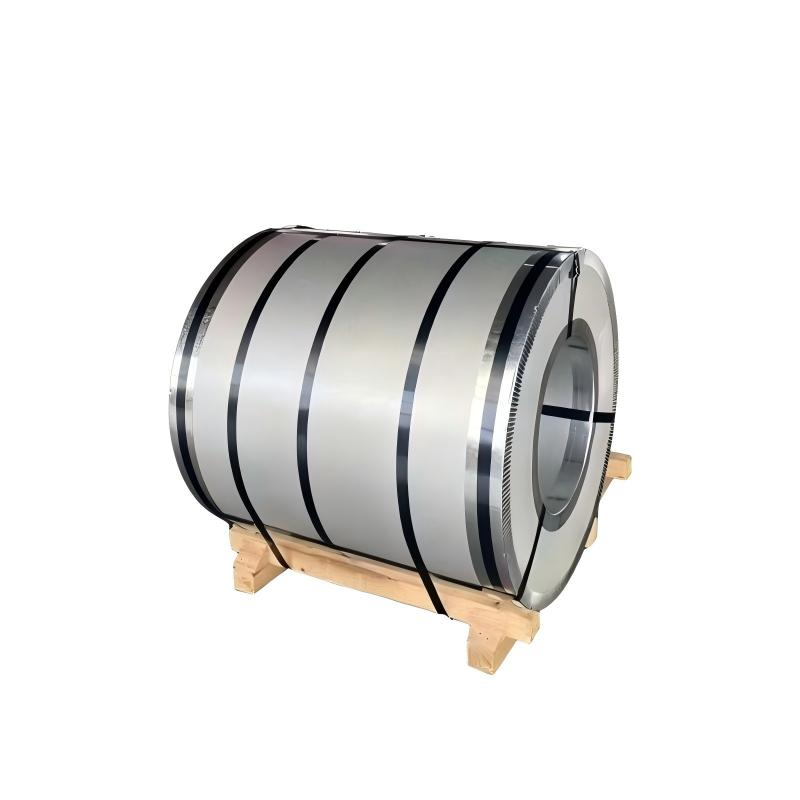
Learn why heavy coating galvalume steel coil provides superior corrosion resistance in harsh coastal settings and saves long-term maintenance costs.
2026/09/10
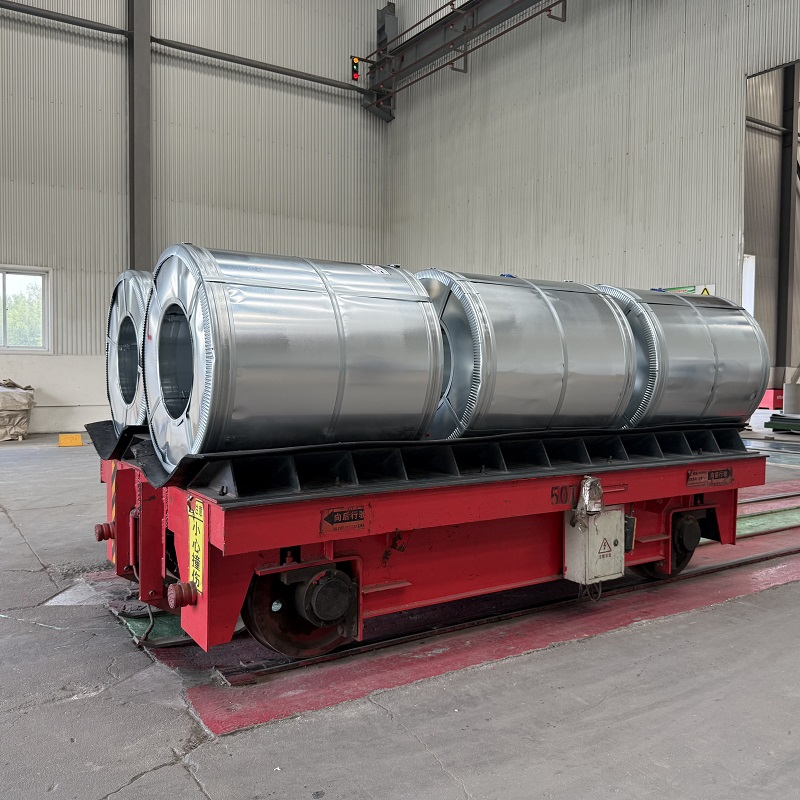
Learn how to test the bending performance of formable galvalume steel coil samples using T-bend testing to prevent cracking and scrap.
2026/09/10
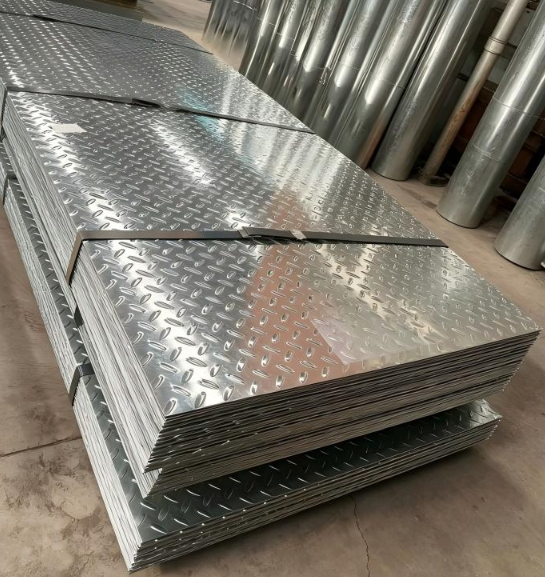
Discover how multi specification galvalume steel coil simplifies purchasing, boosts productivity, and lowers costs for metal fabricators.
2026/09/10
Discover why hot dipped galvanized steel and hot dip galvanized checkered plate offer ideal corrosion resistance and strength for road guardrails.
Covering green transformation, product comparison, selection guide, and industry empowerment, helping you fully grasp the dynamics of the color steel industry.

Global climate action and Belt and Road cooperation are driving the color steel industry’s shift toward green, sustainable development.
Comparing PPGI and PPGL across performance, durability, and applications to help you select the optimal coated steel for your project.
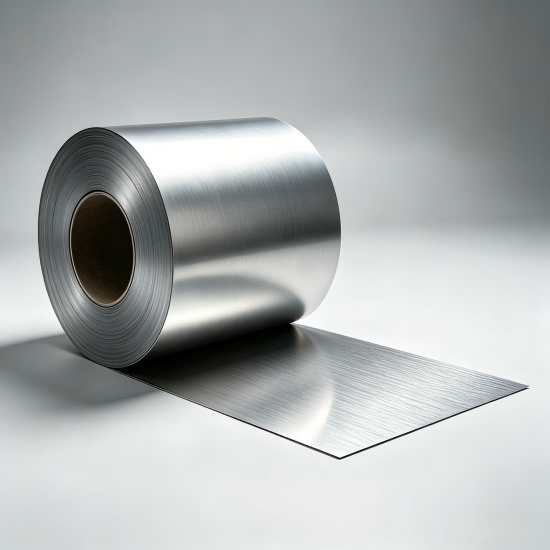
A practical guide to selecting and applying color steel coils, ensuring optimal performance, durability, and cost-effectiveness for your projects.
Industry forum drives digital and green transformation, empowering steel sector development through innovation and collaboration.