EN
EN

How to customize length size of precision cut GI coil finished sheets
2026/09/11
Learn how to specify precision cut GI coil sheets in custom lengths — tolerance selection, coating integrity, and ordering tips.
2026/08/18
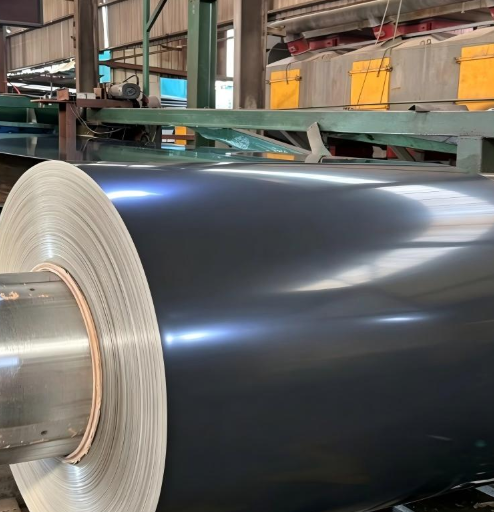
When sourcing coated steel for fabrication, buyers often ask whether GI coil or PPGL coil offers better processing flexibility. The answer depends on your specific forming, stamping, and welding requirements. After five years of supplying both products to markets across Southeast Asia, the Middle East, and Africa, we have seen how material choice directly impacts production efficiency and defect rates. This guide compares GI coil and galvalume steel coil across four critical processing dimensions to help you make an informed sourcing decision.
GI coil is hot-dip galvanized steel coated with a layer of pure zinc, typically ranging from Z20 to Z275 in coating weight. The zinc layer provides sacrificial corrosion protection. PPGL coil, on the other hand, is galvalume steel coil coated with an aluminum-zinc alloy, typically 55 percent aluminum, 43.5 percent zinc, and 1.5 percent silicon, and then finished with an organic paint system. The substrate for PPGL is DX51D+AZ, while GI coil uses DX51D+Z as its base material under ASTM A653 or JIS G3302 SGCC standards. These fundamental differences in coating chemistry and structure affect how each material behaves during processing.
The aluminum content in galvalume steel coil creates a harder surface compared to pure zinc. This hardness influences bending, stamping, and forming characteristics in ways that fabricators must understand before committing to large production runs.
Bending is one of the most common fabrication processes for coated steel. GI coil generally offers excellent bendability due to its softer pure zinc coating. The zinc layer deforms plastically with the steel substrate, reducing the risk of coating cracks at bend radii. For GI coil with a thickness of 0.3mm to 1.5mm, a minimum internal bend radius of 1 to 2 times the material thickness is typically achievable without visible coating failure.
PPGL coil presents a different scenario. The aluminum-zinc alloy coating is harder and more brittle than pure zinc. When bending PPGL coil, micro-cracking can occur at the bend line, especially at tight radii. However, the organic paint film on PPGL provides an additional protective layer that can mask minor coating imperfections. Fabricators working with PPGL coil should use a minimum bend radius of 2 to 3 times the material thickness to minimize cracking risk.
In our experience supplying GI coil for roofing profiles in Africa, the softer zinc coating consistently allowed tighter bend radii without quality issues, resulting in lower scrap rates compared to galvalume steel coil alternatives.
Stamping and deep drawing demand materials that can undergo significant plastic deformation without fracturing. GI coil excels in moderate drawing operations. The ductile zinc coating moves with the steel during drawing, maintaining continuous corrosion protection even on complex shapes. For standard stamping operations on GI coil ranging from 0.09mm to 3.0mm thickness, the coating adherence is generally strong when the material conforms to ASTM A653 or JIS G3302 SGCC specifications.
PPGL coil is more suited to shallow stamping and profile forming rather than deep drawing. The harder aluminum-zinc coating has lower ductility, and deep drawing can cause coating delamination or surface micro-cracks. The painted surface on PPGL coil can also be scratched during stamping die contact, requiring careful die surface preparation and lubrication.
For applications requiring deep drawing, GI coil is the recommended choice. For flat panel stamping or shallow profiles, PPGL coil performs adequately while offering superior long-term corrosion resistance.
Roll forming is widely used for producing roofing sheets, wall cladding, and structural profiles. Both GI coil and PPGL coil can be roll formed effectively, but their behavior differs in detail.
GI coil flows smoothly through roll forming stations. The soft zinc coating acts as a natural lubricant, reducing friction between the strip and forming rolls. This results in consistent profile dimensions and minimal roll wear. GI coil with spangle or minimized spangle surfaces forms cleanly with good surface finish retention.
PPGL coil requires more attention during roll forming. The harder surface coating increases friction, which can lead to surface marking if roll surfaces are not properly maintained. Additionally, the paint film on PPGL coil must be protected from abrasion during forming. Despite these considerations, PPGL coil produces excellent results in roll forming when proper lubrication and roll condition protocols are followed.
Welding coated steel requires removing or displacing the metallic coating at the weld zone. GI coil is relatively straightforward to weld using resistance spot welding. The zinc coating has a lower melting point than steel, allowing it to be displaced during the weld cycle. However, zinc vaporization can cause porosity and electrode contamination, requiring frequent electrode tip dressing.
Galvalume steel coil and PPGL coil present greater welding challenges. The aluminum in the coating forms a stable oxide layer that increases contact resistance. Higher weld currents and longer weld times are needed compared to GI coil. For PPGL coil, the organic paint must be removed from the weld area before welding to avoid toxic fumes and poor weld quality.
For fabrication processes involving extensive welding, GI coil offers clear advantages in weldability and process efficiency.
A recent case involved a construction materials distributor in Central Asia who needed 800 metric tons of coated steel for a corrugated roofing production line. The project required tight bend radii for corrugated profiles, resistance spot welding for lap joints, and a service life of 15 years in a moderate corrosion environment.
We recommended GI coil with a Z180 zinc coating weight and a thickness of 0.5mm. The softer zinc coating allowed the tight corrugated bends without cracking. The welding process was efficient with minimal electrode maintenance. The Z180 coating provided sufficient corrosion protection for the 15-year service requirement. Shenyang Yuanhe Steel supplied the full volume from our 10,000 MT persistent stock with a lead time of 10 days, and the distributor reported a scrap rate below 1.5 percent during production.
Had the project required 25-year corrosion resistance or a specific RAL color finish, PPGL coil would have been the better choice despite its tighter processing constraints.
Frequently Asked Questions
Question: Can I use the same tooling for GI coil and PPGL coil?
Answer: Not always. While many roll forming profiles work for both materials, PPGL coil may require adjusted bend radii and additional surface protection on tooling to prevent paint scratching. GI coil tolerates tighter radii and is more forgiving with standard tooling.
Question: Which material has better coating adhesion during forming?
Answer: GI coil generally has better coating adhesion during severe forming operations due to the ductile nature of pure zinc. The aluminum-zinc coating on PPGL coil is harder and more prone to micro-cracking under high deformation.
Question: How does coating weight affect processing flexibility for GI coil?
Answer: Higher zinc coating weights like Z275 provide more corrosion resistance but can slightly reduce formability at tight bends. For most forming operations, coating weights from Z80 to Z180 offer an optimal balance between corrosion protection and processing flexibility.
2026/09/11
Learn how to specify precision cut GI coil sheets in custom lengths — tolerance selection, coating integrity, and ordering tips.
2026/09/11
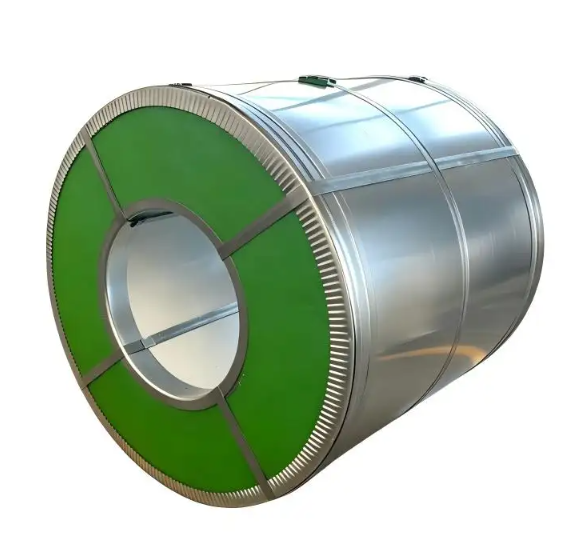
Learn why premium finish galvalume steel coil delivers better paint adhesion and visual consistency in finished building products. Request specs today.
2026/09/10
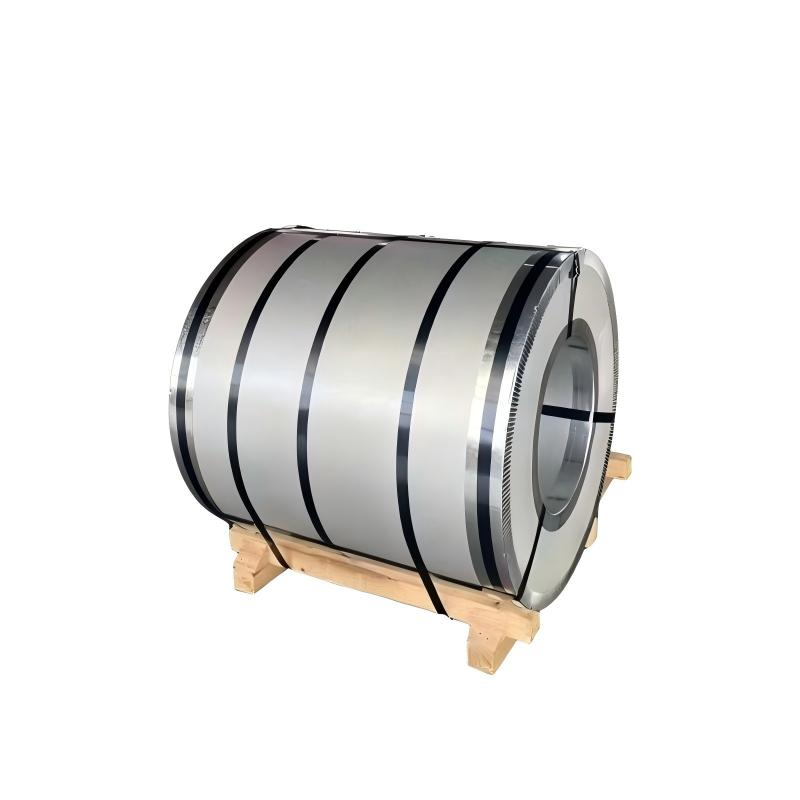
Learn why heavy coating galvalume steel coil provides superior corrosion resistance in harsh coastal settings and saves long-term maintenance costs.
2026/09/10
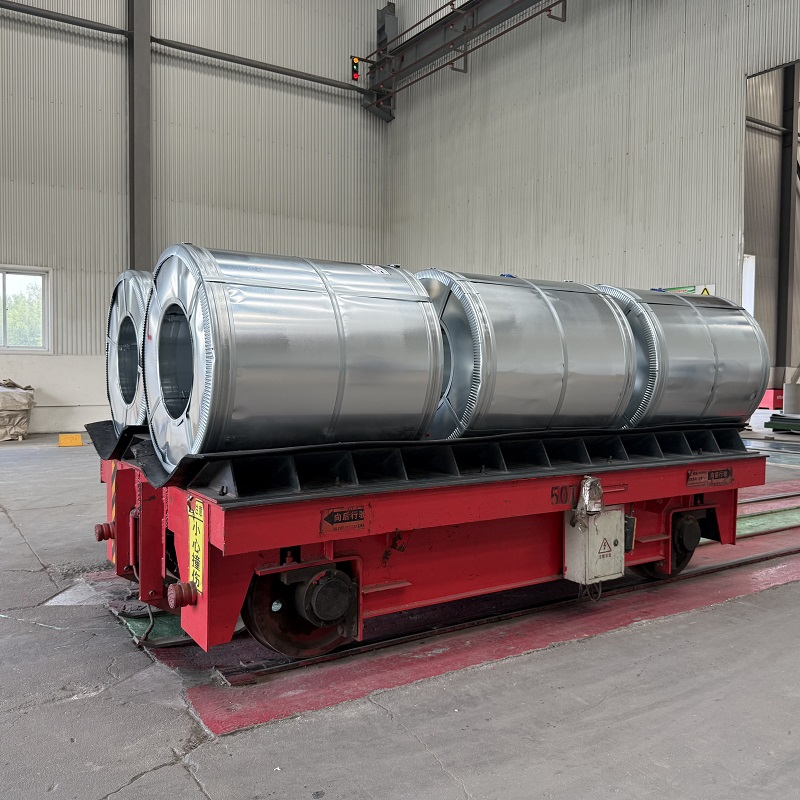
Learn how to test the bending performance of formable galvalume steel coil samples using T-bend testing to prevent cracking and scrap.
2026/09/10
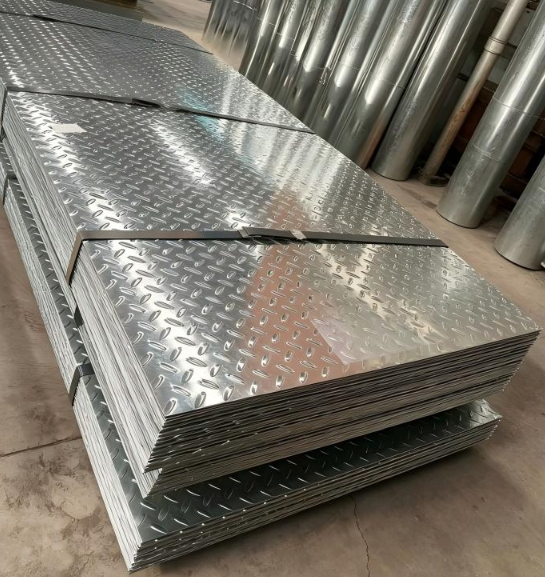
Discover how multi specification galvalume steel coil simplifies purchasing, boosts productivity, and lowers costs for metal fabricators.
2026/09/10
Discover why hot dipped galvanized steel and hot dip galvanized checkered plate offer ideal corrosion resistance and strength for road guardrails.
Covering green transformation, product comparison, selection guide, and industry empowerment, helping you fully grasp the dynamics of the color steel industry.

Global climate action and Belt and Road cooperation are driving the color steel industry’s shift toward green, sustainable development.
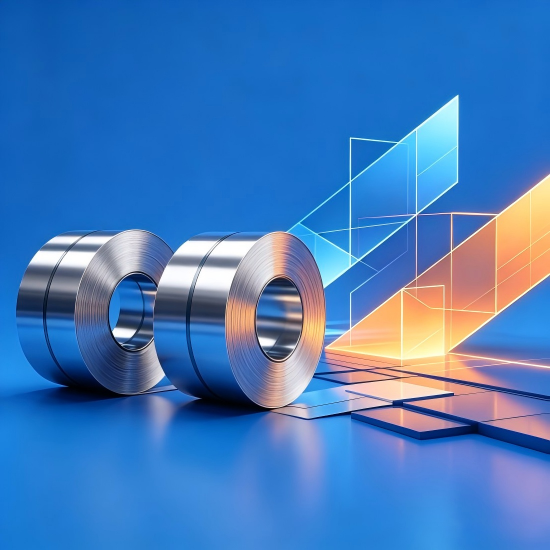
Comparing PPGI and PPGL across performance, durability, and applications to help you select the optimal coated steel for your project.
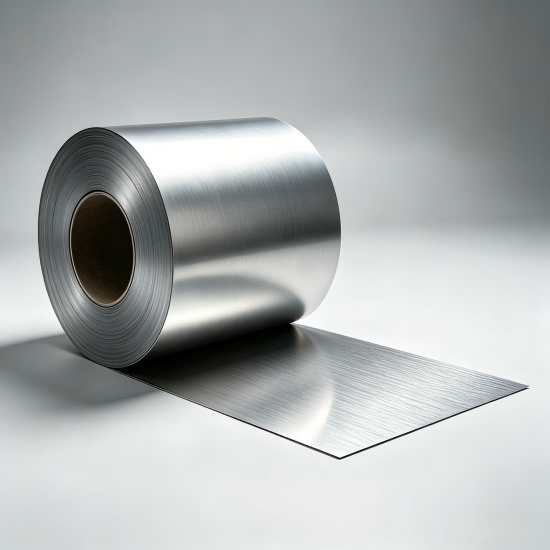
A practical guide to selecting and applying color steel coils, ensuring optimal performance, durability, and cost-effectiveness for your projects.
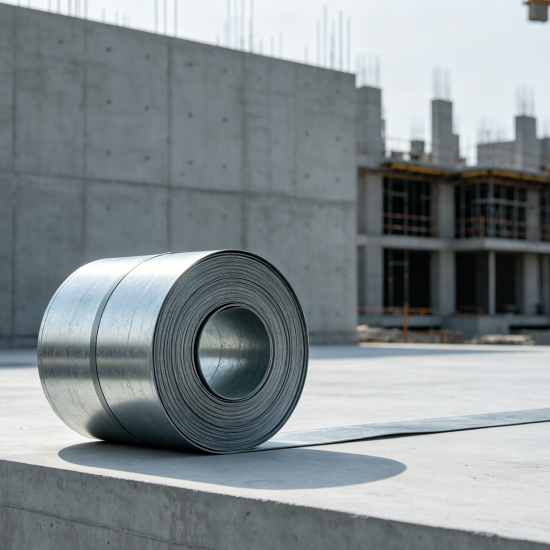
Industry forum drives digital and green transformation, empowering steel sector development through innovation and collaboration.