EN
EN

How to customize length size of precision cut GI coil finished sheets
2026/09/11
Learn how to specify precision cut GI coil sheets in custom lengths — tolerance selection, coating integrity, and ordering tips.
2026/08/08
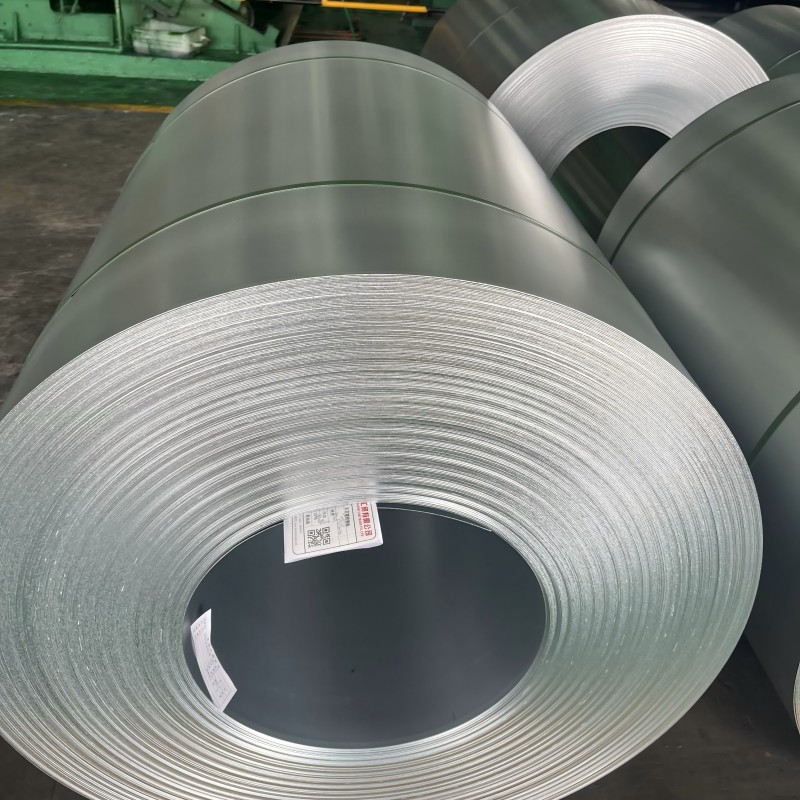
Selecting between GI coil and galvalume steel coil for a corrosion-sensitive construction project represents one of the most consequential decisions a procurement manager or engineer can make. Drawing from years of supplying both high-grade materials to international commercial and industrial markets, observing how these two distinct steel substrates weather over time reveals clear patterns. Understanding the differences in anti rust service life between GI coil and its galvalume counterpart—frequently processed further into PPGL coil—allows buyers to precisely match material specifications to project requirements, environmental hazards, and budgetary boundaries.
Evaluating material performance goes far beyond looking at initial purchase prices. True asset longevity relies heavily on understanding how metallic coating compositions interact with local climates, atmospheric pollution, and moisture levels. Let us dive deep into the core technical differences, field performance metrics, and lifecycle economics of these popular metal solutions.
The fundamental performance distinction between GI coil and galvalume steel coil lies entirely in their protective metallic coating composition.
Traditional GI coil relies on a pure zinc coating layer. This coating provides exceptional sacrificial protection, meaning the surrounding zinc corrodes preferentially to protect the exposed underlying carbon steel substrate at cut edges or mechanical scratches.
In contrast, galvalume steel coil utilizes a specialized hot-dipped alloy coating consisting of approximately 55 percent aluminum, 43.5 percent zinc, and 1.5 percent silicon. This unique formula creates a dual-action protection mechanism: the aluminum component forms a remarkably stable, highly dense barrier layer against atmospheric elements, while the interspersed zinc provides targeted sacrificial protection at exposed edges.
Consequently, PPGL coil—the pre-painted derivative utilizing a galvalume substrate—typically achieves two to three times the anti rust service life of equivalent GI coil deployed in identical atmospheric conditions. Field studies consistently demonstrate that galvalume and PPGL options undergo significantly slower annual corrosion penetration rates than pure zinc alternatives, showcasing the superior durability of aluminum-zinc alloy matrices.
The operational anti rust service life of GI coil versus galvalume steel coil fluctuates drastically depending on the regional climate and local corrosive environment. The structural comparison below highlights average corrosion rate data gathered from multi-year outdoor exposure test sites.
Rural and Inland Climates
GI Coil Corrosion Rate: 1.0-2.0 microns/yr
Galvalume Coil Corrosion Rate: 0.4-0.8 microns/yr
Performance Ratio: Galvalume lasts roughly 2.5 times longer due to low pollution and minimal airborne chlorides.
Urban and Industrial Sectors
GI Coil Corrosion Rate: 3.0-5.0 microns/yr
Galvalume Coil Corrosion Rate: 1.0-2.0 microns/yr
Performance Ratio: Galvalume handles sulfur dioxide and acid rain exposure with superior resilience.
Coastal Marine Environments
GI Coil Corrosion Rate: 8.0-15.0 microns/yr
Galvalume Coil Corrosion Rate: 3.0-6.0 microns/yr
Performance Ratio: Galvalume delivers up to 3x longer life thanks to heavy chloride salt spray resistance.
Desert and Arid Regions
GI Coil Corrosion Rate: 0.5-1.0 microns/yr
Galvalume Coil Corrosion Rate: 0.2-0.4 microns/yr
Performance Ratio: Both materials excel, but galvalume maintains a lower long-term degradation rate.
Tropical and Humid Zones
GI Coil Corrosion Rate: 4.0-7.0 microns/yr
Galvalume Coil Corrosion Rate: 1.5-3.0 microns/yr
Performance Ratio: Outperforms standard GI coil by more than double under constant high humidity.
To illustrate how these technical variances manifest in actual field applications, examining regional construction case studies is helpful. Consider two warehouse roofing installations completed in tropical coastal zones and arid desert environments.
In humid coastal regions, roofs constructed using standard Z275 GI coil frequently begin showing red rust spotting along cut edges and fastener points within a few years, often requiring early maintenance or spot coating. Conversely, structures utilizing galvalume steel coil or premium PPGL coil in the same coastal climate show zero red rust, developing only a minor, stable aluminum oxide surface patina.
While a standard GI roof in a harsh marine environment might require full replacement or extensive recoating within a decade, a galvalume or PPGL roof easily extends well past two or three decades of reliable service. This stark contrast emphasizes that coating chemistry, rather than coating weight alone, dictates long-term anti rust success.
The initial purchase price of galvalume steel coil generally runs 15 to 25 percent higher than equivalent GI coil stock. This upfront price differential frequently tempts budget-conscious buyers to default to traditional GI alternatives. However, analyzing total lifecycle costs often flips this economic narrative entirely.
When factoring in long-term maintenance, expenses associated with scaffolding, labor for premature material removal, and potential business interruptions during roof replacement, the cumulative financial burden of using GI coil in aggressive environments becomes staggering. Over a 30-year span, premature failures on inferior substrates can push total lifecycle costs much higher than the initial savings. For projects utilizing pre-painted PPGL coil, the lifecycle advantage grows even wider because the factory-baked paint system eliminates costly field-painting cycles.
Despite the undeniable performance advantages of galvalume steel coil, specific project scenarios still favor traditional GI coil.
For interior structures or building projects located in dry, inland climates with low corrosivity categories, the extended barrier protection of galvalume may be unnecessary, making the upfront cost savings of GI coil entirely practical. Furthermore, for specific applications requiring heavy welding post-galvanizing or where a heavy-duty field coating system will be applied, the aggressive sacrificial behavior of pure zinc provides robust localized protection.
Additionally, for underground or direct soil-contact applications, pure zinc GI coil frequently outperforms galvalume because aluminum-based alloys can suffer under specific soil chemistries. Sourcing professionals must always align material selection with precise site conditions rather than assuming one substrate fits every single application.
How much longer does galvalume steel coil last compared to standard GI coil? In most standard outdoor atmospheric environments, galvalume steel coil provides roughly two to three times the anti rust service life of GI coil at equivalent coating weights. In severe coastal marine settings, this performance gap widens further due to the superior chloride tolerance of the aluminum barrier matrix.
Is PPGL coil universally better than PPGI coil for outdoor architecture? For the vast majority of exterior architectural applications, PPGL coil outperforms PPGI coil because of the underlying aluminum-zinc coating's exceptional corrosion resistance. However, for specialized manufacturing involving soil contact or extensive field welding, PPGI remains a preferred choice due to active galvanic action at cut zones.
Can increasing the coating weight on GI coil match galvalume performance? While upgrading GI coil coating weights improves overall durability, it rarely equals the unique barrier efficiency of a galvalume substrate. A heavier zinc layer provides more sacrificial mass, but the aluminum-rich oxide layer of galvalume naturally slows down atmospheric degradation much more effectively over extended timeframes.
Accurately evaluating the anti rust service life of GI coil versus galvalume steel coil is a vital engineering practice that protects project integrity and long-term investments. Whether your design calls for the sacrificial reliability of pure zinc or the advanced barrier defense of PPGL coil, matching the material to the environment guarantees success.
Shenyang Yuanhe delivers a comprehensive inventory of both GI coil and galvalume steel coil products manufactured across custom coating weights and precise dimensions. Backed by rigorous ISO-certified quality control systems, climate-specific technical recommendations, and robust global logistics support, Shenyang Yuanhe remains your trusted partner for premium steel supply chain solutions worldwide.
2026/09/11
Learn how to specify precision cut GI coil sheets in custom lengths — tolerance selection, coating integrity, and ordering tips.
2026/09/11
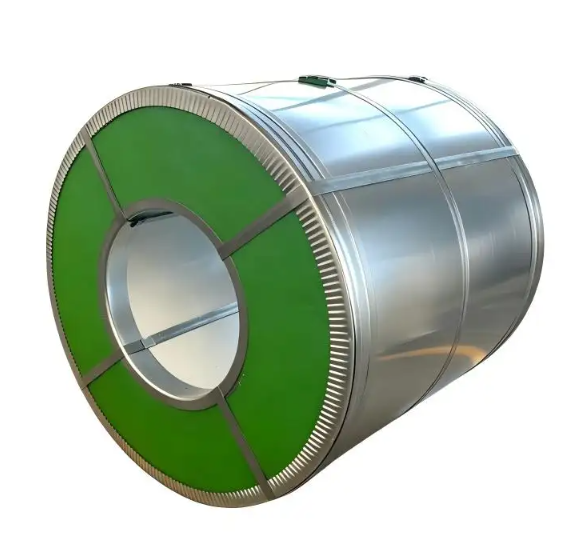
Learn why premium finish galvalume steel coil delivers better paint adhesion and visual consistency in finished building products. Request specs today.
2026/09/10
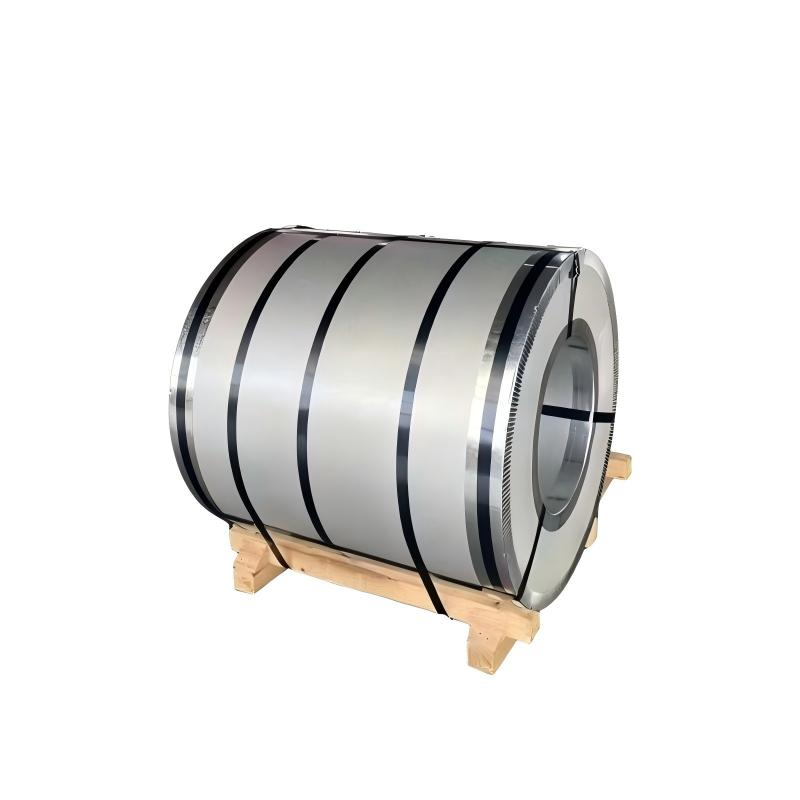
Learn why heavy coating galvalume steel coil provides superior corrosion resistance in harsh coastal settings and saves long-term maintenance costs.
2026/09/10
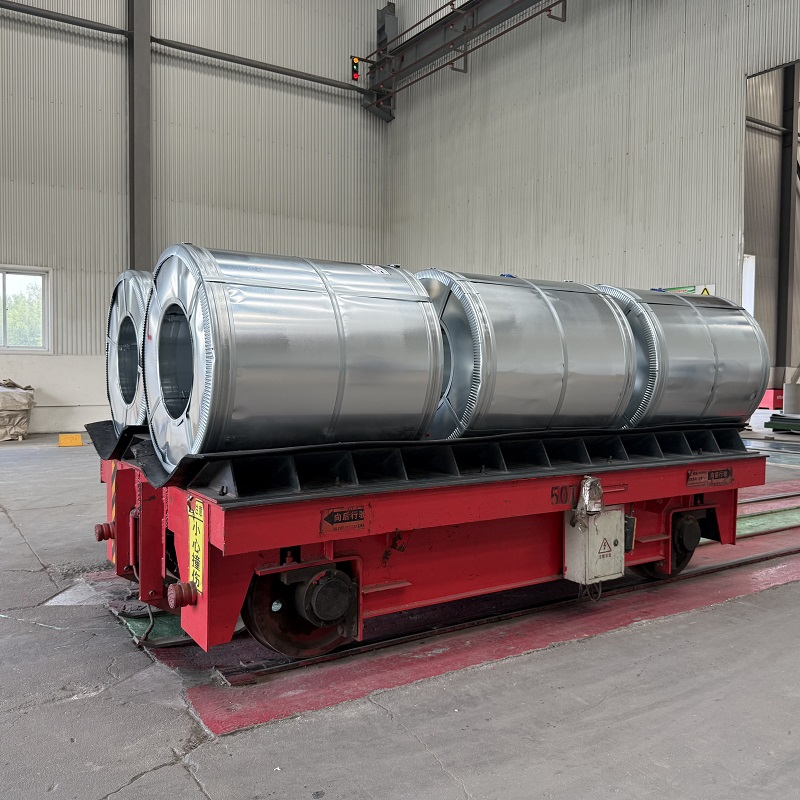
Learn how to test the bending performance of formable galvalume steel coil samples using T-bend testing to prevent cracking and scrap.
2026/09/10
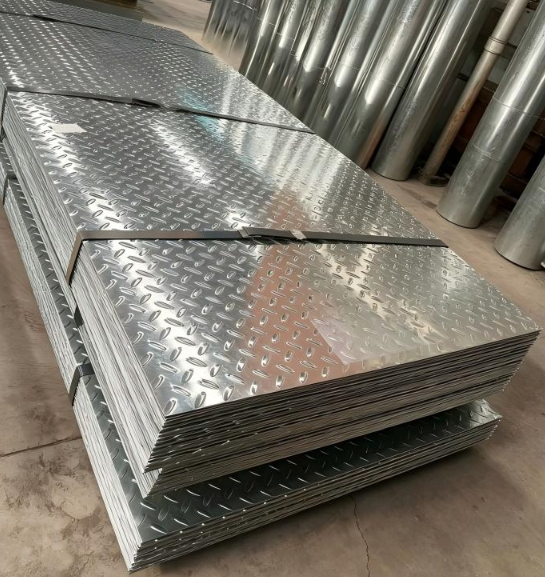
Discover how multi specification galvalume steel coil simplifies purchasing, boosts productivity, and lowers costs for metal fabricators.
2026/09/10
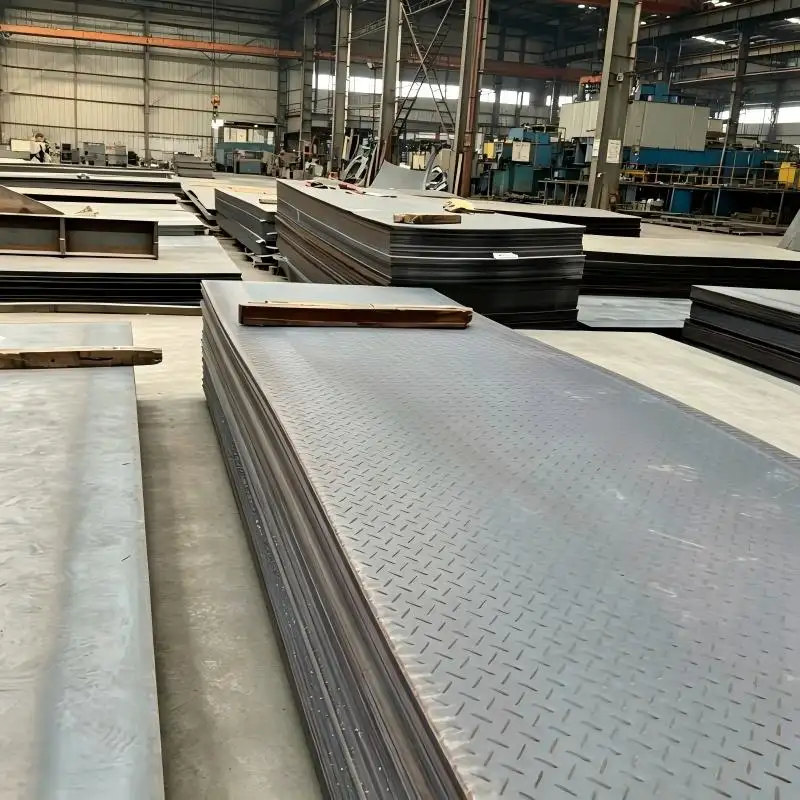
Discover why hot dipped galvanized steel and hot dip galvanized checkered plate offer ideal corrosion resistance and strength for road guardrails.
Covering green transformation, product comparison, selection guide, and industry empowerment, helping you fully grasp the dynamics of the color steel industry.

Global climate action and Belt and Road cooperation are driving the color steel industry’s shift toward green, sustainable development.

Comparing PPGI and PPGL across performance, durability, and applications to help you select the optimal coated steel for your project.
A practical guide to selecting and applying color steel coils, ensuring optimal performance, durability, and cost-effectiveness for your projects.
Industry forum drives digital and green transformation, empowering steel sector development through innovation and collaboration.