EN
EN

How to customize length size of precision cut GI coil finished sheets
2026/09/11
Learn how to specify precision cut GI coil sheets in custom lengths — tolerance selection, coating integrity, and ordering tips.
2026/07/24
Why Thickness Selection Matters for Color Coated Aluminum Coil
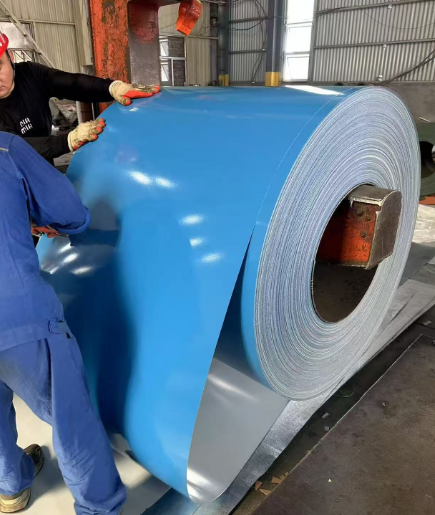
Selecting the correct thickness of color coated aluminum coil is a decision that directly impacts structural performance, cost efficiency, and long-term durability of construction projects. Color coated aluminum coil is available in a wide range of thicknesses, typically from 0.2 millimeters for thin gauge color coil to 3.0 millimeters or more for heavy structural applications. Each thickness range serves different functional requirements, from interior decoration and appliance panels to exterior wall cladding and roofing systems. Choosing an insufficient thickness can lead to panel denting, oil canning, and inadequate wind load resistance, while specifying an excessively thick coil unnecessarily increases material cost and dead load on the building structure. Understanding the relationship between coil thickness, application requirements, and performance characteristics helps construction professionals make optimized material selections.
Thickness Ranges and Their Typical Applications
Color coated aluminum coil is generally categorized into three thickness ranges for construction applications. Thin gauge color coil, ranging from 0.2 to 0.5 millimeters, is commonly used for interior wall panels, ceiling systems, decorative trim, and signage applications where structural loads are minimal. The medium thickness range of 0.5 to 1.2 millimeters serves a broad spectrum of exterior applications, including facade panels, roofing sheets, and rainwater systems. For heavy-duty applications such as structural cladding, industrial roofing, and curtain wall cassette systems, color coated aluminum coil with thicknesses of 1.2 to 3.0 millimeters provides the required rigidity and impact resistance. Thin gauge color coil offers cost advantages for large-surface-area applications where the material is supported by a rigid substrate, while thicker coils are necessary for self-supporting panel systems.
Structural and Wind Load Considerations
In exterior construction applications, the thickness of color coated aluminum coil must be sufficient to resist wind loads, thermal expansion stresses, and impact forces. Building codes in different regions specify minimum wind load resistance requirements for facade and roofing materials. For example, in typhoon-prone regions of Southeast Asia, color coated aluminum coil used for roofing applications typically requires a minimum thickness of 0.6 millimeters to withstand design wind pressures. Thin gauge color coil may be suitable for decorative applications on sheltered wall surfaces, but it should not be used as a primary weather barrier in high-wind zones. Engineers must calculate the required panel thickness based on span length, support spacing, expected wind loads, and the material's mechanical properties, including yield strength and modulus of elasticity.
Cost Optimization and Material Efficiency
The cost of color coated aluminum coil is directly proportional to its thickness, as the raw material accounts for the majority of the product cost. Specifying the appropriate thickness for each application avoids unnecessary material expenditure while maintaining performance requirements. Thin gauge color coil, with its lower per-unit-area cost, is ideal for applications where a backing substrate provides structural support. For example, using 0.3 millimeter color coated aluminum coil bonded to a honeycomb core can achieve the visual performance of a 2.0 millimeter solid panel at a fraction of the weight and cost. Construction project managers should work closely with material suppliers to evaluate whether thinner coil combined with engineered support systems can deliver equivalent performance to thicker solid panels at lower total project cost.
Formability and Fabrication Requirements
The thickness of color coated aluminum coil also determines its formability and the fabrication methods that can be used. Thin gauge color coil can be easily roll-formed, bent, and stamped into complex profiles, making it suitable for continuous production of roofing sheets, corrugated panels, and linear ceiling systems. Thicker color coated aluminum coil requires more powerful equipment for bending and forming, and the minimum bend radius increases with thickness. For projects that require deep drawing or complex panel geometries, coil thickness must be selected to ensure that the coating does not crack during forming. The coating type also interacts with thickness in determining formability: PVDF coatings generally offer better flexibility than polyester coatings at equivalent thicknesses.
Case Study: Mixed-Use Development Thickness Optimization
A mixed-use development project in Central Asia required color coated aluminum coil for multiple applications, including exterior wall cladding, roofing, and interior ceiling panels. The project team initially specified a uniform 1.5 millimeter thickness for all aluminum applications, which resulted in a material budget that exceeded the project allocation. After consulting with material specialists, the team revised the specification to use 0.3 millimeter thin gauge color coil for interior ceiling panels supported by a grid system, 0.8 millimeter color coated aluminum coil for exterior wall cladding panels, and 2.0 millimeter coil for exposed roofing panels requiring high wind load resistance. This optimized thickness specification reduced total material cost by approximately 25 percent while meeting all structural and aesthetic requirements. The project demonstrates that matching coil thickness to specific application requirements, rather than applying a uniform specification, delivers significant cost savings. Suppliers such as Shenyang Yuanhe, which offer thickness customization from 0.09 to 1.5 millimeters and provide technical support for material selection, can help construction teams optimize their specifications.
Frequently Asked Questions
What is the minimum thickness for color coated aluminum coil used in exterior wall cladding?
For exterior wall cladding applications, color coated aluminum coil should generally be at least 0.5 millimeters thick. In high-wind areas, a minimum of 0.7 to 0.8 millimeters is recommended to ensure adequate panel rigidity and wind load resistance.
Can thin gauge color coil be used for roofing applications?
Thin gauge color coil below 0.5 millimeters is generally not recommended for self-supporting roofing applications. For roofing over a solid substrate or in low-wind areas, 0.4 to 0.5 millimeter coil may be acceptable, but most roofing applications require 0.6 millimeters or thicker.
How does coating type affect the minimum bend radius for different thicknesses?
PVDF coatings generally offer better flexibility than polyester coatings, allowing smaller bend radii at equivalent thicknesses. For color coated aluminum coil thicker than 1.5 millimeters, PVDF coating is recommended if tight bend radii are required during fabrication.
2026/09/11
Learn how to specify precision cut GI coil sheets in custom lengths — tolerance selection, coating integrity, and ordering tips.
2026/09/11
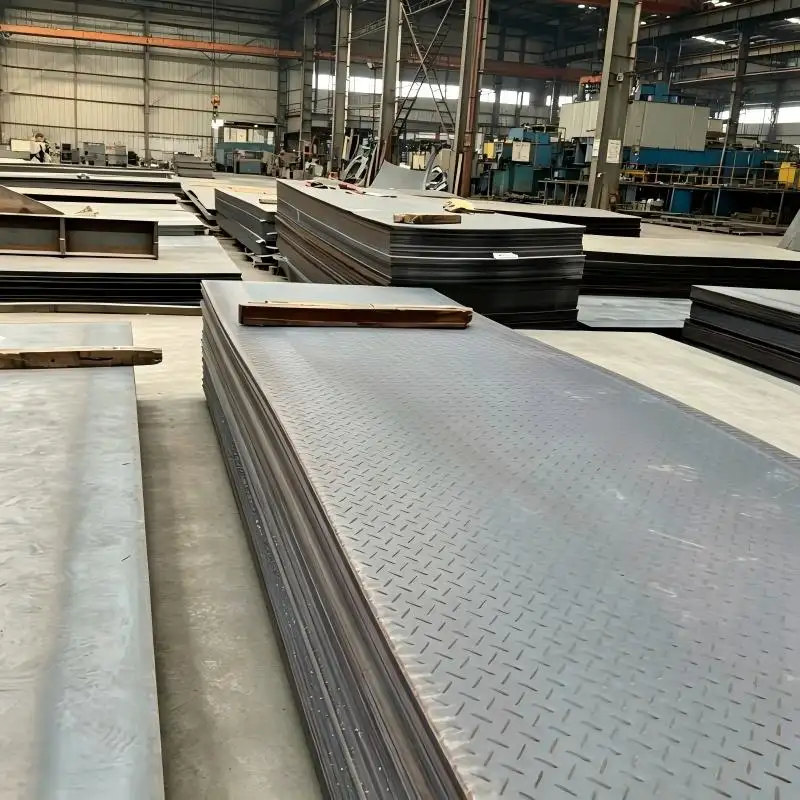
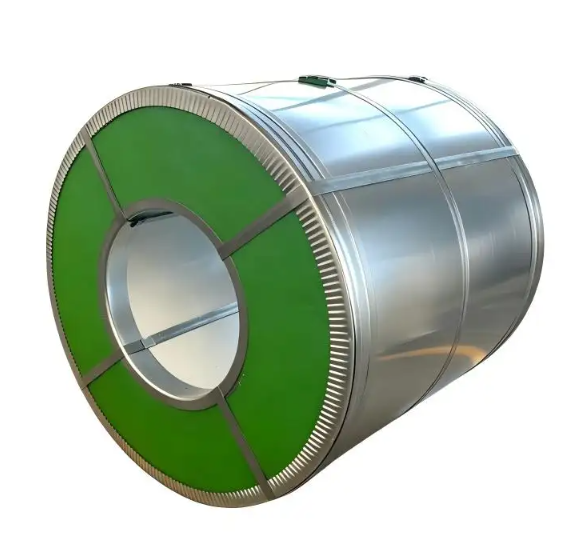
Learn why premium finish galvalume steel coil delivers better paint adhesion and visual consistency in finished building products. Request specs today.
2026/09/10
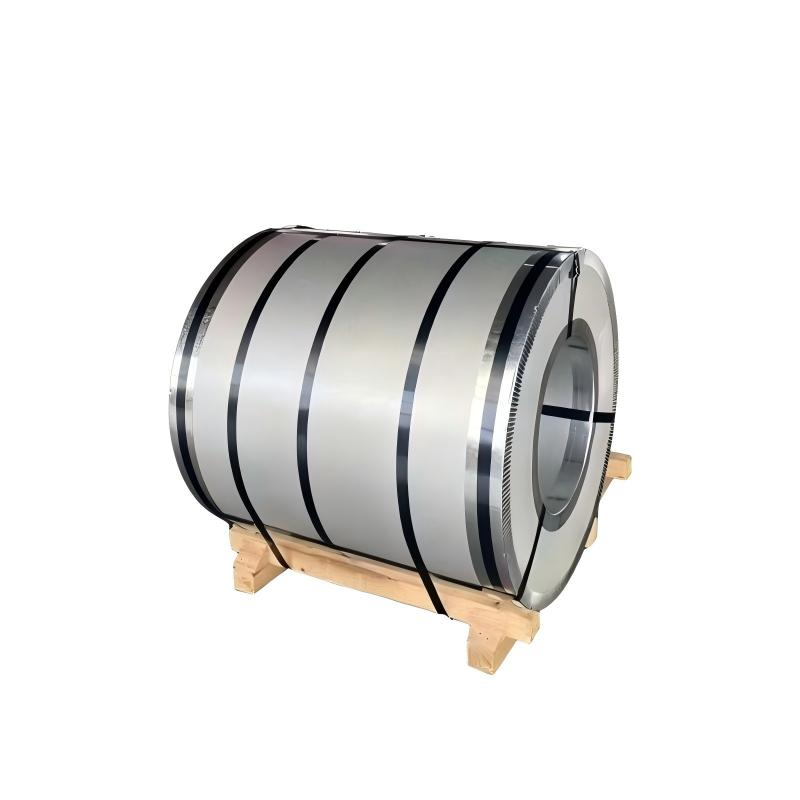
Learn why heavy coating galvalume steel coil provides superior corrosion resistance in harsh coastal settings and saves long-term maintenance costs.
2026/09/10
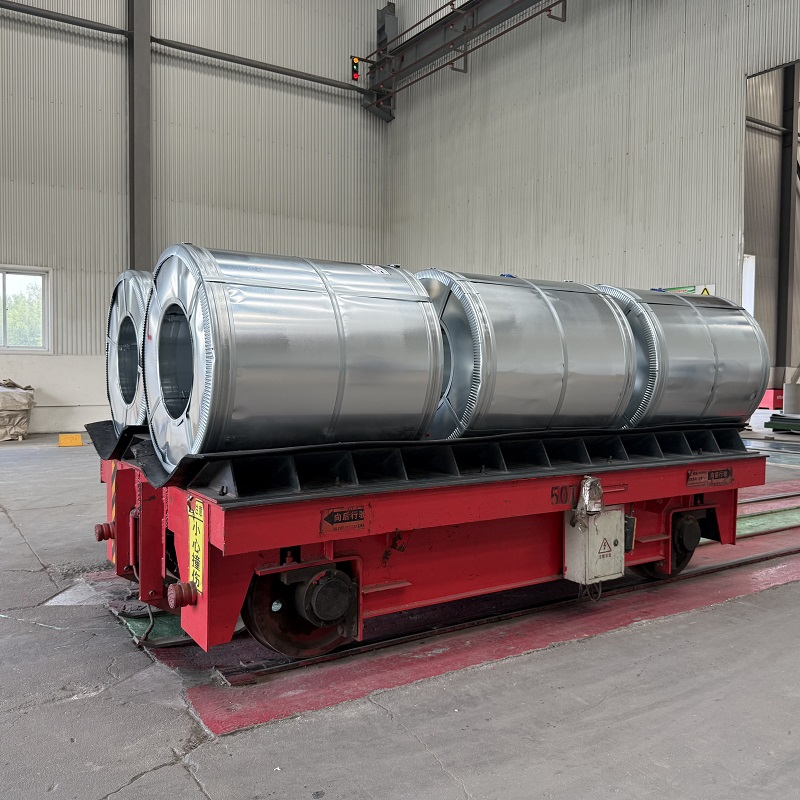
Learn how to test the bending performance of formable galvalume steel coil samples using T-bend testing to prevent cracking and scrap.
2026/09/10
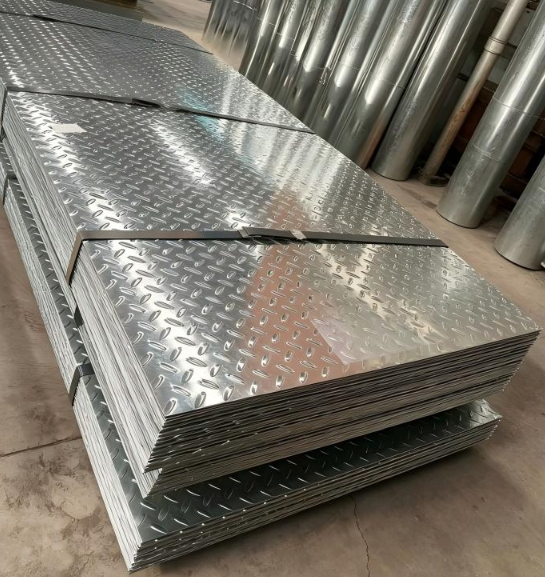
Discover how multi specification galvalume steel coil simplifies purchasing, boosts productivity, and lowers costs for metal fabricators.
2026/09/10
Discover why hot dipped galvanized steel and hot dip galvanized checkered plate offer ideal corrosion resistance and strength for road guardrails.
Covering green transformation, product comparison, selection guide, and industry empowerment, helping you fully grasp the dynamics of the color steel industry.

Global climate action and Belt and Road cooperation are driving the color steel industry’s shift toward green, sustainable development.

Comparing PPGI and PPGL across performance, durability, and applications to help you select the optimal coated steel for your project.
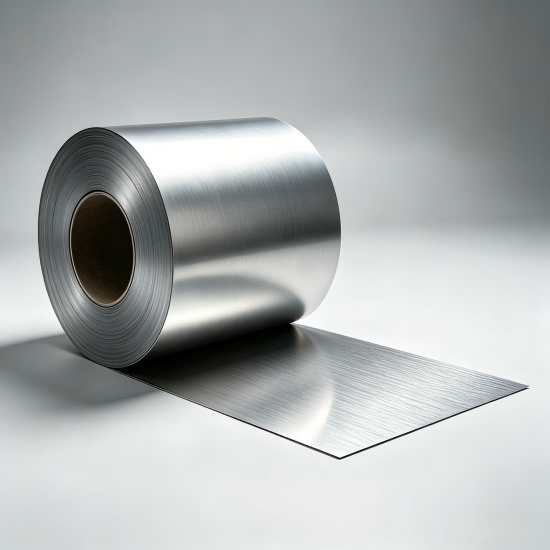
A practical guide to selecting and applying color steel coils, ensuring optimal performance, durability, and cost-effectiveness for your projects.
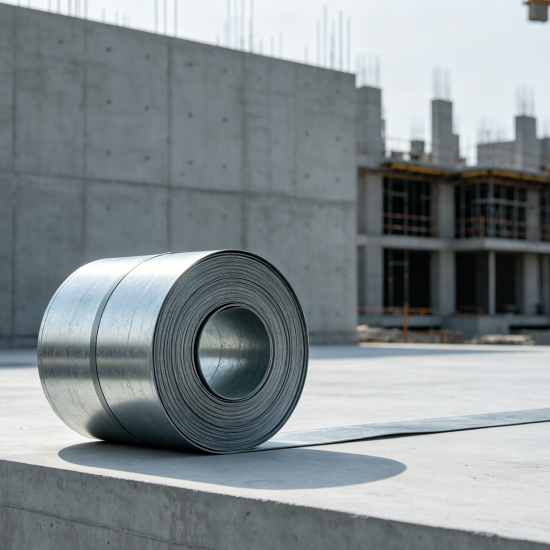
Industry forum drives digital and green transformation, empowering steel sector development through innovation and collaboration.