EN
EN

How to customize length size of precision cut GI coil finished sheets
2026/09/11
Learn how to specify precision cut GI coil sheets in custom lengths — tolerance selection, coating integrity, and ordering tips.
2026/08/05
Agricultural buildings face some of the most aggressive corrosion environments in the construction sector. Livestock barns, fertilizer storage facilities, and grain silos expose steel components to ammonia vapor, animal waste acids, chemical dust, and constant moisture. Selecting the correct GI coil for these applications is not a matter of preference but of structural survival. Every agricultural building project requires careful material specification to achieve its intended service life. Over five years of supplying galvanized coil to agricultural projects across Southeast Asia and Africa, I have documented how zinc coating weight choices made during procurement directly determine whether a building lasts 15 years or 50 years. This guide provides a systematic framework for choosing hot dipped galvanized steel sheet for agricultural buildings, covering environmental classification, zinc coating selection, sheet thickness considerations, and supplier evaluation.
Agricultural buildings present unique corrosion challenges that differ from standard industrial or marine environments. The corrosion severity depends on three factors: animal density, chemical exposure, and ventilation quality. Livestock barns with high animal density generate ammonia concentrations reaching 20 to 50 ppm, which combines with moisture to form ammonium hydroxide that aggressively attacks zinc coatings. Fertilizer storage facilities expose galvanized coil to ammonium nitrate, urea, and phosphate dust, all of which create localized acidic conditions. The GI coil used in these facilities requires heavier zinc coatings. Grain storage silos face lower chemical attack but experience condensation cycles that test the galvanized coil coating adhesion through repeated wet and dry transitions. Selecting the correct GI coil for these varied conditions ensures long building life. Based on ISO 9223 corrosion classification, agricultural environments typically fall into categories C3 (moderate, well ventilated barns) to C5 (very high, enclosed livestock facilities with poor ventilation). For GI coil selection, the C3 category requires minimum Z180 zinc coating (180 grams per square meter per side), while C5 agricultural environments demand Z275 or even Z350 galvanized coil for long term protection of any agricultural building.
The zinc coating weight on galvanized coil represents the primary defense against agricultural corrosion. ASTM A653 classifies GI coil coating weights from Z90 (90 g/m2 per side) to Z350 (350 g/m2 per side). For agricultural building applications, the minimum recommended coating weight varies significantly by building function. Poultry barns, with their high ammonia and moisture levels, require Z275 galvanized coil for roof and wall cladding to achieve a 25 year service life. Cattle barns with moderate ventilation can use Z180 to Z220 GI coil for structural purlins and cladding. Equipment storage sheds in open, well ventilated locations may accept Z120 to Z180 galvanized coil for non structural applications. Grain silo walls, which face abrasion from grain loading and unloading combined with condensation, benefit from Z275 GI coil with a light chromate passivation treatment to slow white rust formation during initial exposure. In a 2022 dairy farm project in Malaysia, the builder used Z220 galvanized coil for the main barn structure and Z275 GI coil for the manure handling area, reflecting the different corrosion intensities within the same facility.
Beyond zinc coating weight, sheet thickness for agricultural buildings must account for span requirements, wind loads, and impact resistance. Roof cladding on agricultural buildings typically uses 0.40 mm to 0.60 mm GI coil, with the lower end suitable for small span sheds and the higher end for barns with roof spans exceeding 8 meters. Wall cladding can use slightly thinner galvanized coil, 0.35 mm to 0.50 mm, since walls experience lower wind pressure than roofs. For structural purlins and girts, 1.5 mm to 3.0 mm thick GI coil is roll formed into C or Z profiles that support the cladding. Agricultural buildings in cyclone or hurricane zones require additional thickness: a poultry farm in the Philippines upgraded roof cladding from 0.40 mm to 0.55 mm galvanized coil after Typhoon Rai demonstrated that standard thickness lacked sufficient pullout resistance at screw fastening points. For all GI coil used in agricultural buildings, the combination of correct zinc coating weight and adequate sheet thickness determines long term performance. The cost increase was approximately 18 percent, but the building survived subsequent storms without roof loss.
Hot dipped galvanized coil for agricultural buildings can benefit from additional surface treatments that extend service life. Each agricultural building type presents unique surface treatment requirements. Chromate passivation, applied during the galvanizing line, forms a thin chromium oxide layer that prevents white rust during storage and transportation. For GI coil destined for enclosed agricultural environments, a light oiling treatment provides additional temporary protection during the first months of exposure before the zinc coating develops its stable patina. Some manufacturers offer galvanized coil with an additional organic coating layer (typically 3 to 5 micrometers) that provides a transparent barrier against ammonia attack, extending the time to first red rust by 30 to 40 percent compared to bare galvanized coil in poultry barn environments. This treatment, while adding 5 to 8 percent to material cost, can delay the need for first maintenance by 5 to 8 years in aggressive livestock environments. For any agricultural building project, selecting the right GI coil and galvanized coil specification is the single most impactful decision for long-term durability.
Selecting a reliable galvanized coil supplier for agricultural projects requires verification beyond catalog specifications. For any agricultural building, the material quality directly determines the structure's longevity. Request mill test certificates showing actual zinc coating weight measurements per ASTM A90 (weight loss method) or ASTM A123 (magnetic method). Verify that the GI coil spangle type is appropriate: regular spangle is acceptable for structural applications, while minimized spangle or iron zinc alloyed (galvannealed) surfaces provide better paint adhesion if the agricultural building will later receive a topcoat. Check the coil's flatness classification, as wavy galvanized coil will produce visually uneven cladding that collects dirt and moisture in low spots, accelerating localized corrosion. Request samples of the GI coil to verify spangle uniformity and surface quality before placing full orders. Shenyang Yuanhe Steel supplies GI coil to ASTM A653 and JIS G3302 standards with zinc coating weights from Z20 to Z275, offering custom slitting and cut to length services for agricultural building projects. Their ISO certified production lines and three tier quality control system ensure that galvanized coil for agricultural applications meets the specified coating weight and flatness requirements, with 6 to 14 day lead times supporting time sensitive construction schedules.
Comparison Table
|
Agricultural Building Type |
Corrosion Class |
Min Zinc Coating |
Sheet Thickness |
Expected Service Life |
|
Equipment storage shed (open) |
C2-C3 |
Z120-Z180 |
0.35-0.45 mm |
20-25 years |
|
Cattle barn (moderate ventilation) |
C3 |
Z180-Z220 |
0.40-0.50 mm |
20-30 years |
|
Poultry barn (high ammonia) |
C4-C5 |
Z275-Z350 |
0.45-0.60 mm |
25-35 years |
|
Grain silo (condensation) |
C3-C4 |
Z220-Z275 |
0.50-0.80 mm |
25-30 years |
|
Fertilizer storage (chemical) |
C5 |
Z275+organic |
0.50-0.60 mm |
20-25 years |
|
Manure handling area |
C5 |
Z275-Z350 |
0.50-0.60 mm |
20-25 years |
Frequently Asked Questions
Q: What zinc coating weight is recommended for poultry barn roofing?
A: Poultry barns require Z275 to Z350 zinc coating weight due to high ammonia concentrations (20-50 ppm) that aggressively attack zinc. Z275 galvanized coil typically provides 25 to 35 years of service life in poultry environments, while lighter coatings may show red rust within 10 to 15 years.
Q: Should agricultural buildings use regular or minimized spangle GI coil?
A: Regular spangle is acceptable for structural applications where the galvanized coil will not be painted. If the building will receive a topcoat, choose minimized spangle or galvannealed (iron-zinc alloyed) surface for superior paint adhesion. For visible wall cladding, minimized spangle provides a more uniform appearance.
Q: How does cyclone risk affect GI coil thickness selection for agricultural buildings?
A: In cyclone or hurricane zones, increase roof cladding thickness by at least 0.10 to 0.15 mm above standard specifications. For example, upgrade from 0.40 mm to 0.55 mm galvanized coil to improve fastener pullout resistance and prevent roof loss during extreme wind events. The cost increase of 15-20 percent is justified by avoided structural damage.
2026/09/11
Learn how to specify precision cut GI coil sheets in custom lengths — tolerance selection, coating integrity, and ordering tips.
2026/09/11
Learn why premium finish galvalume steel coil delivers better paint adhesion and visual consistency in finished building products. Request specs today.
2026/09/10
Learn why heavy coating galvalume steel coil provides superior corrosion resistance in harsh coastal settings and saves long-term maintenance costs.
2026/09/10
Learn how to test the bending performance of formable galvalume steel coil samples using T-bend testing to prevent cracking and scrap.
2026/09/10
Discover how multi specification galvalume steel coil simplifies purchasing, boosts productivity, and lowers costs for metal fabricators.
2026/09/10
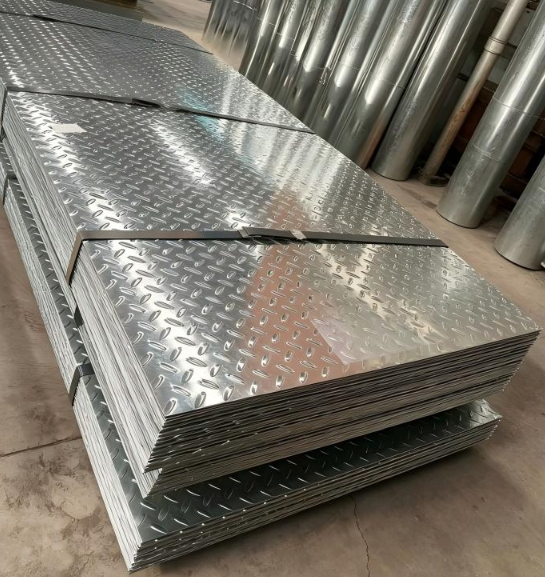
Discover why hot dipped galvanized steel and hot dip galvanized checkered plate offer ideal corrosion resistance and strength for road guardrails.
Covering green transformation, product comparison, selection guide, and industry empowerment, helping you fully grasp the dynamics of the color steel industry.

Global climate action and Belt and Road cooperation are driving the color steel industry’s shift toward green, sustainable development.

Comparing PPGI and PPGL across performance, durability, and applications to help you select the optimal coated steel for your project.
A practical guide to selecting and applying color steel coils, ensuring optimal performance, durability, and cost-effectiveness for your projects.
Industry forum drives digital and green transformation, empowering steel sector development through innovation and collaboration.