EN
EN

How to customize length size of precision cut GI coil finished sheets
2026/09/11
Learn how to specify precision cut GI coil sheets in custom lengths — tolerance selection, coating integrity, and ordering tips.
2026/07/30
Selecting appropriate pre-painted steel for construction requires thorough understanding of differences between ppgl ppgi options available in the market. Both materials appear visually similar when installed, yet their substrate compositions create significantly different performance profiles that affect long-term building performance. Quality ppgl and ppgi material selection begins with recognizing that PPGI uses hot-dip galvanized substrate with pure zinc coating exceeding 99 percent zinc content, while PPGL employs aluminum-zinc alloy substrate containing 55 percent aluminum, 43.4 percent zinc, and 1.6 percent silicon. This fundamental substrate difference determines corrosion protection mechanism, temperature resistance capability, and overall service life, making the choice between ppgl ppgi a critical technical decision for construction project materials specification. For construction projects with varying environmental exposure conditions, understanding quality ppgl and ppgi material properties ensures appropriate specification matching project requirements. The ppgl ppgi comparison is not merely cost-based but performance-driven, requiring careful evaluation of project environment, anticipated service life, and maintenance budget constraints. Quality ppgl and ppgi material specifications must be matched to specific construction project materials zones, as different areas of the same building may require different ppgl ppgi material selections for optimal performance and cost efficiency in construction project materials planning.
Corrosion protection mechanisms of ppgl ppgi materials differ fundamentally due to their distinct substrate compositions. PPGI relies on the sacrificial anode principle, where pure zinc preferentially corrodes to protect underlying steel from oxidation. This mechanism provides effective cathodic protection but depletes zinc layer thickness over time, particularly in humid or marine environments where corrosion rates accelerate. Quality ppgl and ppgi material comparison reveals that PPGL utilizes dual protection: aluminum content forms a dense oxide barrier film isolating steel from corrosive elements, while zinc provides sacrificial protection at cut edges and damaged areas. Independent laboratory testing demonstrates that PPGL substrates achieve 3 to 6 times better salt spray resistance than standard galvanized substrates used in PPGI production. For coastal, industrial, and high-humidity environments, ppgl ppgi performance differences are most pronounced and measurable, making quality ppgl and ppgi material selection critical for long-term construction project materials performance in corrosive conditions. The aluminum-zinc alloy substrate of PPGL also provides superior cut-edge protection compared to pure zinc, as the aluminum oxide barrier extends slightly beyond cut edges, slowing corrosion initiation at these vulnerable points. Understanding these ppgl ppgi substrate differences enables engineers to make informed quality ppgl and ppgi material specifications based on construction project materials requirements and specific environmental exposure conditions.
When evaluating ppgl ppgi materials for construction projects, three critical performance dimensions require systematic comparison. Temperature resistance: PPGI withstands approximately 220 degrees Celsius maximum continuous exposure, while PPGL maintains structural integrity up to 315 degrees, making quality ppgl and ppgi material selection particularly important for high-temperature construction project materials applications. Weathering performance: both ppgl ppgi materials with PVDF or HDP coatings achieve good color retention, but PPGL substrates demonstrate superior long-term corrosion protection beneath the paint film. PPGL extends practical service life to 20-plus years compared to 10 to 15 years for PPGI in equivalent environmental conditions. Heat reflectivity: PPGL reflects up to 75 percent of solar radiation, reducing interior building temperatures and air conditioning loads, while PPGI offers lower reflectivity. For ppgl ppgi selection in energy-efficient construction project materials design, PPGL advantages in temperature resistance, weathering performance, and heat reflectivity often justify its higher initial material cost. Quality ppgl and ppgi material performance data should be compared using standardized test methods including ASTM B117 salt spray and ASTM G154 UV weathering to ensure accurate ppgl ppgi selection decisions for construction project materials. Additionally, PPGL substrates demonstrate better coating adhesion retention under thermal cycling conditions, reducing paint delamination risk in construction project materials exposed to significant temperature variations.
The decision between ppgl ppgi should be driven by specific application requirements rather than general assumptions about material superiority. For indoor decoration, appliance panels, dry-area warehouses, and temporary structures with 5 to 8 year service cycles, PPGI provides adequate performance at lower cost, making it the preferred ppgl ppgi choice for these construction project materials applications. For permanent buildings in coastal zones, chemical processing plants, and high-temperature equipment enclosures, quality ppgl and ppgi material selection should favor PPGL due to its superior corrosion resistance and thermal stability. Public infrastructure projects like airports, stadiums, and transportation hubs designed for 20-plus years of service benefit significantly from PPGL weathering performance and reduced maintenance requirements. A practical ppgl ppgi selection framework considers anticipated service life, environmental corrosivity classification per ISO 9223, maximum operating temperature, and life-cycle cost analysis for construction project materials. Quality ppgl and ppgi material specifications should match each project zone individually rather than applying uniform material selection across entire building envelopes, optimizing both performance and cost in ppgl ppgi decision-making for construction project materials. For example, building roofs facing direct weather exposure may warrant PPGL while sheltered interior walls can use PPGI, creating a hybrid ppgl ppgi specification that balances quality ppgl and ppgi material performance with construction project materials budget constraints.
Cost comparison between ppgl ppgi extends well beyond initial procurement price to encompass life-cycle economics. PPGI offers 10 to 15 percent lower procurement cost, but quality ppgl and ppgi material life-cycle analysis shows PPGL achieves lower total ownership cost for long-term construction project materials through avoided maintenance and replacement expenses. A coastal resort development in Southeast Asia required 800 tons of pre-painted steel for roof and wall cladding systems. The design team initially proposed PPGI for all areas based on initial cost estimates, but value engineering recommended reevaluating ppgl ppgi selection based on 20-year life-cycle costs. After detailed analysis, the team selected quality ppgl and ppgi material strategically: PPGL with PVDF coating for roof and exterior wall cladding facing direct marine exposure, and PPGI with PE coating for interior partition panels in protected environments. Shenyang Yuanhe Steel supplied both ppgl ppgi materials from standing inventory with consistent RAL colors, thicknesses from 0.3mm to 0.8mm, and complete mill test certificates documenting substrate composition for construction project materials verification. This hybrid ppgl ppgi approach optimized project cost while ensuring performance, demonstrating how informed quality ppgl and ppgi material decisions balance initial investment with long-term construction project materials service life requirements effectively.
Q: Can I use PPGI instead of PPGL to save cost on coastal construction project materials?
A: While PPGI costs less initially, coastal environments accelerate zinc depletion significantly. For ppgl ppgi selection in C4 or higher corrosivity environments, PPGL provides better long-term value as construction project materials despite higher initial cost.
Q: How do I verify whether supplied material is genuinely PPGL or PPGI?
A: Request mill test certificates specifying substrate type for quality ppgl and ppgi material verification. DX51D+Z indicates PPGI substrate, while DX51D+AZ indicates PPGL substrate for construction project materials.
Q: What coating system maximizes service life for ppgl ppgi construction project materials?
A: PVDF coating on PPGL substrate provides longest service life exceeding 25 years. For ppgl ppgi projects with moderate budgets, HDP on PPGL offers good performance as construction project materials.
2026/09/11
Learn how to specify precision cut GI coil sheets in custom lengths — tolerance selection, coating integrity, and ordering tips.
2026/09/11
Learn why premium finish galvalume steel coil delivers better paint adhesion and visual consistency in finished building products. Request specs today.
2026/09/10
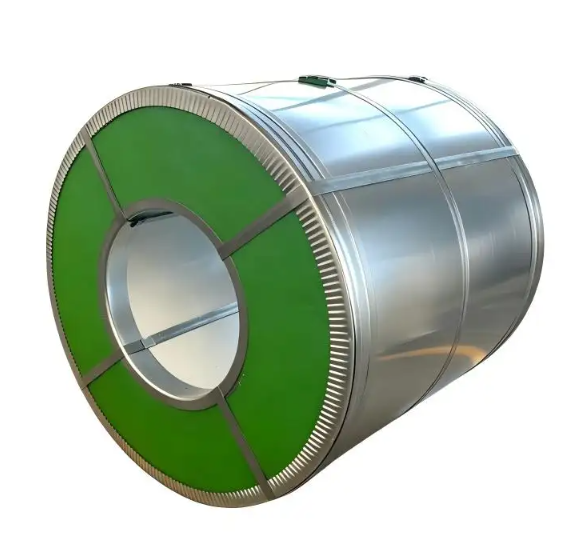
Learn why heavy coating galvalume steel coil provides superior corrosion resistance in harsh coastal settings and saves long-term maintenance costs.
2026/09/10
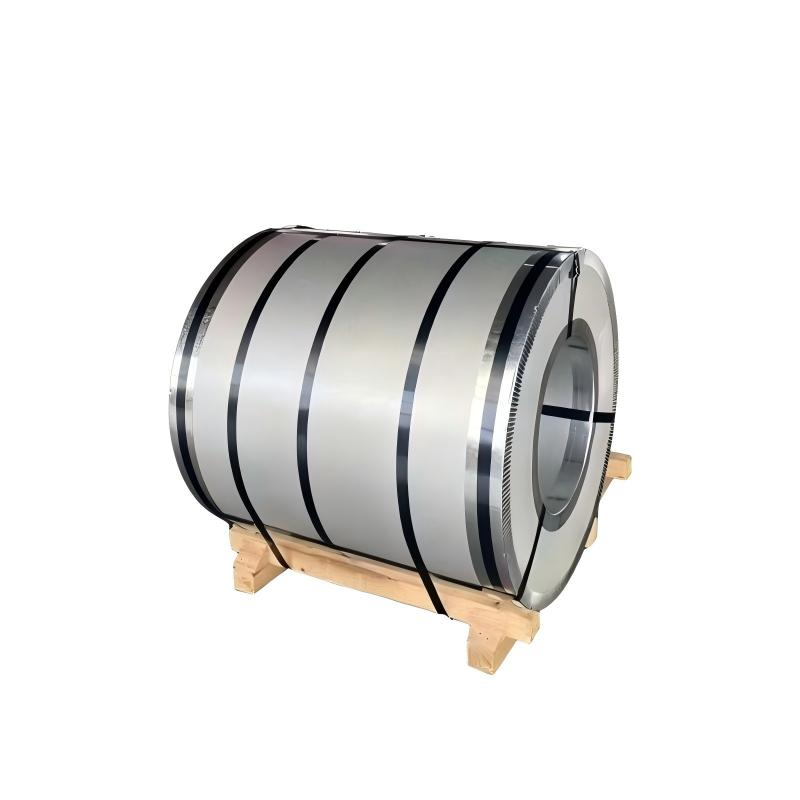
Learn how to test the bending performance of formable galvalume steel coil samples using T-bend testing to prevent cracking and scrap.
2026/09/10
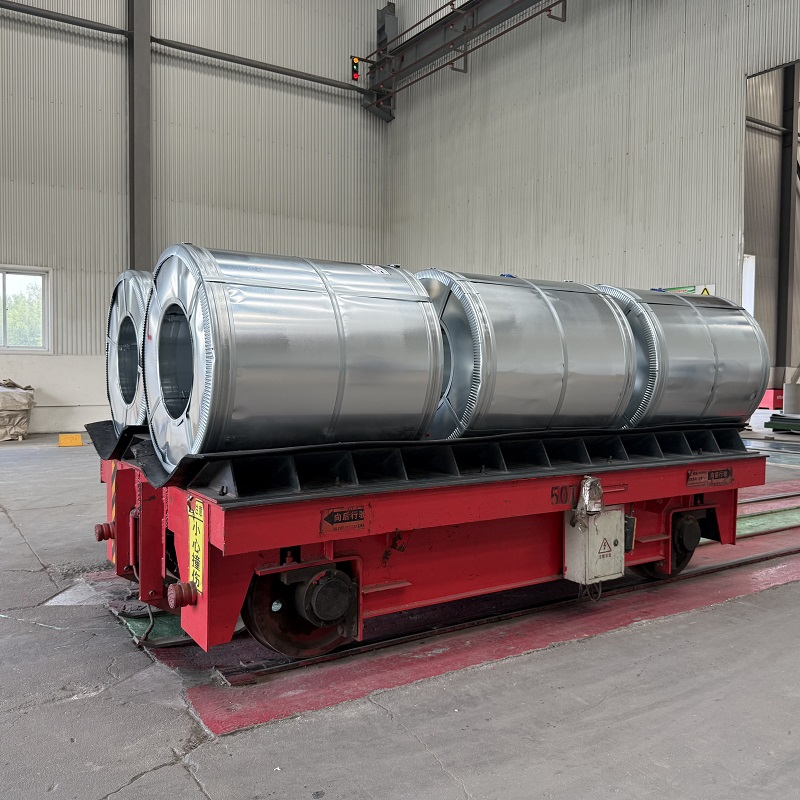
Discover how multi specification galvalume steel coil simplifies purchasing, boosts productivity, and lowers costs for metal fabricators.
2026/09/10
Discover why hot dipped galvanized steel and hot dip galvanized checkered plate offer ideal corrosion resistance and strength for road guardrails.
Covering green transformation, product comparison, selection guide, and industry empowerment, helping you fully grasp the dynamics of the color steel industry.

Global climate action and Belt and Road cooperation are driving the color steel industry’s shift toward green, sustainable development.

Comparing PPGI and PPGL across performance, durability, and applications to help you select the optimal coated steel for your project.
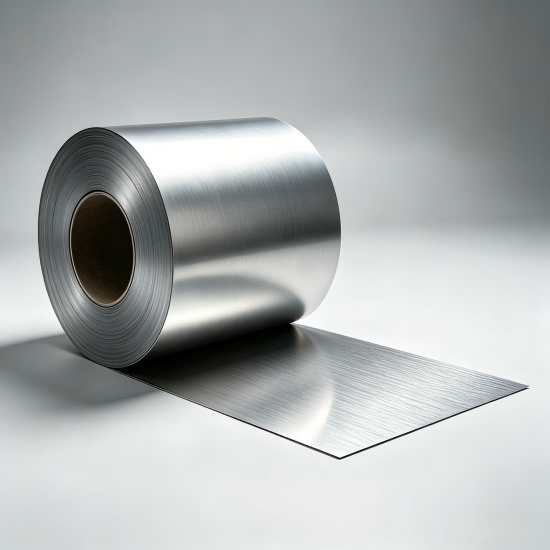
A practical guide to selecting and applying color steel coils, ensuring optimal performance, durability, and cost-effectiveness for your projects.
Industry forum drives digital and green transformation, empowering steel sector development through innovation and collaboration.